Jeong-Chul Kim – författare
Visar alla böcker från författaren Jeong-Chul Kim. Handla med fri frakt och snabb leverans.
4 produkter
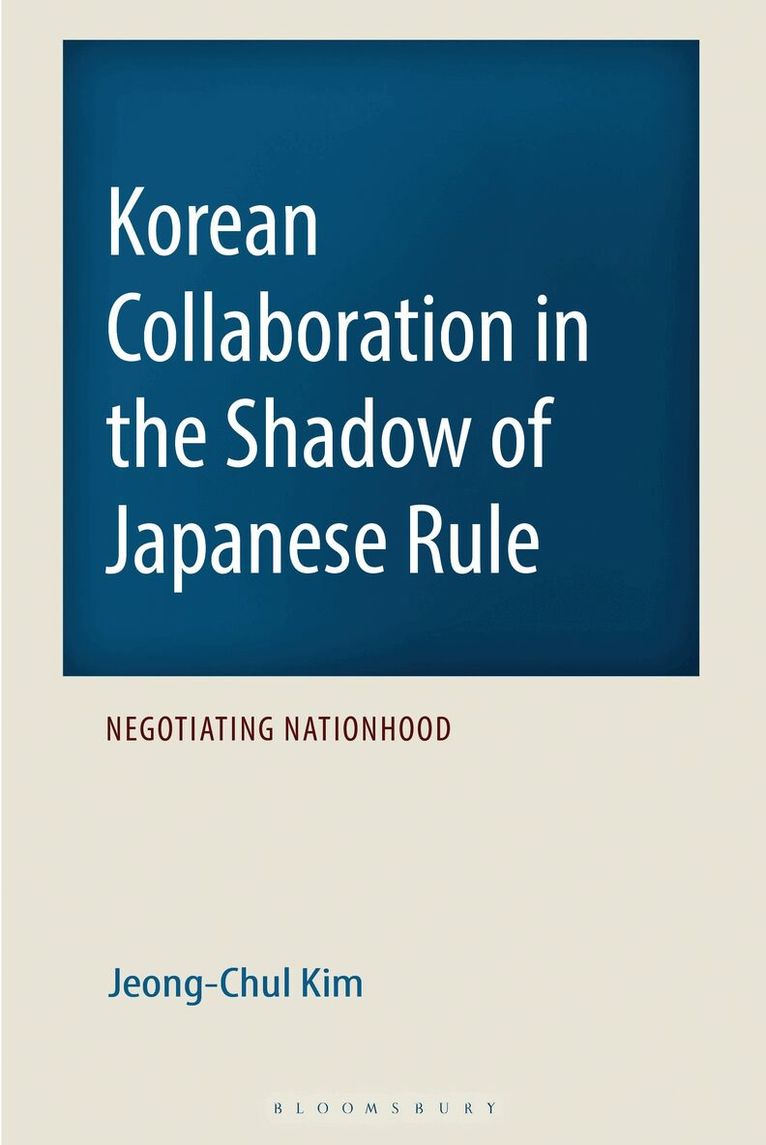
Korean Collaboration in the Shadow of Japanese Rule
Negotiating Nationhood
Inbunden, 2026
1174 kr
Lägg i varukorg
Jeong-Chul Kim excavates the complex role of Korean collaborators during Japanese colonial rule, offering a theoretical analysis of collaboration with foreign powers.Kim argues that collaboration was central to establishing a colonial order under Japanese rule in Korea, as Korean collaborators …
Korean Collaboration in the Shadow of Japanese Rule
Negotiating Nationhood
E-bok, 2025
1284 kr
Lägg i varukorg
Jeong-Chul Kim excavates the complex role of Korean collaborators during Japanese colonial rule, offering a theoretical analysis of collaboration with foreign powers.Kim argues that collaboration was central to establishing a colonial order under Japanese rule in Korea, as Korean collaborators …
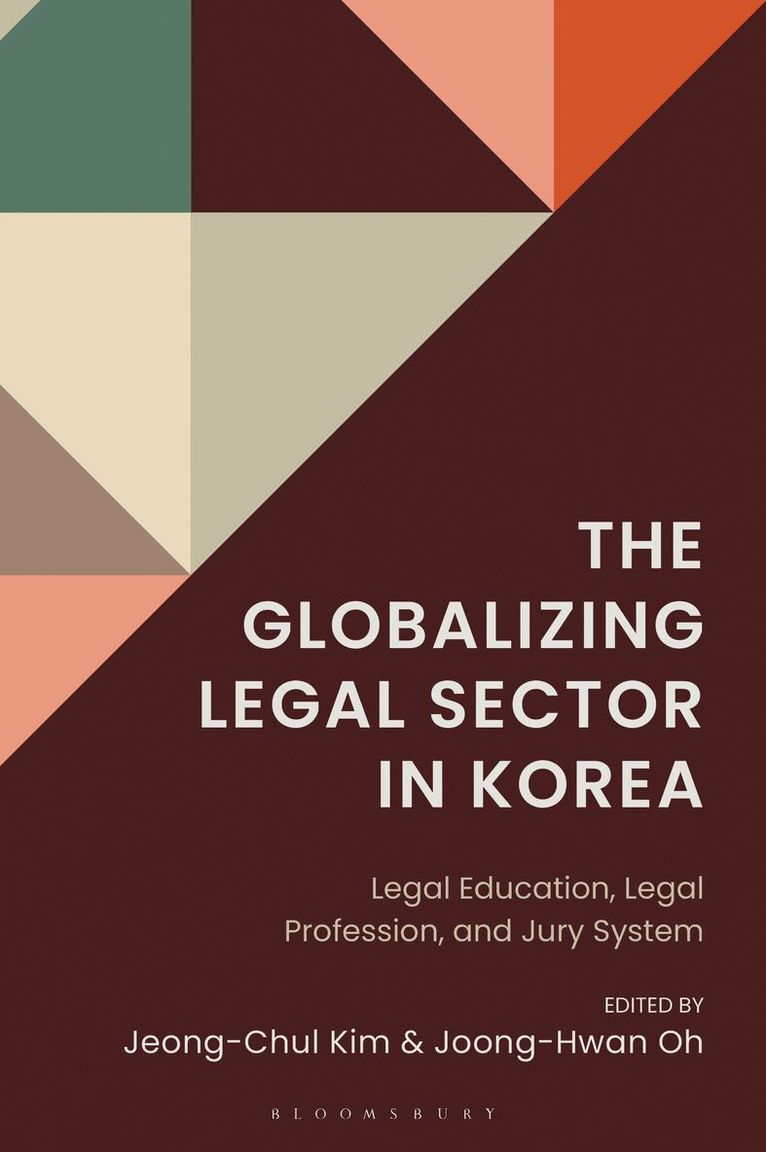
Globalizing Legal Sector in Korea
Legal Education, Legal Profession, and Jury System
Av Jeong-Chul Kim, Joong-Hwan Oh
Inbunden, 2026
1180 kr
Lägg i varukorg
A deep look at how global influences reshaped South Korea’s legal system - blending foreign models with local traditions and sparking new inequalities.Examining how globalization has reshaped South Korea’s legal institutions while deepening old hierarchies, the contributors show that reforms in …
Korean Collaboration in the Shadow of Japanese Rule
Negotiating Nationhood
Häftad, 2027
426 kr
Kommande
Jeong-Chul Kim excavates the complex role of Korean collaborators during Japanese colonial rule, offering a theoretical analysis of collaboration with foreign powers.Kim argues that collaboration was central to establishing a colonial order under Japanese rule in Korea, as Korean collaborators …