John G. Selby - Böcker
Visar alla böcker från författaren John G. Selby. Handla med fri frakt och snabb leverans.
4 produkter
4 produkter
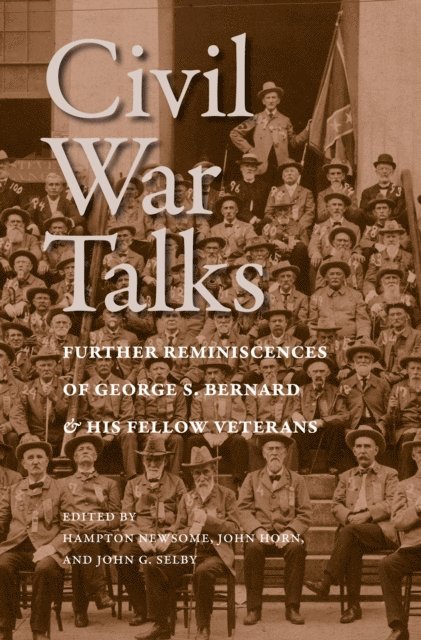
Civil War Talks
Further Reminiscences of George S. Bernard and His Fellow Veterans
Häftad, Engelska, 2024
310 kr
Skickas inom 10-15 vardagar
George S. Bernard was a Petersburg lawyer and member of the 12th Virginia Infantry Regiment during the Civil War. Over the course of his life, Bernard wrote extensively about his wartime experiences and collected accounts from other veterans. In 1892, he published War Talks of Confederate Veterans, a collection of firsthand accounts focusing on the battles and campaigns of the 12th Virginia that is widely read to this day. Bernard prepared a second volume but was never able to publish it. After his death in 1912, his papers became scattered or simply lost. But a series of finds, culminating with the discovery of a cache of papers in Roanoke in 2004, have made it possible to reconstruct a complete manuscript of the unpublished second volume. The resulting book, Civil War Talks, contains speeches, letters, Bernard’s wartime diary, and other firsthand accounts of the war not only by veterans of the Confederacy, such as General William Mahone, but by Union veterans as well. Their personal stories cover the major military campaigns in Virginia, Maryland, and Pennsylvania--Seven Pines, Malvern Hill, Gettysburg, Wilderness, Spotsylvania, Petersburg, and Appomattox. For the general reader, this volume offers evocative testimonies focusing on the experiences of individual soldiers. For scholars, it provides convenient access to many accounts that, until now, have not been widely available or have been simply unknown.
530 kr
Skickas inom 10-15 vardagar
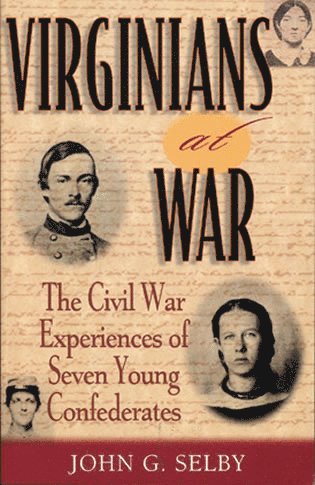
Virginians at War is the tale of seven Virginians who strongly supported the Confederacy from beginning to end. Their stories illustrate how devotion to the 'cause' of independence, religious faith, family and community commitment to the struggle, and shared sacrifices tied these people to the flagging fortunes of the Confederacy. Included here are stories of both men and women, on the battlefield and on the homefront. John G. Selby describes in vivid prose their seven intriguing lives based on their diary entries, letters, and memoirs. Through the lives of these men and women, readers will come to understand what the war meant to those who fought and survived it.About the AuthorDr. John G. Selby is the recipient of numerous awards and honors for his work in American and world history. In his twenty-two year career, he has taught on modern America, the Civil War, the Vietnam War, modern Middle East, and world history. He is currently professor of history at Roanoke College in Salem, Virginia.
567 kr
Skickas inom 7-10 vardagar
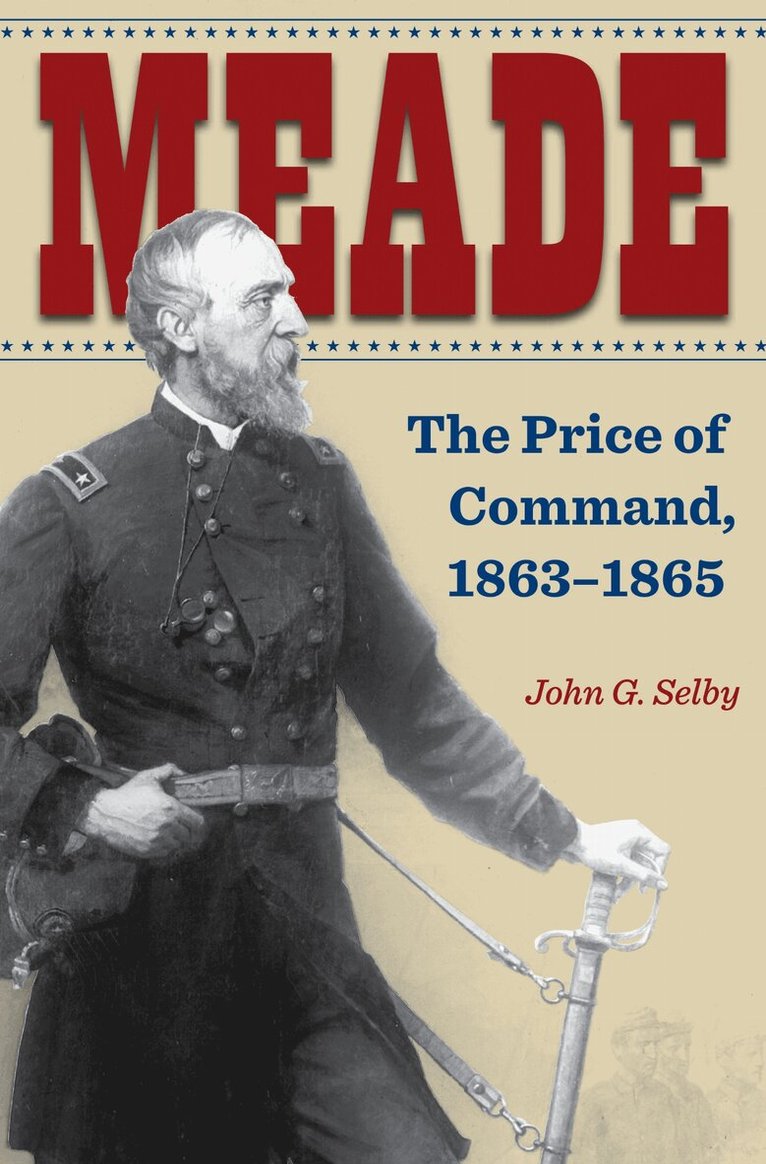
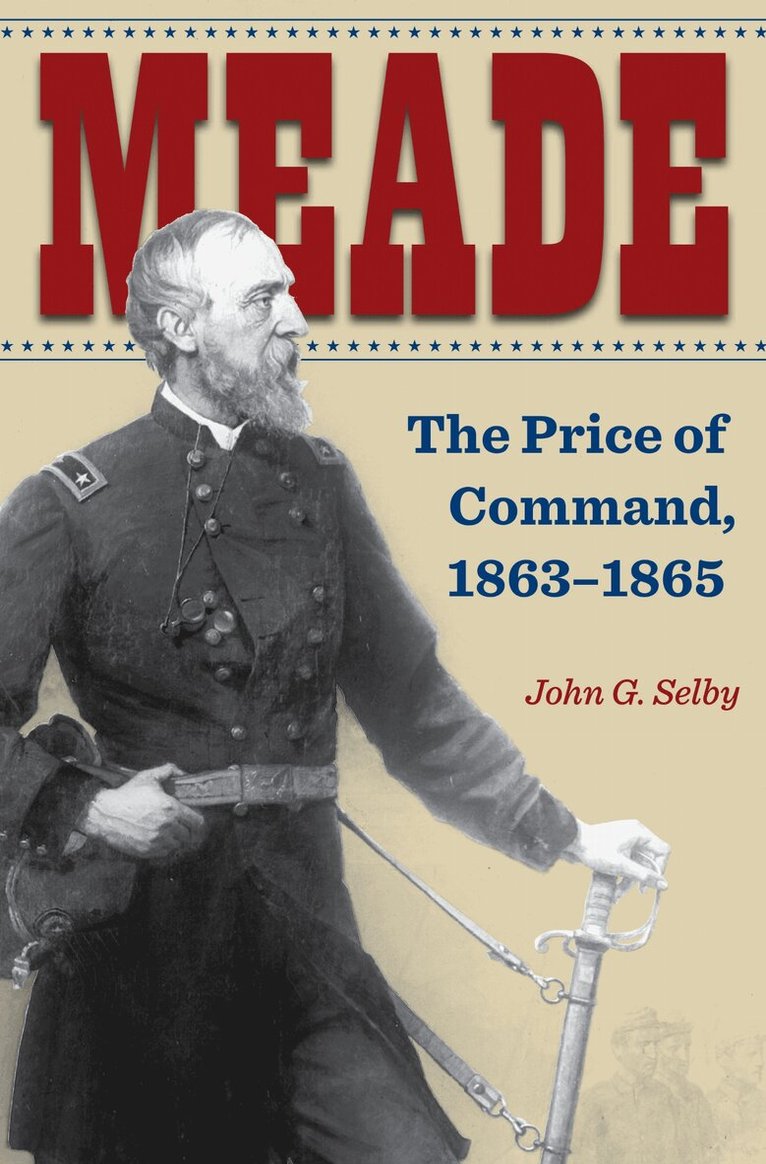
George Gordon Meade has not been treated kindly by history. Victorious at Gettysburg, the biggest battle of the American Civil War, Meade was the longest-serving commander of the Army of the Potomac, leading his army through the brutal Overland Campaign and on to the surrender of Robert E. Lee and the Army of Northern Virginia at Appomattox. Serving alongside his new superior, Ulysses S. Grant, in the last year of the war, his role has been overshadowed by the popular Grant. This first full-length study of Meade’s two-year tenure as commander of the Army of the Potomac brings him out of Grant’s shadow and into focus as one of the top three Union generals of the war.John G. Selby portrays a general bestride a large army he could manage well and a treacherous political environment he neither fully understood nor cared to engage. Meade’s time as commander began on a high note with the victory at Gettysburg, but when he failed to fight Lee’s retreating army that July and into the fall of 1863, the political knives came out. Meade spent the winter of 1863–64 struggling to retain his job while the Joint Committee on the Conduct of the War sought to have him dismissed. Meade offered to resign, but Grant told him to keep his job. Together, they managed the Overland Campaign and the initial attacks on Petersburg and Richmond in 1864.By basing his study on the Official Records of the War of the Rebellion, original Meade letters, and the letters, diaries, journals, and reminiscences of contemporaries, Selby demonstrates that Meade was a much more active, thoughtful, and enterprising commander than has been assumed. This sensitive and reflective man accepted a position that was as political as it was military, despite knowing that the political dimensions of the job might ultimately destroy what he valued the most, his reputation.
265 kr
Skickas inom 7-10 vardagar
George Gordon Meade has not been treated kindly by history. Victorious at Gettysburg, the biggest battle of the American Civil War, Meade was the longest-serving commander of the Army of the Potomac, leading his army through the brutal Overland Campaign and on to the surrender of Robert E. Lee and the Army of Northern Virginia at Appomattox. Serving alongside his new superior, Ulysses S. Grant, in the last year of the war, his role has been overshadowed by the popular Grant. This first full-length study of Meade's two-year tenure as commander of the Army of the Potomac brings him out of Grant's shadow and into focus as one of the top three Union generals of the war.John G. Selby portrays a general bestride a large army he could manage well and a treacherous political environment he neither fully understood nor cared to engage. Meade's time as commander began on a high note with the victory at Gettysburg, but when he failed to fight Lee's retreating army that July and into the fall of 1863, the political knives came out. Meade spent the winter of 1863–64 struggling to retain his job while the Joint Committee on the Conduct of the War sought to have him dismissed. Meade offered to resign, but Grant told him to keep his job. Together, they managed the Overland Campaign and the initial attacks on Petersburg and Richmond in 1864.By basing his study on the Official Records of the War of the Rebellion, original Meade letters, and the letters, diaries, journals, and reminiscences of contemporaries, Selby demonstrates that Meade was a much more active, thoughtful, and enterprising commander than has been assumed. This sensitive and reflective man accepted a position that was as political as it was military, despite knowing that the political dimensions of the job might ultimately destroy what he valued the most, his reputation.