John Zarobell – författare
Visar alla böcker från författaren John Zarobell. Handla med fri frakt och snabb leverans.
4 produkter
4 produkter
281 kr
Skickas inom 5-8 vardagar
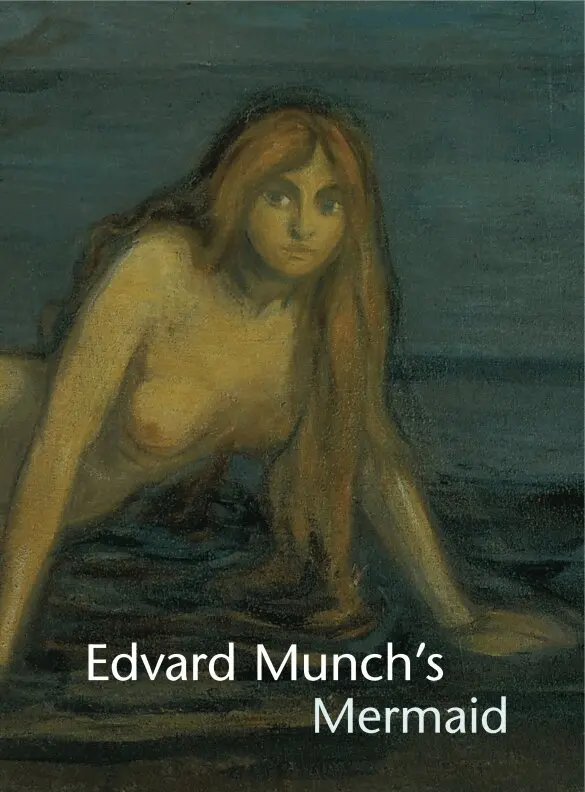
Edvard Munch (1863–1944) has attained lasting fame for paintings and prints—above all The Scream— that express the isolation and anxieties of the modern condition. Recently, the Philadelphia Museum of Art acquired a large Munch painting, Mermaid, little known outside a small circle of experts because it had never been displayed in museums or galleries. To introduce this important work to the public, the Museum has organized an exhibition that presents Mermaid alongside related paintings, drawings, and prints. Edvard Munch’s Mermaid, which accompanies the exhibition, provides the first comprehensive discussion of the painting’s history and significance. The Norwegian industrialist and collector Axel Heiberg commissioned Mermaid from Munch in 1896, when the artist was living in Paris, absorbing the city’s intellectual life, expanding his work as a printmaker, and extending his activities to new realms, such as designing the theater sets and program for Henrik Ibsen’s play Peer Gynt. The first two essays in this book from the Philadelphia Museum of Art situate Mermaid, Munch’s first decorative painting, within the rich ferment of this period in his life. The painting’s Norwegian imagery, Symbolist ethos, and Art Nouveau influences are explored even as its relationship to Munch’s printmaking of 1896–97 and other artistic activities is elucidated. Mermaid was removed from Heiberg’s house in 1938 and was converted by a restorer from a trapezoidal format to a standard rectangle. The final essay discusses the changes to the painting in light of Munch’s highly personal and complex views on the alteration of his works. Edvard Munch’s Mermaid reproduces all the prints, drawings, and paintings in the exhibition at the Philadelphia Museum of Art, September 24–December 31, 2005.
1 477 kr
Skickas inom 3-6 vardagar
Art and the Global Economy analyzes major changes in the global art world that have emerged in the last twenty years including structural shifts in the global art market; the proliferation of international art fairs, biennials and blockbuster exhibitions; and the internationalization of the scope of contemporary art. John Zarobell explores the economic and social transformations in the cultural sphere, the results of greater access to information about art, exhibitions, and markets around the world, as well as the increasing interpenetration of formerly distinct geographical domains. By considering a variety of locations-both long-standing art capitals and up-and-coming centers of the future-Art and the Global Economy facilitates a deeper understanding of how globalization affects the domain of the visual arts in the twenty-first century. With contributions by Lucia Cantero, Mariana David, Valentin Diaconov, Kai Lossgott, Grace Murray, Chhoti Rao, Emma Rogers and Michelle Wong.
254 kr
Skickas inom 5-8 vardagar
Art and the Global Economy analyzes major changes in the global art world that have emerged in the last twenty years including structural shifts in the global art market; the proliferation of international art fairs, biennials and blockbuster exhibitions; and the internationalization of the scope of contemporary art. John Zarobell explores the economic and social transformations in the cultural sphere, the results of greater access to information about art, exhibitions, and markets around the world, as well as the increasing interpenetration of formerly distinct geographical domains. By considering a variety of locations-both long-standing art capitals and up-and-coming centers of the future-Art and the Global Economy facilitates a deeper understanding of how globalization affects the domain of the visual arts in the twenty-first century. With contributions by Lucia Cantero, Mariana David, Valentin Diaconov, Kai Lossgott, Grace Murray, Chhoti Rao, Emma Rogers and Michelle Wong.
289 kr
Skickas inom 7-10 vardagar
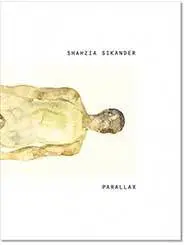
Shahzia Sikanders konstnärskap presenterades för första gången för en skandinavisk publik på Bildmuseet våren 2014. Till utställningen producerades katalogen Shahzia Sikander / Parallax med texter av Cecilia Andersson, kurator Bildmuseet, John Zarobell, universitetslektor i internationella studier vid University of San Francisco samt en intervju med Shahzia Sikander av Claire Brandon, doktorand i konst- och arkitekturhistoria vid Institute of Fine Arts, New York University. Förord av museichef Katarina Pierre, Bildmuseet. Shahzia Sikander utgår från indopersiskt miniatyrmåleri i sitt arbete men utmanar dess strikta regler genom format, animation och samarbeten med andra konstnärer. Den flerkanaliga videoinstallationen Parallax bygger på hundratals målningar som har animerats digitalt. Den handlar om Hormuzsundet, om handel och sjöfart, och särskilt om olika stormaktsväldens dramatiska maktkamper i området genom historien. Verket innehåller musik och poesi som konstnären producerat i samarbete med kompositören Du Yun och tre poeter från Sharjah. Shahzia Sikander (f. 1969)är utbildad vid National College of Arts i Lahore, Pakistan och Rhode Island School of Design. Hon har utvecklat ett helt nytt och kritiskt laddat förhållningssätt till miniatyrmåleriets otidsenliga genre samtidigt som hon använder kulturella och politiska gränser som en utgångspunkt för diskussion och intervention. Utdrag ur utställningskatalogens intervju med Shahzia Sikander: ”Medan jag körde fokuserade jag på de sinnliga upplevelserna, den intensiva hettan, det skarpa ljuset, närheten till vattnet och sanden, och hägringar. Det låter kanske abstrakt men det finns en metod i galenskapen. Jag filmar, skissar, fotograferar och sedan tecknar jag från scratch. Även mina mest detaljrika miniatyrteckningar och målningar har byggts upp utifrån ”rörelse”, en villkorslös, pågående känsla av rymd och berättelse. Till animationen skannade jag in teckningarna jag gjorde efter researchresorna och drog upp dem i skala. När man förstorar ett par centimeter av en teckning några hundra gånger så upptäcker man en topografi som inte syns med blotta ögat. Man blir överraskad när pigmentet på papperet förvandlas till en plats. Den här processen handlade om hur det osynliga blir synligt; och det var kanske också en metafor för hägringen.”