Joseph J. Kerski - Böcker
Visar alla böcker från författaren Joseph J. Kerski. Handla med fri frakt och snabb leverans.
11 produkter
11 produkter
766 kr
Skickas inom 10-15 vardagar
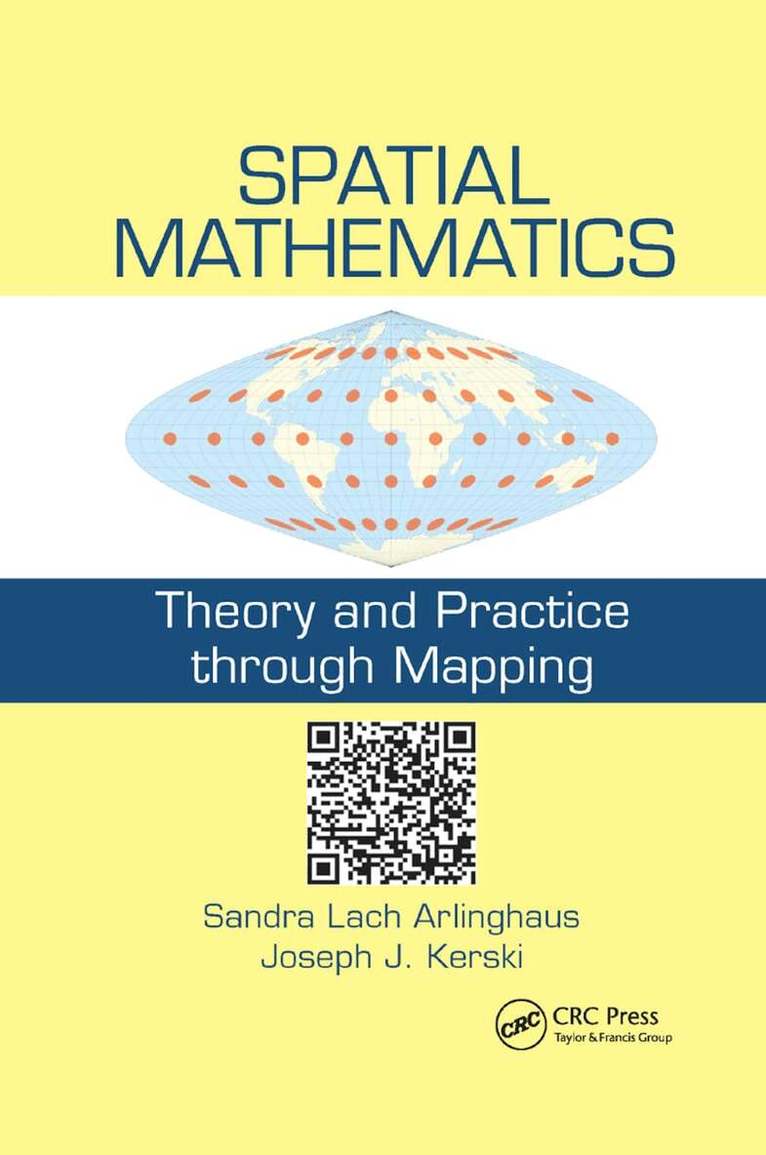
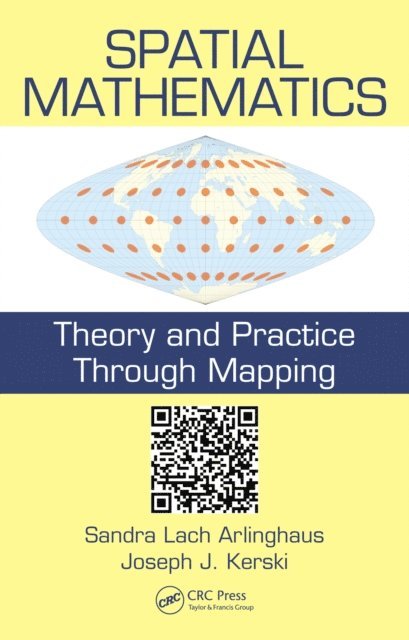
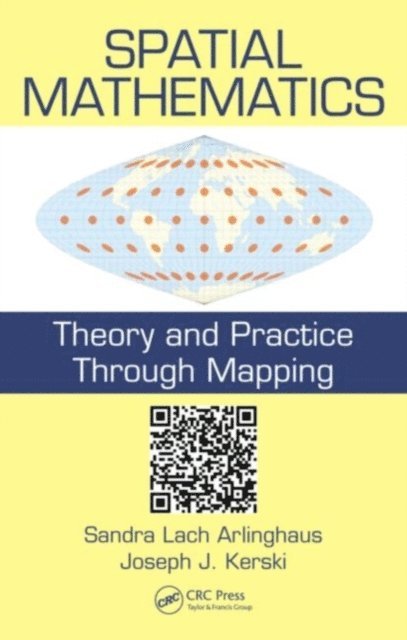
In terms of statistics, GIS offers many connections. With GIS, data are gathered, displayed, summarized, examined, and interpreted to discover patterns. Spatial Mathematics: Theory and Practice through Mapping uses GIS as a platform to teach mathematical concepts and skills through visualization of numbers. It examines theory and practice from disparate academic disciplines such as geography, mathematics, physics, and general social science. This approach allows students to grapple with biodiversity, crime, natural hazards, climate, energy, water, and other relevant real-world issues of the twenty-first century.Includes QR Codes Linked to Animated Maps, a Mapping Activity Site, or to an Interactive Webpage, Creating an Interactive Resource That Stays RelevantThe book integrates competing philosophical views of the world: synthesis and analysis. These two approaches yield different results and employ different tools. This book considers both approaches to looking at real-world issues that have mathematics as a critical, but often unseen, component. This approach shows readers how to use mathematics to consider the broad problem at hand and to explore diverse realms in the worlds of geography and mathematics and in their interface. A truly interdisciplinary text, the book bridges the worlds of mathematics and geography and demonstrates how they are inextricably linked. It takes advantage of the convergence in citizen science, STEM education, and mapping that help readers become critical consumers of data—understanding its content, quality, limitations, and benefits. It provides thorough grounding in the analytical, statistical, and computational skills required for working in any field that uses geospatial technologies—not just surveyors and remote sensing analysts.
1 819 kr
Skickas inom 10-15 vardagar
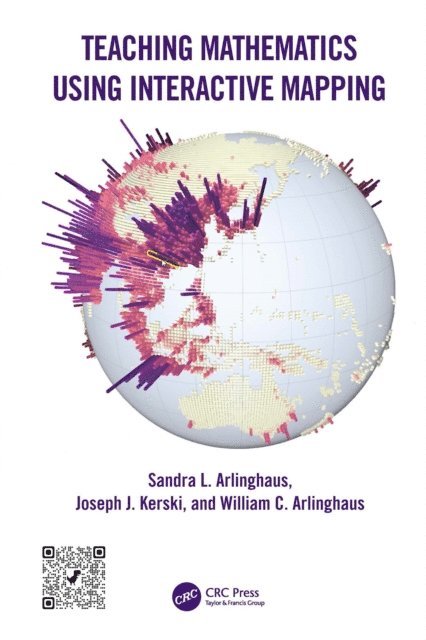
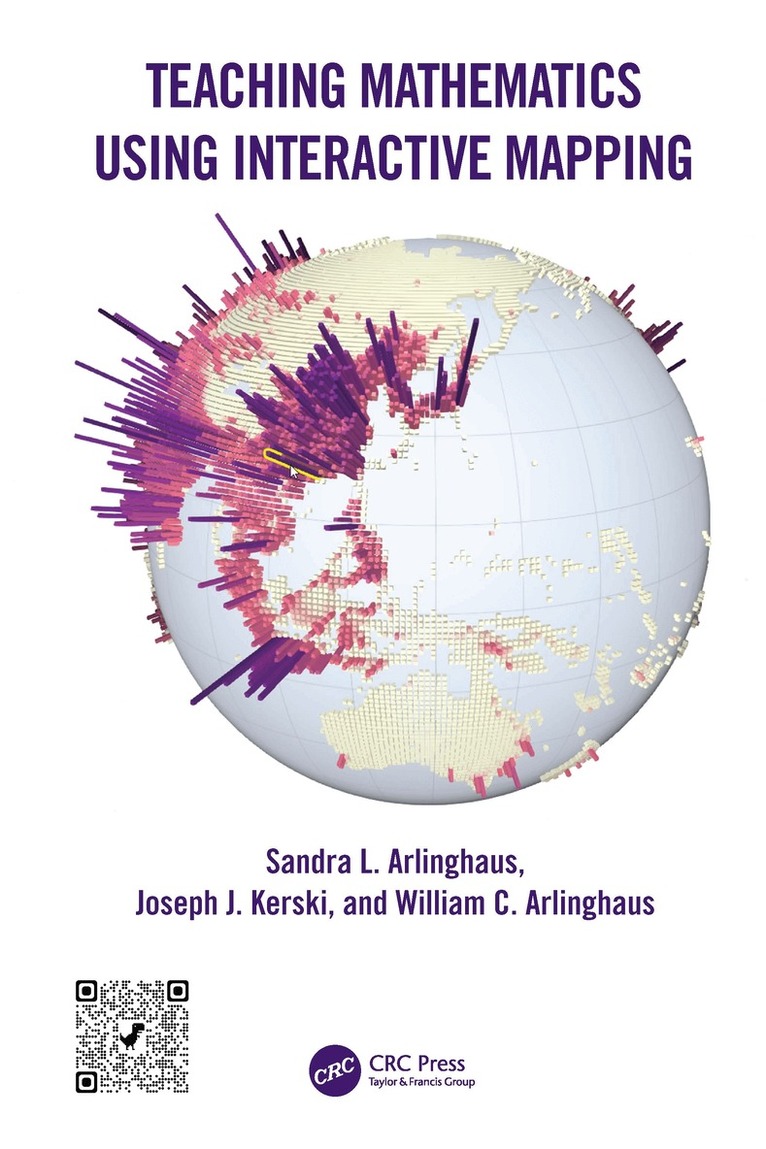
Teaching Mathematics Using Interactive Mapping offers novel ways to learn basic math topics such as simple relational measures or measuring hierarchies through customized interactive mapping activities. These activities focus on interactive web-based Geographic Information System (GIS) and are relevant to today’s problems and challenges. Written in a guided, hands-on, understandable manner, all activities are designed to build practical and problem-solving skills that rest on mathematical principles and move students from thinking about maps as references that focus solely on "where is" something, to analytical tools, focusing primarily on the "whys of where." Success with this transition through interaction permits most readers to master mathematical concepts and GIS tools.FEATURESOffers custom-designed geographical activities to fit with specific mathematical topicsHelps students become comfortable using mathematics in a variety of professionsProvides an innovative, engaging, and practical set of activities to ease readers through typically difficult, often elementary, mathematical topics: fractions, the distributive law, and much moreUses web-based GIS maps, apps, and other tools and data that can be accessed on any device, anywhere, at any time, requiring no prior GIS backgroundWritten by experienced teachers and researchers with lifelong experience in teaching mathematics, geography, and spatial analysisFeatures an accompanying Solution Guide, available on the book's product page, that is beneficial for instructors, students, and other readers as an aid to gauging progress.This textbook applies to undergraduate and graduate students in universities and community colleges including those in basic mathematics courses, as well as upper-level undergraduate and graduate students taking courses in geographic information systems, remote sensing, photogrammetry, geography, geodesy, information science, engineering, and geology. Professionals interested in learning techniques and technologies for collecting, analyzing, managing, processing, and visualizing geospatial datasets will also benefit from this book as they refresh their knowledge in mathematics.
725 kr
Skickas inom 10-15 vardagar
Teaching Mathematics Using Interactive Mapping offers novel ways to learn basic math topics such as simple relational measures or measuring hierarchies through customized interactive mapping activities. These activities focus on interactive web-based Geographic Information System (GIS) and are relevant to today’s problems and challenges. Written in a guided, hands-on, understandable manner, all activities are designed to build practical and problem-solving skills that rest on mathematical principles and move students from thinking about maps as references that focus solely on "where is" something, to analytical tools, focusing primarily on the "whys of where." Success with this transition through interaction permits most readers to master mathematical concepts and GIS tools.FEATURESOffers custom-designed geographical activities to fit with specific mathematical topicsHelps students become comfortable using mathematics in a variety of professionsProvides an innovative, engaging, and practical set of activities to ease readers through typically difficult, often elementary, mathematical topics: fractions, the distributive law, and much moreUses web-based GIS maps, apps, and other tools and data that can be accessed on any device, anywhere, at any time, requiring no prior GIS backgroundWritten by experienced teachers and researchers with lifelong experience in teaching mathematics, geography, and spatial analysisFeatures an accompanying Solution Guide, available on the book's product page, that is beneficial for instructors, students, and other readers as an aid to gauging progress.This textbook applies to undergraduate and graduate students in universities and community colleges including those in basic mathematics courses, as well as upper-level undergraduate and graduate students taking courses in geographic information systems, remote sensing, photogrammetry, geography, geodesy, information science, engineering, and geology. Professionals interested in learning techniques and technologies for collecting, analyzing, managing, processing, and visualizing geospatial datasets will also benefit from this book as they refresh their knowledge in mathematics.
1 886 kr
Skickas inom 10-15 vardagar
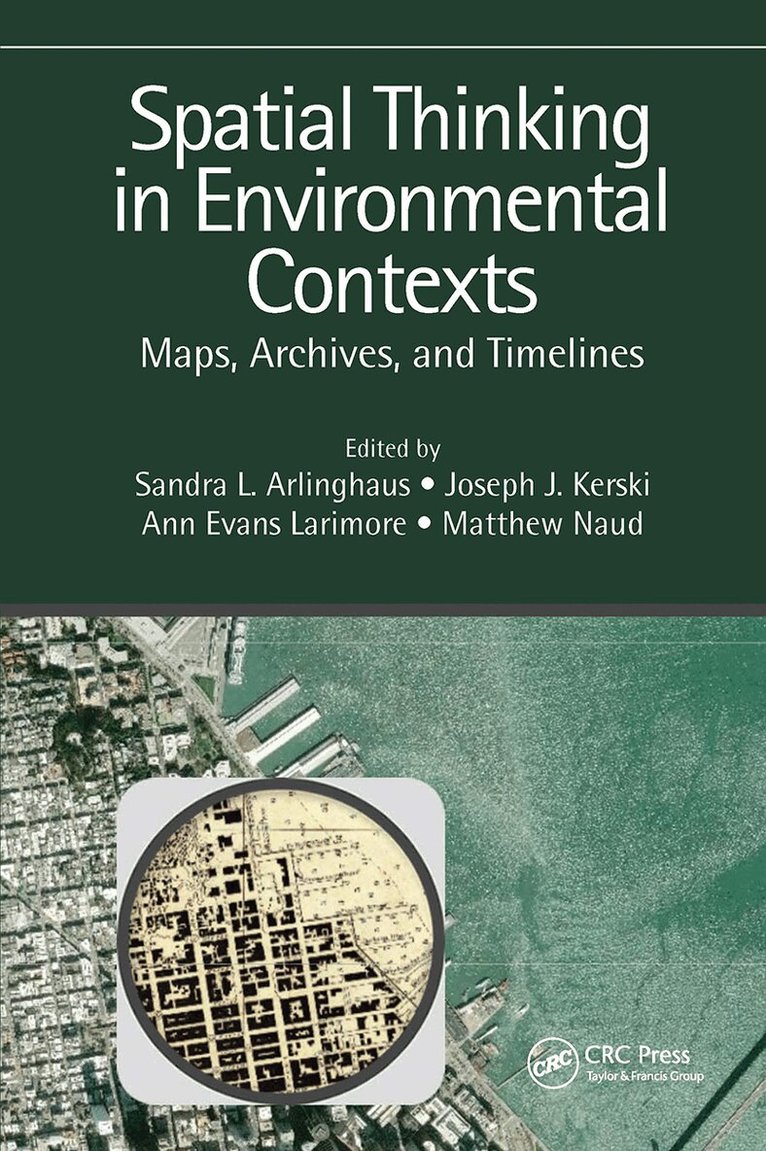
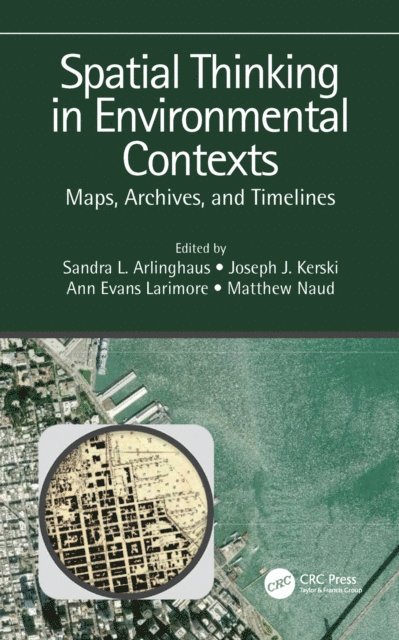
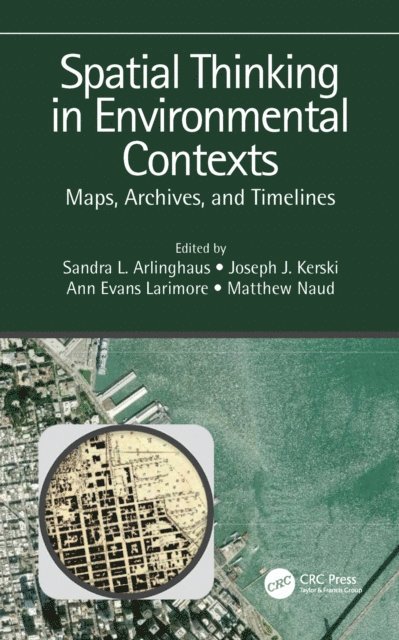
Spatial Thinking in Environmental Contexts: Maps, Archives, and Timelines cultivates the spatial thinking "habit of mind" as a critical geographical view of how the world works, including how environmental systems function, and how we can approach and solve environmental problems using maps, archives, and timelines. The work explains why spatial thinking matters as it helps readers to integrate a variety of methods to describe and analyze spatial/temporal events and phenomena in disparate environmental contexts. It weaves together maps, GIS, timelines, and storytelling as important strategies in examining concepts and procedures in analyzing real-world data and relationships. The work thus adds significant value to qualitative and quantitative research in environmental (and related) sciences.Features Written by internationally renowned experts known for taking complex ideas and finding accessible ways to more broadly understand and communicate them. Includes real-world studies explaining the merging of disparate data in a sensible manner, understandable across several disciplines. Unique approach to spatial thinking involving animated maps, 3D maps, GEOMATs, and story maps to integrate maps, archives, and timelines—first across a single environmental example and then through varied examples. Merges spatial and temporal views on a broad range of environmental issues from traditional environmental topics to more unusual ones involving urban studies, medicine, municipal/governmental application, and citizen-scientist topics. Provides easy to follow step-by-step instructions to complete tasks; no prior experience in data processing is needed.
698 kr
Skickas inom 10-15 vardagar
Spatial Thinking in Environmental Contexts: Maps, Archives, and Timelines cultivates the spatial thinking "habit of mind" as a critical geographical view of how the world works, including how environmental systems function, and how we can approach and solve environmental problems using maps, archives, and timelines. The work explains why spatial thinking matters as it helps readers to integrate a variety of methods to describe and analyze spatial/temporal events and phenomena in disparate environmental contexts. It weaves together maps, GIS, timelines, and storytelling as important strategies in examining concepts and procedures in analyzing real-world data and relationships. The work thus adds significant value to qualitative and quantitative research in environmental (and related) sciences.Features Written by internationally renowned experts known for taking complex ideas and finding accessible ways to more broadly understand and communicate them. Includes real-world studies explaining the merging of disparate data in a sensible manner, understandable across several disciplines. Unique approach to spatial thinking involving animated maps, 3D maps, GEOMATs, and story maps to integrate maps, archives, and timelines—first across a single environmental example and then through varied examples. Merges spatial and temporal views on a broad range of environmental issues from traditional environmental topics to more unusual ones involving urban studies, medicine, municipal/governmental application, and citizen-scientist topics. Provides easy to follow step-by-step instructions to complete tasks; no prior experience in data processing is needed.
1 886 kr
Skickas inom 10-15 vardagar
In terms of statistics, GIS offers many connections. With GIS, data are gathered, displayed, summarized, examined, and interpreted to discover patterns. Spatial Mathematics: Theory and Practice through Mapping uses GIS as a platform to teach mathematical concepts and skills through visualization of numbers. It examines theory and practice from disparate academic disciplines such as geography, mathematics, physics, and general social science. This approach allows students to grapple with biodiversity, crime, natural hazards, climate, energy, water, and other relevant real-world issues of the twenty-first century.Includes QR Codes Linked to Animated Maps, a Mapping Activity Site, or to an Interactive Webpage, Creating an Interactive Resource That Stays RelevantThe book integrates competing philosophical views of the world: synthesis and analysis. These two approaches yield different results and employ different tools. This book considers both approaches to looking at real-world issues that have mathematics as a critical, but often unseen, component. This approach shows readers how to use mathematics to consider the broad problem at hand and to explore diverse realms in the worlds of geography and mathematics and in their interface. A truly interdisciplinary text, the book bridges the worlds of mathematics and geography and demonstrates how they are inextricably linked. It takes advantage of the convergence in citizen science, STEM education, and mapping that help readers become critical consumers of data—understanding its content, quality, limitations, and benefits. It provides thorough grounding in the analytical, statistical, and computational skills required for working in any field that uses geospatial technologies—not just surveyors and remote sensing analysts.
285 kr
Skickas inom 5-8 vardagar
Discover how educators, researchers, IT support, and administrators can transform education inside and out, now and for the future.Geographic information system (GIS) technology offers a powerful decision-making tool in various aspects of education. It gives educators a new opportunity to teach problem-solving to a tech-savvy generation of learners. Researchers can use GIS for data visualization and integration, and IT professionals can improve the offerings of their cloud-based platforms. GIS offers administrators a way to visualize and manage everything from mapping campus buildings to planning where and when to close schools and open new ones.Creating a Smarter Campus: GIS for Education explores a collection of real-life stories about education organizations doing just that with GIS. Through their ideas, plans, and goals, they help readers understand how to use GIS and integrate spatial reasoning into teaching, research, and management. A “next steps” section provides ideas, strategies, tools, and actions to help you jump-start using GIS for education. A collection of online resources, including additional stories, videos, new ideas and concepts, and downloadable tools and content, complements this book. Edited by Joseph Kerski, education manager at Esri, and Matt Artz, an Esri content strategist.
1 142 kr
Skickas inom 10-15 vardagar
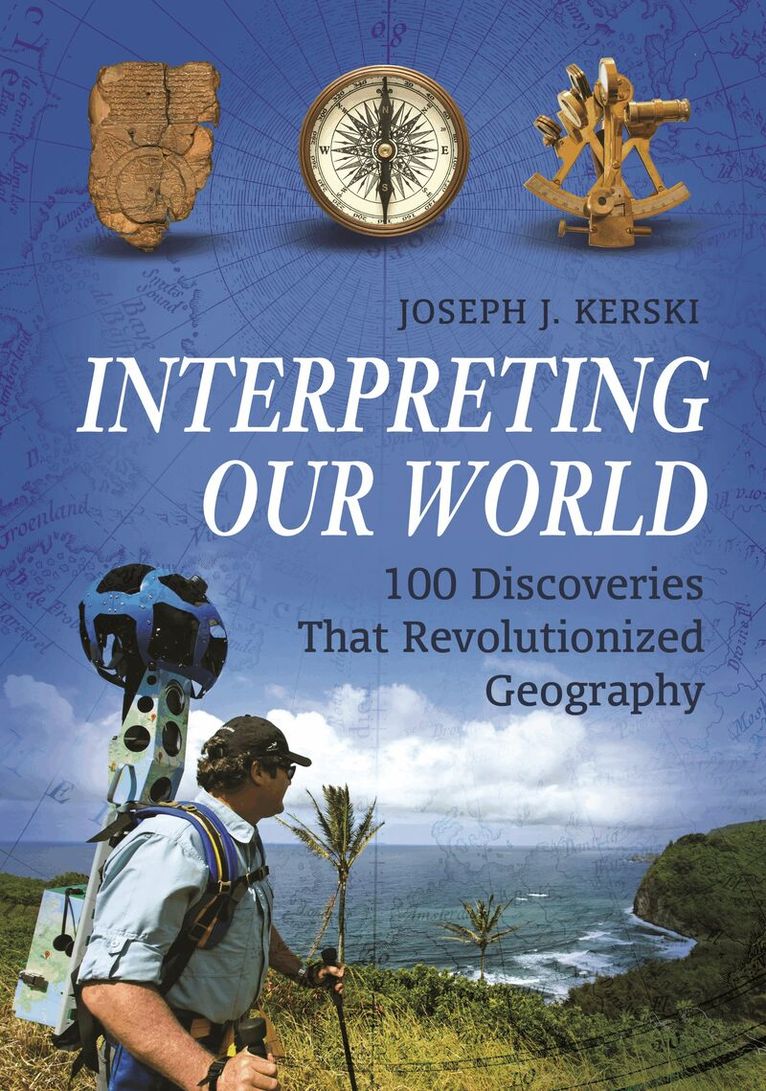
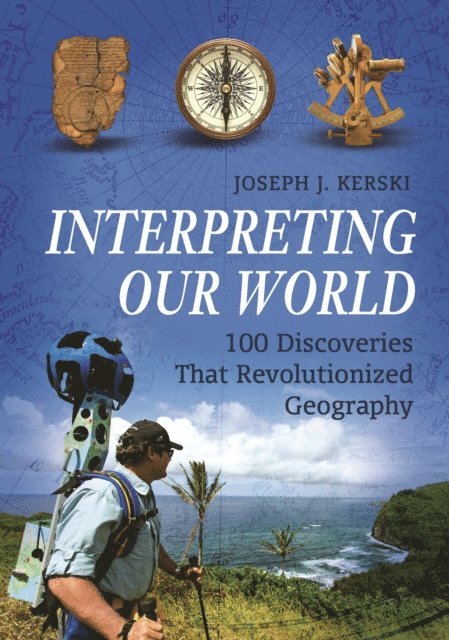
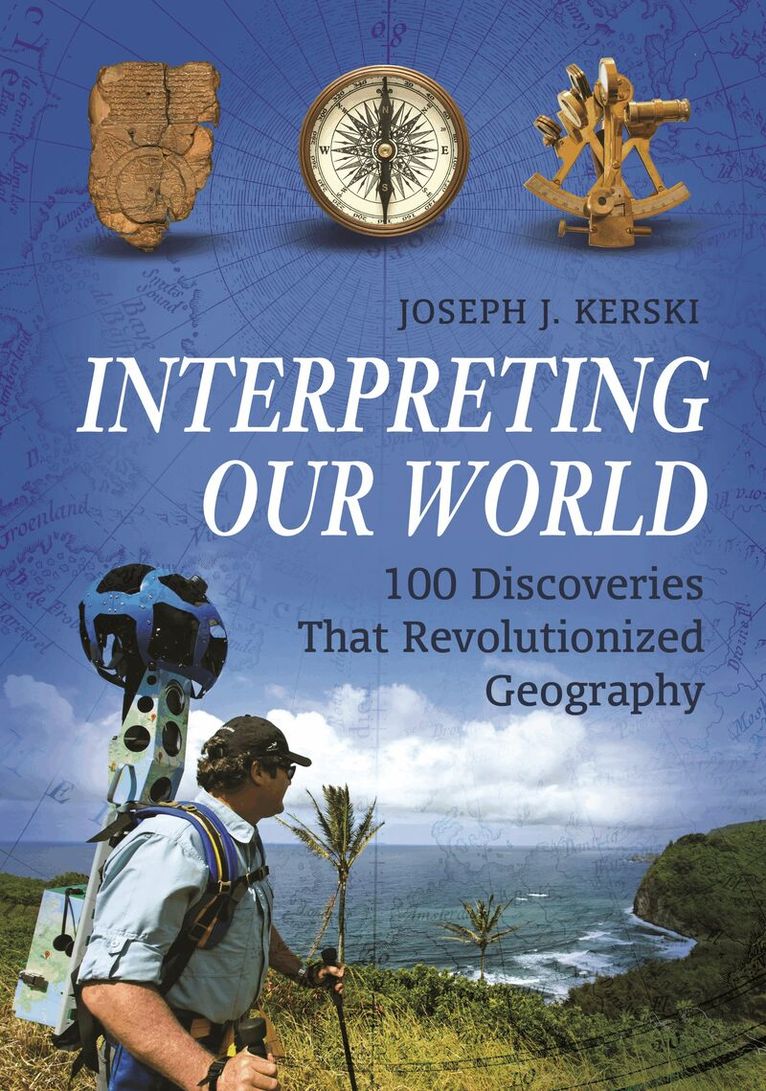
This important book demonstrates why geography matters in the modern-day world through its examination of 100 moments throughout history that had a significant impact on the study of geography—literally, "writing about the earth."Geography is not simply accounts of the lands of earth and their features; it's about discovering everything there is to know about our planet. This book shows why geography is of critical importance to our world's 21st-century inhabitants through an exploration of the past and present discoveries that have been made about the earth. It pinpoints 100 moments throughout history that had a significant impact on the study of geography and the understanding of our world, including widely accepted maps of the ancient world, writings and discoveries of key thinkers and philosophers, key exploration events and findings during the Age of Discovery, the foundations of important geographic organizations, and inventions in digital mapping.The book begins with a clear explanation of geography as a discipline, a framework, and a way of viewing the world, followed by coverage of each of the 100 discoveries and innovations that provides sufficient background and content for readers to understand each topic. The book concludes with a concise synopsis of why it all matters and a look forward to 10 possible future discoveries in the next 50 years of geography. Students will gain a clear sense of what is truly revolutionary about geography, perhaps challenging their preconceived notion of what geography actually is, and grasp how important discoveries revolutionized not only the past but the present day as well.
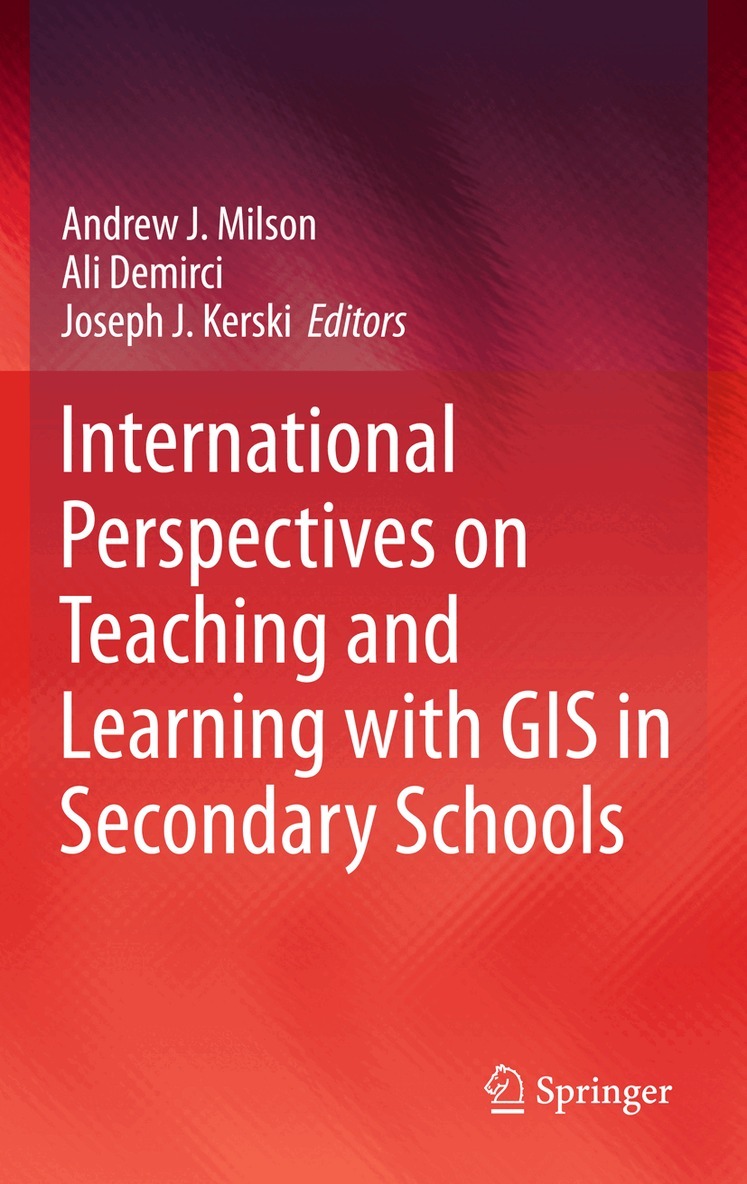
International Perspectives on Teaching and Learning with GIS in Secondary Schools
Inbunden, Engelska, 2011
1 064 kr
Skickas inom 10-15 vardagar
This, the first publication to collate a broad international perspective on the pedagogical value of GIS technology in classrooms, offers an unprecedented range of expert views on the subject. Geographic Information Systems (GISs) are now ubiquitous and relatively inexpensive. They have revolutionized the way people explore and understand the world around them. The capability they confer allows us to capture, manage, analyze, and display geographic data in ways that were undreamt of a generation ago. GIS has enabled users to make decisions and solve problems as diverse as designing bus routes, locating new businesses, responding to emergencies, and researching climate change. GIS is also having a major impact in the classroom. Students and teachers around the world are using this significant emerging technology in the secondary school classroom to study social and scientific concepts and processes, to broaden their technical skills, and to engage in problem solving and decision making about local and global issues.International Perspectives on Teaching and Learning with GIS in Secondary Schools brings together authors from 34 countries who profile the current status of GIS in secondary school teaching and learning in their country. Each chapter includes a summary of the country’s educational context, a case study illustrating how GIS is used in secondary schooling, and an assessment of the opportunities and challenges in teaching and learning with GIS now and in the future. The book demonstrates that GIS is not only a technological tool to be used in the classroom, but also a catalyst for motivation, encouragement, and cooperation in understanding and solving global problems.The most up to date and extensive survey of GIS in the secondary education landscape, covering both principles and practice.Professor David Maguire, Pro-Vice-Chancellor, Birmingham City University, UKInternational Perspectives on Teaching andLearning With GIS in Secondary Schools is a highly relevant, critically important, reflective contribution to the literature, providing strong arguments supporting the inclusion for spatial studies for all in secondary school education. Karl Donert, President, EUROGEOThis is an invaluable and inspirational examination of innovation in geospatial technologies in secondary schools around the world. Each chapter contains practical models for how to integrate powerful tools for spatial analysis into a range of subjects. It will be useful to classroom teachers and administrators seeking pathways to implementation and teacher educators considering how to prepare the next generation to use geospatial technologies.Sarah Witham Bednarz, Department of Geography, Texas A&M University, College Station, TX, USA
International Perspectives on Teaching and Learning with GIS in Secondary Schools
Häftad, Engelska, 2014
1 064 kr
Skickas inom 10-15 vardagar
This is the first publication to collate a broad international perspective on the pedagogical value of Geographic Information System technology in classrooms. It offers an unparalleled range of expert views on the subject, with contributions from 34 countries.
408 kr
Skickas inom 10-15 vardagar
This important book demonstrates why geography matters in the modern-day world through its examination of 100 moments throughout history that had a significant impact on the study of geography—literally, "writing about the earth."Geography is not simply accounts of the lands of earth and their features; it's about discovering everything there is to know about our planet. This book shows why geography is of critical importance to our world's 21st-century inhabitants through an exploration of the past and present discoveries that have been made about the earth. It pinpoints 100 moments throughout history that had a significant impact on the study of geography and the understanding of our world, including widely accepted maps of the ancient world, writings and discoveries of key thinkers and philosophers, key exploration events and findings during the Age of Discovery, the foundations of important geographic organizations, and inventions in digital mapping.The book begins with a clear explanation of geography as a discipline, a framework, and a way of viewing the world, followed by coverage of each of the 100 discoveries and innovations that provides sufficient background and content for readers to understand each topic. The book concludes with a concise synopsis of why it all matters and a look forward to 10 possible future discoveries in the next 50 years of geography. Students will gain a clear sense of what is truly revolutionary about geography, perhaps challenging their preconceived notion of what geography actually is, and grasp how important discoveries revolutionized not only the past but the present day as well.