Joseph M. Ortiz – författare
Visar alla böcker från författaren Joseph M. Ortiz. Handla med fri frakt och snabb leverans.
13 produkter
13 produkter
1 376 kr
Skickas inom 7-10 vardagar
Advances in Ophthalmology and Optometry reviews the most current practices in both ophthalmology and optometry. A distinguished editorial board, headed by Dr. Myron Yanoff, identifies key areas of major progress and controversy and invites expert ophthalmologists and Optometrists to contribute original articles devoted to these topics. These insightful overviews bring concepts to a clinical level and explore their everyday impact on patient care. Topics will cover all specialty areas, highlighting the most current and relevant information in the field.
1 577 kr
Skickas inom 7-10 vardagar
Advances in Ophthalmology and Optometry reviews the most current practices in both ophthalmology and optometry. A distinguished editorial board, headed by Dr. Myron Yanoff, identifies key areas of major progress and controversy and invites expert ophthalmologists and optometrists to contribute original articles devoted to these topics. Topics covered this volume include, but are not limited to, technology in the evolution of eye care, myopia, anti-VEGF medications in retinopathy of prematurity, current management of retinoblastoma, secondary angle-closure glaucoma, management of conjunctival bleb leaks, newer therapies for giant cell arteritis, nystagmus, corneal crosslinking, corneal inlays for treatment of presbyopia, orbital floor management, refinements in the conjunctivomullerectomy procedure, emerging intraocular infections of global significance, and recent advances in ocular imaging, among others.
651 kr
Skickas inom 10-15 vardagar
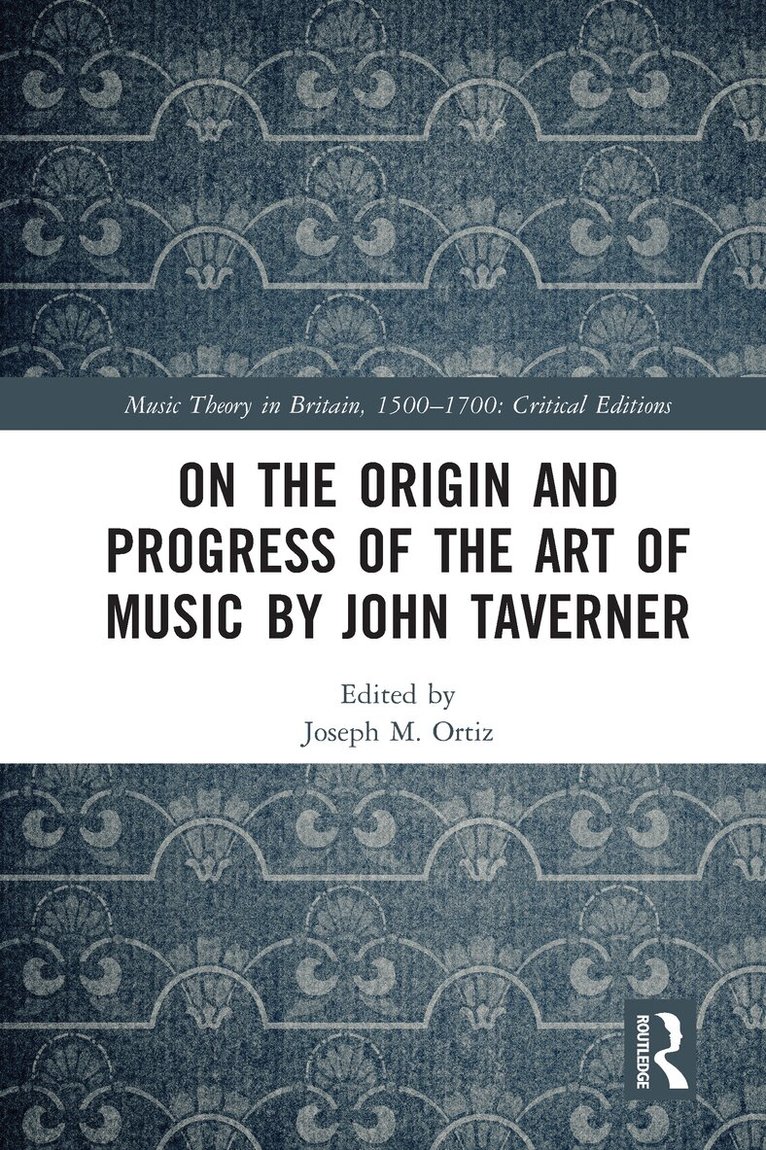
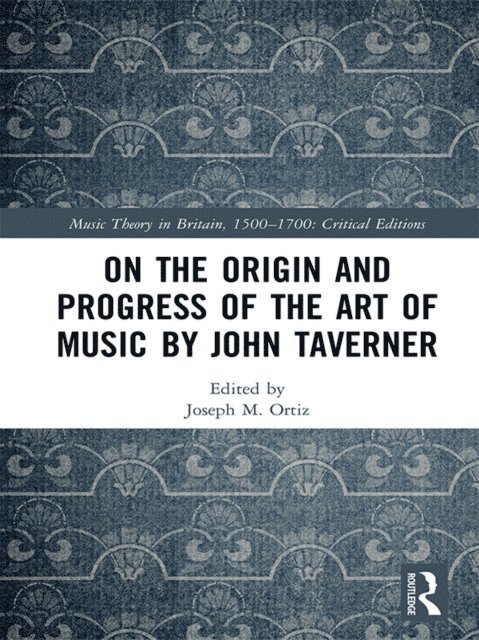
John Taverner’s lectures on music constitute the only extant version of a complete university course in music in early modern England. Originally composed in 1611 in both English and Latin, they were delivered at Gresham College in London between 1611 and 1638, and it is likely that Taverner intended at some point to publish the lectures in the form of a music treatise. The lectures, which Taverner collectively titled De Ortu et Progressu Artis Musicæ ("On the Origin and Progress of the Art of Music"), represent a clear attempt to ground musical education in humanist study, particularly in Latin and Greek philology. Taverner’s reliance on classical and humanist writers attests to the durability of music’s association with rhetoric and philology, an approach to music that is too often assigned to early Tudor England. Taverner is also a noteworthy player in the seventeenth-century Protestant debates over music, explicitly defending music against Reformist polemicists who see music as an overly sensuous activity.In this first published edition of Taverner’s musical writings, Joseph M. Ortiz comprehensively introduces, edits, and annotates the text of the lectures, and an appendix contains the existing Latin version of Taverner’s text. By shedding light on a neglected figure in English Renaissance music history, this edition is a significant contribution to the study of musical thought in Renaissance England, humanism, Protestant Reformism, and the history of education.
838 kr
Skickas inom 10-15 vardagar
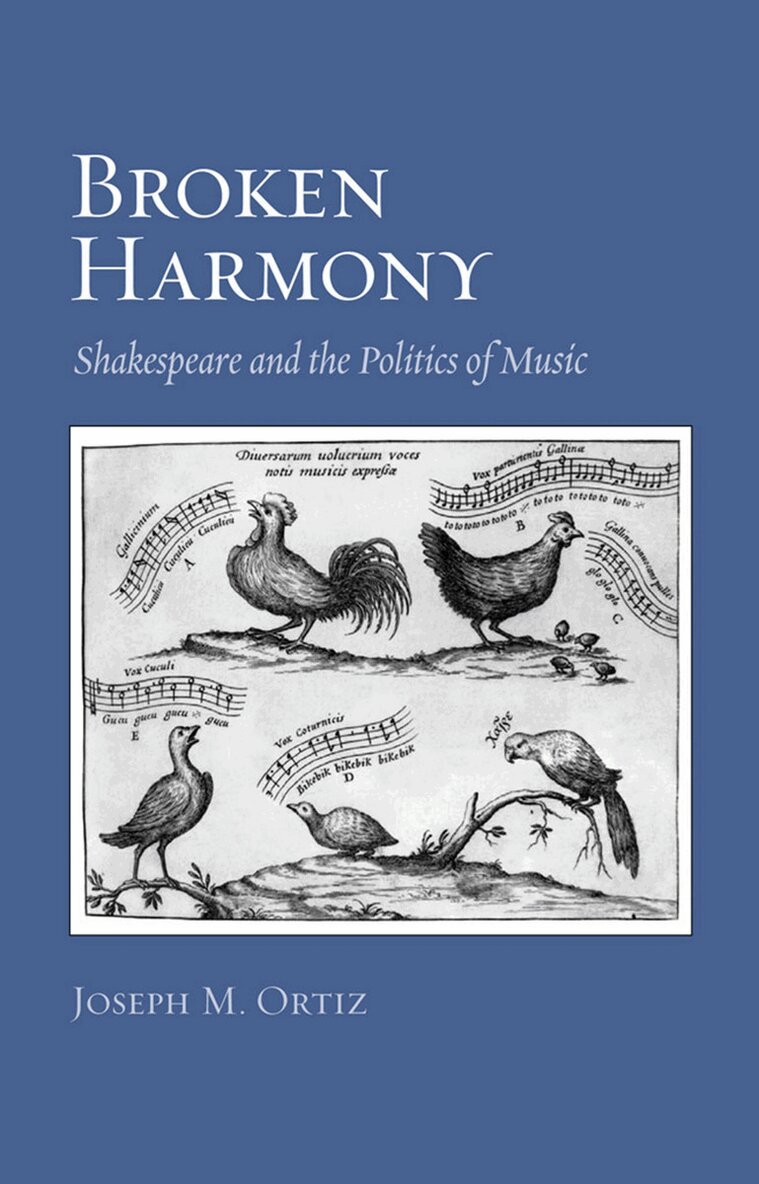
Music was a subject of considerable debate during the Renaissance. The notion that music could be interpreted in a meaningful way clashed regularly with evidence that music was in fact profoundly promiscuous in its application and effects. Subsequently, much writing in the period reflects a desire to ward off music's illegibility rather than come to terms with its actual effects. In Broken Harmony Joseph M. Ortiz revises our understanding of music's relationship to language in Renaissance England. In the process he shows the degree to which discussions of music were ideologically and politically charged. Offering a historically nuanced account of the early modern debate over music, along with close readings of several of Shakespeare's plays (including Titus Andronicus, The Merchant of Venice, The Tempest, and The Winter's Tale) and Milton's A Maske, Ortiz challenges the consensus that music's affinity with poetry was widely accepted, or even desired, by Renaissance poets. Shakespeare more than any other early modern poet exposed the fault lines in the debate about music's function in art, repeatedly staging disruptive scenes of music that expose an underlying struggle between textual and sensuous authorities. Such musical interventions in textual experiences highlight the significance of sound as an aesthetic and sensory experience independent of any narrative function.
945 kr
Skickas inom 10-15 vardagar
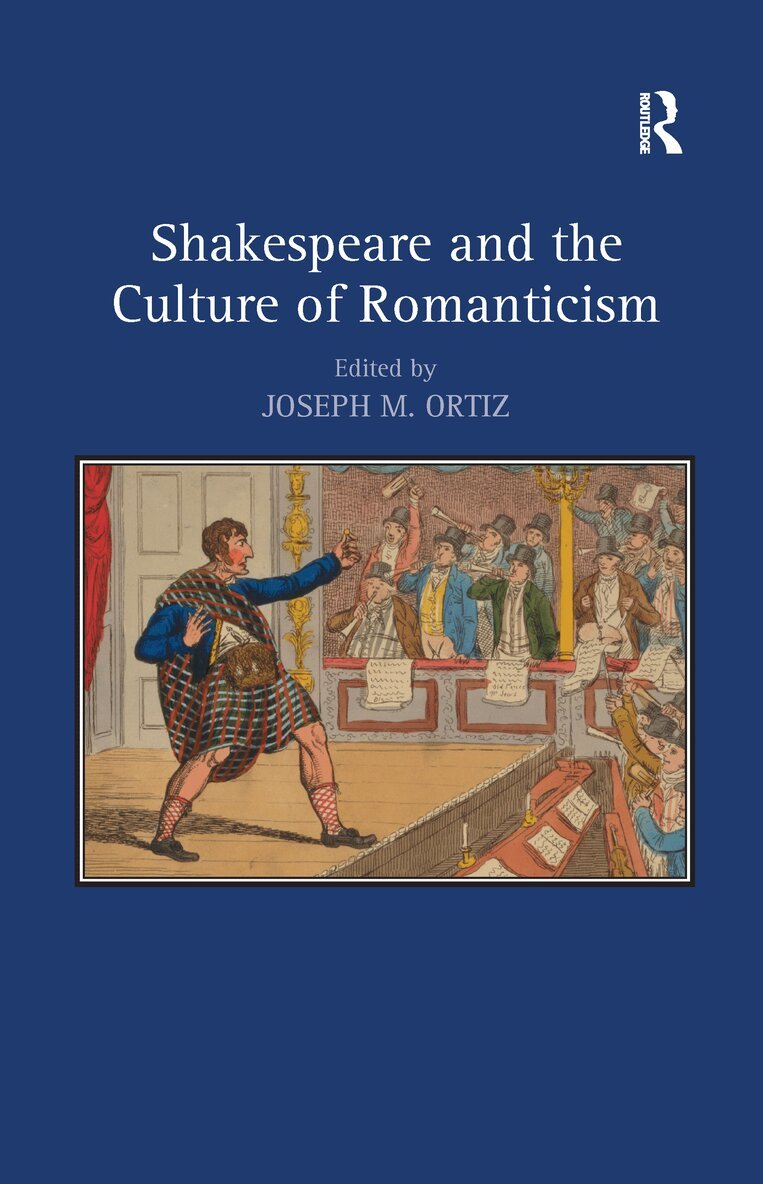
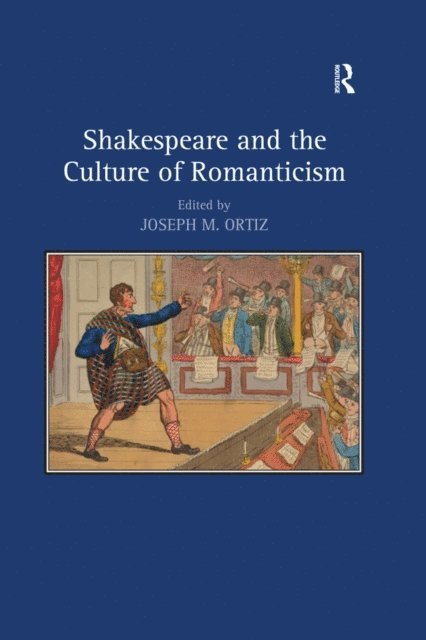
The idea of Shakespearean genius and sublimity is usually understood to be a product of the Romantic period, promulgated by poets such as Coleridge and Byron who promoted Shakespeare as the supreme example of literary genius and creative imagination. However, the picture looks very different when viewed from the perspective of the myriad theater directors, actors, poets, political philosophers, gallery owners, and other professionals in the nineteenth century who turned to Shakespeare to advance their own political, artistic, or commercial interests. Often, as in John Kemble’s staging of The Winter’s Tale at Drury Lane or John Boydell’s marketing of paintings in his Shakespeare Gallery, Shakespeare provided a literal platform on which both artists and entrepreneurs could strive to influence cultural tastes and points of view. At other times, Romantic writers found in Shakespeare’s works a set of rhetorical and theatrical tools through which to form their own public personae, both poetic and political. Women writers in particular often adapted Shakespeare to express their own political and social concerns. Taken together, all of these critical and aesthetic responses attest to the remarkable malleability of the Shakespearean corpus in the Romantic period. As the contributors show, Romantic writers of all persuasions”Whig and Tory, male and female, intellectual and commercial”found in Shakespeare a powerful medium through which to claim authority for their particular interests.
2 176 kr
Skickas inom 10-15 vardagar
John Taverner’s lectures on music constitute the only extant version of a complete university course in music in early modern England. Originally composed in 1611 in both English and Latin, they were delivered at Gresham College in London between 1611 and 1638, and it is likely that Taverner intended at some point to publish the lectures in the form of a music treatise. The lectures, which Taverner collectively titled De Ortu et Progressu Artis Musicæ ("On the Origin and Progress of the Art of Music"), represent a clear attempt to ground musical education in humanist study, particularly in Latin and Greek philology. Taverner’s reliance on classical and humanist writers attests to the durability of music’s association with rhetoric and philology, an approach to music that is too often assigned to early Tudor England. Taverner is also a noteworthy player in the seventeenth-century Protestant debates over music, explicitly defending music against Reformist polemicists who see music as an overly sensuous activity.In this first published edition of Taverner’s musical writings, Joseph M. Ortiz comprehensively introduces, edits, and annotates the text of the lectures, and an appendix contains the existing Latin version of Taverner’s text. By shedding light on a neglected figure in English Renaissance music history, this edition is a significant contribution to the study of musical thought in Renaissance England, humanism, Protestant Reformism, and the history of education.
2 664 kr
Skickas inom 10-15 vardagar
The idea of Shakespearean genius and sublimity is usually understood to be a product of the Romantic period, promulgated by poets such as Coleridge and Byron who promoted Shakespeare as the supreme example of literary genius and creative imagination. However, the picture looks very different when viewed from the perspective of the myriad theater directors, actors, poets, political philosophers, gallery owners, and other professionals in the nineteenth century who turned to Shakespeare to advance their own political, artistic, or commercial interests. Often, as in John Kemble’s staging of The Winter’s Tale at Drury Lane or John Boydell’s marketing of paintings in his Shakespeare Gallery, Shakespeare provided a literal platform on which both artists and entrepreneurs could strive to influence cultural tastes and points of view. At other times, Romantic writers found in Shakespeare’s works a set of rhetorical and theatrical tools through which to form their own public personae, both poetic and political. Women writers in particular often adapted Shakespeare to express their own political and social concerns. Taken together, all of these critical and aesthetic responses attest to the remarkable malleability of the Shakespearean corpus in the Romantic period. As the contributors show, Romantic writers of all persuasions”Whig and Tory, male and female, intellectual and commercial”found in Shakespeare a powerful medium through which to claim authority for their particular interests.
1 221 kr
Skickas inom 7-10 vardagar
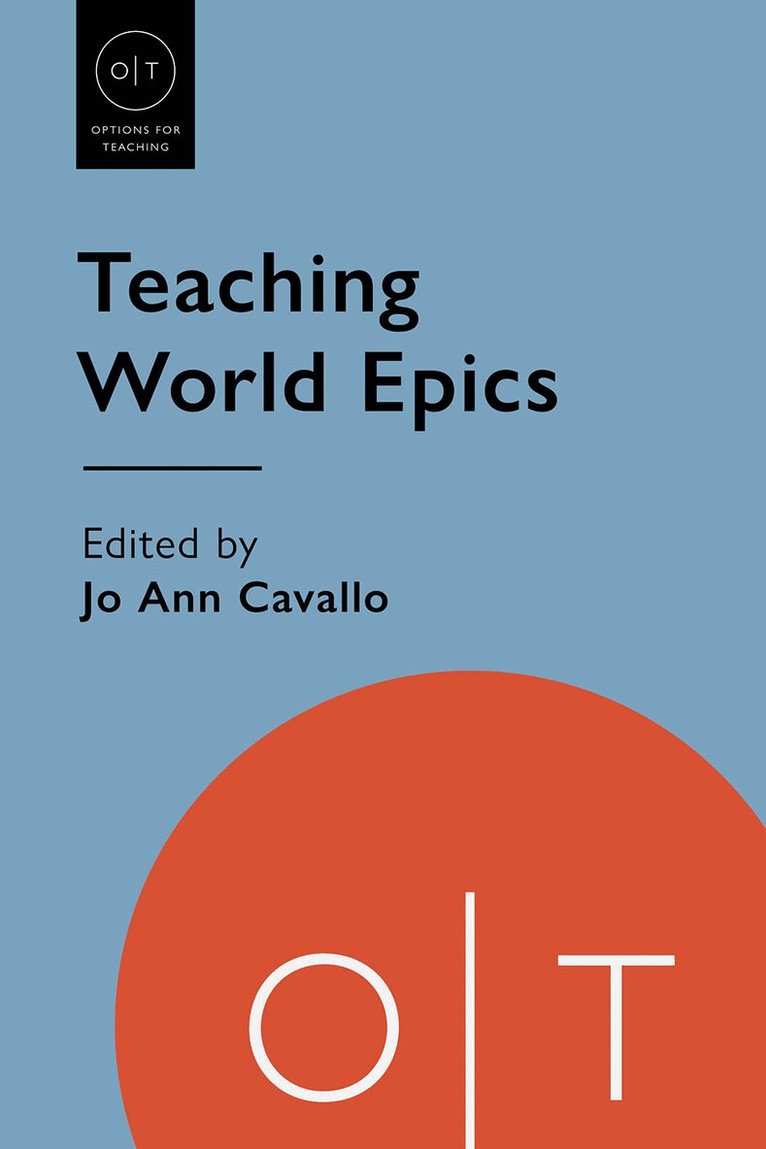
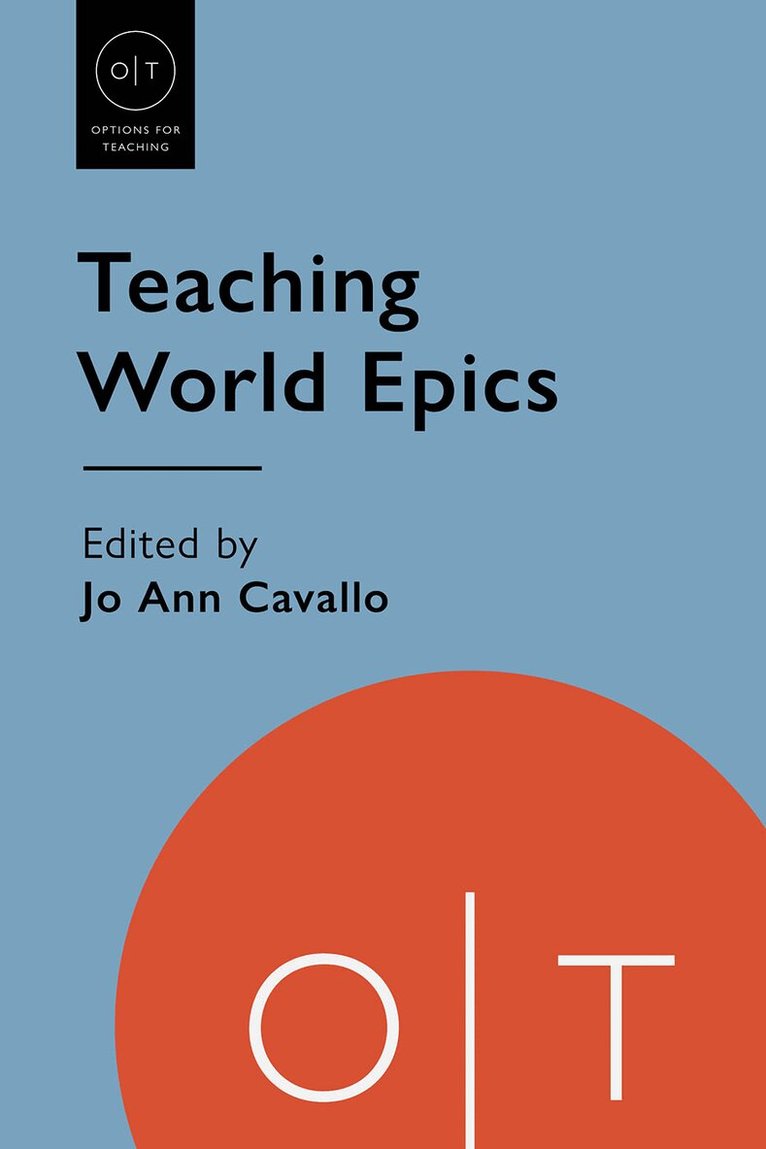
Essays for teaching ancient and recent epic narratives from around the world.Cultures across the globe have embraced epics: stories of memorable deeds by heroic characters whose actions have significant consequences for their lives and their communities. Incorporating narrative elements also found in sacred history, chronicle, saga, legend, romance, myth, folklore, and the novel, epics throughout history have both animated the imagination and encouraged reflection on what it means to be human. Teaching World Epics addresses ancient and more recent epic works from Africa, Europe, Mesoamerica, and East, Central, and South Asia that are available in English translations.Useful to instructors of literature, peace and conflict studies, transnational studies, women's studies, and religious studies, the essays in this volume focus on epics in sociopolitical and cultural contexts, on the adaptation and reception of epic works, and on themes that are especially relevant today, such as gender dynamics and politics, national identity, colonialism and imperialism, violence, and war.This volume includes discussion of Ludovico Ariosto's Orlando Furioso, Giulia Bigolina's Urania, The Book of Dede Korkut, Luis Vaz de Camões's Os Lusiadas, David of Sassoun, The Epic of Askia Mohammed, The Epic of Gilgamesh, the epic of Sun-Jata, Alonso de Ercilla y Zúñiga's La Araucana, Homer's Iliad and Odyssey, Kalevala, Kebra Nagast, Kudrun, The Legend of Poṉṉivaḷa Nadu, the Mahabharata, Manas, John Milton's Paradise Lost, Mwindo, the Nibelungenlied, Poema de mio Cid, Popol Wuj, the Ramayana, the Shahnameh, Sirat Bani Hilal, Edmund Spenser's The Faerie Queene, Statius's Thebaid, The Tale of the Heike, Three Kingdoms, Gaspar Pérez de Villagrá's Historia de la Nueva México, and Virgil's Aeneid.
493 kr
Skickas inom 7-10 vardagar
Essays for teaching ancient and recent epic narratives from around the world.Cultures across the globe have embraced epics: stories of memorable deeds by heroic characters whose actions have significant consequences for their lives and their communities. Incorporating narrative elements also found in sacred history, chronicle, saga, legend, romance, myth, folklore, and the novel, epics throughout history have both animated the imagination and encouraged reflection on what it means to be human. Teaching World Epics addresses ancient and more recent epic works from Africa, Europe, Mesoamerica, and East, Central, and South Asia that are available in English translations.Useful to instructors of literature, peace and conflict studies, transnational studies, women's studies, and religious studies, the essays in this volume focus on epics in sociopolitical and cultural contexts, on the adaptation and reception of epic works, and on themes that are especially relevant today, such as gender dynamics and politics, national identity, colonialism and imperialism, violence, and war.This volume includes discussion of Ludovico Ariosto's Orlando Furioso, Giulia Bigolina's Urania, The Book of Dede Korkut, Luis Vaz de Camões's Os Lusiadas, David of Sassoun, The Epic of Askia Mohammed, The Epic of Gilgamesh, the epic of Sun-Jata, Alonso de Ercilla y Zúñiga's La Araucana, Homer's Iliad and Odyssey, Kalevala, Kebra Nagast, Kudrun, The Legend of Poṉṉivaḷa Nadu, the Mahabharata, Manas, John Milton's Paradise Lost, Mwindo, the Nibelungenlied, Poema de mio Cid, Popol Wuj, the Ramayana, the Shahnameh, Sirat Bani Hilal, Edmund Spenser's The Faerie Queene, Statius's Thebaid, The Tale of the Heike, Three Kingdoms, Gaspar Pérez de Villagrá's Historia de la Nueva México, and Virgil's Aeneid.
929 kr
Skickas inom 7-10 vardagar
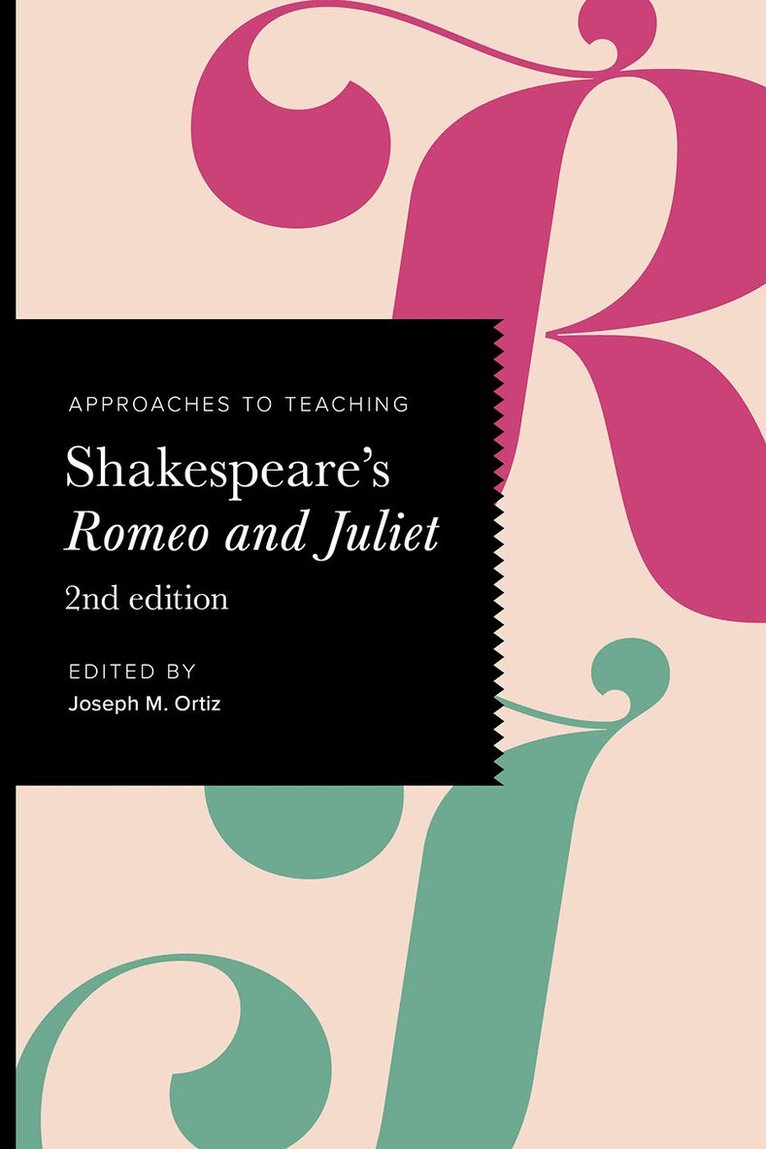
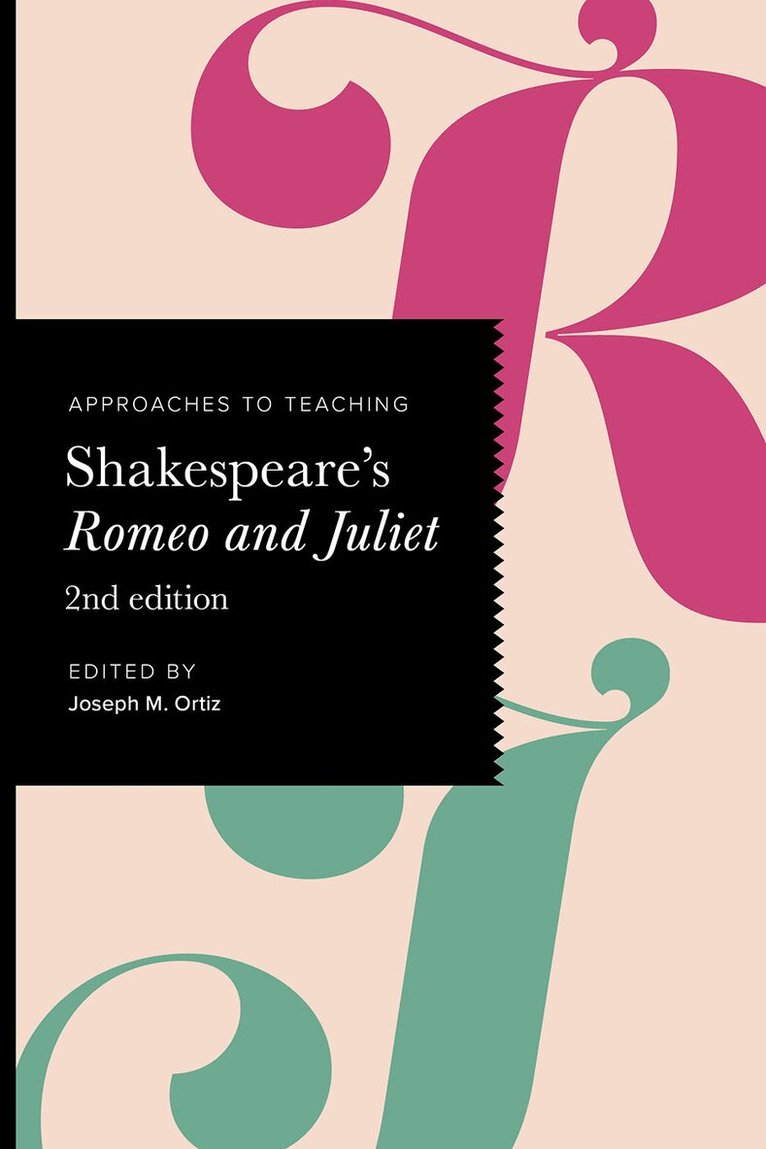
New approaches to teaching a familiar workBy the time they encounter Romeo and Juliet in the classroom, many students have already been exposed to various, and sometimes incongruous, manifestations of Shakespeare's work. This volume makes a virtue of students' familiarity with the preconceptions, anachronisms, and appropriations that shape experiences of the work, finding innovative pedagogical possibilities in the play's adaptations and in new technologies that spark students' creative responses. The essays cover a wide area of concerns, such as marriage, gender, queer perspectives, and girlhood, and contributors embrace different ways of understanding the play, such as through dance, editing, and acting. The final essays focus on decolonizing the text by foregrounding both the role of race and economic inequality in the play and the remarkable confluence of Romeo and Juliet and Hispanic culture. This volume discusses the following texts: Valeria Luiselli's "Shakespeare, New Mexico," James Lujan's Kino and Teresa, Guadalupe García McCall's Shame the Stars, Ovid's Metamorphoses, and Shakespeare's A Midsummer Night's Dream. Taylor Swift's song "Love Story" is discussed in the volume, as are the following films: Alan Brown's Private Romeo, Baz Luhrmann's William Shakespeare's Romeo + Juliet, Steven Spielberg's West Side Story, Carey Williams's R#J, Robert Wise and Jerome Robbins's West Side Story, and Franco Zeffirelli's Romeo and Juliet.
404 kr
Skickas inom 7-10 vardagar
New approaches to teaching a familiar workBy the time they encounter Romeo and Juliet in the classroom, many students have already been exposed to various, and sometimes incongruous, manifestations of Shakespeare's work. This volume makes a virtue of students' familiarity with the preconceptions, anachronisms, and appropriations that shape experiences of the work, finding innovative pedagogical possibilities in the play's adaptations and in new technologies that spark students' creative responses. The essays cover a wide area of concerns, such as marriage, gender, queer perspectives, and girlhood, and contributors embrace different ways of understanding the play, such as through dance, editing, and acting. The final essays focus on decolonizing the text by foregrounding both the role of race and economic inequality in the play and the remarkable confluence of Romeo and Juliet and Hispanic culture. This volume discusses the following texts: Valeria Luiselli's "Shakespeare, New Mexico," James Lujan's Kino and Teresa, Guadalupe García McCall's Shame the Stars, Ovid's Metamorphoses, and Shakespeare's A Midsummer Night's Dream. Taylor Swift's song "Love Story" is discussed in the volume, as are the following films: Alan Brown's Private Romeo, Baz Luhrmann's William Shakespeare's Romeo + Juliet, Steven Spielberg's West Side Story, Carey Williams's R#J, Robert Wise and Jerome Robbins's West Side Story, and Franco Zeffirelli's Romeo and Juliet.
1 425 kr
Skickas inom 10-15 vardagar
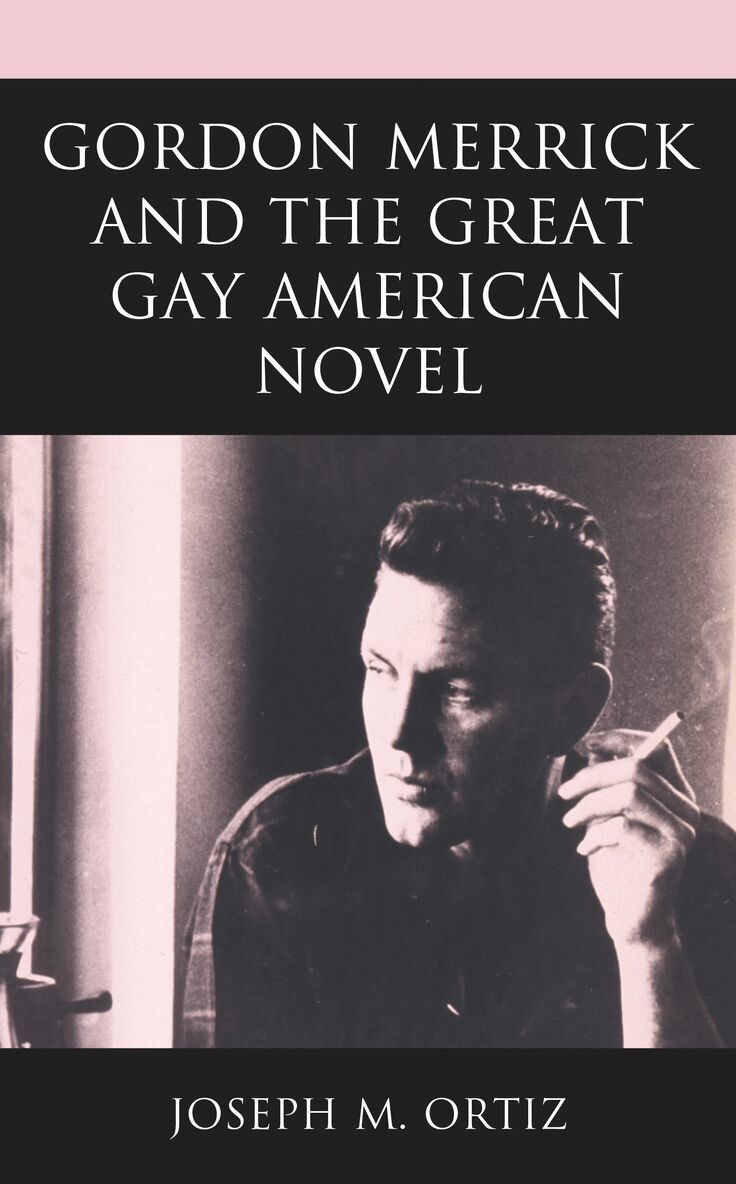
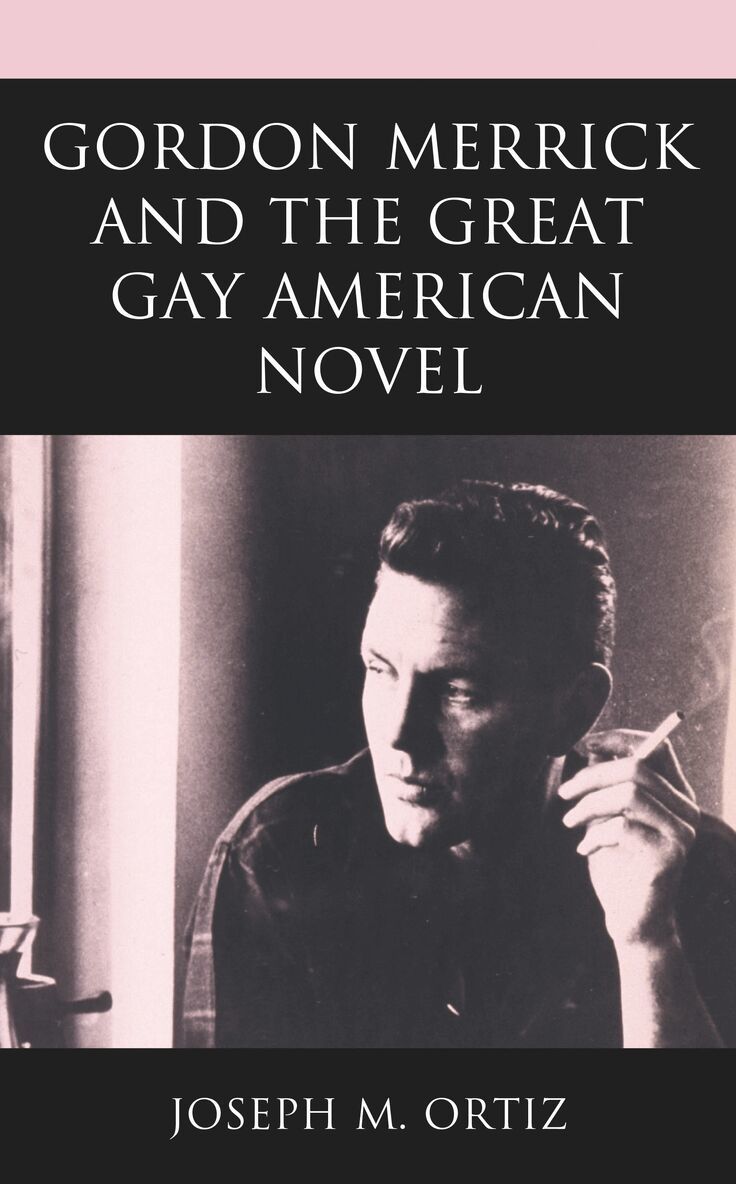
Gordon Merrick and the Great Gay American Novel is the first biography of Gordon Merrick, the most commercially successful writer of gay novels in the twentieth century. This book shows how Merrick’s novels were largely based on his own life and time as a Princeton theater star, a Broadway actor, a New York reporter, an OSS spy, and the friend of countless artists and celebrities as an expatriate in France, Greece, and Sri Lanka. He lived much of his life as an openly gay man with his longtime partner, Charles Hulse. His 1970 novel, The Lord Won’t Mind, broke new ground by showing that an affirming, explicitly gay novel could be a bestseller. His subsequent gay novels were both a cultural phenomenon and a lightning rod for literary critics. This book also examines the complex, often conflicting responses to Merrick’s novels by gay readers and critics, and it thus recovers the early post-Stonewall debates over the definition of “gay literature.” By reconstructing Merrick’s life and critical fortunes, this book expands our understanding of what it means to be a gay man in the twentieth century.
561 kr
Skickas inom 10-15 vardagar
Gordon Merrick and the Great Gay American Novel is the first biography of Gordon Merrick, the most commercially successful writer of gay novels in the twentieth century. This book shows how Merrick’s novels were largely based on his own life and time as a Princeton theater star, a Broadway actor, a New York reporter, an OSS spy, and the friend of countless artists and celebrities as an expatriate in France, Greece, and Sri Lanka. He lived much of his life as an openly gay man with his longtime partner, Charles Hulse. His 1970 novel, The Lord Won’t Mind, broke new ground by showing that an affirming, explicitly gay novel could be a bestseller. His subsequent gay novels were both a cultural phenomenon and a lightning rod for literary critics. This book also examines the complex, often conflicting responses to Merrick’s novels by gay readers and critics, and it thus recovers the early post-Stonewall debates over the definition of “gay literature.” By reconstructing Merrick’s life and critical fortunes, this book expands our understanding of what it means to be a gay man in the twentieth century.