Josine Blok - Böcker
Visar alla böcker från författaren Josine Blok. Handla med fri frakt och snabb leverans.
5 produkter
5 produkter
1 603 kr
Skickas
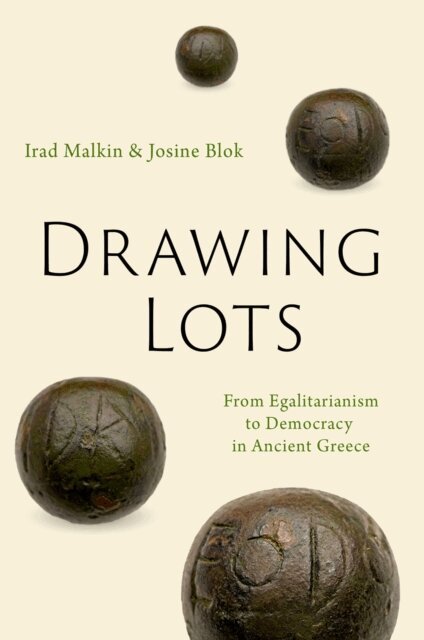
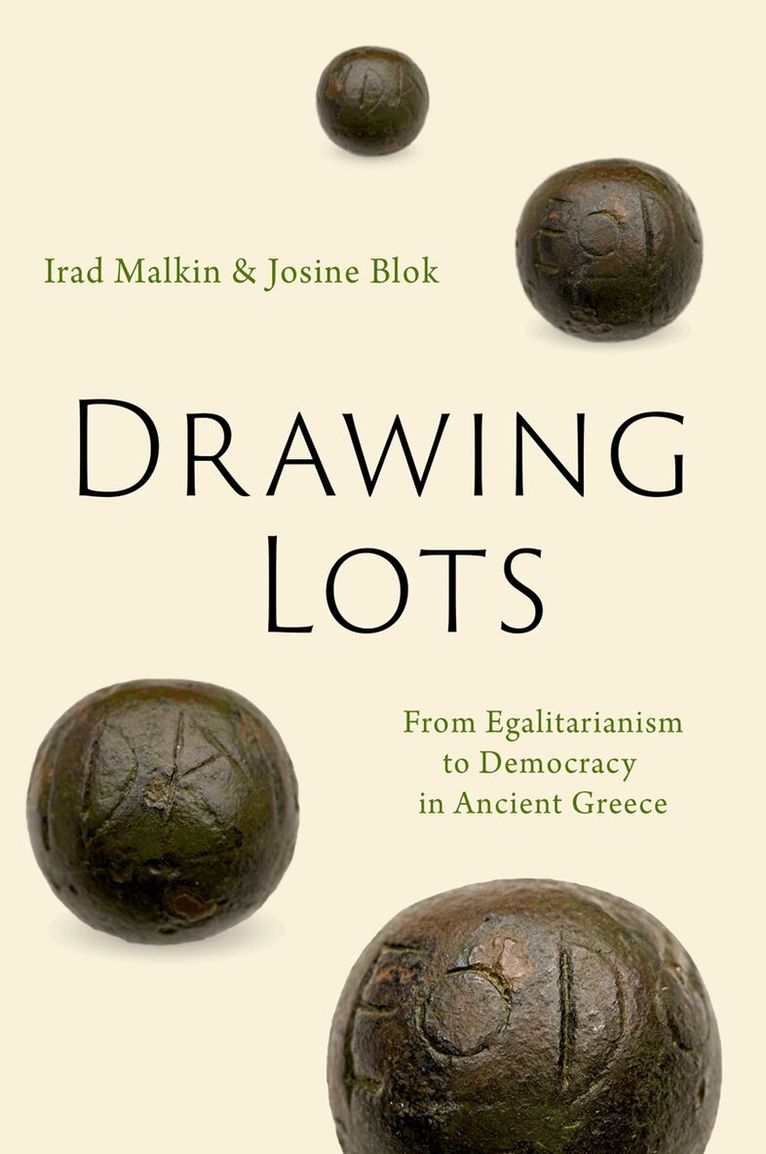
For the first time, this volume by two leading historians offers a comprehensive study of drawing lots as a central institution of ancient Greek society. Drawing lots expressed an egalitarian mindset that guided selection, procedure, and distribution by lot and was eventually introduced for polis governance, a Greek innovation that appears to be of increasing relevance today. The authors explore the egalitarian, "horizonal," mindset expressed in using the lot instead of a top-down vision of authority and sovereignty. Drawing lots presupposed equality among participants deserving equal "portions" and was used for distributing land, inheritance, booty, sacrificial meat, selecting individuals, setting turns, mixing and reorganizing groups, and divining the will of the gods. Lot-oracles were used for divination; otherwise, the gods guarded the justice of the procedure but only rarely determined the outcome. It was a self-evident method broadly and ubiquitously applied. Drawing lots would crystallize community boundaries and emphasize its sovereignty. The book further investigates the transposition of the drawing of lots to the governance of the polis. The implied egalitarianism of the lot often conflicted with top-down perceptions of society and the values of inequality, status, and merit. Drawing lots was introduced into oligarchies and democracies at an uneven pace and scale. Its wide use in the democracy of classical Athens was an exceptional case, eye-catching both in antiquity and today. The book concludes with a discussion about the meaning of the Greek examples for drawing lots today and the increasing interest in using random selection in politics as a possibility for modern democracies around the world. The appendix surveys the Greek vocabulary of lottery practices.
1 323 kr
Skickas inom 7-10 vardagar
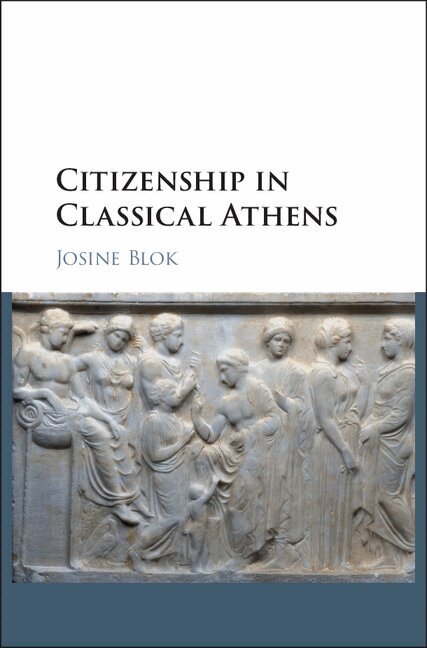
What did citizenship really mean in classical Athens? It is conventionally understood as characterised by holding political office. Since only men could do so, only they were considered to be citizens, and the community (polis) has appeared primarily as the scene of men's political actions. However, Athenian law defined citizens not by political office, but by descent. Religion was central to the polis and in this domain, women played prominent public roles. Both men and women were called 'citizens'. On a new reading of the evidence, Josine Blok argues that for the Athenians, their polis was founded on an enduring bond with the gods. Laws anchored the polis' commitments to humans and gods in this bond, transmitted over time to male and female Athenians as equal heirs. All public offices, in various ways and as befitting gender and age, served both the human community and the divine powers protecting Athens.
441 kr
Skickas inom 7-10 vardagar
What did citizenship really mean in classical Athens? It is conventionally understood as characterised by holding political office. Since only men could do so, only they were considered to be citizens, and the community (polis) has appeared primarily as the scene of men's political actions. However, Athenian law defined citizens not by political office, but by descent. Religion was central to the polis and in this domain, women played prominent public roles. Both men and women were called 'citizens'. On a new reading of the evidence, Josine Blok argues that for the Athenians, their polis was founded on an enduring bond with the gods. Laws anchored the polis' commitments to humans and gods in this bond, transmitted over time to male and female Athenians as equal heirs. All public offices, in various ways and as befitting gender and age, served both the human community and the divine powers protecting Athens.
776 kr
Skickas inom 5-8 vardagar
This volume offers a range of innovative approaches to Solon of Athens, legendary law-giver, statesman, and poet of the early sixth century B.C. In the first part, Solon’s poetry is reconsidered against the background of oral poetics and other early Greek poetry. The connection between Solon’s alleged roles as poet and as politician is fundamentally questioned. Part two offers a reassessment of Solon’s laws based on a revision of the textual tradition and recent views on early Greek lawgiving. In part three, fresh scrutiny of the archeological and written evidence of archaic Greece results in new perspectives on the agricultural crisis and Solon’s role in the social and political developments of sixth-century Athens.Originally published in hardcover
Del 414 - Mnemosyne, Supplements, History and Archaeology of Classical Antiquity
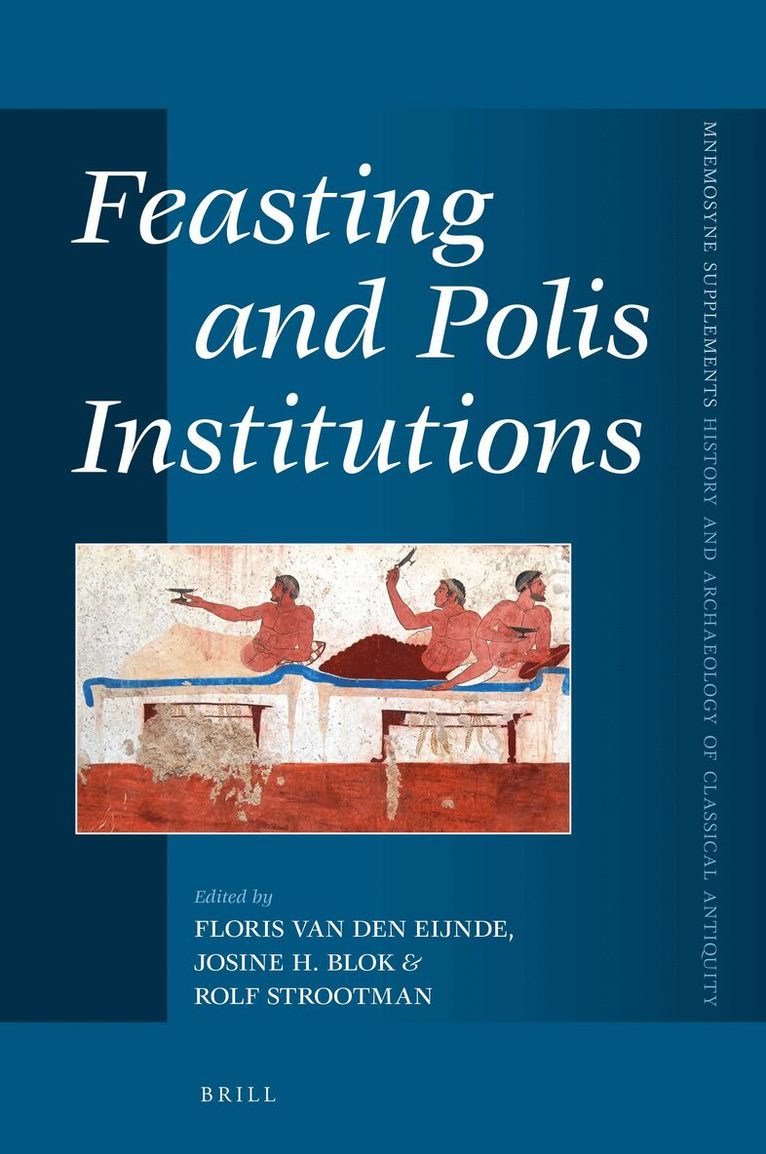
Feasting and Polis Institutions
Inbunden, Engelska, 2018
2 248 kr
Skickas inom 5-8 vardagar
Feasting and commensality formed the backbone of social life in the polis, the most characteristic and enduring form of political organization in the ancient Greek world. Exploring a wide array of commensal practices, Feasting and Polis Institutions reveals how feasts defined the religious and political institutions of the Greek citizen-state.Taking the reader from the Early Iron Age to the Imperial Period, this volume launches an essential inquiry into Greek power relations. Focusing on the myriad of patronage roles at the feast and making use of a wide variety of methodologies and primary sources, including archaeology, epigraphy and literature, Feasting and Polis Institutions argues that in ancient Greece political interaction could never be complete until it was consummated in a festive context.