Jossianna Arroyo – författare
Visar alla böcker från författaren Jossianna Arroyo. Handla med fri frakt och snabb leverans.
6 produkter
6 produkter
1 062 kr
Skickas inom 10-15 vardagar
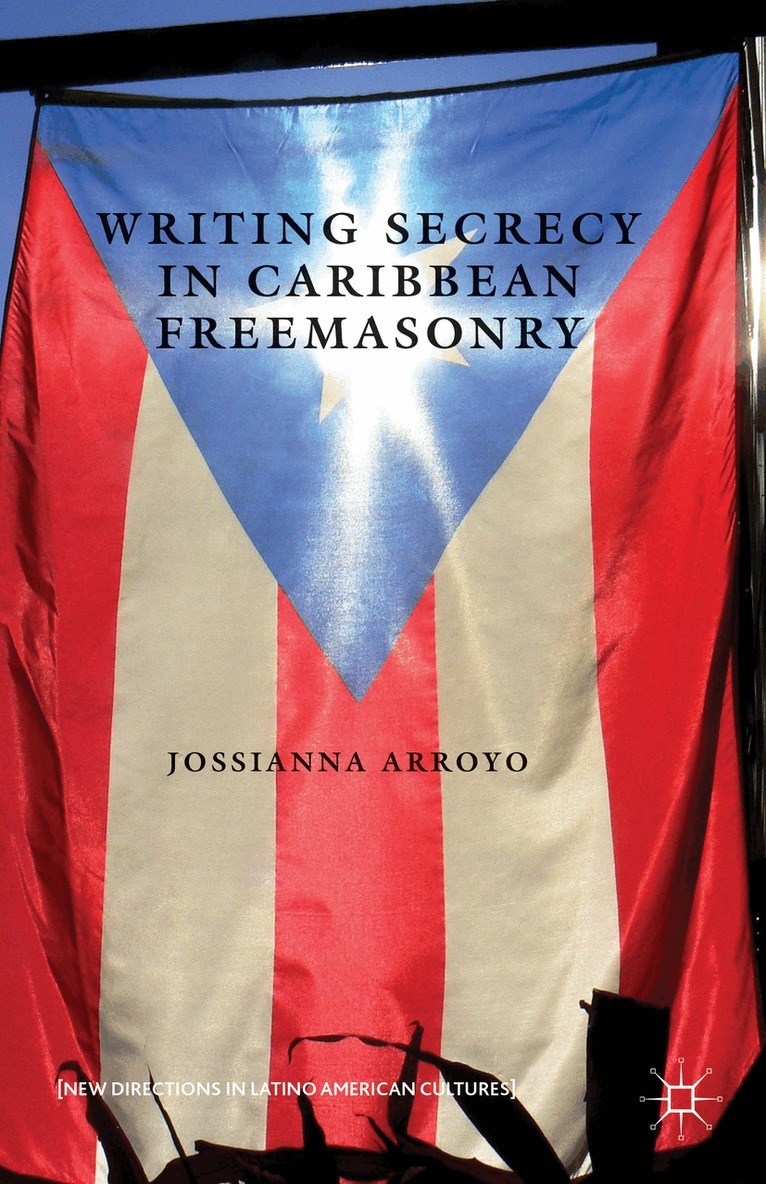
Addressing the transnational relationships of Freemasonry, politics, and culture in the field of Latin American and Caribbean literatures and cultures, Writing Secrecy provides insight into Pan-Caribbean, transnational and diasporic formations of these Masonic lodges and their influences on political and cultural discourses in the Americas.
918 kr
Skickas inom 10-15 vardagar
Addressing the transnational relationships of Freemasonry, politics, and culture in the field of Latin American and Caribbean literatures and cultures, Writing Secrecy provides insight into Pan-Caribbean, transnational and diasporic formations of these Masonic lodges and their influences on political and cultural discourses in the Americas.
661 kr
Skickas inom 7-10 vardagar
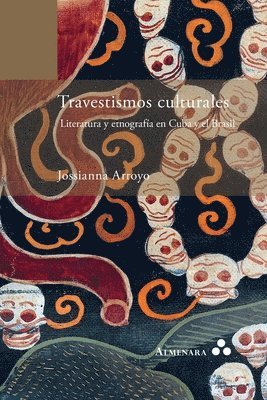
Este trabajo es una reflexión sobre los nuevos debates críticos sobre el lugar del cuerpo como el espacio donde se cruzan ideologías políticas, poderes sociales y definiciones sobre la identidad en la posmodernidad latinoamericana. Las ‘políticas de identidad’ se ven aquí como una forma discursiva más eficaz para entender las transformaciones de las culturas contemporáneas. Los discursos de raza, género y sexualidad son muy útiles para explicar los problemas que plantea el ‘sujeto posmoderno latinoamericano’.Aquí, se analizan y deconstruyen estas narrativas culturales homogeneizantes, su creación de un imaginario nacional y su representación del sujeto de la escritura. Con ese propósito este trabajo quiere trazar un mapa que describa desde la etnografía y la sociología cubana y brasileña, las visiones culturales que construyeron la nación como organismo. En esta lectura, el cuerpo del otro, en especial las poblaciones negras, se convierte en una parte integral del discurso nacional. Esta integración plantea problemas de la representación racial, sexual y de género de ese cuerpo forzando al sujeto a llevar varias máscaras lo cual implica un cierto transvestismo cultural, al identificarse con el otro, unirse con el otro y perderse en él.~This work is a reflection on the new critical debates on the place of the body as the space where political ideologies, social powers and definitions of identity intersect in Latin American postmodernity. Hence, 'Identity politics' become a more effective discursive way to understand the transformations of contemporary cultures. The discourses of race, gender and sexuality are very useful to explain the problems posed by the 'Latin American postmodern subject'.Here, these homogenising cultural narratives, their creation of a national imaginary, and their representation of the subject are analysed and deconstructed. With this purpose, this work wants to draw a map that describes, from a Cuban and Brazilian ethnography and sociology, the cultural visions that built the nation as an organism. In this book, the body of the other, especially black populations, becomes an integral part of the national discourse. This integration raises problems in the racial, sexual and gender representation of that body, forcing the subject to wear various masks, which implies a certain cultural transvestism, by identifying with the other, uniting with the other and getting lost in it.
347 kr
Skickas inom 7-10 vardagar
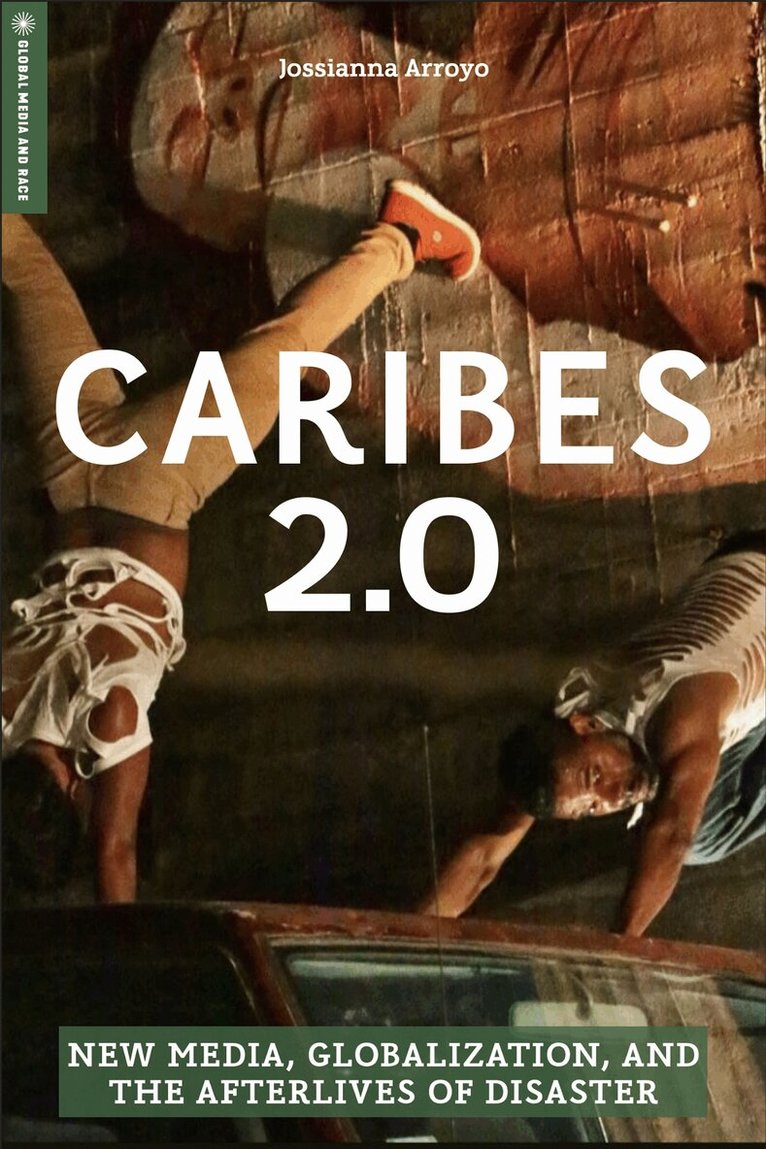
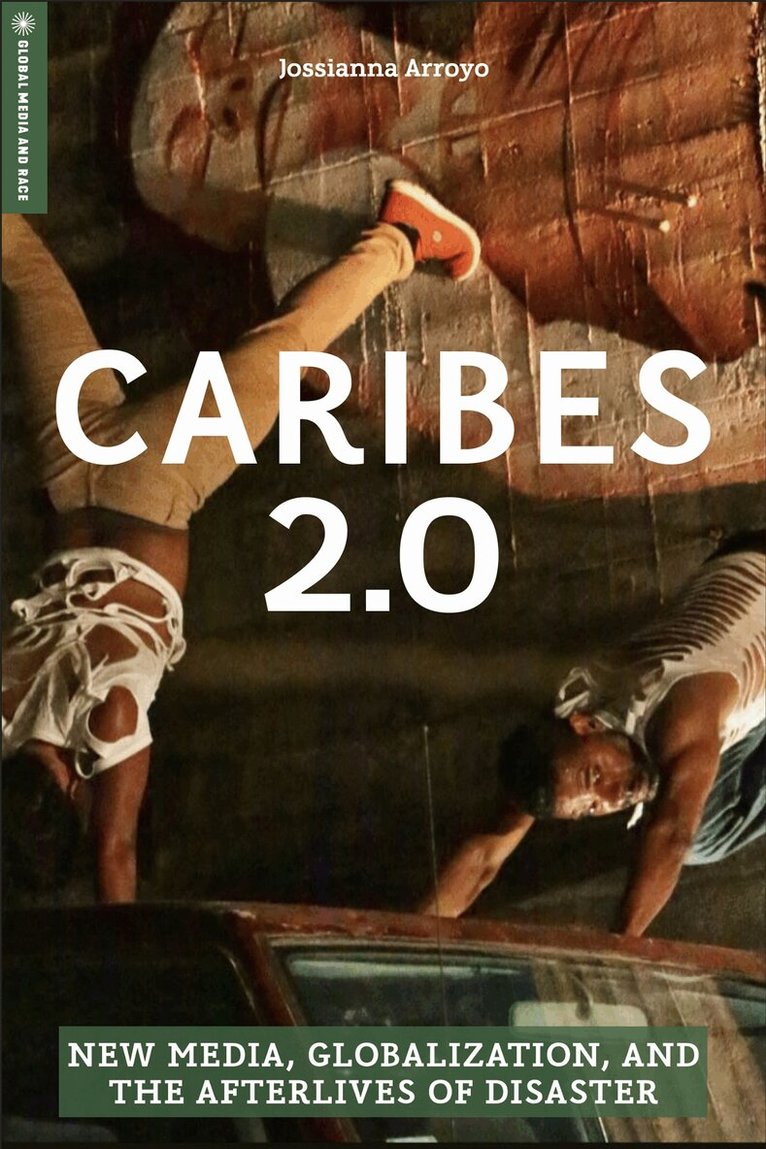
In Caribes 2.0, author Jossianna Arroyo looks at the Caribbean mediasphere in the twenty-first century. Arroyo argues that we have seen a return to tropes such as blackface, brownface, cultural and ethnic stereotypes, and violent representations of the poor, the marginalized, and the racialized. Caribes 2.0 looks at these tropes as well as the work of writers, vloggers, performers, and photographers that have become media figures or have used new media platforms to promote their work and examines how they are challenging and negotiating these media representations. It analyzes contemporary Caribbean cultures to discuss, taste, guides, and actions (social and virtual) that shape Caribbean global communities today. Departing from Edouard Glissant's insight that "Caribbean reality might not be accessed by remote control" the book considers what types of political and social agencies are created by mediation. Caribes 2.0 deviates from these historical-globalized views of subjected, colonized Caribbean bodies, and their material conditions, to examine the relationship between the local and the global in contemporary Caribbean cultures, and the role that media is playing in the invisibility or hyper-visibilty of Caribbean cultures in the islands and the U.S. diaspora.
1 636 kr
Skickas inom 7-10 vardagar
In Caribes 2.0, author Jossianna Arroyo looks at the Caribbean mediasphere in the twenty-first century. Arroyo argues that we have seen a return to tropes such as blackface, brownface, cultural and ethnic stereotypes, and violent representations of the poor, the marginalized, and the racialized. Caribes 2.0 looks at these tropes as well as the work of writers, vloggers, performers, and photographers that have become media figures or have used new media platforms to promote their work and examines how they are challenging and negotiating these media representations. It analyzes contemporary Caribbean cultures to discuss, taste, guides, and actions (social and virtual) that shape Caribbean global communities today. Departing from Edouard Glissant's insight that "Caribbean reality might not be accessed by remote control" the book considers what types of political and social agencies are created by mediation. Caribes 2.0 deviates from these historical-globalized views of subjected, colonized Caribbean bodies, and their material conditions, to examine the relationship between the local and the global in contemporary Caribbean cultures, and the role that media is playing in the invisibility or hyper-visibilty of Caribbean cultures in the islands and the U.S. diaspora.
716 kr
Skickas inom 3-6 vardagar