Juan Carlos Moreno Garcia – författare
Visar alla böcker från författaren Juan Carlos Moreno Garcia. Handla med fri frakt och snabb leverans.
10 produkter
Monarchies and the Organization of Power
Ancient Egypt and Babylonia Compared (2100-1750 BC)
Av Seth Richardson, Juan Carlos Moreno Garcia
E-bok, 2025
286 kr
Lägg i varukorg
Power and Regions in Ancient States
An Egyptian and Mesoamerican Perspective
Av Juan Carlos Moreno Garcia, Gary M. Feinman
E-bok, 2022
303 kr
Lägg i varukorg
The aim of the Element is to provide a comprehensive comparison of the basic organization of power in Mesoamerica and Egypt. How power emerged and was exercised, how it reproduced itself, how social units (from households to cities) became integrated into political formation and how these …
State in Ancient Egypt
Power, Challenges and Dynamics
Av Juan Carlos Moreno Garcia, Richard Hodges
Häftad, 2019
386 kr
Lägg i varukorg
This book presents a new analysis of the organization, structure and changes of the pharaonic state through three millennia of its history. Moreno García sheds new light on this topic by bringing to bear recent developments in state theory and archaeology, especially comparative study of the …
State in Ancient Egypt
Power, Challenges and Dynamics
Av Juan Carlos Moreno Garcia, Richard Hodges
Inbunden, 2019
1246 kr
Lägg i varukorg
This book presents a new analysis of the organization, structure and changes of the pharaonic state through three millennia of its history. Moreno García sheds new light on this topic by bringing to bear recent developments in state theory and archaeology, especially comparative study of the …
State in Ancient Egypt
Power, Challenges and Dynamics
E-bok, 2019
418 kr
Lägg i varukorg
This book presents a new analysis of the organization, structure and changes of the pharaonic state through three millennia of its history. Moreno García sheds new light on this topic by bringing to bear recent developments in state theory and archaeology, especially comparative study of the …
State in Ancient Egypt
Power, Challenges and Dynamics
E-bok, 2019
418 kr
Lägg i varukorg
This book presents a new analysis of the organization, structure and changes of the pharaonic state through three millennia of its history. Moreno García sheds new light on this topic by bringing to bear recent developments in state theory and archaeology, especially comparative study of the …
Dynamics of Production in the Ancient Near East
E-bok, 2021
126 kr
Lägg i varukorg
The transition between the 2nd and the 1st millennium BC was an era of deep economic changes in the ancient Near East. An increasing monetization of transactions, a broader use of silver, the management of the resources of temples through “entrepreneurs”, the development of new trade circuits and …
Ancient Egyptian Administration
Inbunden, 2013
5452 kr
Lägg i varukorg
Ancient Egyptian Administration provides the first comprehensive overview of the structure, organization and evolution of the pharaonic administration from its origins to the end of the Late Period. The book not only focuses on bureaucracy, departments, and official practices but also on more …
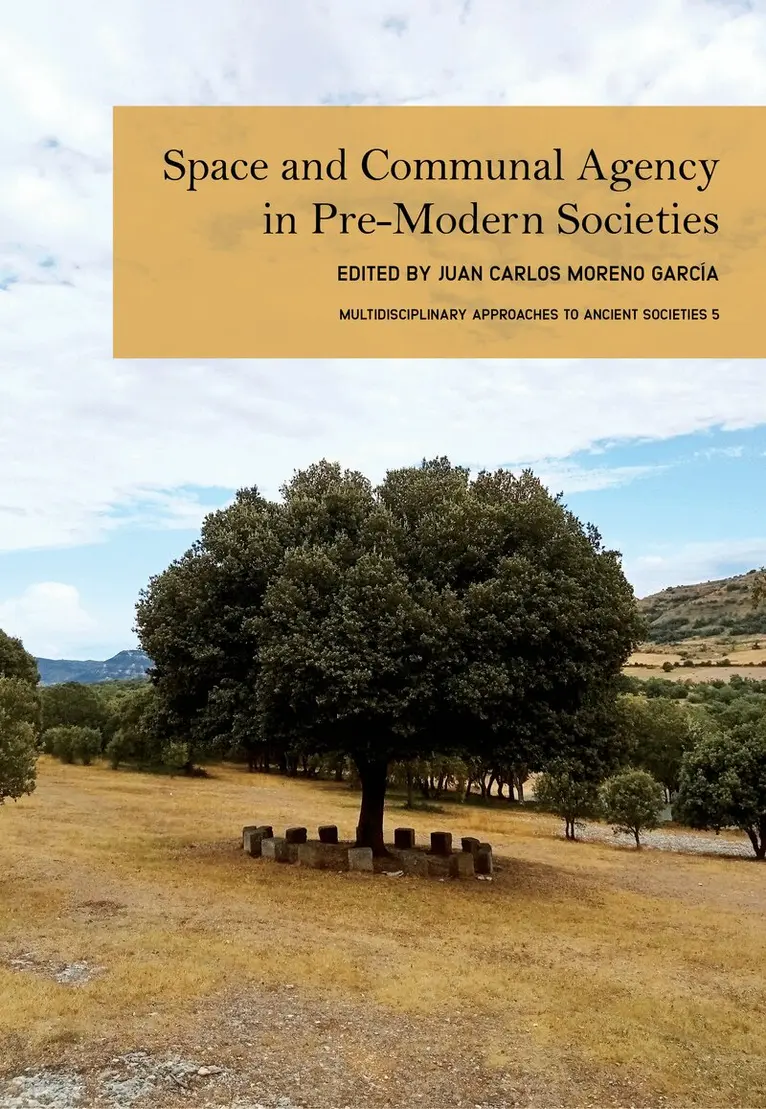
Space and Communal Agency in Pre-Modern Societies
Inbunden, 2025
863 kr
Lägg i varukorg
Monumental spaces were fundamental in the construction of power, political order and community identities in the ancient and pre-modern world. It was for this reason that authorities invested heavily in the construction of ideal landscapes of power that embodied the basic representation about what …
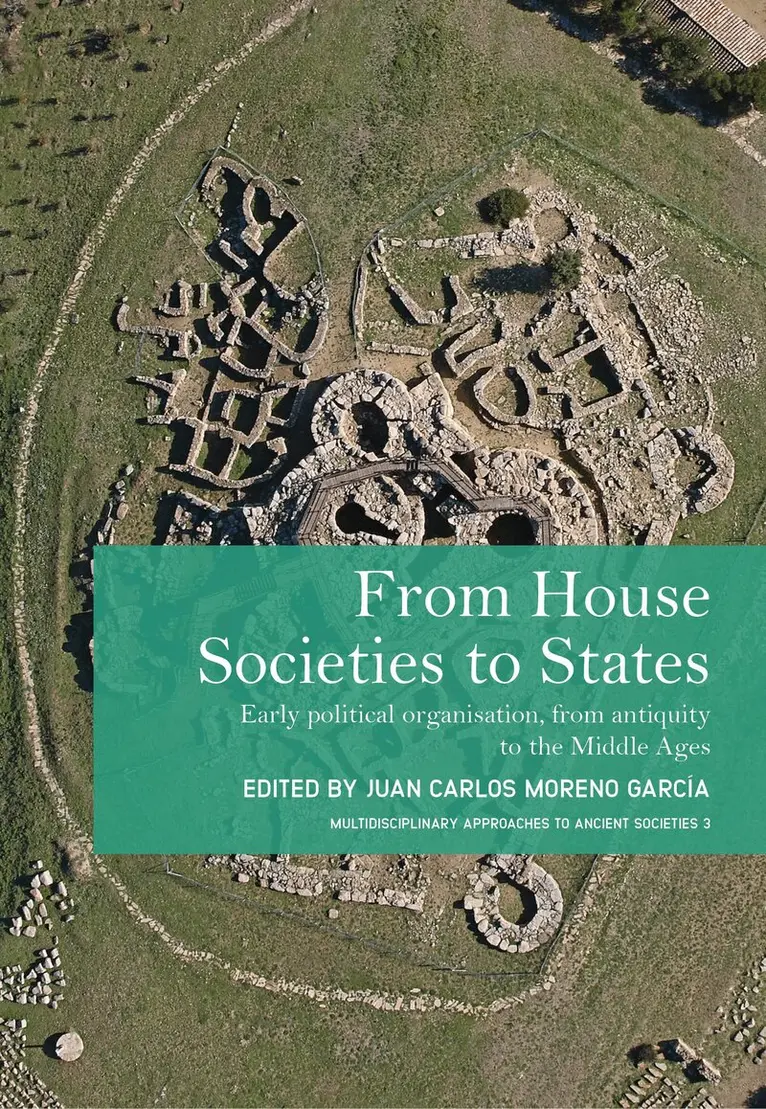
From House Societies to States
Early Political Organisation, From Antiquity to the Middle Ages
Inbunden, 2022
792 kr
Tillfälligt slut
The organisation and characteristics of early and ancient states have become the focus of a renewed interest from archaeologists, ancient historians and anthropologists in recent years. On the one hand, neo-evolutionary schemas of political transformation find it difficult to define some of their …