Julie Lund - Böcker
Visar alla böcker från författaren Julie Lund. Handla med fri frakt och snabb leverans.
3 produkter
3 produkter
375 kr
Skickas inom 7-10 vardagar
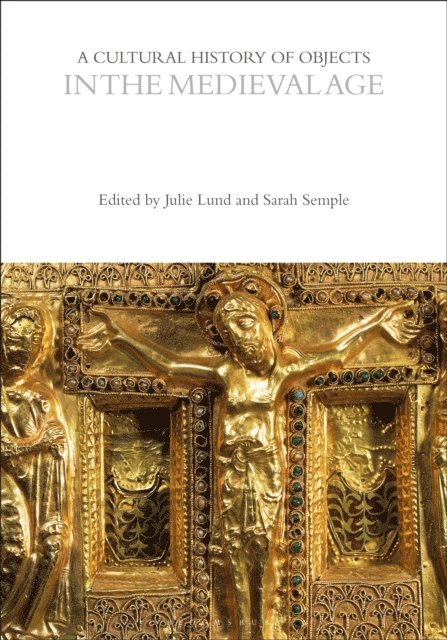
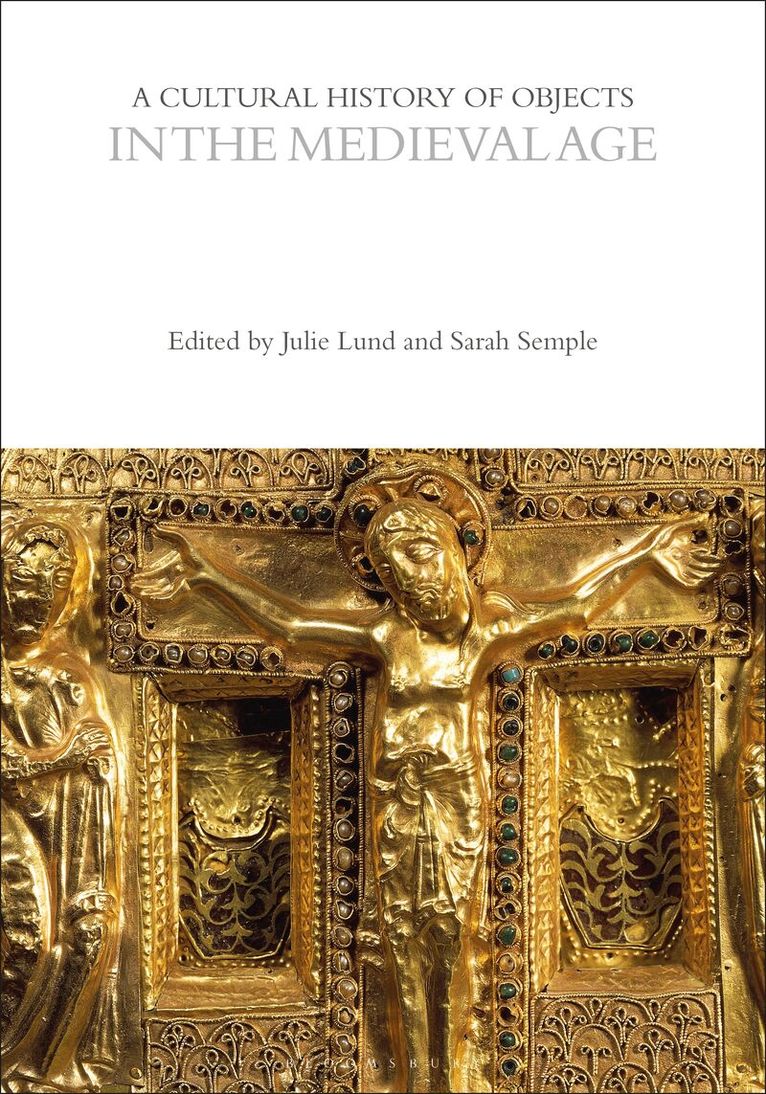
A Cultural History of Objects in the Medieval Age covers the period 500 to 1400, examining the creation, use and understanding of human-made objects and their consequences and impacts. The power and agency of objects significantly evolved over this time. Exploring objects and artefacts within art, technology, and everyday life, the volume challenges our understanding of both life worlds and object worlds in medieval society.The 6 volume set of the Cultural History of Objects examines how objects have been created, used, interpreted and set loose in the world over the last 2500 years. Over this time, the West has developed particular attitudes to the material world, at the centre of which is the idea of the object. The themes covered in each volume are objecthood; technology; economic objects; everyday objects; art; architecture; bodily objects; object worlds.Julie Lund is Professor at the University of Oslo, Norway. Sarah Semple is Professor at Durham University, UK.Volume 2 in the Cultural History of Objects set.General Editors: Dan Hicks and William Whyte
Time and temporality in the Viking Age
An Archaeology of Reuse, Remembering, and Relations to the Past in the Past in Scandinavia, 750-1050 CE
Häftad, Engelska, 2026
685 kr
Kommande
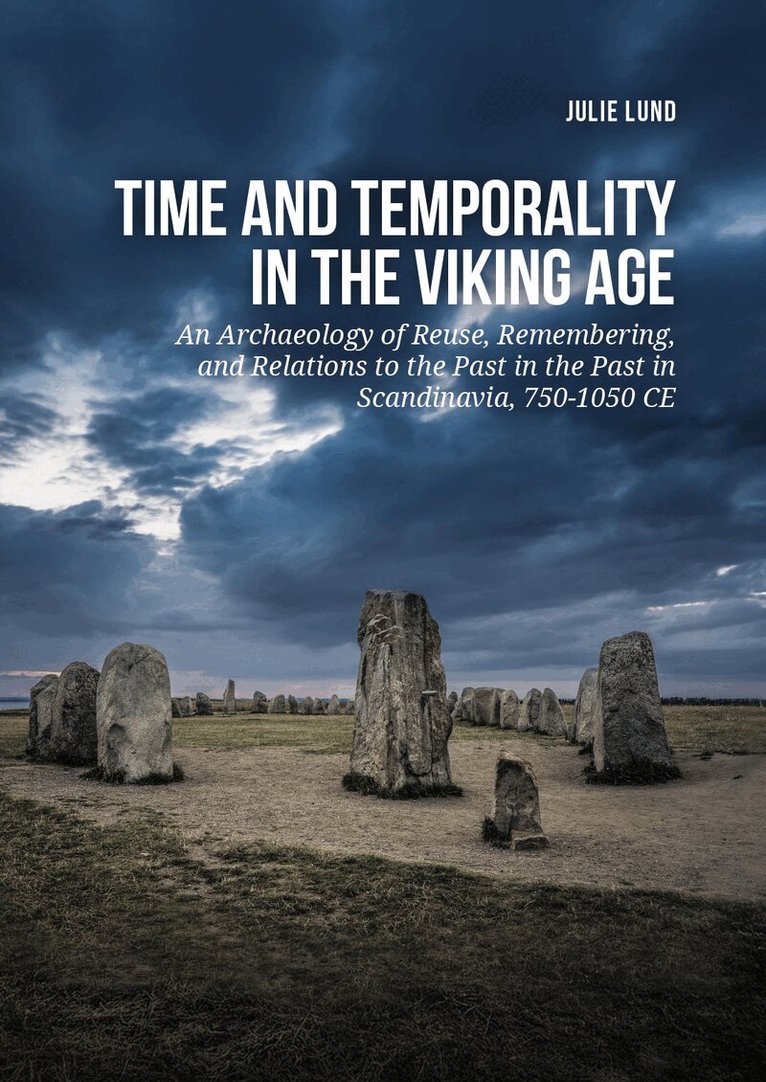
This publication reveals intricate relationships between the Viking Age and its pasts. The book explores previous studies of the past in the past and their theoretical foundations, drawing on relationality, materiality, and affectivity as productive ways of moving the field forward.Three case studies examine the use of the past in the raising of ship settings in the Viking Age, the presence of antiquities and references to the past in Viking Age hoards, and the use of kerbstones as references to a specific past. Furthermore, it explores the relationship between social memory and reuse in the past. It demonstrates how active engagement with the past was integral to social identities and self-perceptions.The analyses of the archaeological record point to some of the mechanisms through which the past was appropriated, altered, and integrated into Viking Age practices. The analysis underscores the political dimensions of memory, challenging established preconceptions of reuse as automatically being conducted to legitimise power relations. The study thus provides a nuanced lens through which to examine how Viking Age inhabitants conceptualised and utilised their temporal realities. By recognising the relational nature of pasts and their materials, the publication re-evaluates Viking Age society, underlining the relevance of collective memory in shaping identity and social relations across temporal boundaries. More than anything, it shows how uses of the past were varied and diverse practices in Viking Age society.
Time and temporality in the Viking Age
An Archaeology of Reuse, Remembering, and Relations to the Past in the Past in Scandinavia, 750-1050 CE
Inbunden, Engelska, 2026
1 287 kr
Kommande
This publication reveals intricate relationships between the Viking Age and its pasts. The book explores previous studies of the past in the past and their theoretical foundations, drawing on relationality, materiality, and affectivity as productive ways of moving the field forward.Three case studies examine the use of the past in the raising of ship settings in the Viking Age, the presence of antiquities and references to the past in Viking Age hoards, and the use of kerbstones as references to a specific past. Furthermore, it explores the relationship between social memory and reuse in the past. It demonstrates how active engagement with the past was integral to social identities and self-perceptions.The analyses of the archaeological record point to some of the mechanisms through which the past was appropriated, altered, and integrated into Viking Age practices. The analysis underscores the political dimensions of memory, challenging established preconceptions of reuse as automatically being conducted to legitimise power relations. The study thus provides a nuanced lens through which to examine how Viking Age inhabitants conceptualised and utilised their temporal realities. By recognising the relational nature of pasts and their materials, the publication re-evaluates Viking Age society, underlining the relevance of collective memory in shaping identity and social relations across temporal boundaries. More than anything, it shows how uses of the past were varied and diverse practices in Viking Age society.