Justin Willis – författare
Visar alla böcker från författaren Justin Willis. Handla med fri frakt och snabb leverans.
6 produkter
Mombasa, the Swahili, and the Making of the Mijikenda
Inbunden, 1993
2231 kr
Lägg i varukorg
This is a history of the Kenyan city of Mombasa and its surrounding settlements from the mid-nineteenth century to the height of colonial rule in the 1930s. Justin Willis sets out to place the island and town of Mombasa in its African context, incorporating the findings of recent historical and …
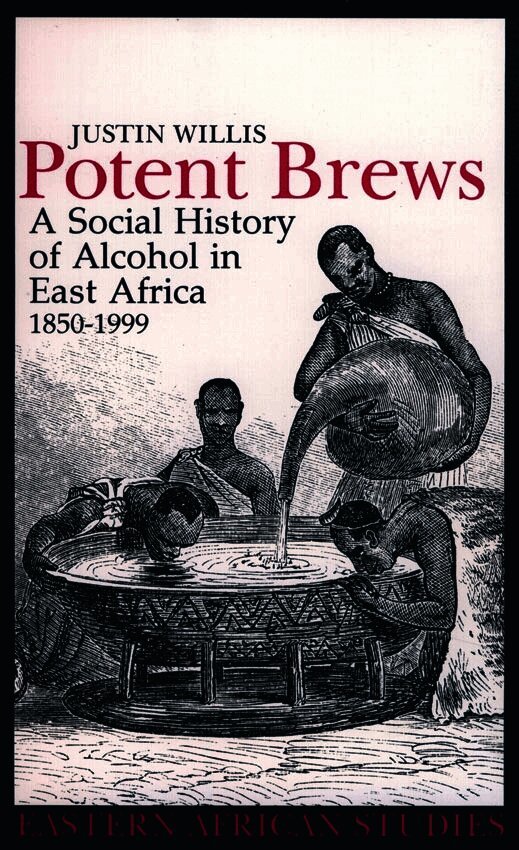
Potent Brews
A Social History of Alcohol in East Africa, 1850-1999
Häftad, 2002
370 kr
Lägg i varukorg
This is the first general history of alcohol and drinking in East Africa.Contributes to an emerging field of African social history in distinctive and innovative ways. Willis's central theme is power - from customary beliefs in alcohol as a symbol of authority and a means of enhancement and …
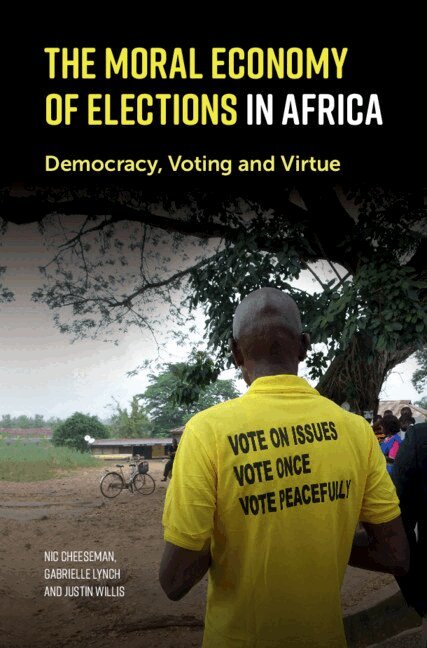
Moral Economy of Elections in Africa
Democracy, Voting and Virtue
Av Justin Willis, Gabrielle Lynch m. fl.
E-bok, 2021
543 kr
Lägg i varukorg
Do elections turn people into democratic citizens? Elections have long been seen as a way to foster democracy, development and security in Africa, with many hoping that the secret ballot would transform states. Adopting a new approach that focusses on the moral economy of elections, Nic Cheeseman, …
The Moral Economy of Elections in Africa
Democracy, Voting and Virtue
Av Nic Cheeseman, Gabrielle Lynch m. fl.
Häftad, 2021
557 kr
Lägg i varukorg
Do elections turn people into democratic citizens? Elections have long been seen as a way to foster democracy, development and security in Africa, with many hoping that the secret ballot would transform states. Adopting a new approach that focusses on the moral economy of elections, Nic Cheeseman, …
The Moral Economy of Elections in Africa
Democracy, Voting and Virtue
Av Nic Cheeseman, Gabrielle Lynch m. fl.
Inbunden, 2021
1710 kr
Lägg i varukorg
Do elections turn people into democratic citizens? Elections have long been seen as a way to foster democracy, development and security in Africa, with many hoping that the secret ballot would transform states. Adopting a new approach that focusses on the moral economy of elections, Nic Cheeseman, …
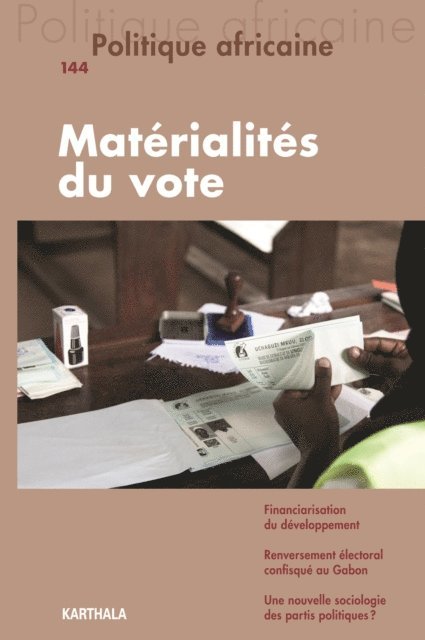
Politique africaine n°144 : Matérialités du vote
Av Justin Willis, Maris-Emmanuelle Pommerolle m. fl.
E-bok, 2017
295 kr
Lägg i varukorg
Dossier En période électorale, l’espace public est envahi d’objets. Posters, T-shirts, messages audio-visuels, manuels de l’électeur circulent aussi bien dans les rues que dans des espaces sociaux plus spécifiques (Églises, administrations, marchés…). De leur côté, les institutions électorales …