Gabrielle Lynch – författare
570 kr
Läs direkt efter köp
570 kr
Läs direkt efter köp
789 kr
Skickas inom 5-8 vardagar
2 246 kr
Skickas inom 5-8 vardagar
1 041 kr
Skickas inom 5-8 vardagar
313 kr
Skickas inom 5-8 vardagar
695 kr
Skickas inom 10-15 vardagar
2 184 kr
Skickas inom 10-15 vardagar
695 kr
Skickas inom 10-15 vardagar
520 kr
Läs direkt efter köp
429 kr
Skickas inom 7-10 vardagar
1 406 kr
Skickas inom 7-10 vardagar
895 kr
Skickas inom 7-10 vardagar
370 kr
Skickas inom 7-10 vardagar
443 kr
Läs direkt efter köp
443 kr
Läs direkt efter köp
824 kr
Läs direkt efter köp
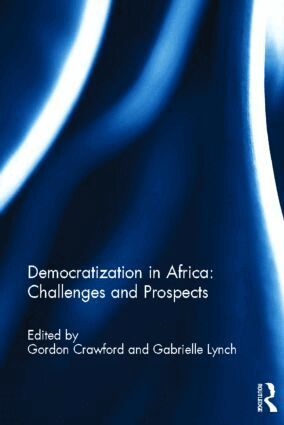
It is two decades since the ‘third wave’ of democratization began to roll across sub-Saharan Africa in the early 1990s. This book provides a very timely investigation into the progress and setbacks over that period, the challenges that remain and the prospects for future democratization in Africa. It commences with an overall assessment of the (lack of) progress made from 1990 to 2010, exploring positive developments with reasons for caution. Based on original research, subsequent contributions examine various themes through country case-studies, inclusive of: the routinisation of elections, accompanied by democratic rollback and the rise of hybrid regimes; the tenacity of presidential powers; the dilemmas of power-sharing; ethnic voting and rise of a violent politics of belonging; the role of ‘donors’ and the ambiguities of ‘democracy promotion’. Overall, the book concludes that steps forward remain greater than reversals and that typically, though not universally, sub-Saharan African countries are more democratic today than in the late 1980s. Nonetheless, the book also calls for more meaningful processes of democratization that aim not only at securing civil and political rights, but also socio-economic rights and the physical security of African citizens.
This book was originally published as a special issue of Democratization
824 kr
Läs direkt efter köp
It is two decades since the ‘third wave’ of democratization began to roll across sub-Saharan Africa in the early 1990s. This book provides a very timely investigation into the progress and setbacks over that period, the challenges that remain and the prospects for future democratization in Africa. It commences with an overall assessment of the (lack of) progress made from 1990 to 2010, exploring positive developments with reasons for caution. Based on original research, subsequent contributions examine various themes through country case-studies, inclusive of: the routinisation of elections, accompanied by democratic rollback and the rise of hybrid regimes; the tenacity of presidential powers; the dilemmas of power-sharing; ethnic voting and rise of a violent politics of belonging; the role of ‘donors’ and the ambiguities of ‘democracy promotion’. Overall, the book concludes that steps forward remain greater than reversals and that typically, though not universally, sub-Saharan African countries are more democratic today than in the late 1980s. Nonetheless, the book also calls for more meaningful processes of democratization that aim not only at securing civil and political rights, but also socio-economic rights and the physical security of African citizens.
This book was originally published as a special issue of Democratization
3 308 kr
Skickas inom 10-15 vardagar
795 kr
Läs direkt efter köp
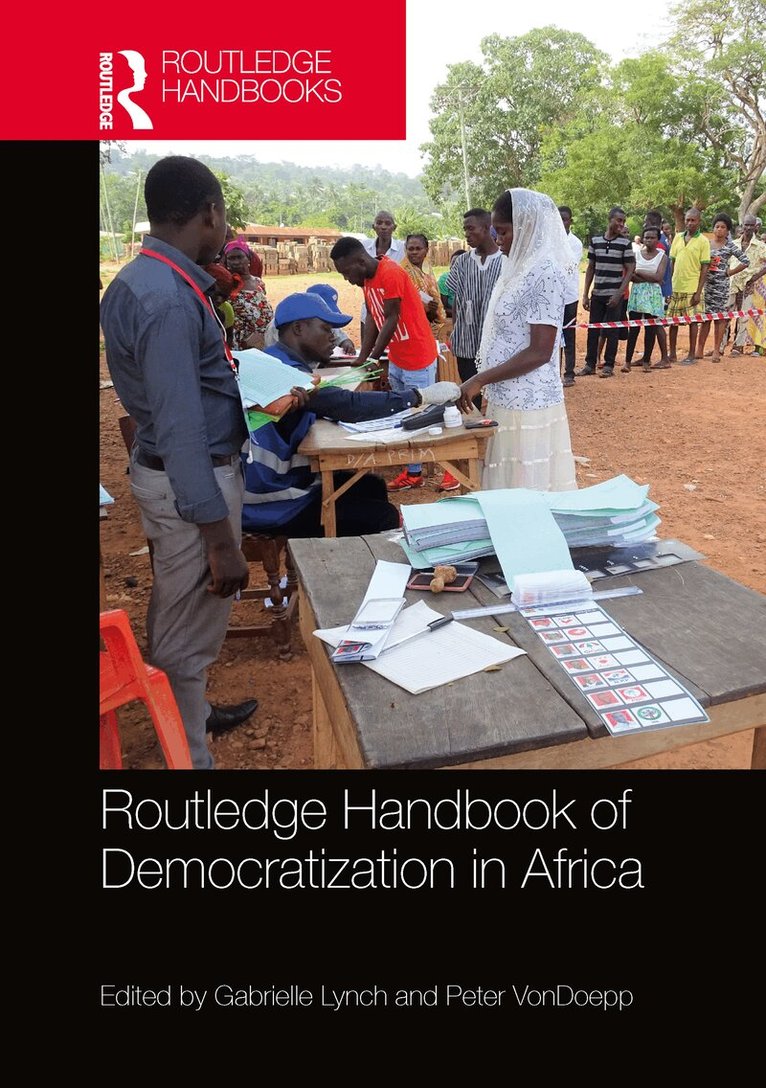
This volume explores the issues and debates surrounding the ongoing processes of democratization in sub-Saharan Africa, illuminating the central dynamics characterizing Africa’s democratic experiments, and considering the connections between democratization and economic, social, and cultural developments on the continent.
Reflecting the diverse and rich nature of this field of study, the Handbook of Democratization in Africa features more than thirty contributions structured into six thematic sections:
The politics and paths of regime development Institutional dynamics Political mobilization and voting dynamics The politics of identity Social forces from below The consequences of democracy.
Chapters offer overviews of the key scholarship on particular topics, including central insights from the latest research, and provide suggestions for those interested in further inquiry. The material includes attention to broad cross-continental patterns, for example with respect to public opinion, political violence, or the role of different institutions and actors. It also includes rich case material, drawing on and highlighting the experiences of a diverse collection of countries.
Encouraging a comprehensive view of key concerns and enhancing understanding of particular issues, the Handbook of Democratization in Africa represents a critical resource for experts and students of African politics, democratization, and African studies.
824 kr
Läs direkt efter köp
This volume explores the issues and debates surrounding the ongoing processes of democratization in sub-Saharan Africa, illuminating the central dynamics characterizing Africa’s democratic experiments, and considering the connections between democratization and economic, social, and cultural developments on the continent.
Reflecting the diverse and rich nature of this field of study, the Handbook of Democratization in Africa features more than thirty contributions structured into six thematic sections:
The politics and paths of regime development Institutional dynamics Political mobilization and voting dynamics The politics of identity Social forces from below The consequences of democracy.
Chapters offer overviews of the key scholarship on particular topics, including central insights from the latest research, and provide suggestions for those interested in further inquiry. The material includes attention to broad cross-continental patterns, for example with respect to public opinion, political violence, or the role of different institutions and actors. It also includes rich case material, drawing on and highlighting the experiences of a diverse collection of countries.
Encouraging a comprehensive view of key concerns and enhancing understanding of particular issues, the Handbook of Democratization in Africa represents a critical resource for experts and students of African politics, democratization, and African studies.