Gordon Crawford – författare
2 193 kr
Skickas inom 10-15 vardagar
2 264 kr
Skickas inom 10-15 vardagar
699 kr
Skickas inom 10-15 vardagar
925 kr
Läs direkt efter köp
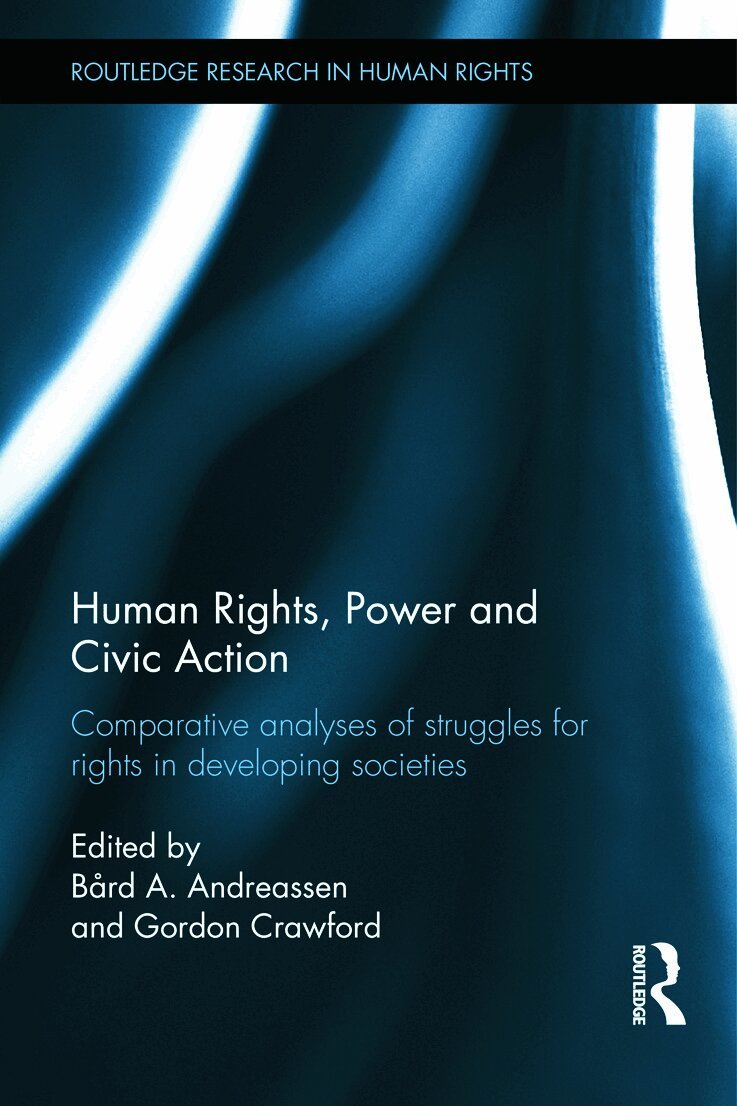
Human Rights, Power and Civic Action examines the interrelationship between struggles for human rights and the dynamics of power, focusing on situations of poverty and oppression in developing countries. It is argued that the concept of power is a relatively neglected one in the study of rights-based approaches to development, especially the ways in which structures and relations of power can limit human rights advocacy. Therefore this book focuses on how local and national struggles for rights have been constrained by power relations and structural inequalities, as well as the extent to which civic action has been able to challenge, alter or transform such power structures, and simultaneously to enhance protection of people’s basic human rights. Contributors examine and compare struggles to advance human rights by non-governmental actors in Cambodia, China, Ghana, Kenya, South Africa and Zimbabwe. The country case-studies analyse structures of power responsible for the negation and denial of human rights, as well as how rights-promoting organisations challenge such structures. Utilising a comparative approach, the book provides empirically grounded studies leading to new theoretical understanding of the interrelationships between human rights struggles, power and poverty reduction.
Human Rights, Power and Civic Action will be of interest to students and scholars of human rights politics, power, development, and governance.
925 kr
Läs direkt efter köp
Human Rights, Power and Civic Action examines the interrelationship between struggles for human rights and the dynamics of power, focusing on situations of poverty and oppression in developing countries. It is argued that the concept of power is a relatively neglected one in the study of rights-based approaches to development, especially the ways in which structures and relations of power can limit human rights advocacy. Therefore this book focuses on how local and national struggles for rights have been constrained by power relations and structural inequalities, as well as the extent to which civic action has been able to challenge, alter or transform such power structures, and simultaneously to enhance protection of people’s basic human rights. Contributors examine and compare struggles to advance human rights by non-governmental actors in Cambodia, China, Ghana, Kenya, South Africa and Zimbabwe. The country case-studies analyse structures of power responsible for the negation and denial of human rights, as well as how rights-promoting organisations challenge such structures. Utilising a comparative approach, the book provides empirically grounded studies leading to new theoretical understanding of the interrelationships between human rights struggles, power and poverty reduction.
Human Rights, Power and Civic Action will be of interest to students and scholars of human rights politics, power, development, and governance.
824 kr
Läs direkt efter köp
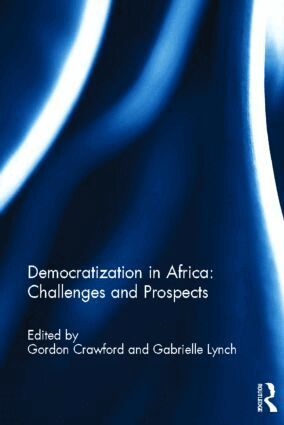
It is two decades since the ‘third wave’ of democratization began to roll across sub-Saharan Africa in the early 1990s. This book provides a very timely investigation into the progress and setbacks over that period, the challenges that remain and the prospects for future democratization in Africa. It commences with an overall assessment of the (lack of) progress made from 1990 to 2010, exploring positive developments with reasons for caution. Based on original research, subsequent contributions examine various themes through country case-studies, inclusive of: the routinisation of elections, accompanied by democratic rollback and the rise of hybrid regimes; the tenacity of presidential powers; the dilemmas of power-sharing; ethnic voting and rise of a violent politics of belonging; the role of ‘donors’ and the ambiguities of ‘democracy promotion’. Overall, the book concludes that steps forward remain greater than reversals and that typically, though not universally, sub-Saharan African countries are more democratic today than in the late 1980s. Nonetheless, the book also calls for more meaningful processes of democratization that aim not only at securing civil and political rights, but also socio-economic rights and the physical security of African citizens.
This book was originally published as a special issue of Democratization
824 kr
Läs direkt efter köp
It is two decades since the ‘third wave’ of democratization began to roll across sub-Saharan Africa in the early 1990s. This book provides a very timely investigation into the progress and setbacks over that period, the challenges that remain and the prospects for future democratization in Africa. It commences with an overall assessment of the (lack of) progress made from 1990 to 2010, exploring positive developments with reasons for caution. Based on original research, subsequent contributions examine various themes through country case-studies, inclusive of: the routinisation of elections, accompanied by democratic rollback and the rise of hybrid regimes; the tenacity of presidential powers; the dilemmas of power-sharing; ethnic voting and rise of a violent politics of belonging; the role of ‘donors’ and the ambiguities of ‘democracy promotion’. Overall, the book concludes that steps forward remain greater than reversals and that typically, though not universally, sub-Saharan African countries are more democratic today than in the late 1980s. Nonetheless, the book also calls for more meaningful processes of democratization that aim not only at securing civil and political rights, but also socio-economic rights and the physical security of African citizens.
This book was originally published as a special issue of Democratization
783 kr
Skickas inom 10-15 vardagar
2 705 kr
Skickas inom 3-6 vardagar
For experienced and inexperienced researchers and practitioners alike, this engaging book opens up new perspectives on conducting fieldwork in the Global South.
Following an inter-disciplinary and inter-generational approach, Understanding Global Development brings into dialogue reflections on fieldwork experiences by leading scholars along with accounts from early career researchers. Contributions are organised around six key issues:
Meaningful participation in fieldworkWorking in dangerous environmentsGendered experiences of fieldworkResearching elitesConducting fieldwork with marginalised peopleFieldwork in development practice.The experience-led discussion of each of the topics conveys a sense of what it actually feels like to be out in the field and provides readers with useful insights and practical advice. A relational framework highlights issues relating to power, identity and ethics in development fieldwork, and encourages reflection on how researcher engagement with the field shapes our understanding of global development.
1 507 kr
Skickas inom 3-6 vardagar
For experienced and inexperienced researchers and practitioners alike, this engaging book opens up new perspectives on conducting fieldwork in the Global South.
Following an inter-disciplinary and inter-generational approach, Understanding Global Development brings into dialogue reflections on fieldwork experiences by leading scholars along with accounts from early career researchers. Contributions are organised around six key issues:
Meaningful participation in fieldworkWorking in dangerous environmentsGendered experiences of fieldworkResearching elitesConducting fieldwork with marginalised peopleFieldwork in development practice.The experience-led discussion of each of the topics conveys a sense of what it actually feels like to be out in the field and provides readers with useful insights and practical advice. A relational framework highlights issues relating to power, identity and ethics in development fieldwork, and encourages reflection on how researcher engagement with the field shapes our understanding of global development.
633 kr
Läs direkt efter köp
For experienced and inexperienced researchers and practitioners alike, this engaging book opens up new perspectives on conducting fieldwork in the Global South.
Following an inter-disciplinary and inter-generational approach, Understanding Global Development brings into dialogue reflections on fieldwork experiences by leading scholars along with accounts from early career researchers. Contributions are organised around six key issues:
Meaningful participation in fieldwork Working in dangerous environments Gendered experiences of fieldwork Researching elites Conducting fieldwork with marginalised people Fieldwork in development practice.The experience-led discussion of each of the topics conveys a sense of what it actually feels like to be out in the field and provides readers with useful insights and practical advice. A relational framework highlights issues relating to power, identity and ethics in development fieldwork, and encourages reflection on how researcher engagement with the field shapes our understanding of global development.
606 kr
Kommande
4 255 kr
Skickas inom 5-8 vardagar
855 kr
Läs direkt efter köp
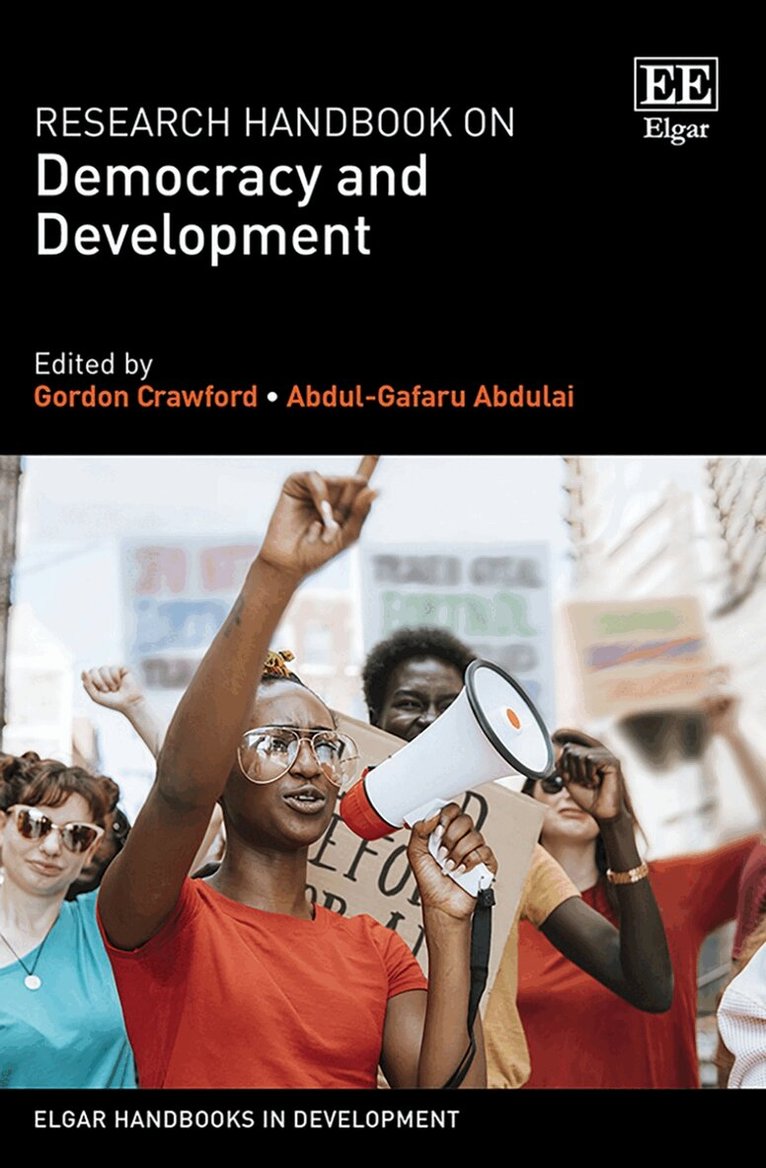
Analysing the relationship between political regime types, including varieties of democracies and autocracies, and broader development indicators, chapters cover economic growth, poverty and human development, inequality, corruption, conflict, human rights, and environmental sustainability. The Research Handbook examines longstanding and unresolved debates in the field over the past 60 years, as well as investigating contemporary issues of rising global inequalities, the resurgence of authoritarian populism, and the crisis of liberal democracy.
Thorough and invigorating, this will be an essential read for social science scholars and students, particularly those studying sociology, politics, economics and global development studies. Policy makers and government officials dealing with foreign affairs and international development will appreciate the detailed case studies the Research Handbook offers.