Karel Van Nieuwenhuyse - Böcker
Visar alla böcker från författaren Karel Van Nieuwenhuyse. Handla med fri frakt och snabb leverans.
3 produkter
3 produkter
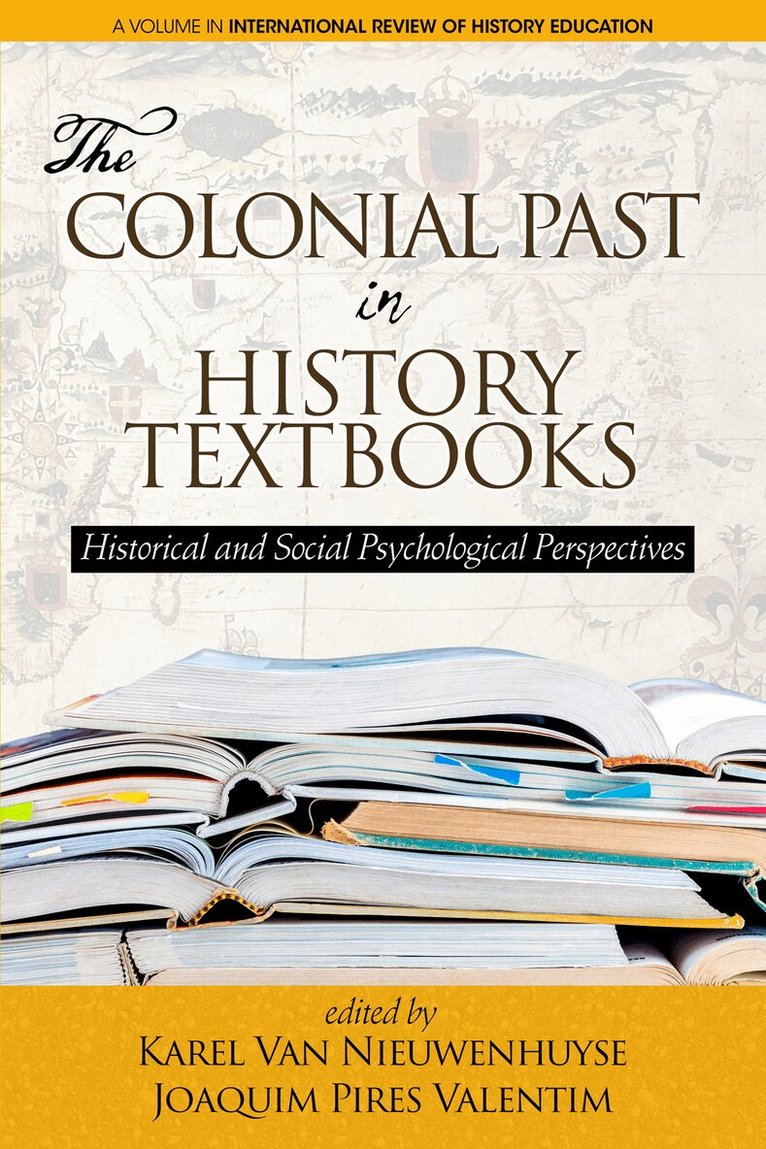
Colonial Past in History Textbooks - Historical and Social Psychological Perspectives
Häftad, Engelska, 2018
595 kr
Skickas inom 7-10 vardagar
This book examines the evolving representations of the colonial past from the mid-19th century up to decolonization in the 1960s and 70s - the so-called era of Modern Imperialism – in post-war history textbooks from across the world. The aim of the book is to examine the evolving outlook of colonial representations in history education and the underpinning explanations for the specific outlook in different – former colonizer and colonized – countries (to be found in collective memory, popular historical culture, social representations, identity-building processes, and the state of historical knowledge within academia). The approach of the book is novel and innovative in different ways. First of all, given the complexity of the research, an original interdisciplinary approach has been implemented, which brings together historians, history educators and social psychologists to examine representations of colonialism in history education in different countries around the world while drawing on different theoretical frameworks. Secondly, given the interest in the interplay between collective memory, popular historical culture, social representations, and the state of historical knowledge within academia, a diachronic approach is implemented, examining the evolving representations of the colonial past, and connecting them to developments within society at large and academia. This will allow for a deeper understanding of the processes under examination. Thirdly, studies from various corners of the world are included in the book. More specifically, the project includes research from three categories of countries: former colonizer countries – including England, Spain, Italy, France, Portugal and Belgium –, countries having been both colonized and colonizer – Chile – and former colonized countries, including Zimbabwe, Malta and Mozambique. This selection allows pairing up the countries under review as former colonizing-colonized ones (for instance Portugal-Mozambique, United Kingdom-Malta), allowing for an in-depth comparison between the countries involved. Before reaching the research core, three introductory chapters outline three general issues. The book starts with addressing the different approaches and epistemological underpinnings history and social psychology as academic disciplines hold. In a second chapter, evolutions within international academic colonial historiography are analyzed, with a special focus on the recent development of New Imperial History. A third chapter analyses history textbooks as cultural tools and political means of transmitting historical knowledge and representations across generations. The next ten chapters form the core of the book, in which evolving representations of colonial history (from mid-19th century until decolonization in the 1960s and 1970s) are examined, explained and reflected upon, for the above mentioned countries. This is done through a history textbook analysis in a diachronic perspective. For some countries the analysis dates back to textbooks published after the Second World War; for other countries the focus will be more limited in time. The research presented is done by historians and history educators, as well as by social psychologists. In a concluding chapter, an overall overview is presented, in which similarities and differences throughout the case studies are identified, interpreted and reflected upon.
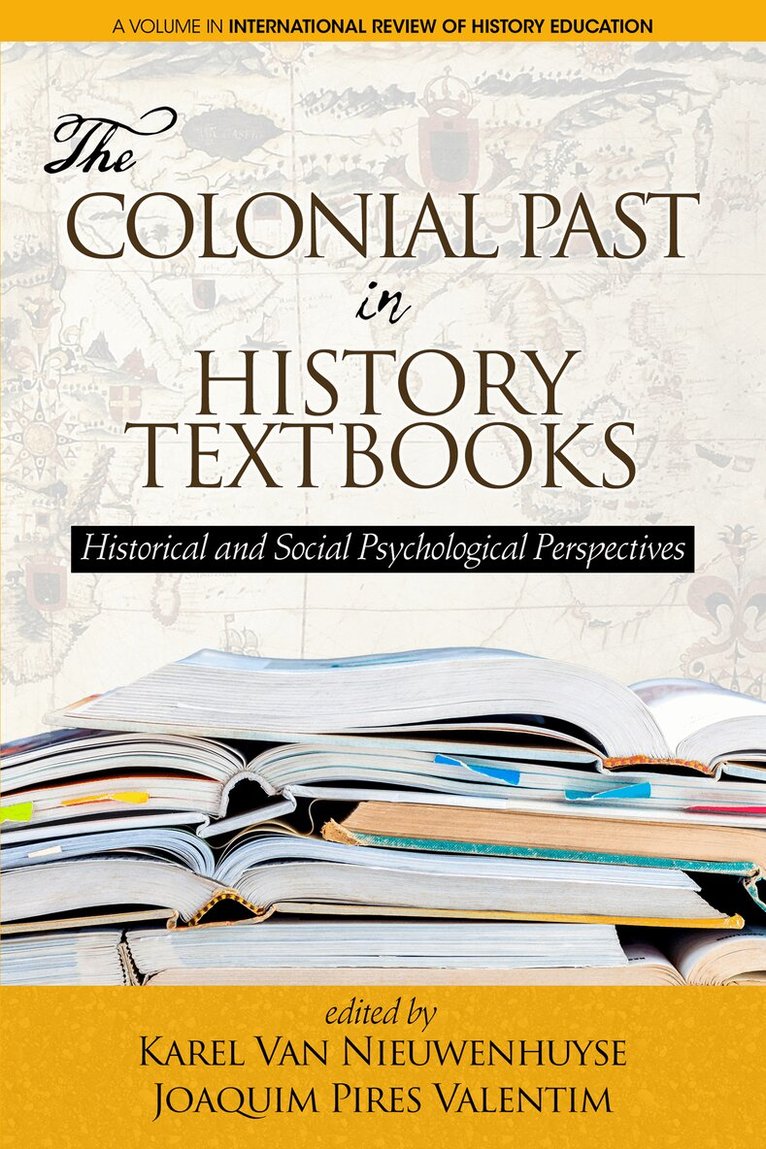
Colonial Past in History Textbooks - Historical and Social Psychological Perspectives
Inbunden, Engelska, 2018
1 053 kr
Skickas inom 7-10 vardagar
This book examines the evolving representations of the colonial past from the mid-19th century up to decolonization in the 1960s and 70s - the so-called era of Modern Imperialism – in post-war history textbooks from across the world. The aim of the book is to examine the evolving outlook of colonial representations in history education and the underpinning explanations for the specific outlook in different – former colonizer and colonized – countries (to be found in collective memory, popular historical culture, social representations, identity-building processes, and the state of historical knowledge within academia). The approach of the book is novel and innovative in different ways. First of all, given the complexity of the research, an original interdisciplinary approach has been implemented, which brings together historians, history educators and social psychologists to examine representations of colonialism in history education in different countries around the world while drawing on different theoretical frameworks. Secondly, given the interest in the interplay between collective memory, popular historical culture, social representations, and the state of historical knowledge within academia, a diachronic approach is implemented, examining the evolving representations of the colonial past, and connecting them to developments within society at large and academia. This will allow for a deeper understanding of the processes under examination. Thirdly, studies from various corners of the world are included in the book. More specifically, the project includes research from three categories of countries: former colonizer countries – including England, Spain, Italy, France, Portugal and Belgium –, countries having been both colonized and colonizer – Chile – and former colonized countries, including Zimbabwe, Malta and Mozambique. This selection allows pairing up the countries under review as former colonizing-colonized ones (for instance Portugal-Mozambique, United Kingdom-Malta), allowing for an in-depth comparison between the countries involved. Before reaching the research core, three introductory chapters outline three general issues. The book starts with addressing the different approaches and epistemological underpinnings history and social psychology as academic disciplines hold. In a second chapter, evolutions within international academic colonial historiography are analyzed, with a special focus on the recent development of New Imperial History. A third chapter analyses history textbooks as cultural tools and political means of transmitting historical knowledge and representations across generations. The next ten chapters form the core of the book, in which evolving representations of colonial history (from mid-19th century until decolonization in the 1960s and 1970s) are examined, explained and reflected upon, for the above mentioned countries. This is done through a history textbook analysis in a diachronic perspective. For some countries the analysis dates back to textbooks published after the Second World War; for other countries the focus will be more limited in time. The research presented is done by historians and history educators, as well as by social psychologists. In a concluding chapter, an overall overview is presented, in which similarities and differences throughout the case studies are identified, interpreted and reflected upon.
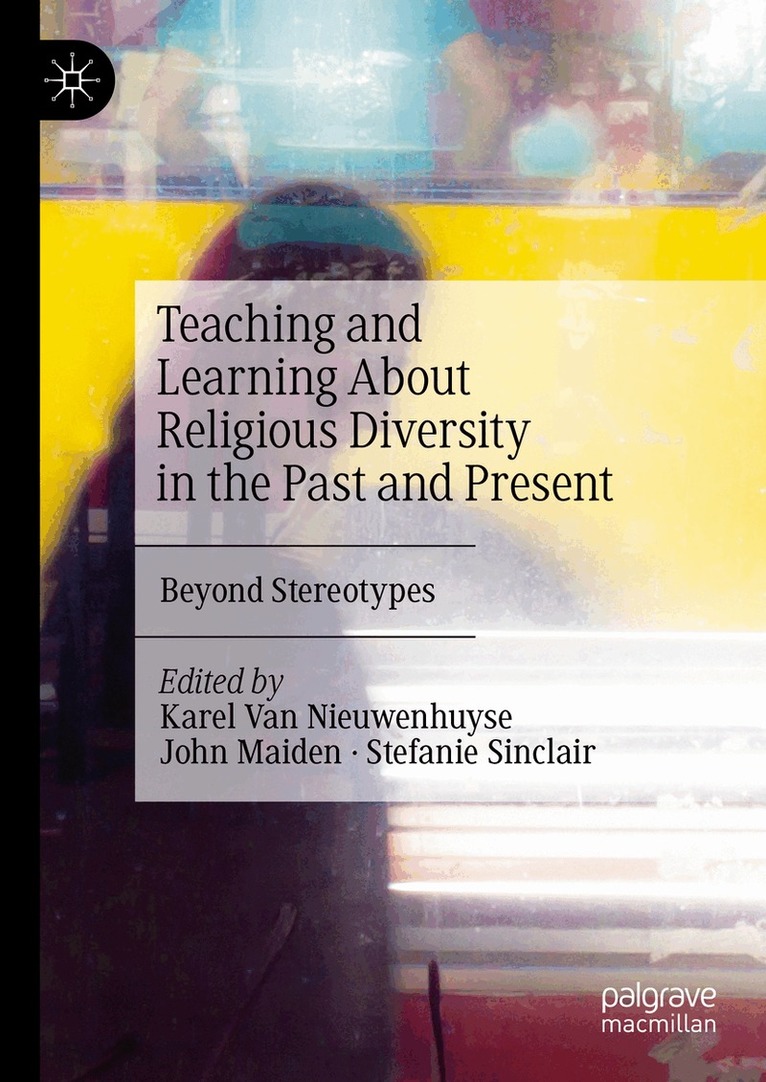
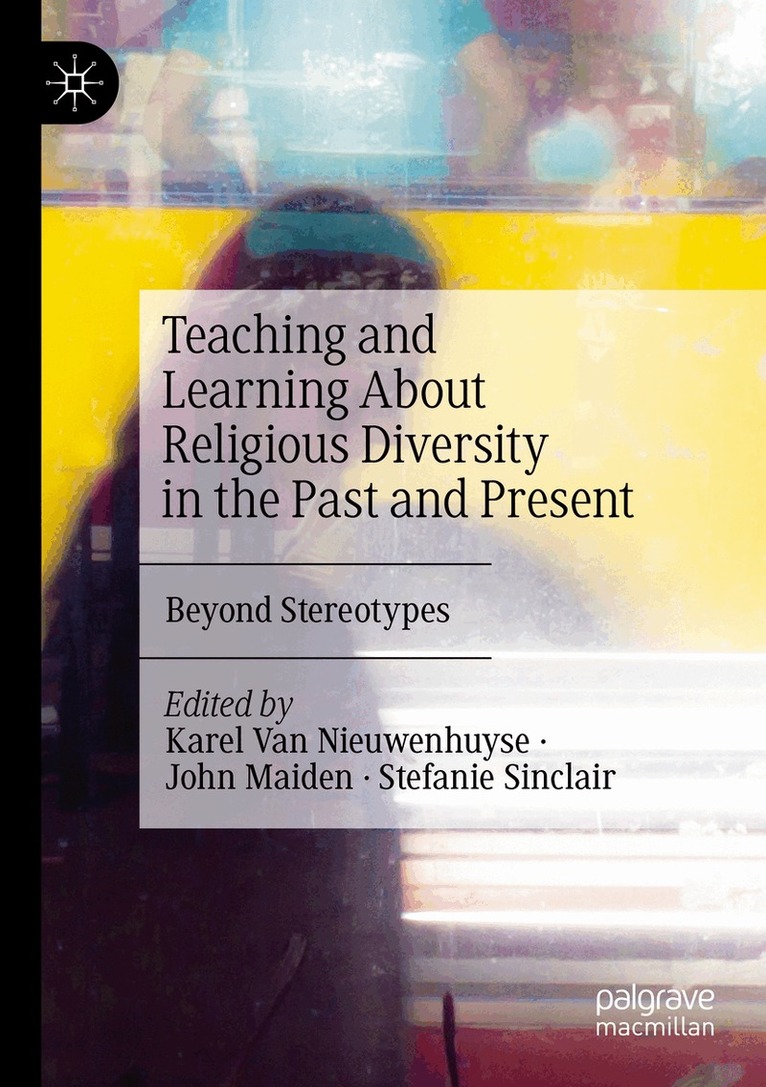
Teaching and Learning About Religious Diversity in the Past and Present
Beyond Stereotypes
Inbunden, Engelska, 2025
1 795 kr
Skickas inom 10-15 vardagar
This edited book explores examples of different ways in which societies and individuals have dealt with the concepts of religious diversity, toleration and peace-making in politics and law, and how these examples can inform educators and learners in (in- and non-)formal education today. Chapters introduce and analyse nine key documents: the Capitulations of Granada (1492), the Confederation of Warsaw (1573), the Peace of Westphalia (1648), the Royal Charter of Rhode Island (1663), the Declaration of the Rights of Man and of the Citizen (1789), the European Convention of Human Rights (1950), the Belfast/ Good Friday Agreement (1998), the Ohrid Framework Agreement (2001) and the Mardin Declaration (2010). In addition to explaining how each document manages toleration and peace, the authors also provide ‘clippings’, short visual and textual excerpts relating to the document under discussion. These aim to challenge thinking about the historical document and its potential significance for the present. The book’s contributors consider the past as a source of inspiration for learning in formal and informal educational contexts such as classrooms, museums and youth work. It will be of interest to teachers and scholars in history, citizenship, philosophy, ethics and religious education in schools and beyond.