Kenneth Brophy - Böcker
Visar alla böcker från författaren Kenneth Brophy. Handla med fri frakt och snabb leverans.
5 produkter
5 produkter
677 kr
Skickas inom 10-15 vardagar
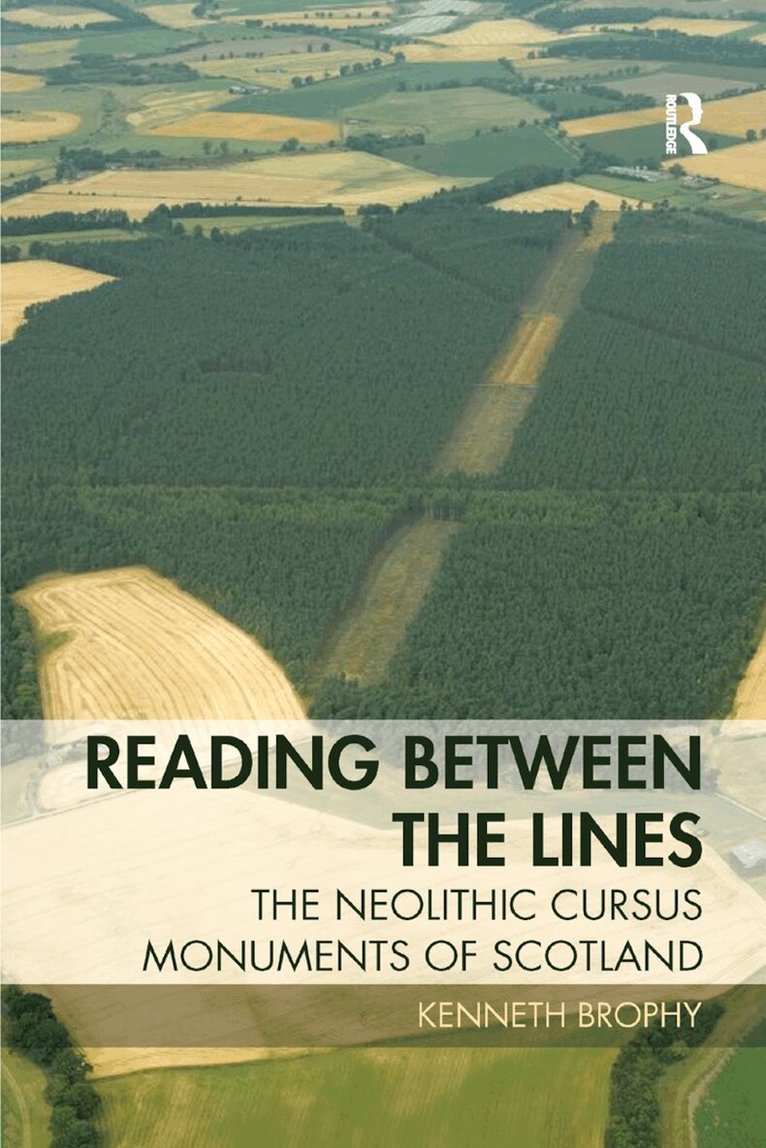
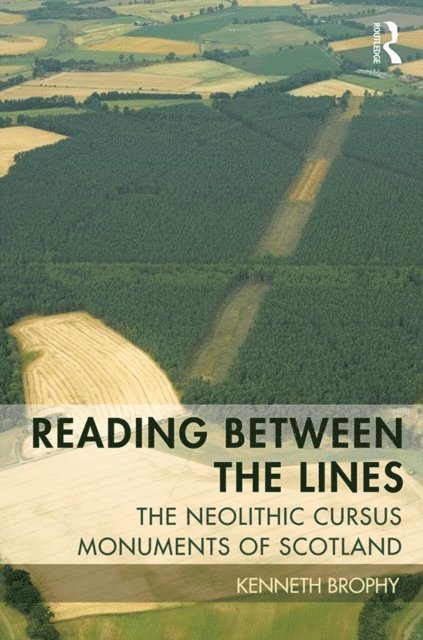
Reading Between the Lines: The Neolithic Cursus Monuments of Scotland is the first systematic analysis of Scotland’s cursus monuments and is written by one of the foremost scholars of the Neolithic in Scotland. Drawing on fifteen years of experience of cropmark interpretation, as well as his involvement in several excavations of cursus monuments and contemporary sites, Kenneth Brophy uncovers some of the secrets of the Neolithic landscape.While outlining the physical characteristics of the cursus, this book also addresses the limitations of this kind of typological description when applied to monuments which varied so remarkably in terms of materiality and size. Moving beyond a morphological account, Brophy considers what can be said of this diverse group of sites, and how they were actually built and used in prehistory, in light of several decades of aerial reconnaissance and excavation in Scotland. Through a close study of the differences, as well as the similarities, between these structures, this book offers a nuanced account of cursus monuments, finally allowing this important monument type to be better understood and placed alongside others of the period.Offering exciting new ways of thinking about these enigmatic yet important monuments, Reading Between the Lines: The Neolithic Cursus Monuments of Scotland is an essential resource for students and specialists in British prehistory, providing an introduction to the Early Neolithic archaeology of lowland Scotland as well as a meditation on broader aspects of monumentality and architecture.
318 kr
Skickas
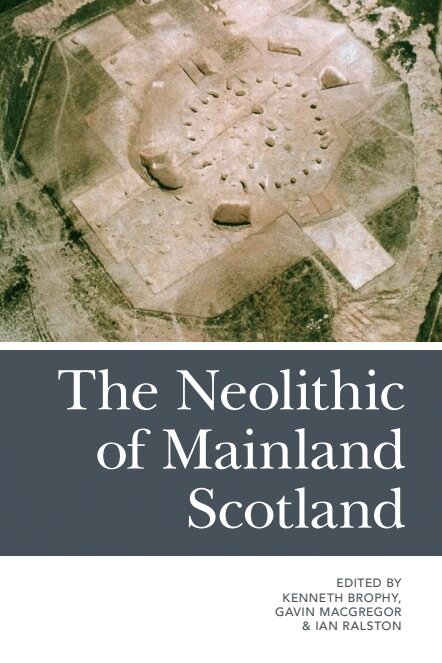
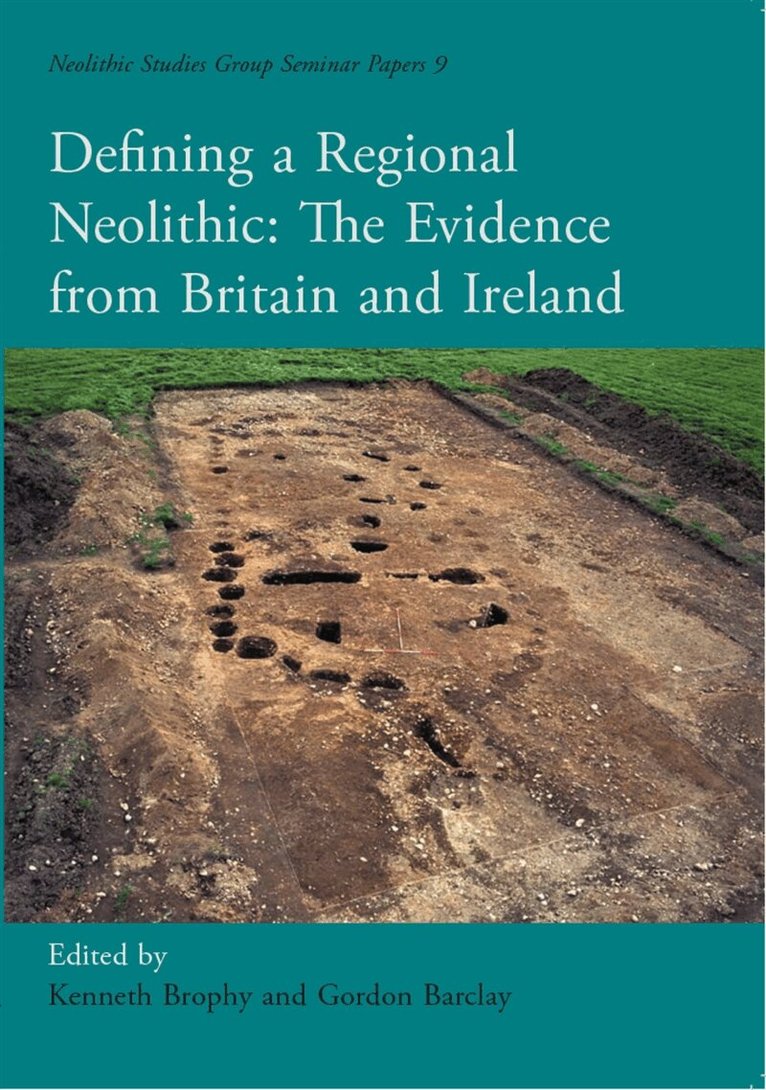
Archaeologists show us how the Neolithic human lived in mainland ScotlandWhat was life like in Scotland between 4000 and 2000BC? Where were people living? How did they treat their dead? Why did they spend so much time building extravagant ritual monuments? What was special about the relationship people had with trees and holes in the ground? What can we say about how people lived in the Neolithic and early Bronze Age of mainland Scotland where much of the evidence we have lies beneath the ploughsoil, or survives as slumped banks and ditches, or ruinous megaliths?Each contribution to this volume presents fresh research and radical new interpretations of the pits, postholes, ditches, rubbish dumps, human remains and broken potsherds left behind by our Neolithic forebears.From the APFWhat was life like in Scotland between 4000 and 2000BC? Where were people living? How did they treat their dead? Why did they spend so much time building extravagant ritual monuments? What was special about the relationship people had with trees? Why was so much time and effort spent digging holes and filling them back up again? What can we say about how people lived in the Neolithic and early Bronze Age of mainland Scotland where much of the evidence we have lies beneath the plough soil, or survives as slumped banks and filled ditches, or ruinous megaliths?This book will draw together leading experts and young researchers to present fresh research and outline radical new interpretations of the pits, postholes, ditches, rubbish dumps, human remains and broken potsherds left behind by our Neolithic forebears. Much of this evidence has come to light in the past few decades, putting the emphasis very much lowland, mainland Scotland as opposed to more famous Orcadian Neolithic sites. Inspired by the work of Gordon Barclay, the leading scholars of Scotland’s Neolithic in the last 40 years, the chapters in this book offer a wide-ranging analysis of the evidence we have for the first farmers in Scotland.
2 288 kr
Skickas inom 10-15 vardagar
Reading Between the Lines: The Neolithic Cursus Monuments of Scotland is the first systematic analysis of Scotland’s cursus monuments and is written by one of the foremost scholars of the Neolithic in Scotland. Drawing on fifteen years of experience of cropmark interpretation, as well as his involvement in several excavations of cursus monuments and contemporary sites, Kenneth Brophy uncovers some of the secrets of the Neolithic landscape.While outlining the physical characteristics of the cursus, this book also addresses the limitations of this kind of typological description when applied to monuments which varied so remarkably in terms of materiality and size. Moving beyond a morphological account, Brophy considers what can be said of this diverse group of sites, and how they were actually built and used in prehistory, in light of several decades of aerial reconnaissance and excavation in Scotland. Through a close study of the differences, as well as the similarities, between these structures, this book offers a nuanced account of cursus monuments, finally allowing this important monument type to be better understood and placed alongside others of the period.Offering exciting new ways of thinking about these enigmatic yet important monuments, Reading Between the Lines: The Neolithic Cursus Monuments of Scotland is an essential resource for students and specialists in British prehistory, providing an introduction to the Early Neolithic archaeology of lowland Scotland as well as a meditation on broader aspects of monumentality and architecture.
Archaeology of Prehistory in the Contemporary World
Deep Time in Global Urban Spaces
Häftad, Engelska, 2026
331 kr
Kommande
This book offers a timely roadmap for navigating the material and intangible legacies of prehistory with which we live today. Drawing on a series of global case-studies, field observations and real-world scenarios from a decade of his journey as the urban prehistorian, Kenneth Brophy argues that thinking and doing a contemporary archaeology of prehistory can be transformative not only in terms of how we practice, but also how we think about archaeology and the past. The book develops several innovative approaches, including the use of psychogeography as both an intellectual framework and a fieldwork methodology, and the introduction of the concept of Hyperprehistory as the point of fusion between development, knowledge creation and social benefit. Reflections on the nature of temporality in archaeology are combined with caution for those who imagine prehistory is consigned to deep time: there are warnings to heed about what happens when it is used and abused, or politicised carelessly or with malicious intent. However, there are also inspiring tales of communities engaging with their prehistory, of cities organised on prehistoric principles, of the resilience of the past against all odds. By focusing on the present and future of prehistory, Kenneth Brophy offers a radical new vision of how we can relate to and exist alongside our ancient past.
Archaeology of Prehistory in the Contemporary World
Deep Time in Global Urban Spaces
Inbunden, Engelska, 2026
979 kr
Kommande
This book offers a timely roadmap for navigating the material and intangible legacies of prehistory with which we live today. Drawing on a series of global case-studies, field observations and real-world scenarios from a decade of his journey as the urban prehistorian, Kenneth Brophy argues that thinking and doing a contemporary archaeology of prehistory can be transformative not only in terms of how we practice, but also how we think about archaeology and the past. The book develops several innovative approaches, including the use of psychogeography as both an intellectual framework and a fieldwork methodology, and the introduction of the concept of Hyperprehistory as the point of fusion between development, knowledge creation and social benefit. Reflections on the nature of temporality in archaeology are combined with caution for those who imagine prehistory is consigned to deep time: there are warnings to heed about what happens when it is used and abused, or politicised carelessly or with malicious intent. However, there are also inspiring tales of communities engaging with their prehistory, of cities organised on prehistoric principles, of the resilience of the past against all odds. By focusing on the present and future of prehistory, Kenneth Brophy offers a radical new vision of how we can relate to and exist alongside our ancient past.