Gavin MacGregor - Böcker
Visar alla böcker från författaren Gavin MacGregor. Handla med fri frakt och snabb leverans.
4 produkter
4 produkter
318 kr
Skickas
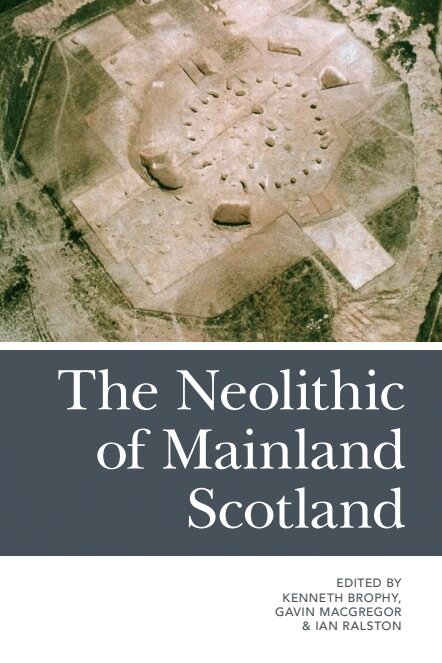
Archaeologists show us how the Neolithic human lived in mainland ScotlandWhat was life like in Scotland between 4000 and 2000BC? Where were people living? How did they treat their dead? Why did they spend so much time building extravagant ritual monuments? What was special about the relationship people had with trees and holes in the ground? What can we say about how people lived in the Neolithic and early Bronze Age of mainland Scotland where much of the evidence we have lies beneath the ploughsoil, or survives as slumped banks and ditches, or ruinous megaliths?Each contribution to this volume presents fresh research and radical new interpretations of the pits, postholes, ditches, rubbish dumps, human remains and broken potsherds left behind by our Neolithic forebears.From the APFWhat was life like in Scotland between 4000 and 2000BC? Where were people living? How did they treat their dead? Why did they spend so much time building extravagant ritual monuments? What was special about the relationship people had with trees? Why was so much time and effort spent digging holes and filling them back up again? What can we say about how people lived in the Neolithic and early Bronze Age of mainland Scotland where much of the evidence we have lies beneath the plough soil, or survives as slumped banks and filled ditches, or ruinous megaliths?This book will draw together leading experts and young researchers to present fresh research and outline radical new interpretations of the pits, postholes, ditches, rubbish dumps, human remains and broken potsherds left behind by our Neolithic forebears. Much of this evidence has come to light in the past few decades, putting the emphasis very much lowland, mainland Scotland as opposed to more famous Orcadian Neolithic sites. Inspired by the work of Gordon Barclay, the leading scholars of Scotland’s Neolithic in the last 40 years, the chapters in this book offer a wide-ranging analysis of the evidence we have for the first farmers in Scotland.
940 kr
Skickas inom 5-8 vardagar
1 888 kr
Skickas inom 10-15 vardagar
Colour shapes our world in profound, if sometimes subtle, ways. It helps us to classify, form opinions, and make aesthetic and emotional judgements. Colour operates in every culture as a symbol, a metaphor, and as part of an aesthetic system. Yet archaeologists have traditionally subordinated the study of colour to the form and material value of the objects they find and thereby overlook its impact on conceptual systems throughout human history.This book explores the means by which colour-based cultural understandings are formed, and how they are used to sustain or alter social relations. From colour systems in the Mesolithic, to Mesoamerican symbolism and the use of colour in Roman Pompeii, this book paints a new picture of the past. Through their close observation of monuments and material culture, authors uncover the subtle role colour has played in the construction of past social identities and the expression of ancient beliefs. Providing an original contribution to our understanding of past worlds of meaning, this book will be essential reading for archaeologists, anthropologists and historians, as well as anyone with an interest in material culture, art and aesthetics.
489 kr
Skickas inom 10-15 vardagar
Colour shapes our world in profound, if sometimes subtle, ways. It helps us to classify, form opinions, and make aesthetic and emotional judgements. Colour operates in every culture as a symbol, a metaphor, and as part of an aesthetic system. Yet archaeologists have traditionally subordinated the study of colour to the form and material value of the objects they find and thereby overlook its impact on conceptual systems throughout human history.This book explores the means by which colour-based cultural understandings are formed, and how they are used to sustain or alter social relations. From colour systems in the Mesolithic, to Mesoamerican symbolism and the use of colour in Roman Pompeii, this book paints a new picture of the past. Through their close observation of monuments and material culture, authors uncover the subtle role colour has played in the construction of past social identities and the expression of ancient beliefs. Providing an original contribution to our understanding of past worlds of meaning, this book will be essential reading for archaeologists, anthropologists and historians, as well as anyone with an interest in material culture, art and aesthetics.