Kenneth Hafertepe - Böcker
Visar alla böcker från författaren Kenneth Hafertepe. Handla med fri frakt och snabb leverans.
6 produkter
6 produkter
355 kr
Skickas inom 7-10 vardagar
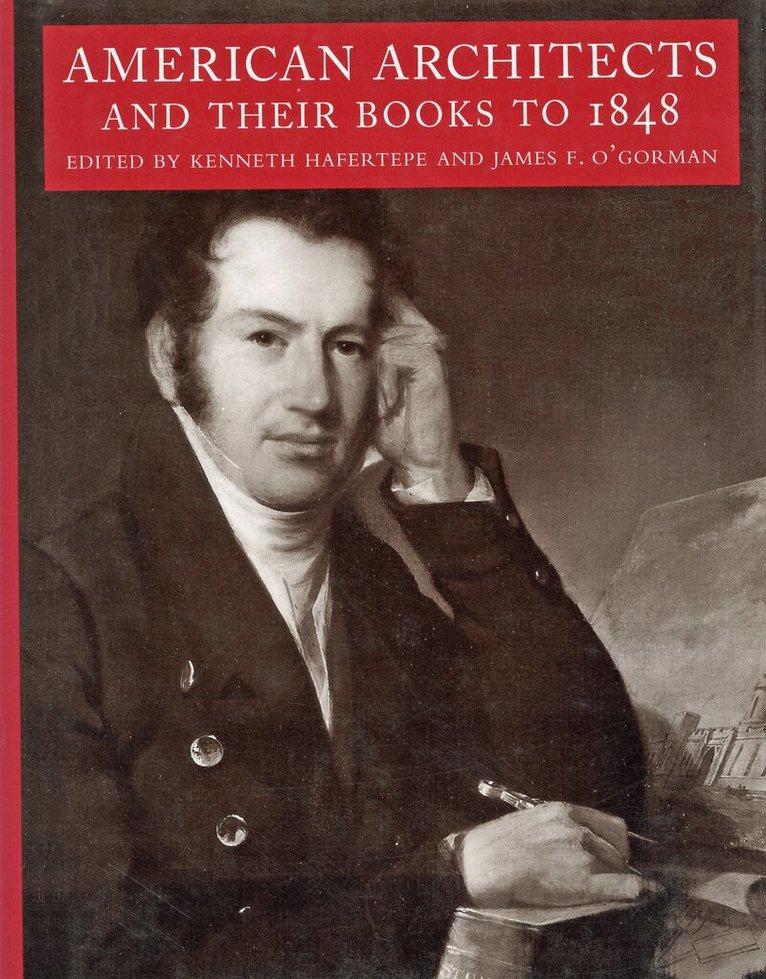
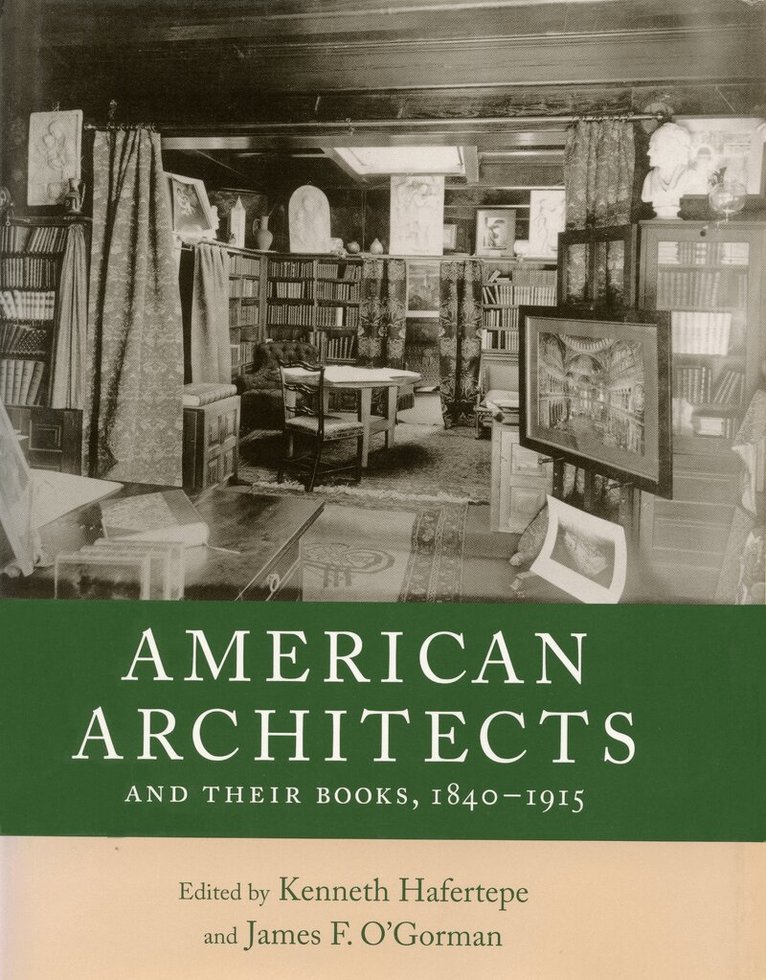
Since the Renaissance, books and drawings have been a primary means of communication among architects and their colleagues and clients. In this volume, 12 historians explore the use of books by architects in America in the late 18th and early 19th centuries, a period when the profession of architecture was first emerging in the United States. As architects separated themselves from amateur and gentlemen designers on the one hand and masons and carpenters on the other, members of the profession were distinguished by their ability to draw and their possession of a common body of learning gleaned from printed sources. Clients and patrons expected architects to derive their designs from precedents communicated in books. These publications reproduced the work of European masters and, eventually, Anglo-American examples as well. The essays in the volume range from studies of architectural publications available in the colonies, to the appearance of American architectural incunabula, to the revolution in architectural publishing that occurred in the 1830s and 1840s. In addition to the editors, contributors include Sarah Allaback, Bennie Brown, Jeffrey A. Cohen, Abbott Lowell Cummings, Robert F. Dalzell, Jr., Michael J. Lewis, Martha J. McNamara, Damie Stillman, Richard Guy Wilson and Charles B. Wood III.
548 kr
Skickas inom 7-10 vardagar
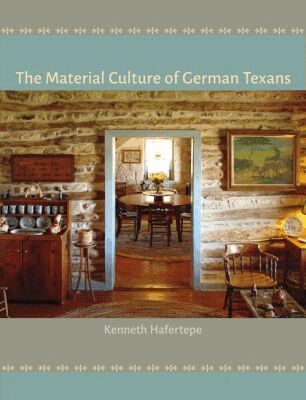
German immigrants of the nineteenth century left a distinctivemark on the lifestyles and vernacular architecture of Texas. Inthis first comprehensive survey of the art and artifacts of GermanTexans, Kenneth Hafertepe explores how their material culturewas influenced by their European roots, how it was adaptedto everyday life in Texas, and how it changed over time—atdifferent rates in different communities. The Material Culture ofGerman Texans is about the struggle to become American whilemaintaining a distinctive cultural identity drawn from Germanheritage.Including materials from rural, small town, and urban settings,this masterful study covers pioneer generations in East Texas andthe Hill Country, but also follows the story into the Victorian eraand the early twentieth century. Houses and their furnishings,churches and cemeteries, breweries and businesses, and paintingsand engravings fill the pages of this thorough, informative, andrichly illustrated volume.Recent decades have seen a sharp increase of the study ofvernacular architecture (which can range from traditionalbuilding to ethnic expressions to landscape ensembles) and anintensified study of American furniture and other decorativearts. Incorporating these vernacular and decorative arts methodsand building on the works of cultural geographers, curators,and historians, The Material Culture of German Texans offers adefinitive contribution that will inform visitors to the region aswell as those who study its history and culture.
494 kr
Skickas inom 7-10 vardagar
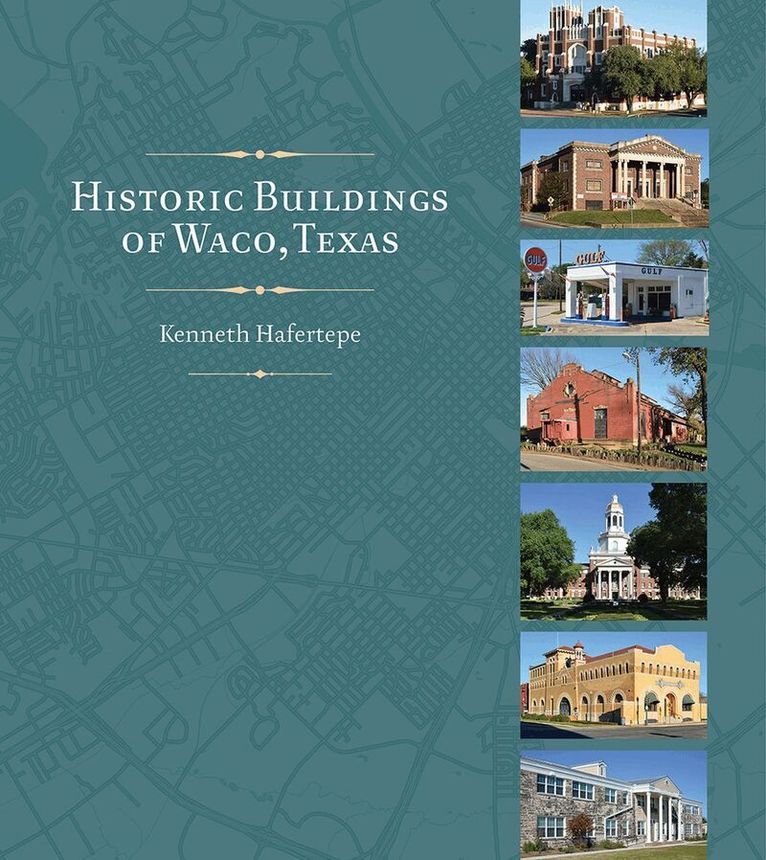
Community life takes place in the spaces where business is transacted, where worship and fellowship take place, where goods and services are purchased, where students are educated, and where working and professional people ply their trades. In Historic Buildings of Waco, Texas, architectural historian Kenneth Hafertepe delves into the stories behind 90 such structures in Waco, discussing their original and current-day purposes, the individuals associated with them, and their context within the architecture of the city and state.As with his previous, award-winning books, Hafertepe has investigated archives, city directories, public records, and other sources to uncover fascinating details about the architects, builders, merchants, educators, and others whose work gave these buildings shape and substance and whose use gave them life. He discusses the styles, sketches the historical circumstances surrounding the buildings and their occupants, and actualizes the social, commercial, spiritual, and educational enrichment these structures housed and facilitated. Churches, synagogues, skyscrapers, banks, filling stations, and even the famous “silos” that now mark the location of Magnolia Market, made famous by the television series Fixer-Uppers, all factor into Hafertepe’s scholarly and entertaining treatment, accompanied by rich, full-color photography.
467 kr
Skickas inom 7-10 vardagar
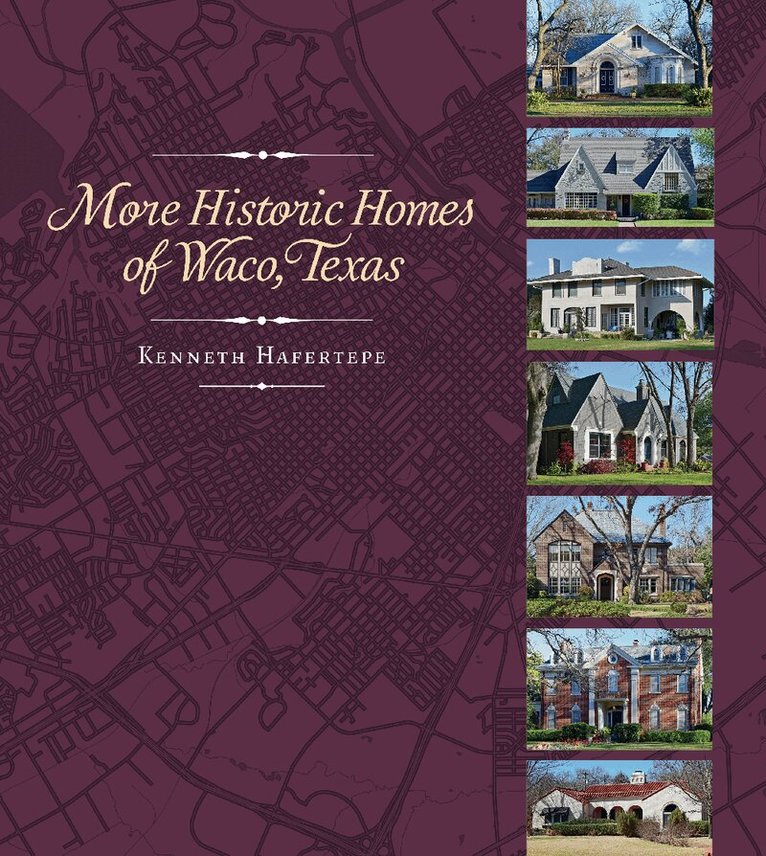
As with his well-received first book on the historic homes of Waco, architectural historian Kenneth L. Hafertepe brings to life the colorful and varied pasts of an entirely new set of notable residences in this city. Hafertepe extends coverage beyond the typical focus on homes of the more well-to-do classes. Included here are “homes of saloon keepers, horse traders, saddlers, ministers, bookkeepers, candy store owners, and laborers” as well as the residences of lawyers, doctors, and wealthy merchants, among others.With a blend of meticulous research, beautiful color photographs, and accessible, entertaining writing, Hafertepe presents these historic homes as a lens on the history and sociology of Waco, Texas, showing how immigrants from Western and Central Europe, West Asia, and other places of origin, along with African Americans, Mexican Americans, Anglo-Americans, and others, made places and lives for themselves and their families in this central Texas community. The result, as described by Hafertepe, is “an intricate tapestry, with materials contributed by Black Wacoans as well as white; by immigrants from abroad and people born elsewhere in the United States. . . . These houses tell stories of successes and failures, triumphs and tragedies, dreams that came true and dreams that were denied. These houses speak to the complexity of the human condition and to the ongoing experiments that are Waco, Texas, and the United States of America.”
710 kr
Skickas inom 7-10 vardagar
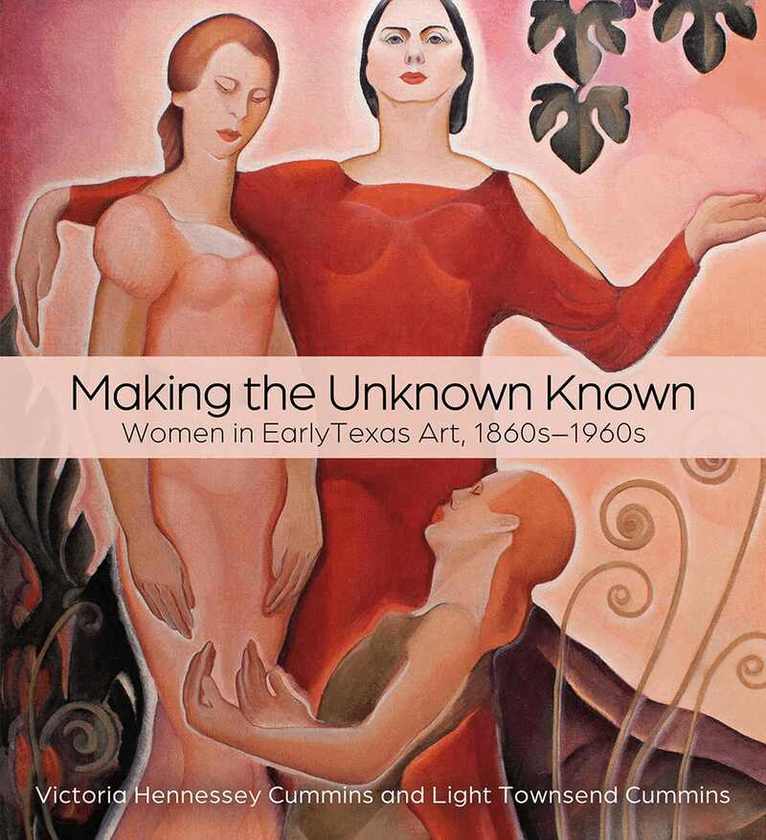
In Making the Unknown Known, leading scholars throughout Texas explore the significant role women artists played in developing early Texas art from the nineteenth century through the latter part of the twentieth century. The biographies presented here allow readers to compare these women’s experiences across time as they negotiated the gendered expectations about artists in society at large and the Texas art community itself. Surveying the contributions women made to the visual arts in the Lone Star state, Making the Unknown Known analyzes women’s artistic work with respect to geographic and historical connections. Including surveys of the work of artists such as Louise WÜste, Emma Richardson Cherry, Eleanor Onderdonk, Grace Spaulding John, and others, it offers a groundbreaking assessment of the role women artists have played in interpreting the meaning, history, heritage, and unique character of Texas. It places women artists within the larger social and cultural contexts in which they lived. In that regard, it contains an analysis of their varied styles of art, the media they employed, and the subject matter contained in their art. It thus evaluates the contributions made by women artists to defining the nature of the wider Texas experience as an American region. Beautifully illustrated throughout with rich, full-color reproductions of the works created by the artists, this volume provides an enriched understanding of the important but underappreciated role women artists have played in the development of the fine arts in Texas. At last, the unknown story can be known.
450 kr
Kommande
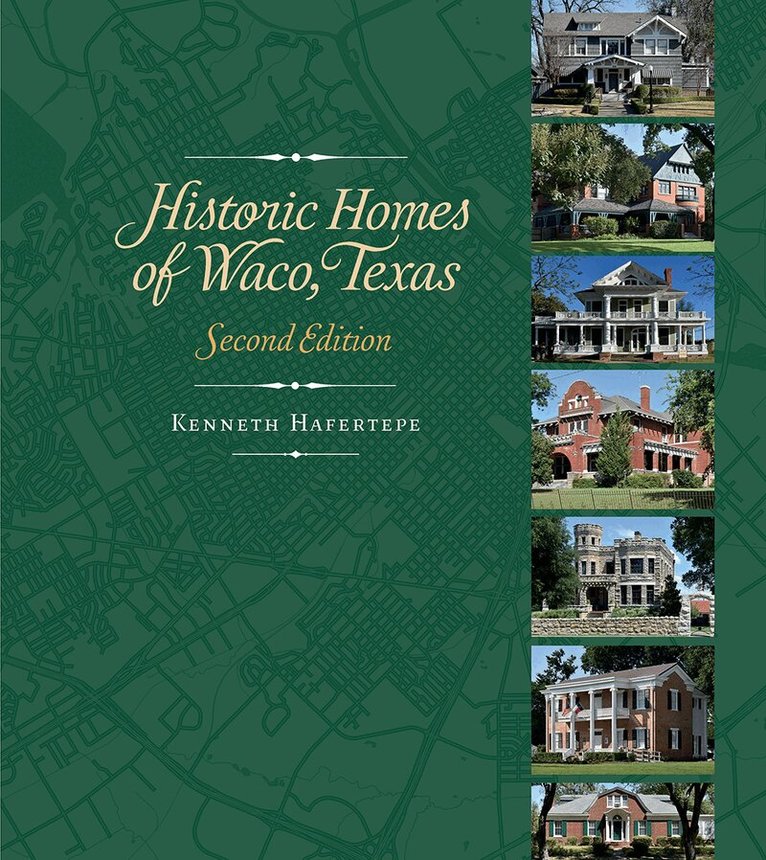
Winner, 2020 Ron Tyler Award for Best Illustrated Book on Texas History and Culture In this thoughtful tour of 120 historic homes in Waco, Texas, architectural historian Kenneth Hafertepe gives readers a glimpse of the surprising variety of styles and stories captured in the houses built by and for Wacoans. Focusing on the period from the 1850s to about 1940, Hafertepe provides not only snapshots of the dwellings in which the people of Waco lived, but also informed hints about how they lived: everyone from the wealthiest merchants to the humblest day laborers. Historic Homes of Waco, Texas incorporates material gleaned from city directories, fire insurance maps, census and cemetery records, and other archival and published sources to afford the most complete picture possible of how these homes came to be and what became of those who built and lived in them. Over 120 color photographs, also taken by the author, round out the descriptions. The popular enthusiasm for the television series featuring Waco-area “fixer-uppers,” coupled with the burgeoning local industry generated by the show’s two charismatic hosts, has certainly boosted interest in historic homes and buildings in Waco. Indeed, Hafertepe has incorporated a handful of properties featured on the show among the houses profiled in this book. But beyond any current entertainment craze, Historic Homes of Waco, Texas will stand the test of time as an authoritative and entertaining tribute to these important structures and the people who inhabited them.