Ki-Sung Kwak – författare
Visar alla böcker från författaren Ki-Sung Kwak. Handla med fri frakt och snabb leverans.
12 produkter
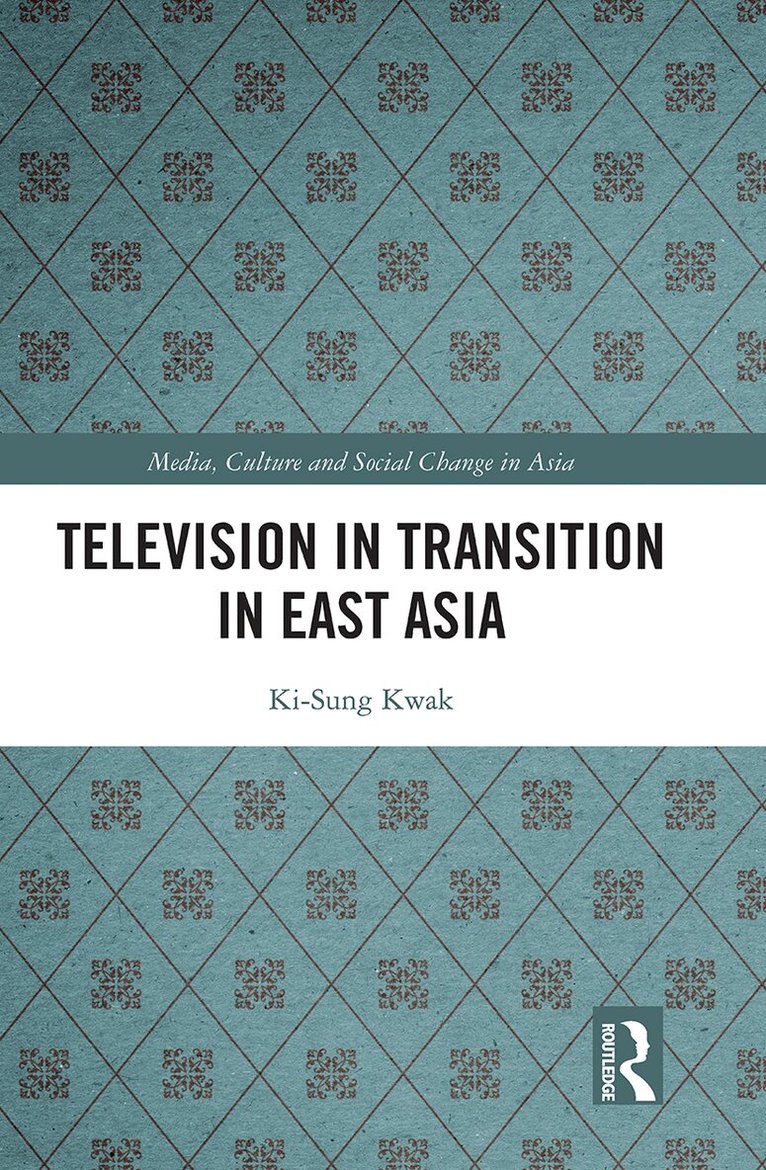
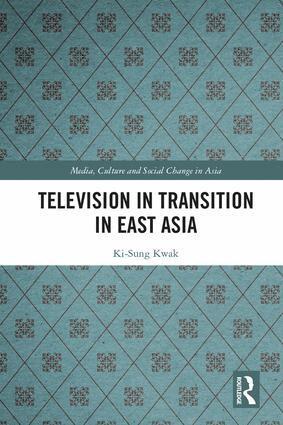
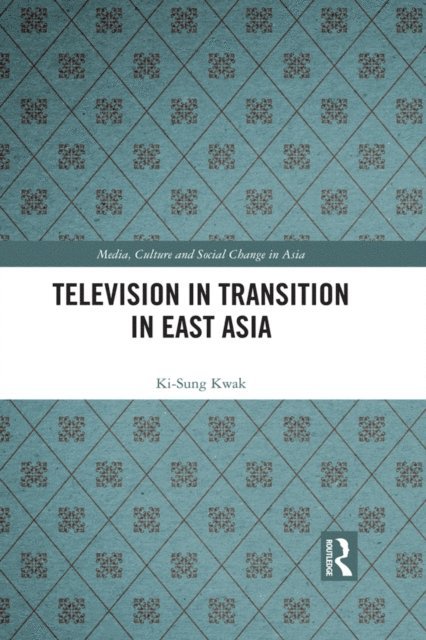
Television in Transition in East Asia
Av Ki-Sung Kwak
Häftad, 2021
689 kr
Lägg i varukorg
This book examines the development of television broadcasting in Japan, Hong Kong and South Korea. It explores the policy regimes guiding the development of television broadcasting as a powerful institution and the extent to which new forms of television have become part of each country’s …
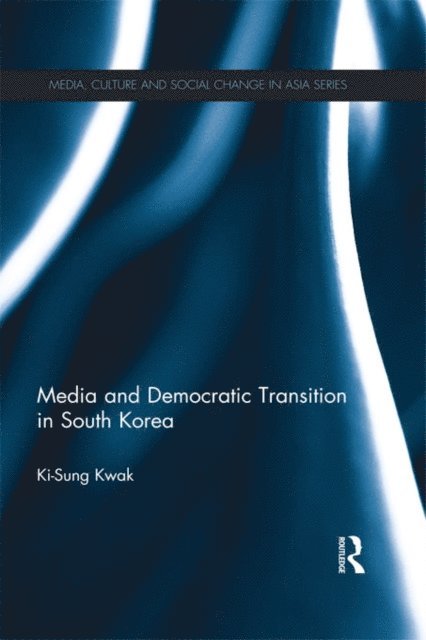
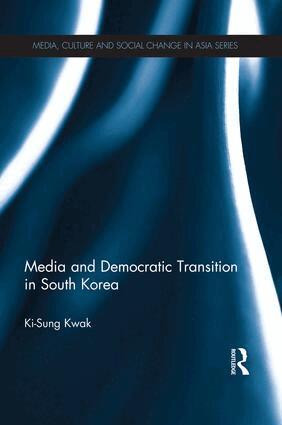
Media and Democratic Transition in South Korea
Av Ki-Sung Kwak
Inbunden, 2012
2504 kr
Lägg i varukorg
Since South Korea achieved partial democracy in 1987, the country has moved away from authoritarian political control. However, after two decades of democratic transition, South Korea still does not have a strong liberal, individualist culture – something that has brought about a wide range of …
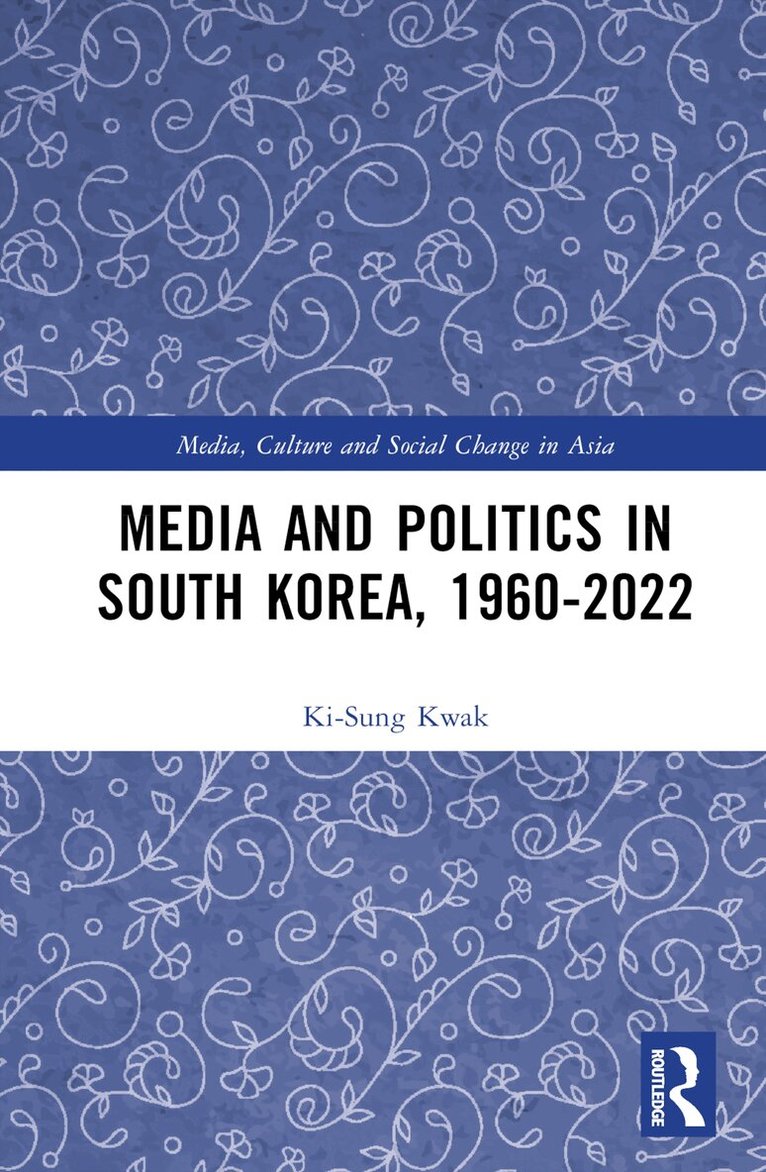
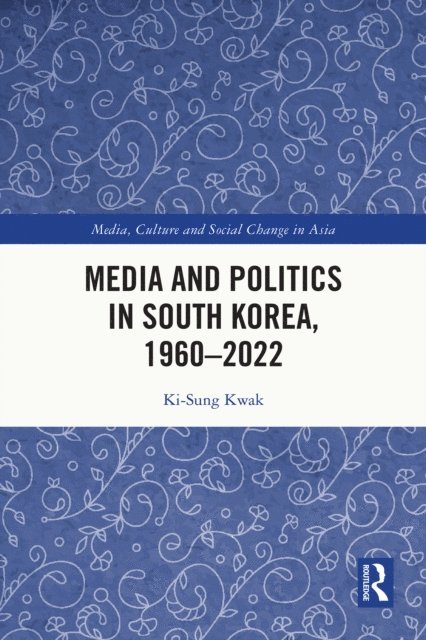
Media and Politics in South Korea, 1960-2022
Av Ki-Sung Kwak
Inbunden, 2024
2578 kr
Lägg i varukorg
This book examines the constantly changing nature of the relationship between the state and the media within South Korea’s political landscape. It traces developments as South Korea became gradually more democratic in the decades after 1960, and goes on to consider more recent developments which …
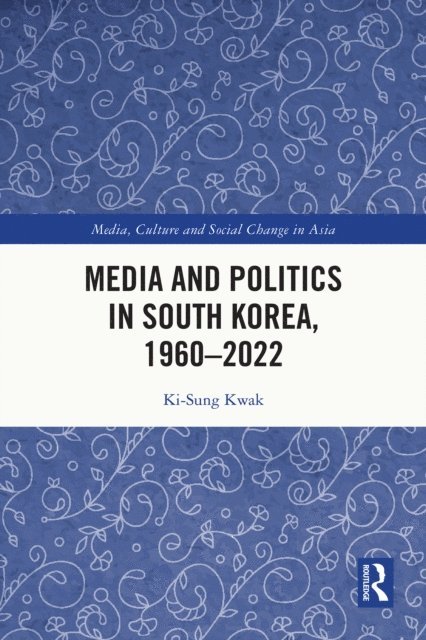
Media and Politics in South Korea, 1960-2022
Av Ki-Sung Kwak
Häftad, 2025
704 kr
Lägg i varukorg
This book examines the constantly changing nature of the relationship between the state and the media within South Korea’s political landscape. It traces developments as South Korea became gradually more democratic in the decades after 1960, and goes on to consider more recent developments which …
Media and Politics in South Korea, 1960-2022
Av Ki-Sung Kwak
E-bok, 2024
813 kr
Lägg i varukorg
This book examines the constantly changing nature of the relationship between the state and the media within South Korea’s political landscape. It traces developments as South Korea became gradually more democratic in the decades after 1960, and goes on to consider more recent developments which …
Media and Politics in South Korea, 1960-2022
Av Ki-Sung Kwak
E-bok, 2024
805 kr
Lägg i varukorg
This book examines the constantly changing nature of the relationship between the state and the media within South Korea’s political landscape. It traces developments as South Korea became gradually more democratic in the decades after 1960, and goes on to consider more recent developments which …
Media and Democratic Transition in South Korea
Av Ki-Sung Kwak
E-bok, 2012
983 kr
Lägg i varukorg
Since South Korea achieved partial democracy in 1987, the country has moved away from authoritarian political control. However, after two decades of democratic transition, South Korea still does not have a strong liberal, individualist culture – something that has brought about a wide range of …
Media and Democratic Transition in South Korea
Av Ki-Sung Kwak
E-bok, 2012
1004 kr
Lägg i varukorg
Since South Korea achieved partial democracy in 1987, the country has moved away from authoritarian political control. However, after two decades of democratic transition, South Korea still does not have a strong liberal, individualist culture – something that has brought about a wide range of …
Television in Transition in East Asia
Av Ki-Sung Kwak
Inbunden, 2018
2504 kr
Lägg i varukorg
This book examines the development of television broadcasting in Japan, Hong Kong and South Korea. It explores the policy regimes guiding the development of television broadcasting as a powerful institution and the extent to which new forms of television have become part of each country’s …
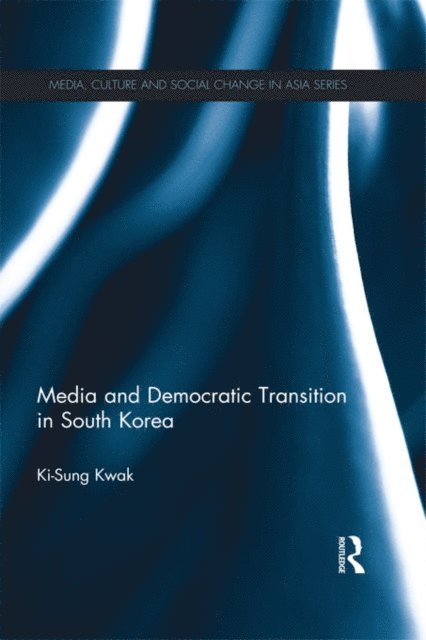
Media and Democratic Transition in South Korea
Av Ki-Sung Kwak
Häftad, 2014
849 kr
Lägg i varukorg
Since South Korea achieved partial democracy in 1987, the country has moved away from authoritarian political control. However, after two decades of democratic transition, South Korea still does not have a strong liberal, individualist culture – something that has brought about a wide range of …
Television in Transition in East Asia
Av Ki-Sung Kwak
E-bok, 2018
814 kr
Lägg i varukorg
This book examines the development of television broadcasting in Japan, Hong Kong and South Korea. It explores the policy regimes guiding the development of television broadcasting as a powerful institution and the extent to which new forms of television have become part of each country’s …
Television in Transition in East Asia
Av Ki-Sung Kwak
E-bok, 2018
796 kr
Lägg i varukorg
This book examines the development of television broadcasting in Japan, Hong Kong and South Korea. It explores the policy regimes guiding the development of television broadcasting as a powerful institution and the extent to which new forms of television have become part of each country’s …