Laura Seymour – författare
Visar alla böcker från författaren Laura Seymour. Handla med fri frakt och snabb leverans.
15 produkter
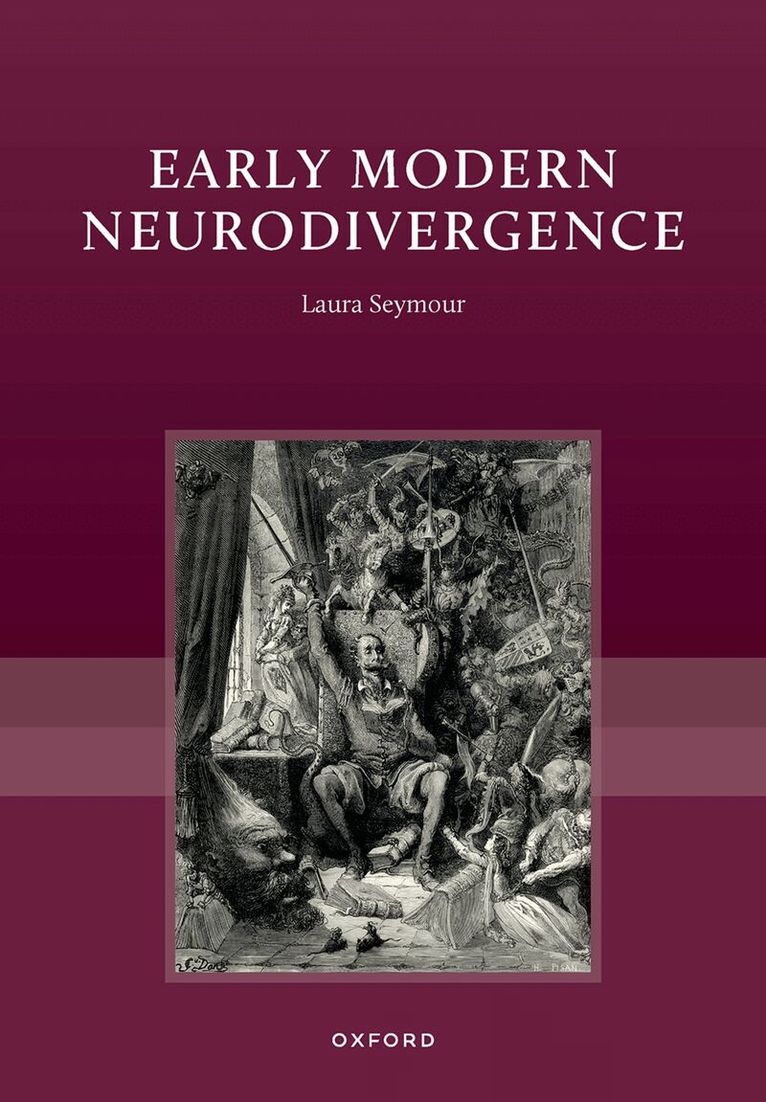
Early Modern Neurodivergence
Inbunden, 2026
1336 kr
Kommande
Early Modern Neurodivergence is about how what we now call neurodivergence and neurodiversity were understood, described, and lived in early modern Europe. Centring neurodivergent people's experiences throughout—both those in the early modern era and the present day—this book provides …
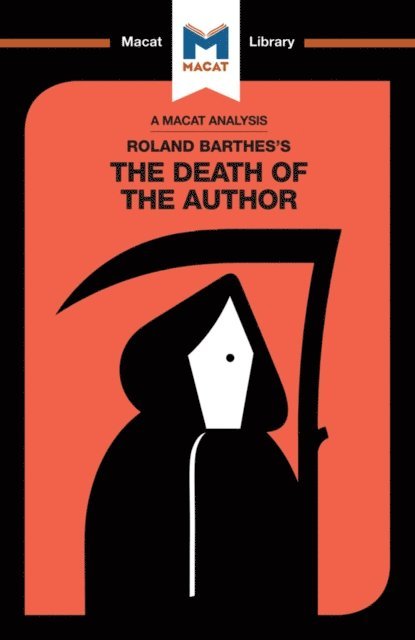
Analysis of Roland Barthes's The Death of the Author
E-bok, 2018
140 kr
Lägg i varukorg
Roland Barthes’s 1967 essay, "The Death of the Author," argues against the traditional practice of incorporating the intentions and biographical context of an author into textual interpretation because of the resultant limitations imposed on a text. Hailing "the birth of the reader," Barthes posits …
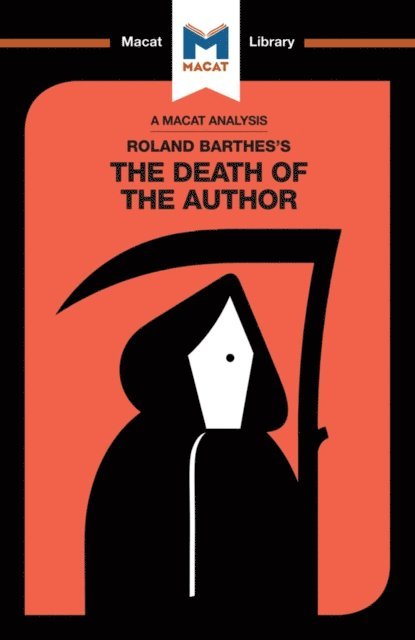
Analysis of Roland Barthes's The Death of the Author
E-bok, 2018
140 kr
Lägg i varukorg
Roland Barthes’s 1967 essay, "The Death of the Author," argues against the traditional practice of incorporating the intentions and biographical context of an author into textual interpretation because of the resultant limitations imposed on a text. Hailing "the birth of the reader," Barthes posits …
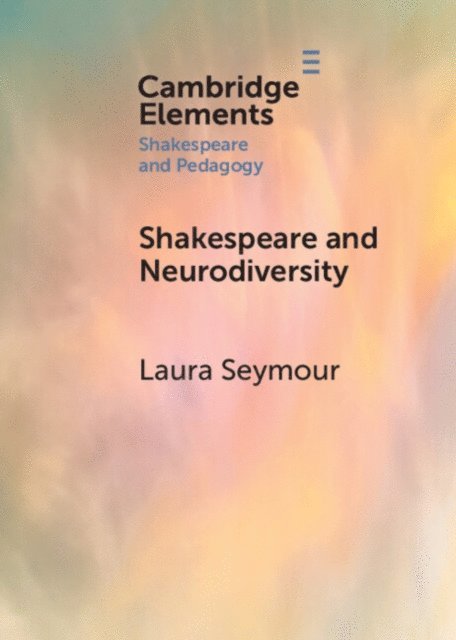
Shakespeare and Neurodiversity
Häftad, 2025
354 kr
Lägg i varukorg
Shakespeare and Neurodiversity argues that the Shakespeare classroom should be a place where neurodivergent learners flourish. This Element addresses four key areas: questions of reasonable adjustments, the pace of learning, the issue of diagnosis, and Shakespearean neurodivergent futures in …
Hiring And Firing
Av Lee Kaufer Frankel, Alexander Fleisher m. fl.
Inbunden, 2023
342 kr
Lägg i varukorg
Neurodiversity in Early Modern English Literature
Av Bridger M. Bartlett, Bradley J. Irish m. fl.
Inbunden, 2027
1314 kr
Kommande
In the last two decades, researchers in a variety of fields have begun to pay increasing attention to neurodiversity – that is, the fact that human minds are not neurologically uniform. This collection is intended to galvanise the recent interest in Renaissance literary neurodiversity in particular …
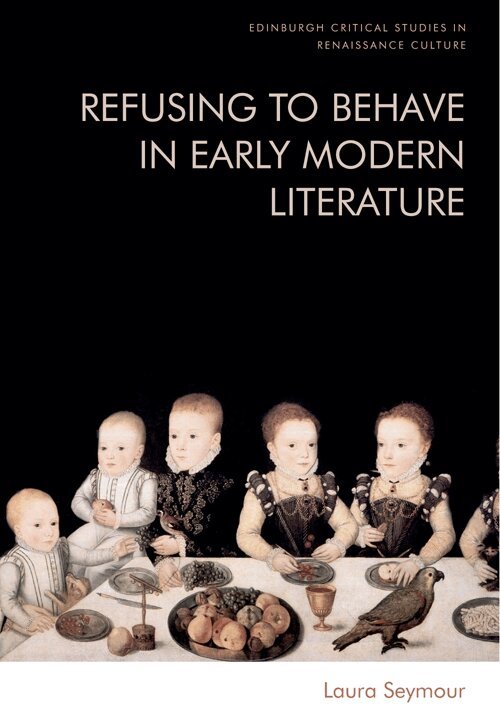
Refusing to Behave in Early Modern Literature
Inbunden, 2022
1302 kr
Lägg i varukorg
Examines the interrelation of the bodily and the textual in four early modern literary examples of bad behaviorBroadens the scope of current understandings of early modern literature by identifying and analysing the significance of genre to representations of resistance to behavioural normsBrings …
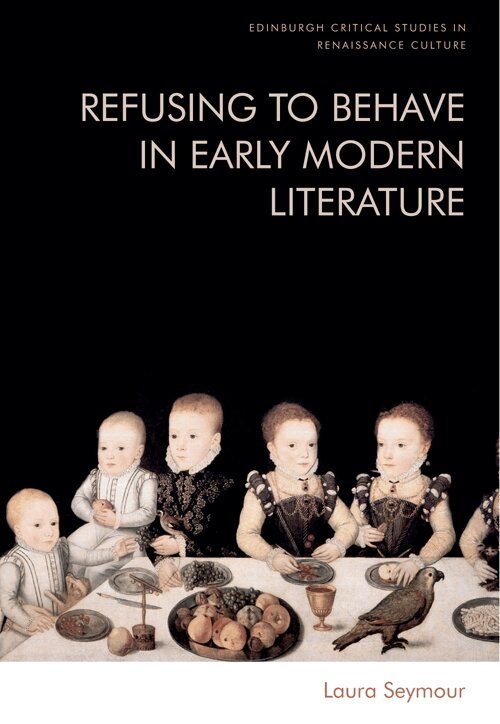
Refusing to Behave in Early Modern Literature
Häftad, 2024
561 kr
Lägg i varukorg
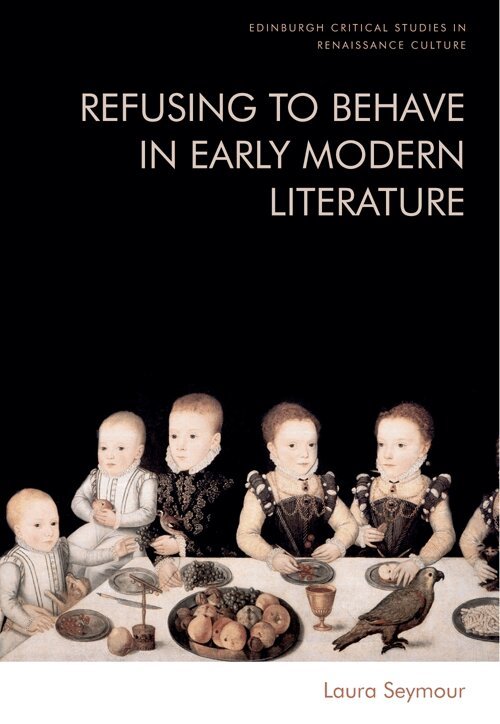
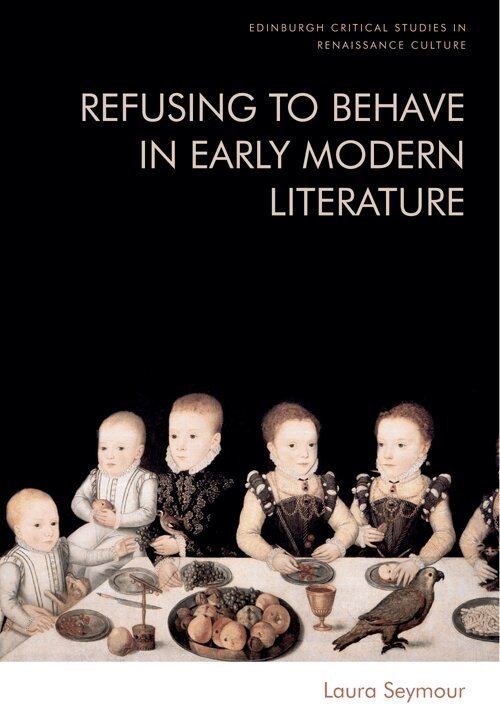
Refusing to Behave in Early Modern Literature explores texts shaped by collisions between the idiosyncrasies of individual bodyminds and the values of small communities such as religion, sect, social milieu, congregation and family. The book encompasses the period from the late sixteenth century to …
Refusing to Behave in Early Modern Literature
E-bok, 2022
394 kr
Lägg i varukorg
Refusing to Behave in Early Modern Literature explores texts shaped by collisions between the idiosyncrasies of individual bodyminds and the values of small communities such as religion, sect, social milieu, congregation and family. The book encompasses the period from the late sixteenth century to …
Refusing to Behave in Early Modern Literature
E-bok, 2022
394 kr
Lägg i varukorg
Refusing to Behave in Early Modern Literature explores texts shaped by collisions between the idiosyncrasies of individual bodyminds and the values of small communities such as religion, sect, social milieu, congregation and family. The book encompasses the period from the late sixteenth century to …
Analysis of Roland Barthes's The Death of the Author
Häftad, 2018
117 kr
Lägg i varukorg
Roland Barthes’s 1967 essay, "The Death of the Author," argues against the traditional practice of incorporating the intentions and biographical context of an author into textual interpretation because of the resultant limitations imposed on a text. Hailing "the birth of the reader," Barthes posits …
Analysis of Roland Barthes's The Death of the Author
Inbunden, 2018
344 kr
Lägg i varukorg
Roland Barthes’s 1967 essay, "The Death of the Author," argues against the traditional practice of incorporating the intentions and biographical context of an author into textual interpretation because of the resultant limitations imposed on a text. Hailing "the birth of the reader," Barthes posits …