Laurel Fulkerson – författare
Visar alla böcker från författaren Laurel Fulkerson. Handla med fri frakt och snabb leverans.
17 produkter
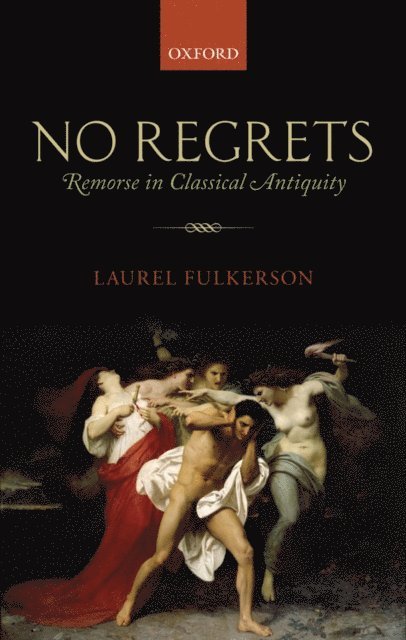
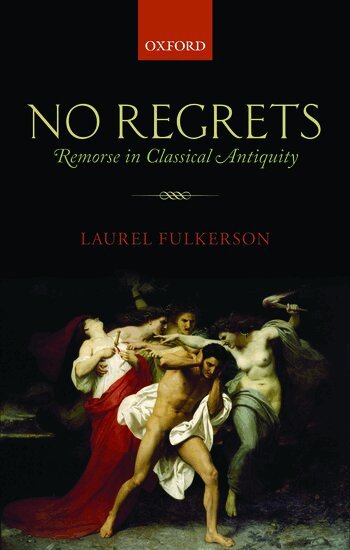
No Regrets
Remorse in Classical Antiquity
E-bok, 2013
1705 kr
Lägg i varukorg
No Regrets: Remorse in Classical Antiquity is the first sustained study examining the circumstances under which the emotions of remorse and regret were manifested in Greek and Roman public life. Despite a still-common notion that remorse is a modern, monotheistic emotion, it argues that remorse did …
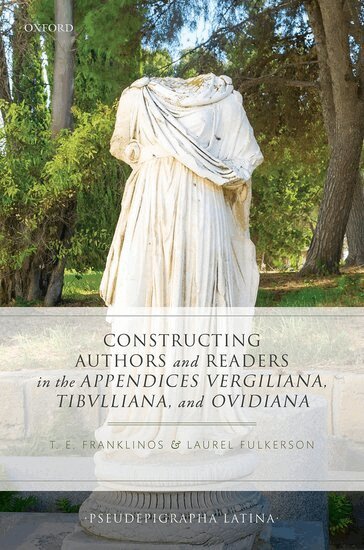
Constructing Authors and Readers in the Appendices Vergiliana, Tibulliana, and Ouidiana
Av Laurel Fulkerson, Tristan E. Franklinos
E-bok, 2020
1573 kr
Lägg i varukorg
The Augustan period in Rome was a golden age for poetry, and also the age in which the cult of the author began in the west. By examining some early poetic understandings of what it might have meant to be Vergil, Ovid, and Tibullus, Constructing Authors and Readers in the Appendices Vergiliana, …
Constructing Authors and Readers in the Appendices Vergiliana, Tibulliana, and Ouidiana
Av Laurel Fulkerson, Tristan E. Franklinos
E-bok, 2020
1573 kr
Lägg i varukorg
The Augustan period in Rome was a golden age for poetry, and also the age in which the cult of the author began in the west. By examining some early poetic understandings of what it might have meant to be Vergil, Ovid, and Tibullus, Constructing Authors and Readers in the Appendices Vergiliana, …
A Literary Commentary on the Elegies of the Appendix Tibulliana
Inbunden, 2017
2257 kr
Lägg i varukorg
This volume focuses on the nineteen elegiac poems of the Appendix Tibulliana, a series of little-known Latin elegies transmitted as Book 3 of the Corpus Tibullianum. Although it is accepted that they are not the work of Tibullus himself their actual authorship remains unclear and has been hotly …
Constructing Authors and Readers in the Appendices Vergiliana, Tibulliana, and Ouidiana
Av Tristan E. Franklinos, Tristan E. Franklinos m. fl.
Inbunden, 2020
2437 kr
Lägg i varukorg
The Augustan period in Rome was a golden age for poetry, and also the age in which the cult of the author began in the west. By examining some early poetic understandings of what it might have meant to be Vergil, Ovid, and Tibullus, Constructing Authors and Readers in the Appendices Vergiliana, …
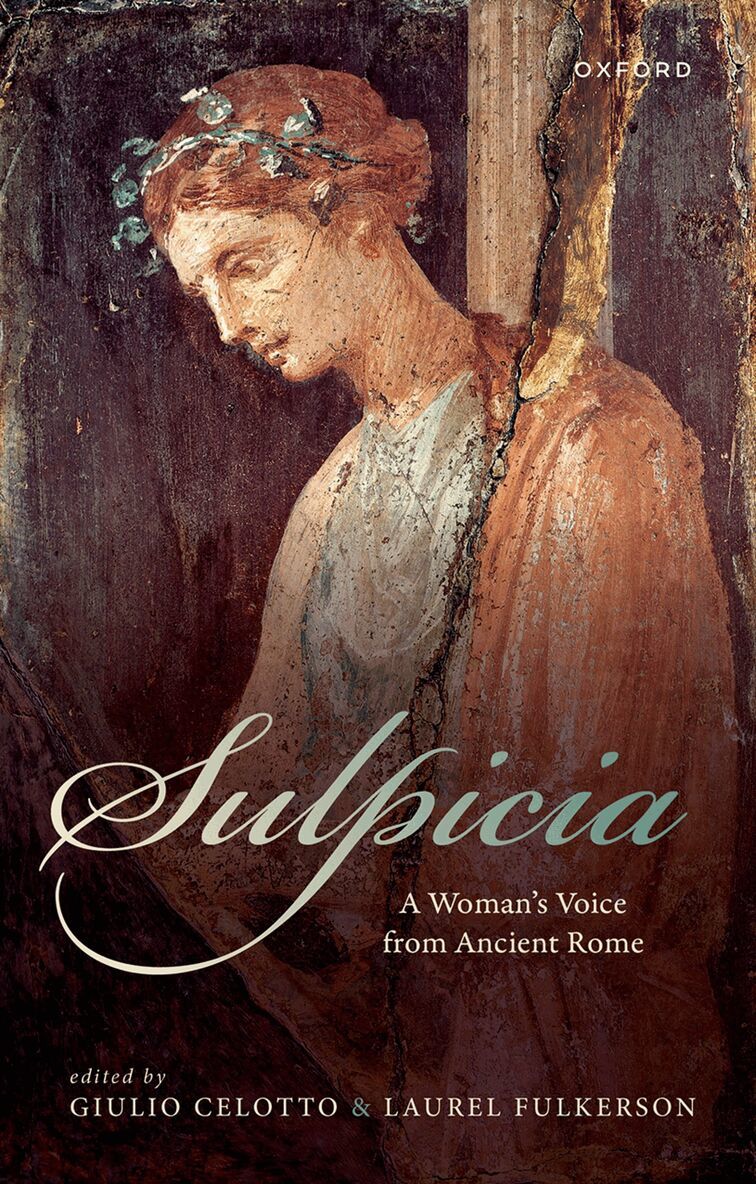
Sulpicia
A Woman's Voice from Ancient Rome
Av Giulio Celotto, Laurel Fulkerson
Inbunden, 2026
1935 kr
Lägg i varukorg
The main challenge in writing the history of Roman women is their silence, for they either did not themselves write, or what writing they did was not kept and transmitted. There are, however, a few welcome exceptions, such as the work of the Roman elegiac poet Sulpicia. This volume aims to bring …
No Regrets
Remorse in Classical Antiquity
Inbunden, 2013
2633 kr
Lägg i varukorg
No Regrets: Remorse in Classical Antiquity is the first sustained study examining the circumstances under which the emotions of remorse and regret were manifested in Greek and Roman public life. Despite a still-common notion that remorse is a modern, monotheistic emotion, it argues that remorse did …
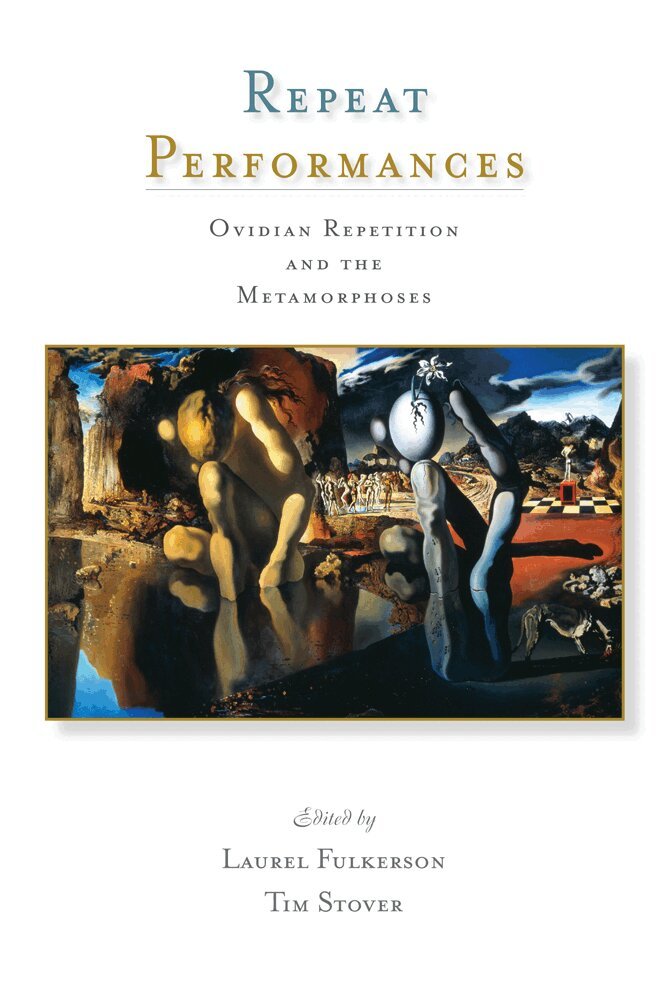
Repeat Performances
Ovidian Repetition and the Metamorphoses
Av Laurel Fulkerson, Tim Stover
Inbunden, 2016
983 kr
Lägg i varukorg
Although repetition is found in all ancient literary genres, it is especially pervasive in epic poetry. Ovid’s Metamorphoses exploits this dimension of the epic genre to such an extent that past critics have faulted it as too filled with recycled themes and language. This volume seeks a deeper …
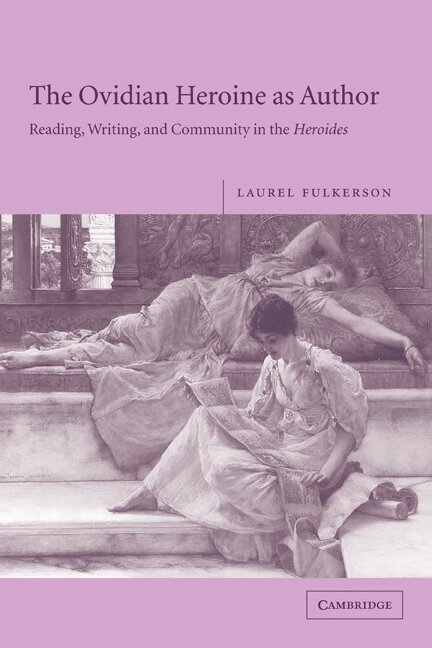
The Ovidian Heroine as Author
Reading, Writing, and Community in the Heroides
Häftad, 2009
335 kr
Lägg i varukorg
Ovid's Heroides, a catalogue of letters by women who have been deserted, has too frequently been examined as merely a lament. In a new departure, this book portrays the women of the Heroides as a community of authors. Combining close readings of the texts and their mythological backgrounds with …
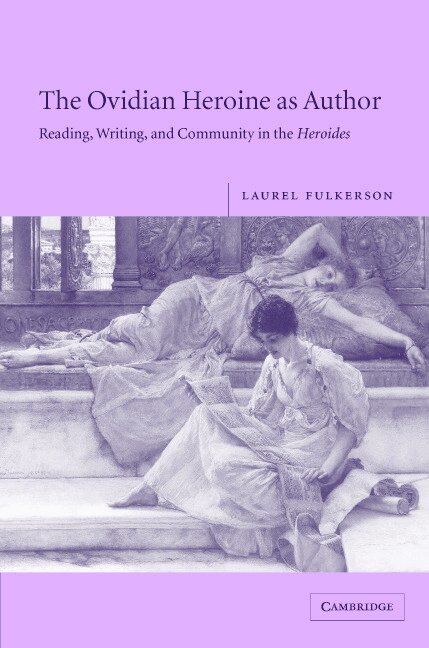
The Ovidian Heroine as Author
Reading, Writing, and Community in the Heroides
Inbunden, 2005
1235 kr
Lägg i varukorg
Ovid's Heroides, a catalogue of letters by women who have been deserted, has too frequently been examined as merely a lament. In a new departure, this book portrays the women of the Heroides as a community of authors. Combining close readings of the texts and their mythological backgrounds with …
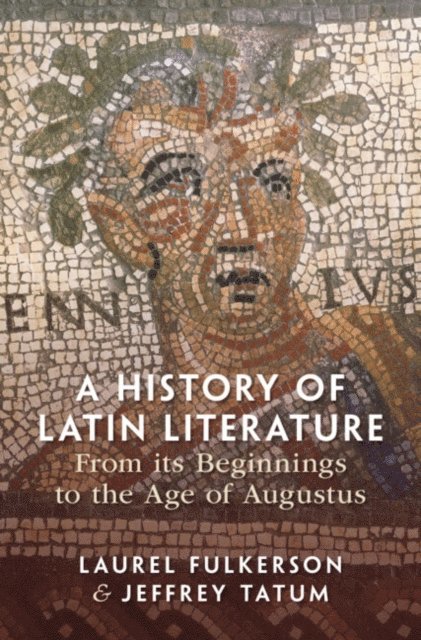
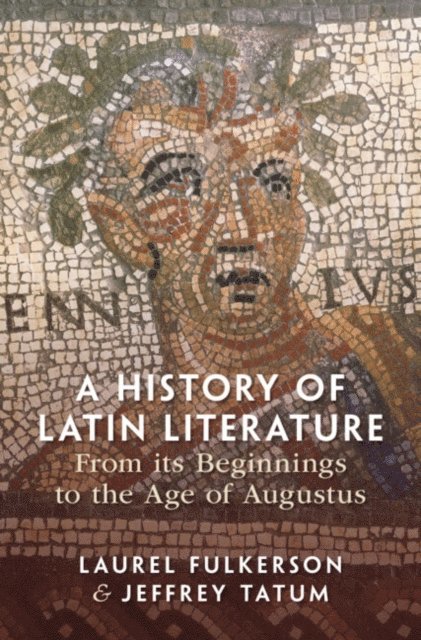
History of Latin Literature From its Beginnings to the Age of Augustus
Av Laurel Fulkerson, Jeffrey Tatum
Inbunden, 2024
1610 kr
Lägg i varukorg
Latin literature exploded onto the scene from relatively humble beginnings in the third century BCE. In an astonishingly short time the Romans adopted and adapted nearly all the genres of literature known to them and not only were they well aware of their large-scale appropriation but even, …
History of Latin Literature From its Beginnings to the Age of Augustus
Av Jeffrey Tatum, Laurel Fulkerson
E-bok, 2024
506 kr
Lägg i varukorg
History of Latin Literature From its Beginnings to the Age of Augustus
Av Jeffrey Tatum, Laurel Fulkerson
E-bok, 2024
495 kr
Lägg i varukorg
History of Latin Literature From its Beginnings to the Age of Augustus
Av Laurel Fulkerson, Jeffrey Tatum
Häftad, 2024
482 kr
Lägg i varukorg
Latin literature exploded onto the scene from relatively humble beginnings in the third century BCE. In an astonishingly short time the Romans adopted and adapted nearly all the genres of literature known to them and not only were they well aware of their large-scale appropriation but even, …
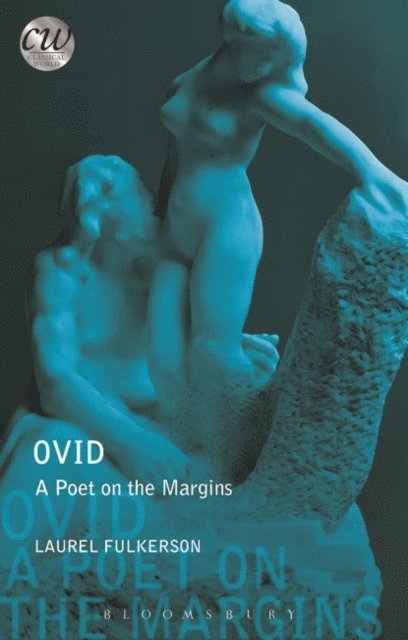
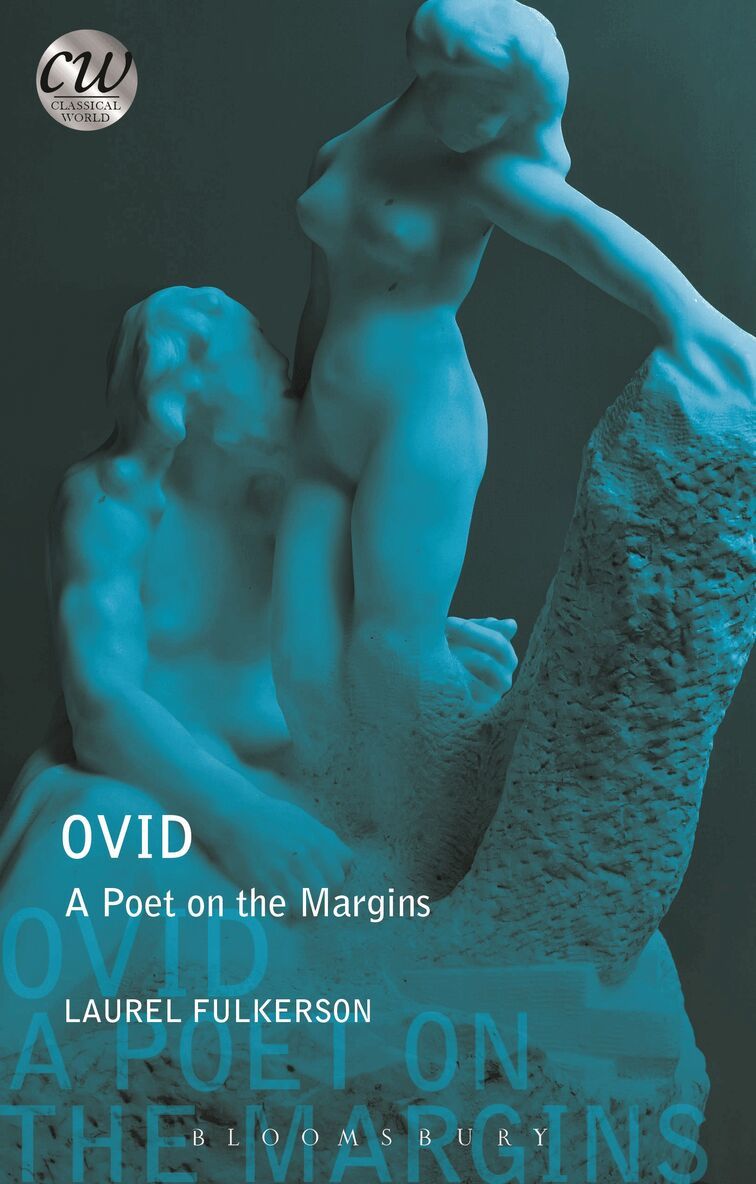
Ovid
A Poet on the Margins
E-bok, 2016
359 kr
Lägg i varukorg
The Latin poet Ovid was famously exiled by the Emperor Augustus to the shores of the Black Sea for his self-confessed crimes of ''a poem and a mistake''. Throughout his poetry, he discusses his exile and embraces the themes of marginality and alterity. This core motif is explored throughout this …
Ovid
A Poet on the Margins
E-bok, 2016
351 kr
Lägg i varukorg
The Latin poet Ovid was famously exiled by the Emperor Augustus to the shores of the Black Sea for his self-confessed crimes of ''a poem and a mistake''. Throughout his poetry, he discusses his exile and embraces the themes of marginality and alterity. This core motif is explored throughout this …
Ovid
A Poet on the Margins
Häftad, 2016
333 kr
Lägg i varukorg
The Latin poet Ovid was famously exiled by the Emperor Augustus to the shores of the Black Sea for his self-confessed crimes of 'a poem and a mistake'. Throughout his poetry, he discusses his exile and embraces the themes of marginality and alterity.This core motif is explored throughout this …