Laurel Kendall - Böcker
Visar alla böcker från författaren Laurel Kendall. Handla med fri frakt och snabb leverans.
14 produkter
14 produkter
548 kr
Skickas inom 3-6 vardagar
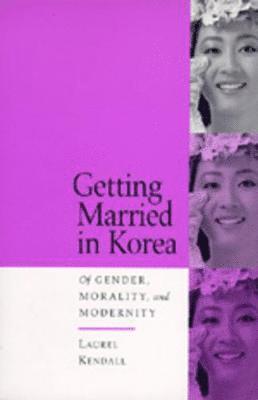
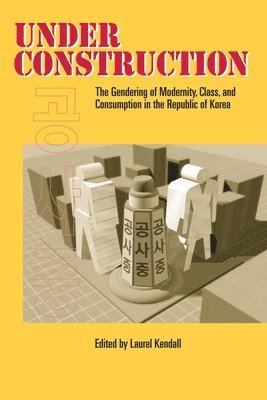
This work explores what it means to be modern and what it means to be Korean in a culture where courtship and marriage are often the crucible in which notions of gender and class are cast and recast. Touching on a number of important issues - identity, romantic love, women's work, marriage negotiations, and wedding ceremonies - Laurel Kendall gives us a new appreciation for how Koreans have adapted this pivotal social practice to the astounding changes of the past century. Kendall attended her first Korean wedding in 1970, soon after she arrived in the country with the Peace Corps. Years later, as a seasoned anthropologist, she began interviewing both working-class and middle-class couples, matchmakers, purveyors of dowry goods, and proprietors of wedding halls. She consulted etiquette handbooks and women's magazines and analyzed cartoons, photographs, and weddings themselves. The result is an engaging account of how marriage matches are made, how families proceed through the rites, how they finance ceremonies and elaborate exchanges of ritual goods, and how these practices are integral to the construction of adult identities and notions of ideal women and men.The book is also a reflection on what it means to write 'Korea' in a complex and ever changing social milieu.
855 kr
Skickas inom 3-6 vardagar
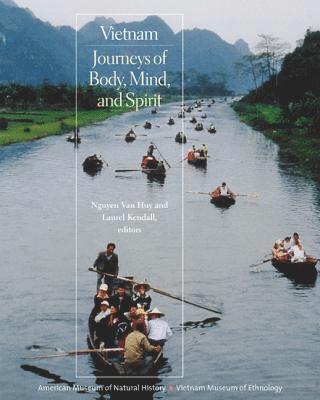
"Vietnam: Journeys of Body, Mind, and Spirit" takes the reader on an informed and engaging journey into the social and ritual life of contemporary Vietnam. Created to accompany the first major collaboration between a Vietnamese museum and an American museum on an exhibition of Vietnamese culture, this book moves beyond the troubled wartime history of both nations to a deeper portrayal of how Vietnamese of different ages, ethnicities, occupations, and circumstances live at the start of the twenty-first century. The contributors - most of whom live and work in Vietnam, while others have spent many years in intimate association with Vietnamese life - offer a unique perspective on the country and its diverse cultural mosaic. The text is complemented by a rich collection of photographs and illustrations that capture the complexity and nuance of daily life. The journeys portrayed in this volume cut across virtually every domain of Vietnamese experience. Some take place on roads, railways, rivers, and footpaths, as family members come home for the New Year and traders carry goods precariously balanced on bicycles.Others are metaphorical: life is a journey marked by significant rituals, and the year is a journey mapped by a calendar with holidays as milestones along the way. Souls travel to the netherworld, while gods and ancestors return to the human world during celebrations in their honor. Although the Vietnam War dominated the consciousness of a generation of Americans, few understand the country and few can imagine what it is like today. Appearing more than a decade after Vietnam's entrance into the global market and more than a quarter century after the cessation of hostilities between the Vietnamese and U.S. governments, this book provides a new understanding of how Vietnamese live, work, and celebrate critical passages of life and time. This title is copublished with the American Museum of Natural History and the Vietnam Museum of Ethnology.
780 kr
Skickas inom 7-10 vardagar
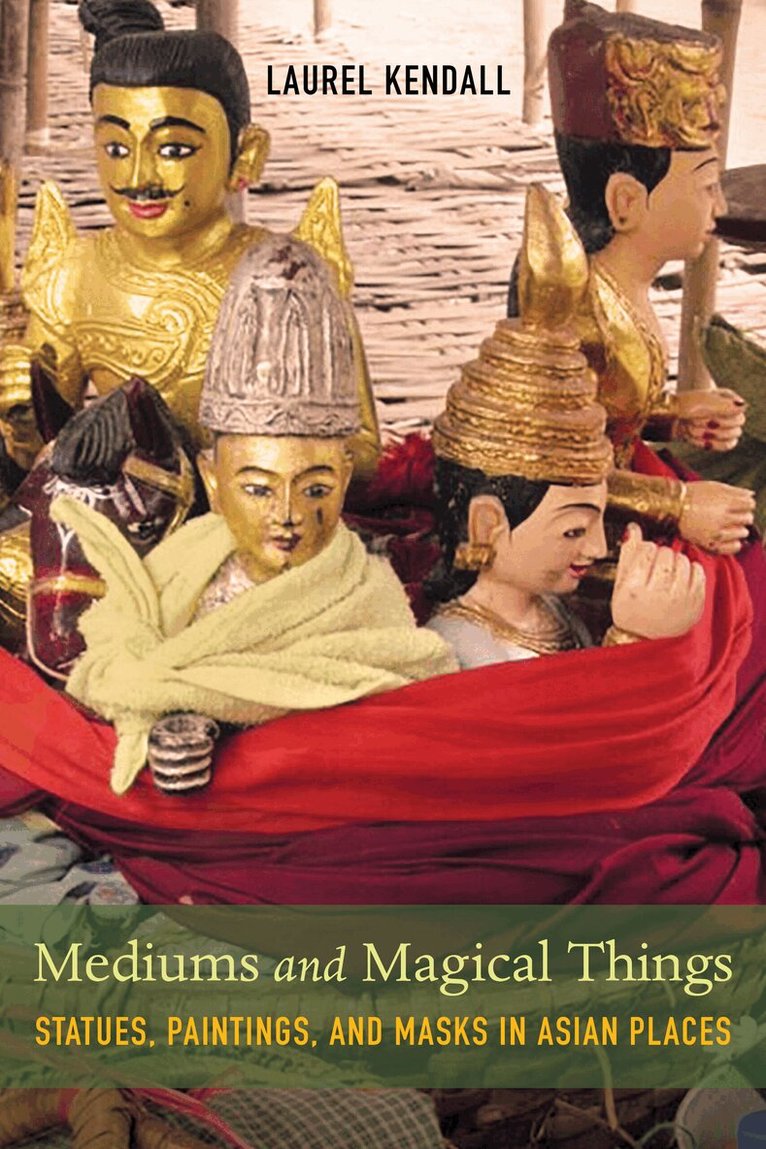
Statues, paintings, and masks—like the bodies of shamans and spirit mediums—give material form and presence to otherwise invisible entities, and sometimes these objects are understood to be enlivened, agentive on their own terms. This book explores how magical images are expected to work with the shamans and spirit mediums who tend and use them in contemporary South Korea, Vietnam, Myanmar, Bali, and elsewhere in Asia. It considers how such things are fabricated, marketed, cared for, disposed of, and sometimes transformed into art-market commodities and museum artifacts.
292 kr
Skickas inom 7-10 vardagar
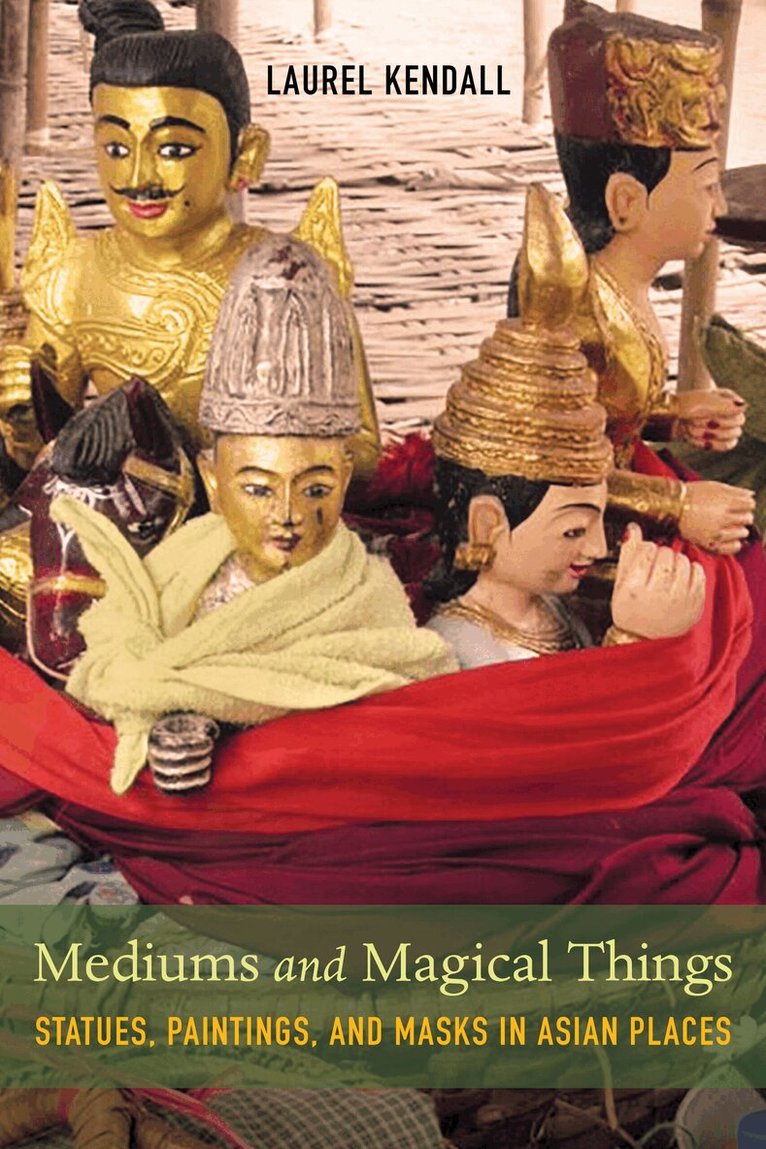
Statues, paintings, and masks—like the bodies of shamans and spirit mediums—give material form and presence to otherwise invisible entities, and sometimes these objects are understood to be enlivened, agentive on their own terms. This book explores how magical images are expected to work with the shamans and spirit mediums who tend and use them in contemporary South Korea, Vietnam, Myanmar, Bali, and elsewhere in Asia. It considers how such things are fabricated, marketed, cared for, disposed of, and sometimes transformed into art-market commodities and museum artifacts.
380 kr
Skickas inom 10-15 vardagar
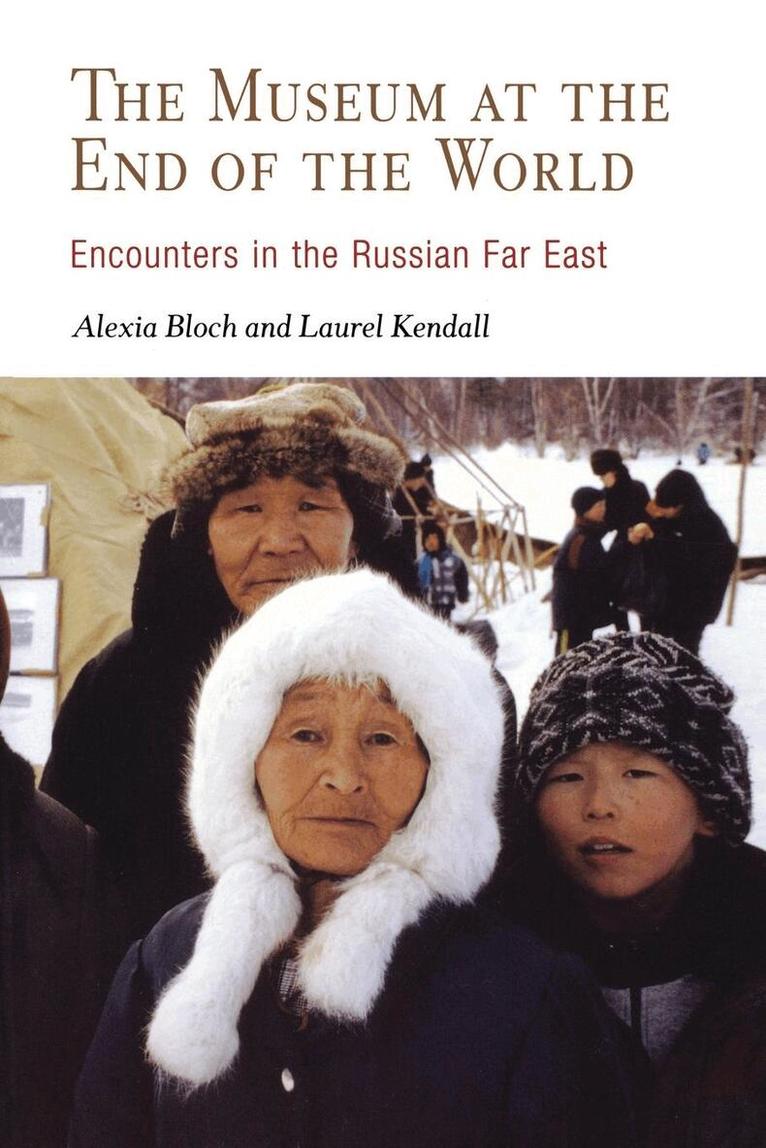
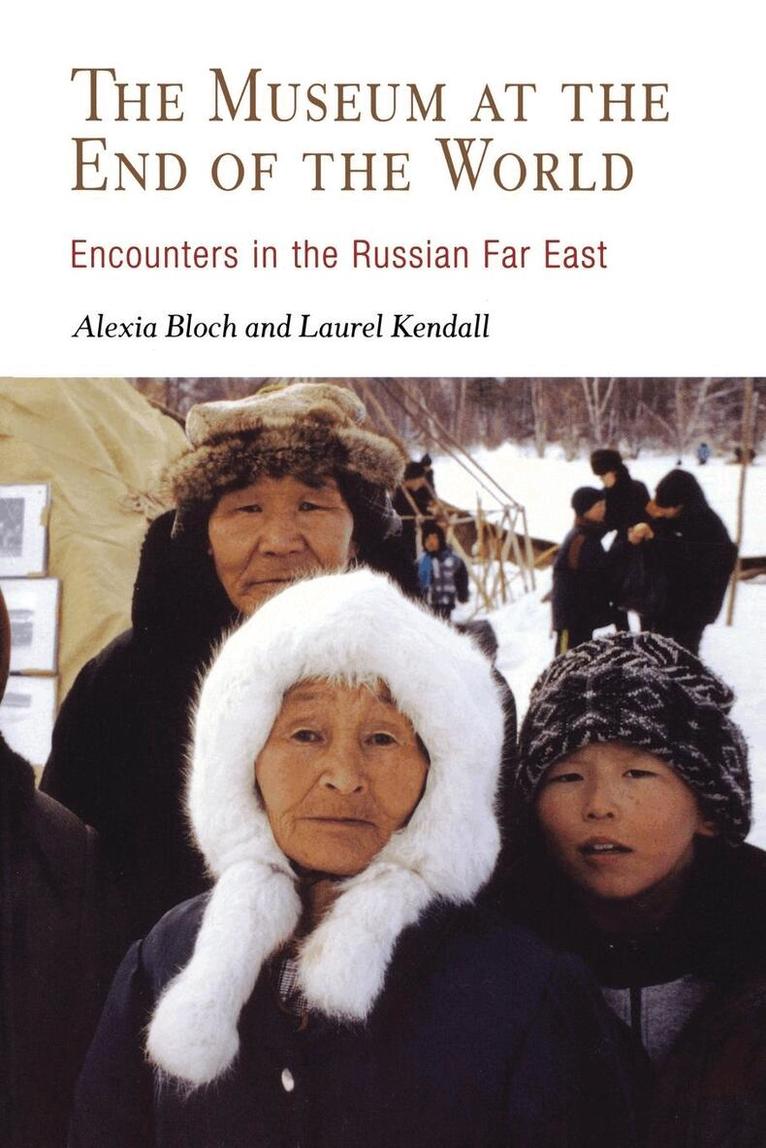
A little over a century ago the American Museum of Natural History launched its ambitious Jesup North Pacific Expedition to learn more about the peoples inhabiting the remote easternmost extension of Siberia and the northwest coast of North America. In The Museum at the End of the World: Encounters in the Russian Far East, anthropologists Alexia Bloch and Laurel Kendall tell the story of their journey through this same part of the world in 1998, retracing the old expedition as they link the expedition legacy of artifacts, photographs, and archival material from the museum in New York to the present-day descendants of its subjects.Contrasting the time of the Jesup expedition with their own travel, the authors reveal a physical and cultural landscape that was profoundly shaken over the past century, first by Soviet control and then by that empire's unraveling. The Museum at the End of the World is not the story of a heroic adventure but rather a series of conversations about Siberian culture with museum workers, native scholars, performers and artisans, and a great variety of ordinary people. They reveal a strong concern about past legacies, cultural preservation, and their uncertain future as they struggle to reinvent themselves.The authors' combination of travelers' curiosity and professional inquiry provide a compelling portrait of life in the Russian Far East and a meditation on the fate of culture and tradition in the face of hard economic times and sudden autonomy after decades of state control.
650 kr
Skickas inom 10-15 vardagar
195 kr
Skickas inom 10-15 vardagar
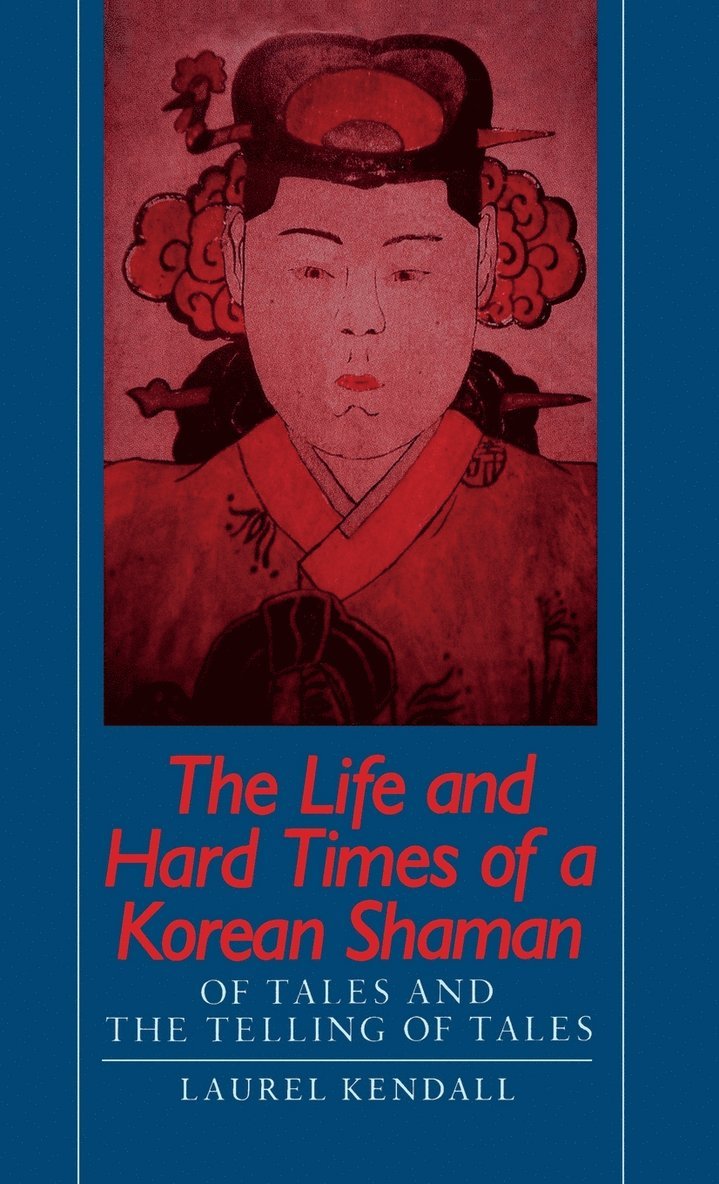
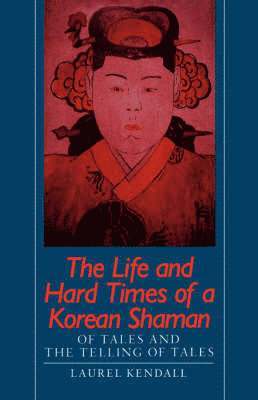
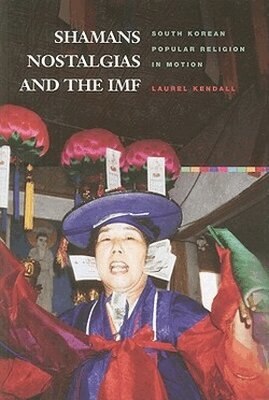
This exceptionally well-written book is good reading, not only for specialists but also for beginning students interested in women, Korean culture, and shamanism.
263 kr
Skickas inom 10-15 vardagar
246 kr
Tillfälligt slut
530 kr
Skickas inom 10-15 vardagar
179 kr
Skickas inom 7-10 vardagar
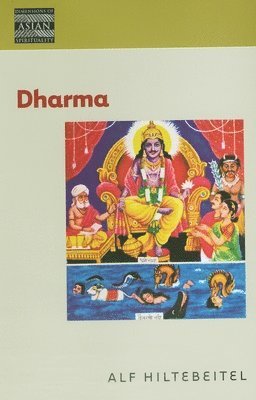
This introductory work proposes a fresh take on the ancient Indian concept dharma. By unfolding how, even in its developments as "law" and custom, dharma participates in nuanced and multifarious understandings of the term that play out in India’s great spiritual traditions, the book offers insights into the innovative character of both Hindu and Buddhist usages of the concept. Alf Hiltebeitel, in an original approach to early Buddhist usages, explores how the Buddhist canon brought out different meanings of dharma. This is followed by an exposition of the hypothesis that most, if not all, of the Hindu law books flowered after the third-century BC emperor Asoka, a Buddhist, made dharma the guiding principle of an entire realm and culture. A discussion built around the author’s expertise on the Sanskrit epics shows how their narratives amplified the new Brahmanical norms and brought out the ethical dilemmas and spiritual teachings that arose from inquiry into dharma.A chapter on the tale of the Life of the Buddha considers the relation between dharma, moksa/nirvana (salvation), and bhakti (devotion). Here, Hiltebeitel ties together a thread that runs through the entire story, which is the Buddha’s tendency to present dharma as a kind of civil discourse. In this sense, dharma challenges people to think critically or at least more creatively about their ethical principles and the foundations of their own spiritual values. A closing chapter on dharma in the twenty-first century explores its new cachet in an era of globalization, its diasporic implications, its openings into American popular culture, some implications for women, and the questions it is still raising for modern India.
306 kr
Skickas inom 7-10 vardagar
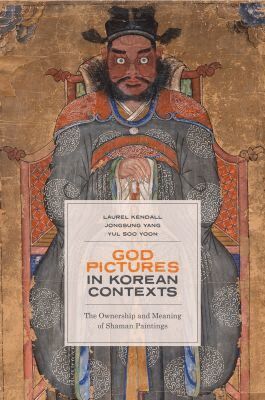
Shamans depicted walking on knives, fairies shown riding on clouds, kings astride dragon mounts: some find such pictures unsettling, some charming. Pursued by collectors, venerated as the seats of gods, Korean shaman paintings are all of these things.Laurel Kendall, Jongsung Yang, and Yul Soo Yoon explore what it is that makes these works magical or sacred—more than """"just paintings."""" What does it mean for a picture to carry the trace of a god? Once animated and revered, can it ever be a mere painting again? How have shaman paintings been revalued as art? Do artfulness and magic ever intersect? Is the market value of a painting influenced by whether or not it was once a sacred object? Navigating the journey shaman paintings make from painters' studios to shaman shrines to private collections and museums, the three authors deftly navigate the borderland between scholarly interests in the production and consumption of material religion and the consumption and circulation of art.Illustrated with sixty images in color and black and white, the book offers a new vantage point on """"the social life of things."""" This is not the story of a collecting West and a disposing rest: the primary collectors and commentators on Korean shaman paintings are South Koreans re-imagining their own past in light of their own modernist sensibility. It is a tale that must be told together with the recent history of South Korea and an awareness of the problematic question of how the paintings are understood by different South Korean actors—most particularly the shamans and collectors who share a common language and sometimes meet face-to-face.
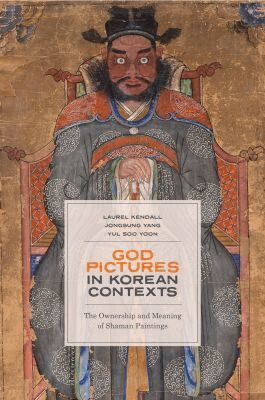
God Pictures in Korean Contexts
The Ownership and Meaning of Shaman Paintings
Inbunden, Engelska, 2015
606 kr
Skickas inom 7-10 vardagar
Shamans depicted walking on knives, fairies shown riding on clouds, kings astride dragon mounts: some find such pictures unsettling, some charming. Pursued by collectors, venerated as the seats of gods, Korean shaman paintings are all of these things.Laurel Kendall, Jongsung Yang, and Yul Soo Yoon explore what it is that makes these works magical or sacred—more than """"just paintings."""" What does it mean for a picture to carry the trace of a god? Once animated and revered, can it ever be a mere painting again? How have shaman paintings been revalued as art? Do artfulness and magic ever intersect? Is the market value of a painting influenced by whether or not it was once a sacred object? Navigating the journey shaman paintings make from painters' studios to shaman shrines to private collections and museums, the three authors deftly navigate the borderland between scholarly interests in the production and consumption of material religion and the consumption and circulation of art.Illustrated with sixty images in color and black and white, the book offers a new vantage point on """"the social life of things."""" This is not the story of a collecting West and a disposing rest: the primary collectors and commentators on Korean shaman paintings are South Koreans re-imagining their own past in light of their own modernist sensibility. It is a tale that must be told together with the recent history of South Korea and an awareness of the problematic question of how the paintings are understood by different South Korean actors—most particularly the shamans and collectors who share a common language and sometimes meet face-to-face.
327 kr
Skickas inom 7-10 vardagar
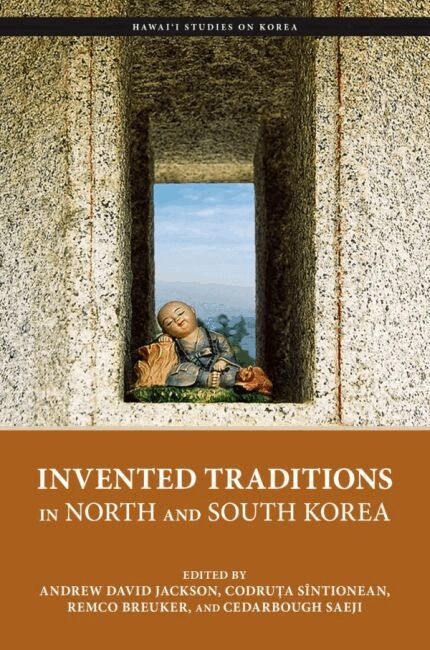
Almost forty years after the publication of Hobsbawm and Ranger’s The Invention of Tradition, the subject of invented traditions—cultural and historical practices that claim a continuity with a distant past but which are in fact of relatively recent origin—is still relevant, important, and highly contentious. Invented Traditions in North and South Korea examines the ways in which compressed modernity, Cold War conflict, and ideological opposition has impacted the revival of traditional forms in both Koreas. The volume is divided thematically into sections covering: (1) history, religions, (2) language, (3) music, food, crafts, and finally, (4) space. It includes chapters on pseudo-histories, new religions, linguistic politeness, literary Chinese, p’ansori, heritage, North Korean food, architecture, and the invention of children’s pilgrimages in the DPRK. As the first comparative study of invented traditions in North and South Korea, the book takes the reader on a journey through Korea’s epic twentieth century, examining the revival of culture in the context of colonialism, decolonization, national division, dictatorship, and modernization. The book investigates what it describes as "monumental" invented traditions formulated to maintain order, loyalty, and national identity during periods of political upheaval as well as cultural revivals less explicitly connected to political power. Invented Traditions in North and South Korea demonstrates that invented traditions can teach us a great deal about the twentieth-century political and cultural trajectories of the two Koreas. With contributions from historians, sociologists, folklorists, scholars of performance, and anthropologists, this volume will prove invaluable to Koreanists, as well as teachers and students of Korean and Asian studies undergraduate courses.