Luigi Achilli - Böcker
Visar alla böcker från författaren Luigi Achilli. Handla med fri frakt och snabb leverans.
2 produkter
2 produkter
481 kr
Skickas inom 7-10 vardagar
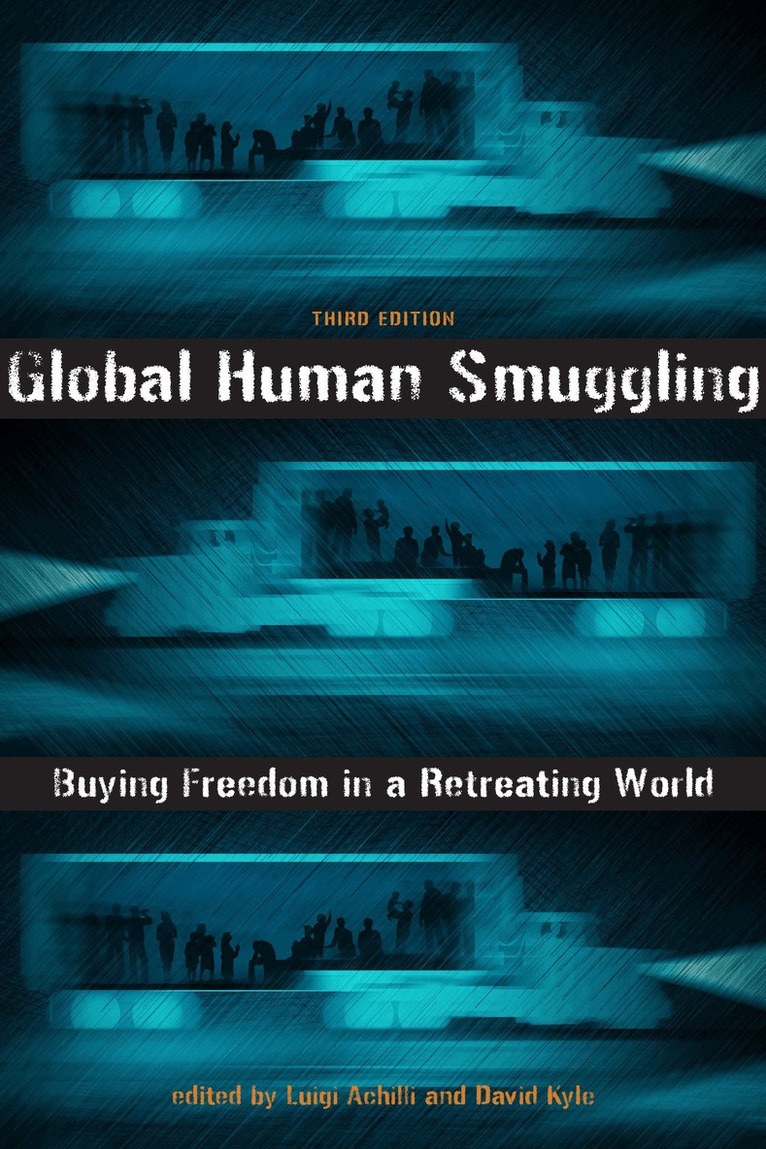
Completely revised and updated: an essential edited collection of essays on global human smuggling.Migrant smuggling is now more entrenched than ever in many regions around the world, with efforts to combat it both largely unsuccessful and often counterproductive. In Global Human Smuggling, editors Luigi Achilli and David Kyle bring together up-to-date contributions from a wide array of interdisciplinary scholars on the most important issues related to this global phenomenon.Contributors explore human smuggling in several nuanced forms across diverse regions, examining its deep historical, social, economic, and cultural roots as well as its broad political consequences. This volume represents a cutting-edge chronicle of the state of human smuggling today, its many complexities not easily reduced to simple moral narratives, and how researchers uncover the lives it affects, both directly and indirectly. Just as migrants cross borders for a variety of reasons, many of those involved in migrant smuggling activities have an equally diverse set of motivations and organizations, ranging from those helping people escape persecution and violence to transnational criminal syndicates preying on the vulnerabilities of migrants attempting to leave their countries.Building on the pioneering work of its previous two editions, this new volume introduces contributions organized by the themes of control, complexity, and creativity. Spanning issues around the world, the essays in this essential collection cover topics such as global migrant smuggling networks, government responses, multinational initiatives against human trafficking for sexual exploitation, representations of human smuggling in mainstream narratives of migration, and more. With nineteen new contributors, the third edition of Global Human Smuggling represents the progress of human smuggling research on every continent and offers a rare research-based and conceptual framework for the study of this critical global issue.
1 888 kr
Skickas inom 10-15 vardagar
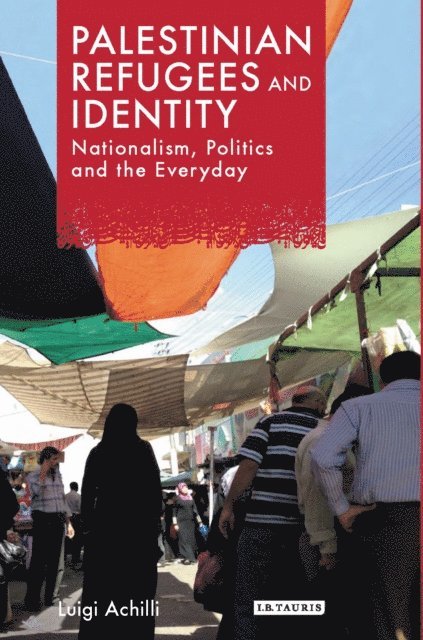
After the creation of the State of Israel in 1948, Palestinian refugees fled over the border into Jordan, which in 1950 formally annexed the West Bank. In the wake of the 1967 War, another wave of Palestinians sought refuge in the Hashemite kingdom. Today, 42 per cent of registered Palestinian refugees live in Jordan. As a result of this historical context, one might expect Palestinian refugee camps to be highly politicised spaces. Yet Luigi Achilli argues in this book that there is in fact a relative absence of political activity. Instead, what is prevalent is a desire to live an ‘ordinary life’. It is within the framework of the performing and creating everyday life – working, praying, relaxing, watching football matches, surfing the internet, or idling in barber shops – that Achilli examines nationalism and identity. Palestinian refugees have been traditionally depicted by the Western media as inherently political beings, ready to fight and resist all attempts to quash their nationalist struggle. But except for occasional political demonstrations and events, neither the political turmoil in Gaza and the West Bank, nor the uprisings throughout the Middle East of 2011, have roused refugees out of what they described as the ordinary course of daily life in the camp. Achilli argues instead that refugee daily life in many ways revolves around the practice of suspending the political. The performative and reiterative dimensions of ordinary activities have not, however, precluded refugees from feeling an affinity for many of the meanings, ideals, and values of Palestinian nationalism. Achilli holds that it is through the desire for an ‘ordinary life’ that these Palestinian refugees are able to assert their own meanings and understandings of national identity against the more inflexible interpretations provided by the political systems in Gaza and the West Bank. Examining the concepts of ‘everyday’ Islam as well as the construction of masculine identity in the camps, Achilli offers vital analysis of the complexities and ambiguities of camp-dwellers’ experience of the political in ordinary times.