Lynne Sebastian - Böcker
Visar alla böcker från författaren Lynne Sebastian. Handla med fri frakt och snabb leverans.
3 produkter
3 produkter
279 kr
Skickas inom 7-10 vardagar
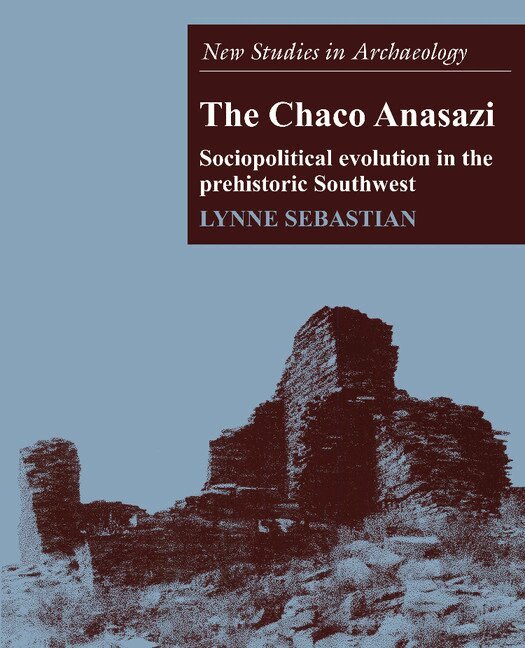
In the tenth century AD, a remarkable cultural development took place in the harsh and forbidding San Juan Basin of northwestern New Mexico. From small-scale, simply organised, prehistoric Pueblo societies, a complex and socially differentiated political system emerged which has become known as the Chaco Phenomenon. The origins, evolution, and decline of this system have long been the subject of intense archaeological debate. Lynne Sebastian examines the transition of the Chaco system from an acephalous society, in which leadership was situational and most decision making carried out within kinship structures, to a hierarchically organised political structure with institutional roles of leadership. She argues that harsh environmental factors were not the catalyst for the transition, as has previously been thought. Rather, the increasing political complexity was a consequence of improved rainfall in the region which permitted surplus production, thus allowing those farming the best land to capitalise on the material success. By combining information on political evolution with archaeological data and the results of a computer simulation, she is able to produce a sociopolitically based model of the rise, florescence, and decline of the Chaco Phenomenon.
Tracking Ancient Footsteps
William D. Lipe's Contributions to Southwestern Prehistory and Public Archaeology
Häftad, Engelska, 2006
227 kr
Skickas inom 11-20 vardagar
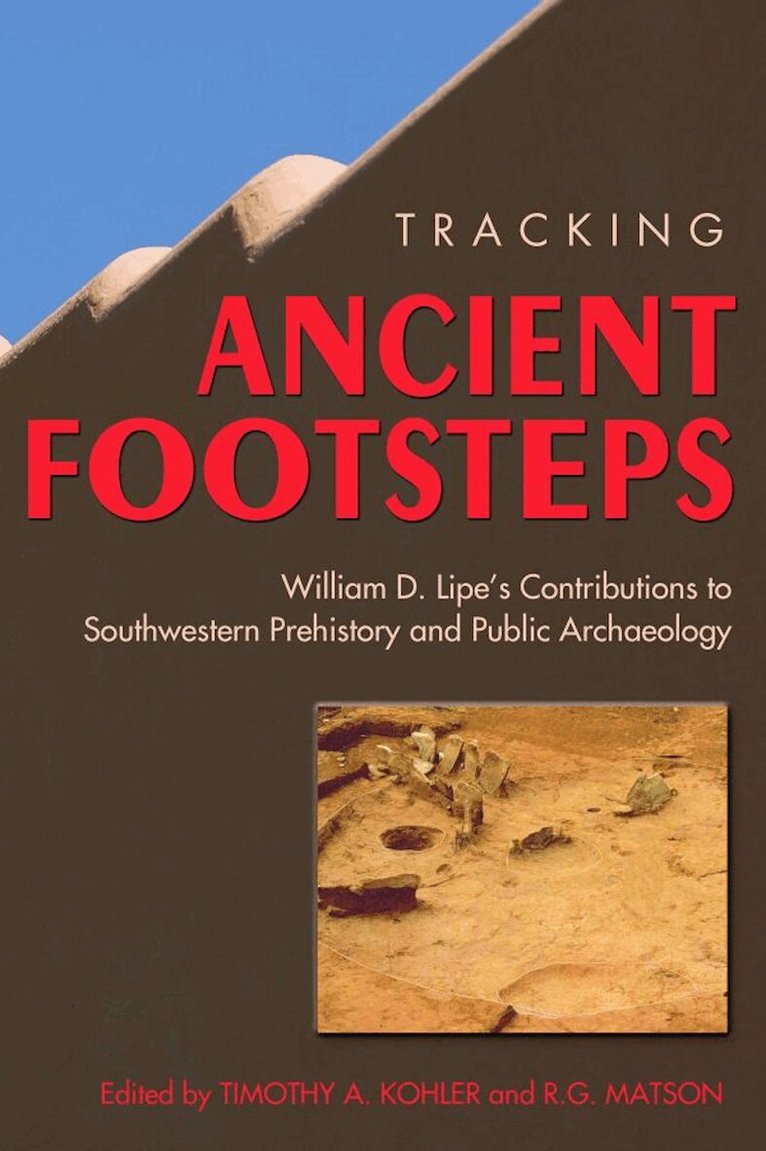
Tracking Ancient Footsteps celebrates William D. Lipe's five-decade career in Southwestern and conservation archaeology. From the arid expanses of Glen Canyon, the Red Rock Plateau, and Cedar Mesa in Utah, to the relatively lush Dolores Valley and Mesa Verde regions of Colorado, Lipe participated in the key projects defining much of what is known today about the ancient Native American past in the Southwest. And, in 1974, he provided a timely definition for "public archaeology" that influences researchers and land managers to the present time. In Tracking Ancient Footsteps, nine of his close colleagues share their experiences, providing a chronology of one man's life intersecting with our understanding of Southwestern Prehistory, the role of government land-holding agencies, and the archaeological profession as a whole.
371 kr
Skickas inom 7-10 vardagar
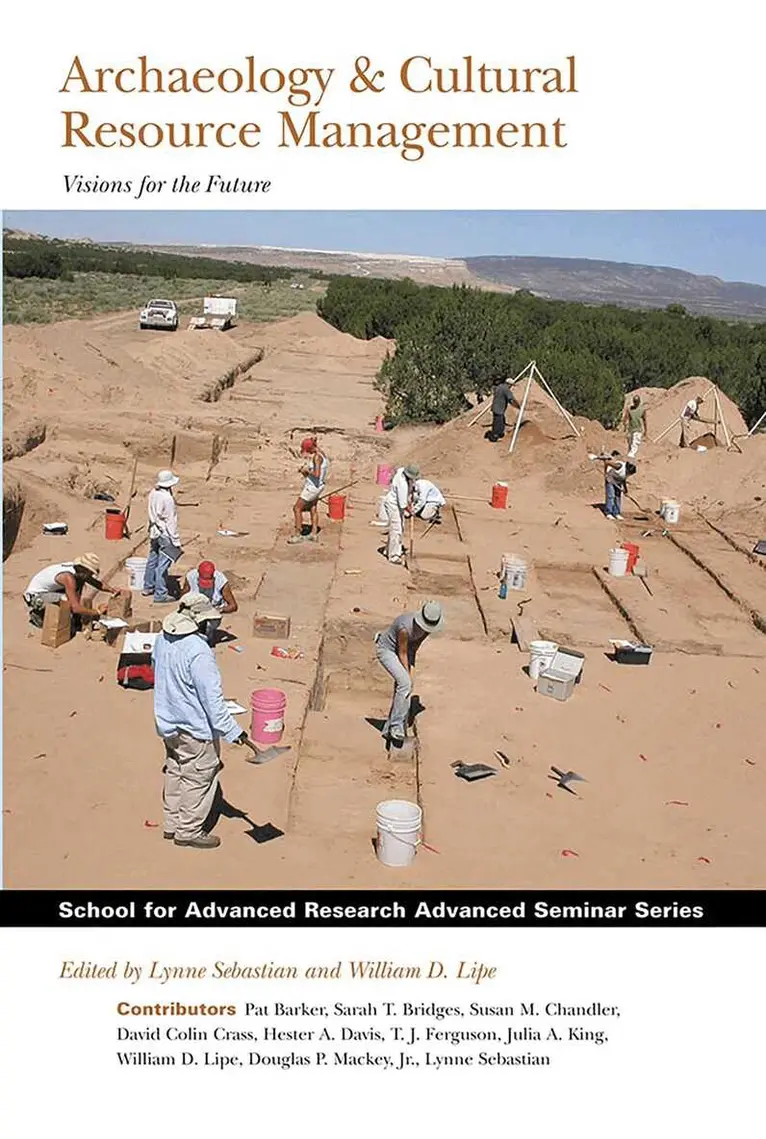
By most estimates, as much as 90 percent of the archaeology done in the United States today is carried out in the field of cultural resource management. The effects of this work on the archaeological record, the archaeological profession, and the heritage of the American people would be difficult to overemphasize. CRM archaeology affects a wide range of federally funded or authorized developments. It influences how archaeologists educate their students, work with indigenous people, and curate field records and artifacts. It has yielded an enormous wealth of data on which most recent advances in the understanding of North American archaeology depend. This is "public" archaeology in the clearest sense of the word: it is done because of federal law and policy, and it is funded directly or indirectly by the public. The contributors hope that this book will serve as an impetus in American archaeology for dialogue and debate on how to make CRM projects and programs yield both better archaeology and better public policy.