M. J. Peterson - Böcker
Visar alla böcker från författaren M. J. Peterson. Handla med fri frakt och snabb leverans.
6 produkter
6 produkter
618 kr
Skickas inom 10-15 vardagar
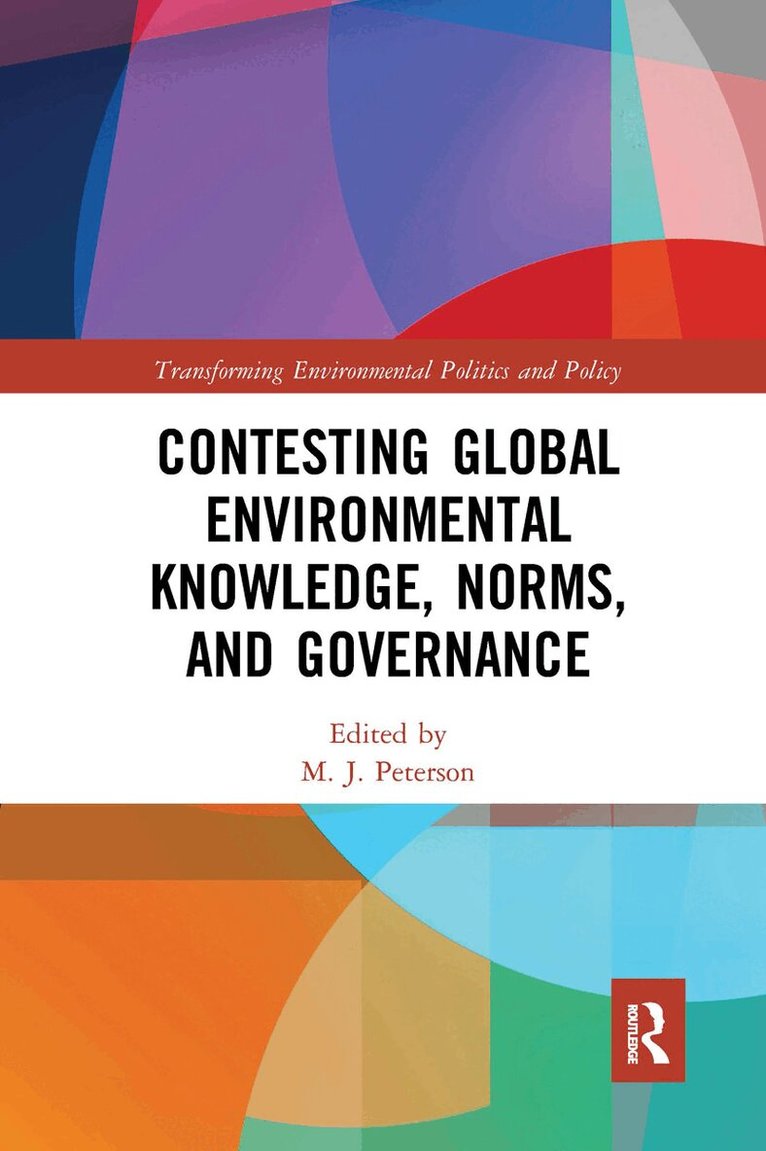
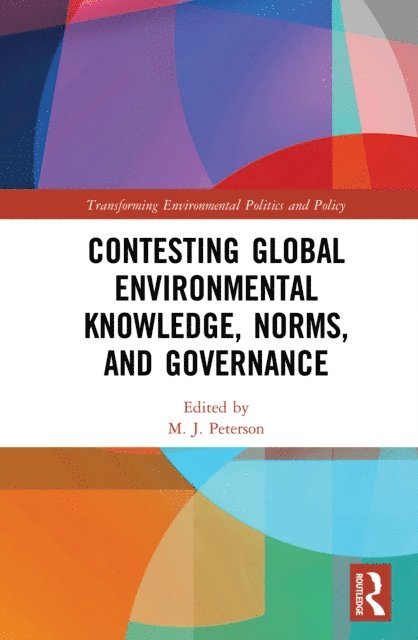
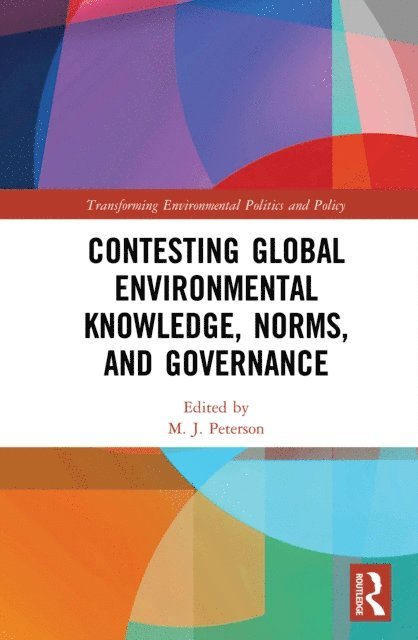
Through theoretical discussions and case studies, this volume explores how processes of contestation about knowledge, norms, and governance processes shape efforts to promote sustainability through international environmental governance.The epistemic communities literature of the 1990s highlighted the importance of expert consensus on scientific knowledge for problem definition and solution specification in international environmental agreements. This book addresses a gap in this literature – insufficient attention to the multiple forms of contestation that also inform international environmental governance. These forms include within-discipline contestation that helps forge expert consensus, inter-disciplinary contestation regarding the types of expert knowledge needed for effective response to environmental problems, normative and practical arguments about the proper roles of experts and laypersons, and contestation over how to combine globally developed norms and scientific knowledge with locally prevalent norms and traditional knowledge in ways ensuring effective implementation of environmental policies. This collection advances understanding of the conditions under which contestation facilitates or hinders the development of effective global environmental governance. The contributors examine how attempts to incorporate more than one stream of expert knowledge and to include lay knowledge alongside it have played out in efforts to create and maintain multilateral agreements relating to environmental concerns.It will interest scholars and graduate students of political science, global governance, international environmental politics, and global policy making. Policy analysts should also find it useful.
Del 20 - Studies in International Political Economy
Managing the Frozen South
The Creation and Evolution of the Antarctic Treaty System
Häftad, Engelska, 2021
370 kr
Skickas inom 7-10 vardagar
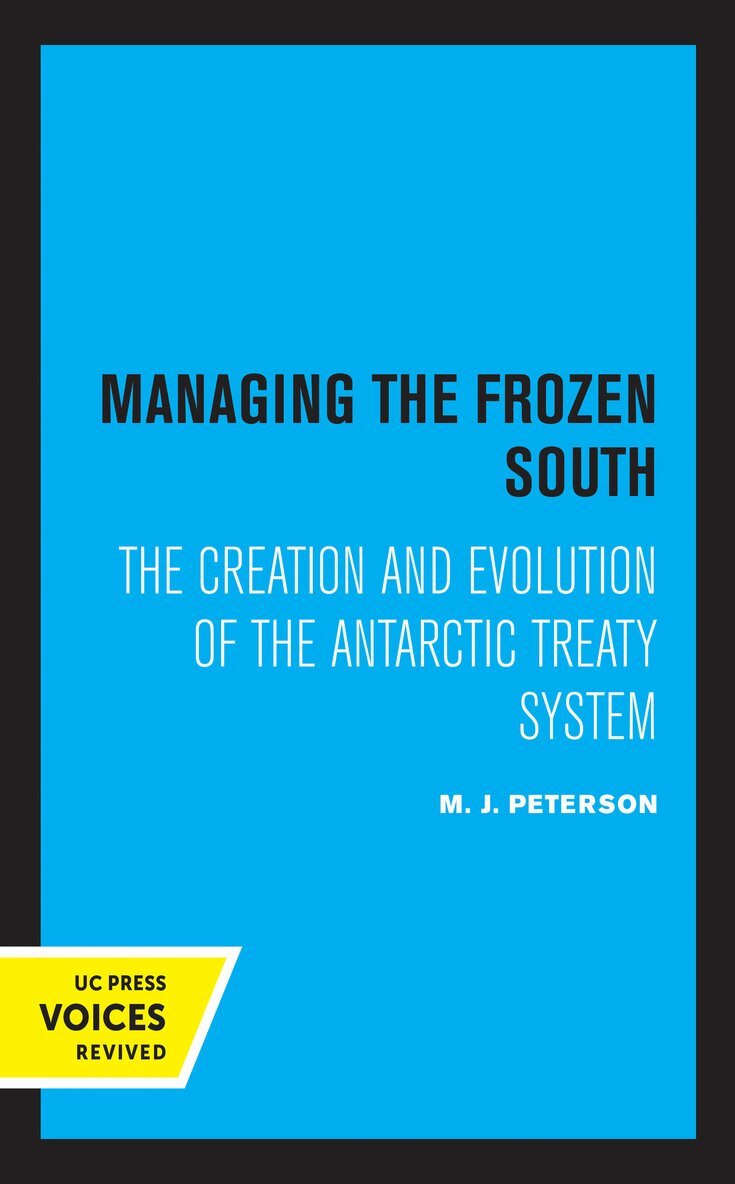
Managing the Frozen South: The Creation and Evolution of the Antarctic provides a comprehensive analysis of the Antarctic Treaty System, a groundbreaking international agreement that transformed Antarctica into a nonmilitarized, nuclear-weapons-free zone dedicated to peaceful scientific research. Signed in 1959, the treaty represented an unprecedented triumph of diplomacy, averting potential conflicts over sovereignty and resource exploitation in one of the world's most remote regions. The text delves into the treaty’s origins, its operational principles, and its enduring impact on international cooperation.The narrative highlights how the treaty emerged as a model of international regimes, where participating nations set aside territorial claims to pursue shared scientific and environmental objectives. The study examines the challenges posed by evolving global interests, particularly in resource exploitation and the growing influence of non-treaty nations. By exploring these dynamics, the book provides valuable insights into the treaty's ability to adapt through auxiliary agreements and its potential vulnerabilities in a shifting geopolitical landscape. This work is essential reading for understanding the complexities of managing global commons and fostering cooperation in the face of competing national interests.This title is part of UC Press's Voices Revived program, which commemorates University of California Press’s mission to seek out and cultivate the brightest minds and give them voice, reach, and impact. Drawing on a backlist dating to 1893, Voices Revived makes high-quality, peer-reviewed scholarship accessible once again using print-on-demand technology. This title was originally published in 1988.
Del 20 - Studies in International Political Economy
Managing the Frozen South
The Creation and Evolution of the Antarctic Treaty System
Inbunden, Engelska, 2021
1 352 kr
Skickas inom 3-6 vardagar
Managing the Frozen South: The Creation and Evolution of the Antarctic provides a comprehensive analysis of the Antarctic Treaty System, a groundbreaking international agreement that transformed Antarctica into a nonmilitarized, nuclear-weapons-free zone dedicated to peaceful scientific research. Signed in 1959, the treaty represented an unprecedented triumph of diplomacy, averting potential conflicts over sovereignty and resource exploitation in one of the world's most remote regions. The text delves into the treaty’s origins, its operational principles, and its enduring impact on international cooperation.The narrative highlights how the treaty emerged as a model of international regimes, where participating nations set aside territorial claims to pursue shared scientific and environmental objectives. The study examines the challenges posed by evolving global interests, particularly in resource exploitation and the growing influence of non-treaty nations. By exploring these dynamics, the book provides valuable insights into the treaty's ability to adapt through auxiliary agreements and its potential vulnerabilities in a shifting geopolitical landscape. This work is essential reading for understanding the complexities of managing global commons and fostering cooperation in the face of competing national interests.This title is part of UC Press's Voices Revived program, which commemorates University of California Press’s mission to seek out and cultivate the brightest minds and give them voice, reach, and impact. Drawing on a backlist dating to 1893, Voices Revived makes high-quality, peer-reviewed scholarship accessible once again using print-on-demand technology. This title was originally published in 1988.
972 kr
Tillfälligt slut
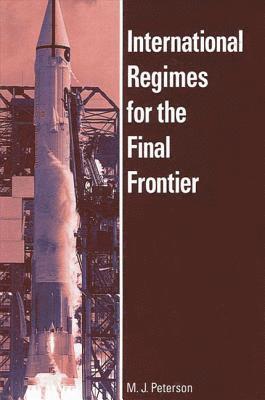
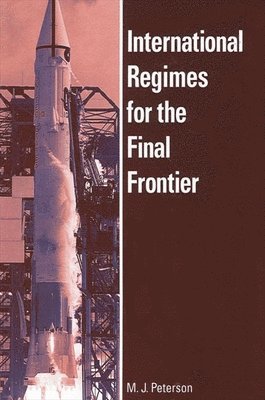
Examines the negotiations between nations that lead to international agreements regulating human activity in outer space.Neither rational choice theory, with its emphasis on interest calculation, nor sociological institutionalist theory, with its emphasis on identity-defined rule following, indicates how governments determine which of their multiple interests or identities are at stake in a particular situation or how they develop mutual comprehension of each other's goals. International Regimes for the Final Frontier addresses these gaps by tracing how governments approach an unfamiliar issue-in this case, international agreements regulating human activity in outer space between 1958 and 1988-and examines three ways situation definitions channel governments' approaches to issues or problems.
402 kr
Tillfälligt slut
Examines the negotiations between nations that lead to international agreements regulating human activity in outer space.Neither rational choice theory, with its emphasis on interest calculation, nor sociological institutionalist theory, with its emphasis on identity-defined rule following, indicates how governments determine which of their multiple interests or identities are at stake in a particular situation or how they develop mutual comprehension of each other's goals. International Regimes for the Final Frontier addresses these gaps by tracing how governments approach an unfamiliar issue-in this case, international agreements regulating human activity in outer space between 1958 and 1988-and examines three ways situation definitions channel governments' approaches to issues or problems.
2 113 kr
Skickas inom 10-15 vardagar
Through theoretical discussions and case studies, this volume explores how processes of contestation about knowledge, norms, and governance processes shape efforts to promote sustainability through international environmental governance.The epistemic communities literature of the 1990s highlighted the importance of expert consensus on scientific knowledge for problem definition and solution specification in international environmental agreements. This book addresses a gap in this literature – insufficient attention to the multiple forms of contestation that also inform international environmental governance. These forms include within-discipline contestation that helps forge expert consensus, inter-disciplinary contestation regarding the types of expert knowledge needed for effective response to environmental problems, normative and practical arguments about the proper roles of experts and laypersons, and contestation over how to combine globally developed norms and scientific knowledge with locally prevalent norms and traditional knowledge in ways ensuring effective implementation of environmental policies. This collection advances understanding of the conditions under which contestation facilitates or hinders the development of effective global environmental governance. The contributors examine how attempts to incorporate more than one stream of expert knowledge and to include lay knowledge alongside it have played out in efforts to create and maintain multilateral agreements relating to environmental concerns.It will interest scholars and graduate students of political science, global governance, international environmental politics, and global policy making. Policy analysts should also find it useful.