Maciej Górny – författare
Visar alla böcker från författaren Maciej Górny. Handla med fri frakt och snabb leverans.
10 produkter
Routledge Handbook of the History of Poland
Av Bartosz Dziewanowski-Stefańczyk, Maciej Górny m. fl.
Inbunden, 2026
3894 kr
Lägg i varukorg
This book presents the history of Poland through the lens of selected phenomena that demonstrate pan-European and global processes. It tells the story of feudalism, parliamentarism, nationalism and modernization, and explains how these processes emerged, developed or were implemented in Poland.The …
Routledge Handbook of the History of Poland
Av Katrin Steffen, Maciej Gorny m. fl.
E-bok, 2026
935 kr
Lägg i varukorg
This book presents the history of Poland through the lens of selected phenomena that demonstrate pan-European and global processes. It tells the story of feudalism, parliamentarism, nationalism and modernization, and explains how these processes emerged, developed or were implemented in Poland.The …
Routledge Handbook of the History of Poland
Av Katrin Steffen, Maciej Gorny m. fl.
E-bok, 2026
915 kr
Lägg i varukorg
This book presents the history of Poland through the lens of selected phenomena that demonstrate pan-European and global processes. It tells the story of feudalism, parliamentarism, nationalism and modernization, and explains how these processes emerged, developed or were implemented in Poland.The …
»Die Wahrheit ist auf unserer Seite«
Nation, Marxismus und Geschichte im Ostblock
Av Maciej Górny, Blazej Bialkowski
Häftad, 2011
650 kr
Lägg i varukorg
Die mit mehreren polnischen Fachpreisen ausgezeichnete Studie analysiert die ostdeutsche, polnische und tschechoslowakische Geschichtswissenschaft nach dem Zweiten Weltkrieg. Der Autor untersucht die historischen Diskurse und stellt sie in den wissenschaftspolitischen Kontext der kommunistischen …
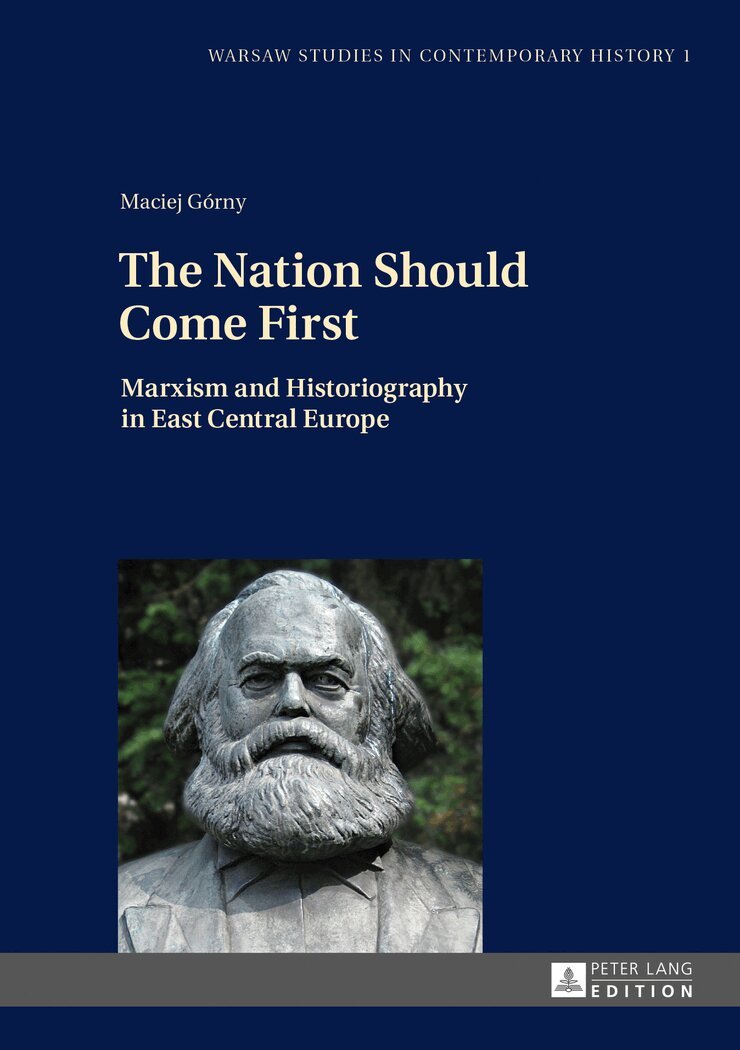
Nation Should Come First
Marxism and Historiography in East Central Europe
Av Maciej Górny
Inbunden, 2013
885 kr
Lägg i varukorg
By the second half of the 1940s, newly conquered nations of Central and Eastern Europe were expected to adjust multiple professions, including those related to the historical sciences, to the Soviet model. However, Marxism, soon to become the only acceptable methodology, was no longer understood in …
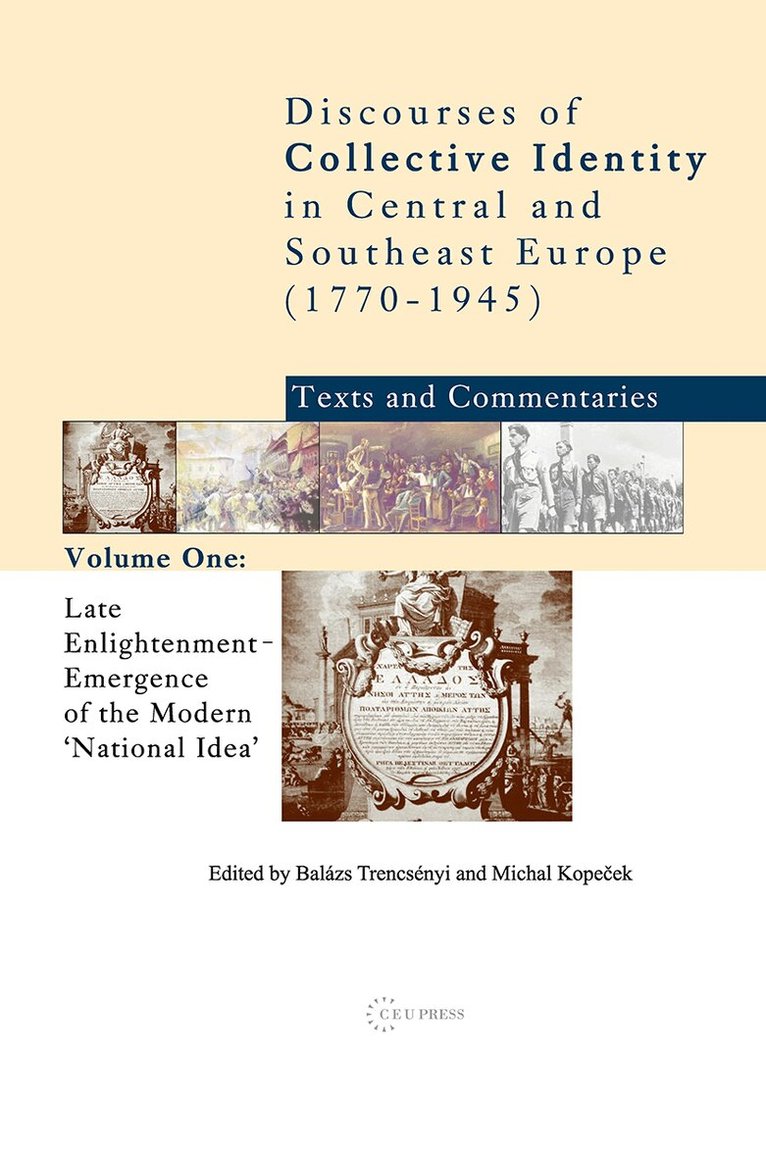
Late Enlightenment
Emergence of the Modern 'National Idea'
Av Vangelis Kechriotis, Ahmet Ersoy m. fl.
Inbunden, 2006
1996 kr
Lägg i varukorg
This volume represents the first in a four-volume series, a daring project by CEU Press which presents the most important texts that triggered and shaped the processes of nation-building in the many countries of Central and Southeast Europe. The series brings together scholars from Austria, …
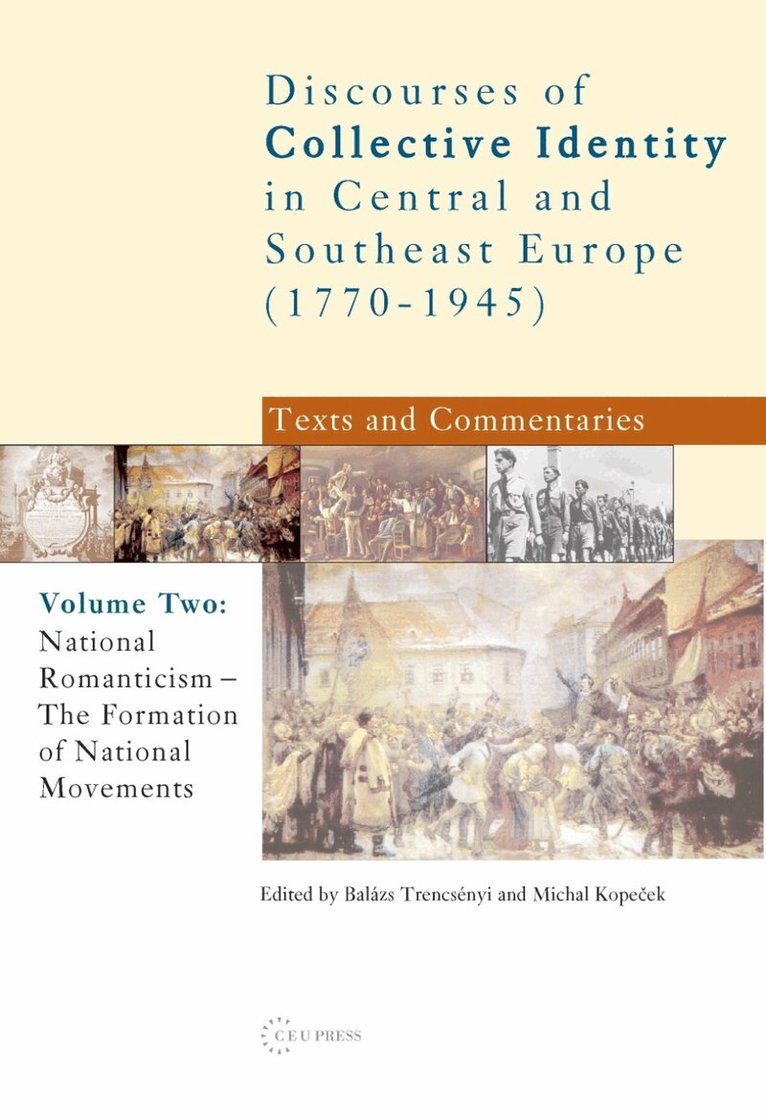
National Romanticism
The Formation of National Movements
Av Michal Kopecek, Marius Turda m. fl.
Inbunden, 2007
2339 kr
Lägg i varukorg
67 texts, including hymns, manifestos, articles or extracts from lengthy studies exemplify the relation between Romanticism and the national movements in the cultural space ranging from Poland to the Ottoman Empire. Each text is accompanied by a presentation of the author, and by an analysis of the …
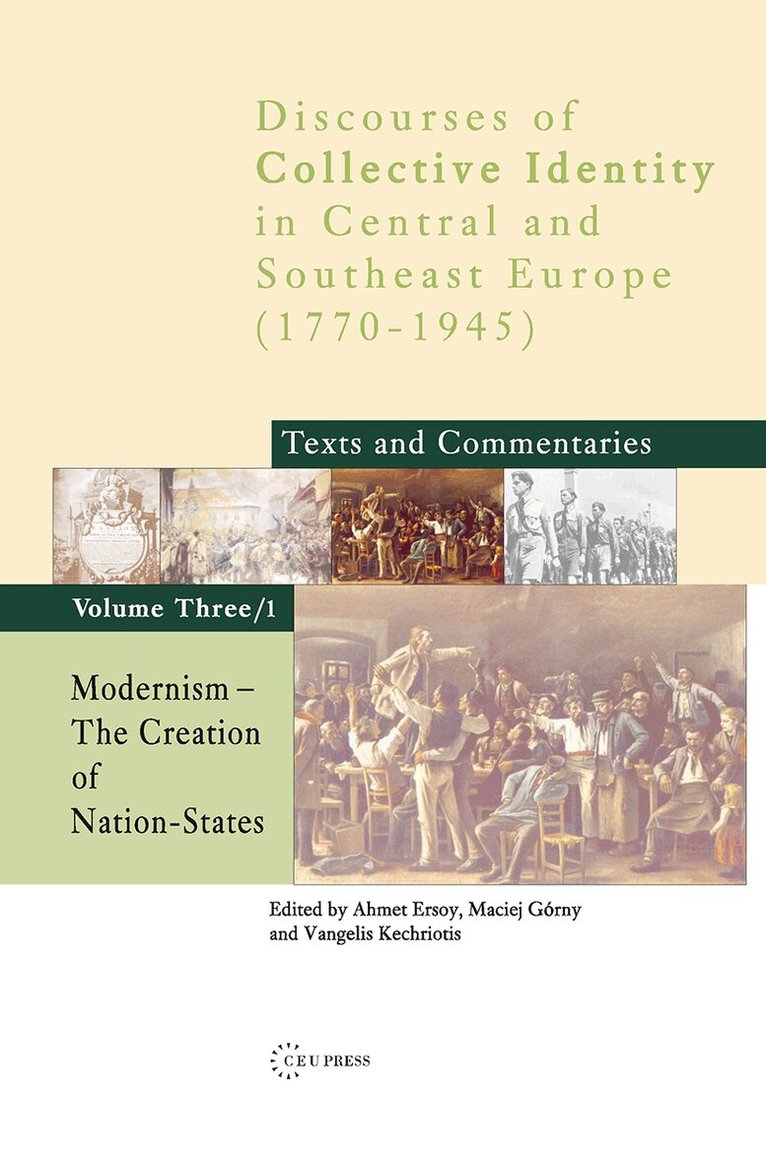
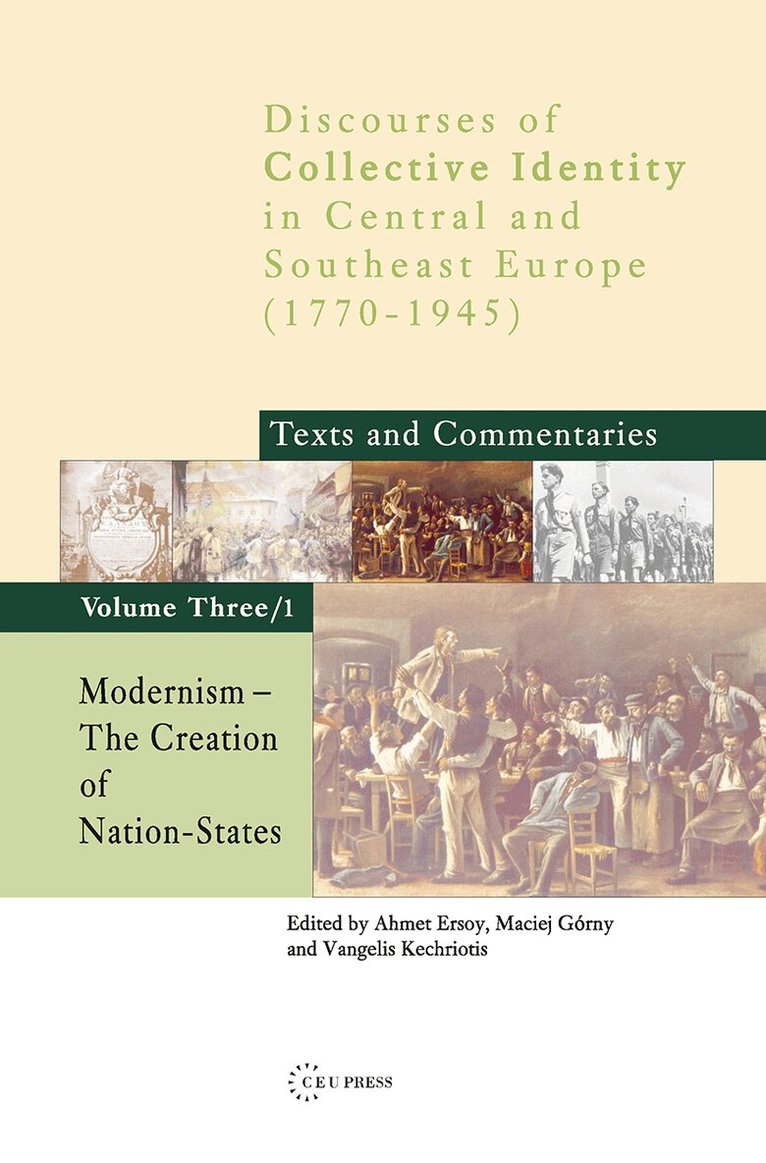
Modernism
The Creation of Nation-States
Av Ahmet Ersoy, Balázs Trencsényi m. fl.
Inbunden, 2010
2339 kr
Lägg i varukorg
This volume presents and illustrates the development of the ideologies of nation states, the modern successors of former empires. They exemplify the use modernist ideological framaeworks, from liberalism to socialism, in the context of the fundamental reconfiguration of the political system in this …
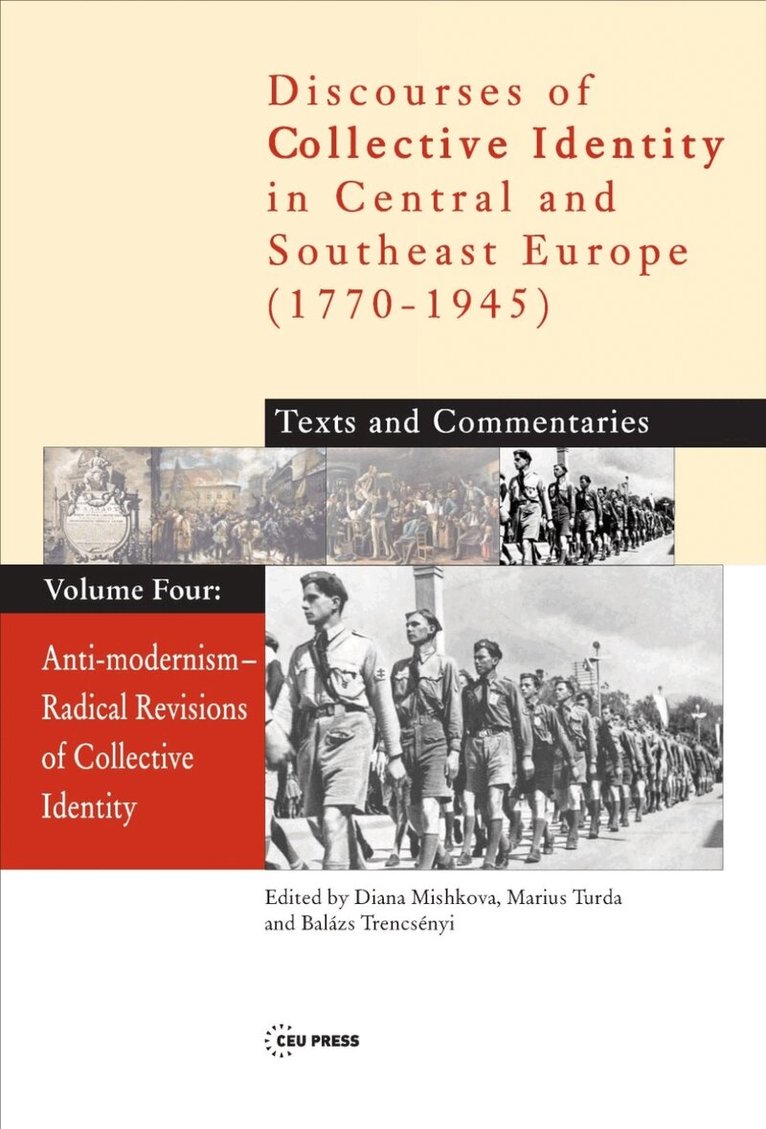
Anti-modernism
Radical Revisions of Collective Identity
Av Ahmet Ersoy, 0 m. fl.
Inbunden, 2014
2265 kr
Lägg i varukorg
The last volume of the Discourses of Collective Identity in Central and Southeast Europe 1770–1945 series presents 46 texts under the heading of "antimodernism". In a dynamic relationship with modernism, from the 1880s to the 1940s, and especially during the interwar period, the antimodernist …
Modernism
Representations of National Culture
Av Ahmet Ersoy, Maciej Górny m. fl.
Inbunden, 2010
2130 kr
Lägg i varukorg
Fifty-one texts illustrate the evolution of modernism in Eastern Europe. Essays, articles, poems, or excerpts from longer works offer new opportunities of possible comparisons of the respective national cultures. The volume focuses on the literary and scientific attempts at squaring the circle of …