Marc Howard Ross - Böcker
Visar alla böcker från författaren Marc Howard Ross. Handla med fri frakt och snabb leverans.
5 produkter
5 produkter
Management of Conflict
Interpretations and Interests in Comparative Perspective
Häftad, Engelska, 1995
433 kr
Skickas inom 5-8 vardagar
Complex social and political conflicts invariably have multiple roots rather than a single clear cause, and they are therefore difficult to manage effectively. Conflicts are about the interpretations of opponents' motives as well as the interests that antagonists pursue. Conflict management is most effective when it addresses not only the specific objects of contention but also adversaries' deeper, emotion-laden fears.Drawing on research and ideas delineated in his companion book, The Culture of Conflict, Marc Howard Ross offers a cross-cultural approach to conflict management. He identifies key features of constructive conflict management societies and evaluates three strategies of conflict management—self help, joint problem-solving, and third-party decision making—showing how each succeeds or fails in dealing with both disputants' interests and interpretations as causes of conflict. Exploring a wide variety of conflict management successes and failures—including the confrontation between MOVE and the city of Philadelphia, a public housing dispute in New York City, the return to warfare in post-colonial highland New Guinea, persistent hostility in Northern Ireland, and the Camp David Accords—Ross explains that how disputants' interests and interpretations are addressed affects the course of each dispute, its intensity, and the degree to which the dispute results in a constructive outcome. He offers the hypothesis that in bitter disputes modifying opponents' interpretations is a prerequisite for bridging differences in interests, stresses the need for models of successful conflict management, and suggests ways to expand constructive conflict management.
507 kr
Skickas inom 7-10 vardagar
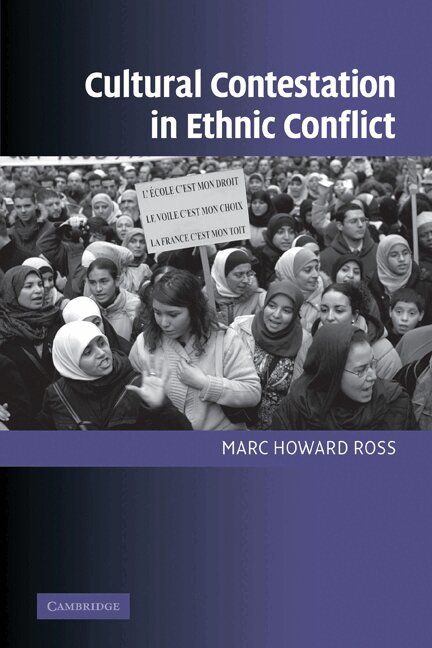
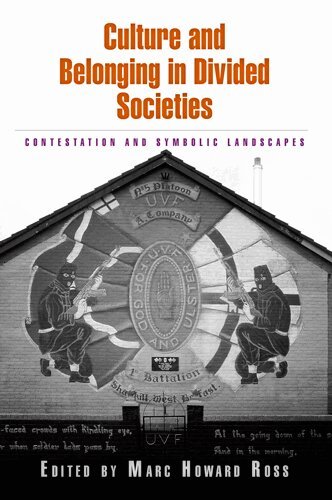
Ethnic conflict often focuses on culturally charged symbols and rituals that evoke strong emotions from all sides. Marc Howard Ross examines battles over diverse cultural expressions, including Islamic headscarves in France, parades in Northern Ireland, holy sites in Jerusalem and Confederate flags in the American South to propose a psychocultural framework for understanding ethnic conflict, as well as barriers to, and opportunities for, its mitigation. His analysis explores how culture frames interests, structures demand-making and shapes how opponents can find common ground to produce constructive outcomes to long-term disputes. He focuses on participants' accounts of conflict to identify emotionally significant issues, and the power of cultural expressions to link individuals to larger identities and shape action. Ross shows that, contrary to popular belief, culture does not necessarily exacerbate conflict; rather, the constructed nature of psychocultural narratives can facilitate successful conflict mitigation through the development of more inclusive narratives and identities.
942 kr
Skickas inom 7-10 vardagar
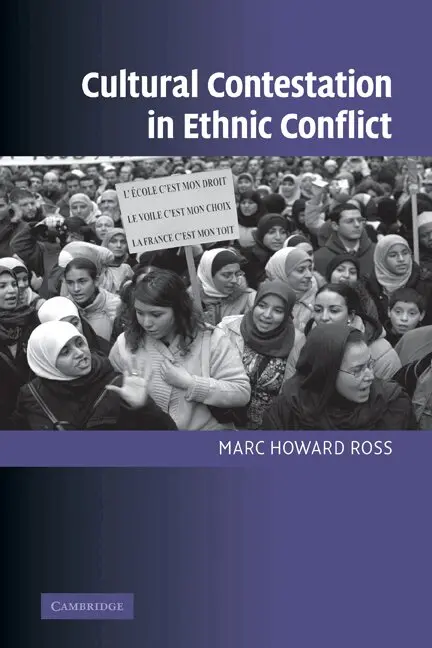
Ethnic conflict often focuses on culturally charged symbols and rituals that evoke strong emotions from all sides. Marc Howard Ross examines battles over diverse cultural expressions, including Islamic headscarves in France, parades in Northern Ireland, holy sites in Jerusalem and Confederate flags in the American South to propose a psychocultural framework for understanding ethnic conflict, as well as barriers to, and opportunities for, its mitigation. His analysis explores how culture frames interests, structures demand-making and shapes how opponents can find common ground to produce constructive outcomes to long-term disputes. He focuses on participants' accounts of conflict to identify emotionally significant issues, and the power of cultural expressions to link individuals to larger identities and shape action. Ross shows that, contrary to popular belief, culture does not necessarily exacerbate conflict; rather, the constructed nature of psychocultural narratives can facilitate successful conflict mitigation through the development of more inclusive narratives and identities.
694 kr
Skickas inom 3-6 vardagar
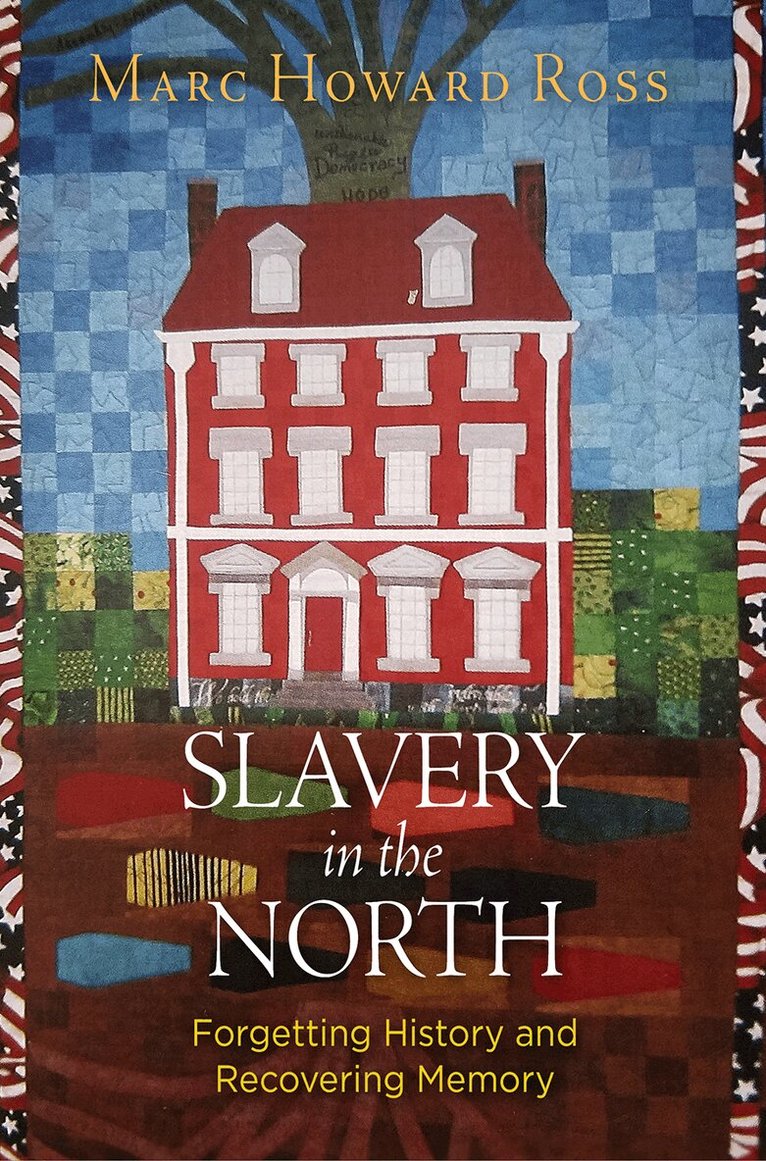
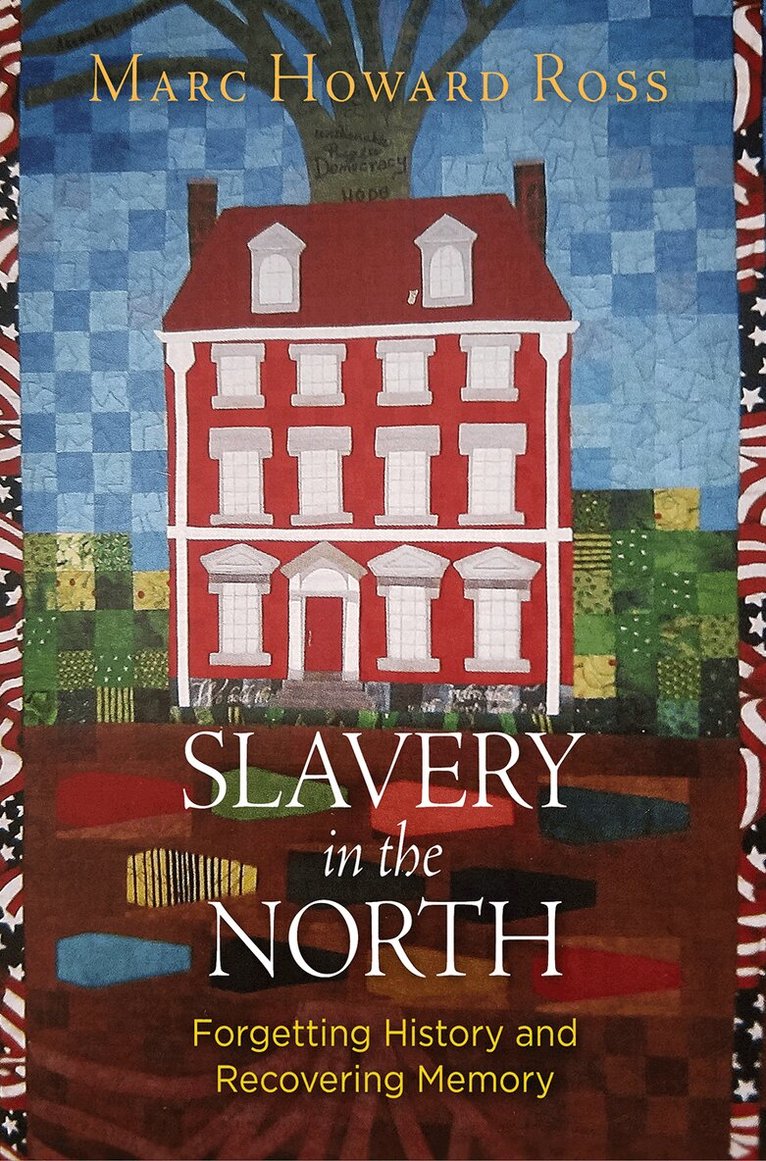
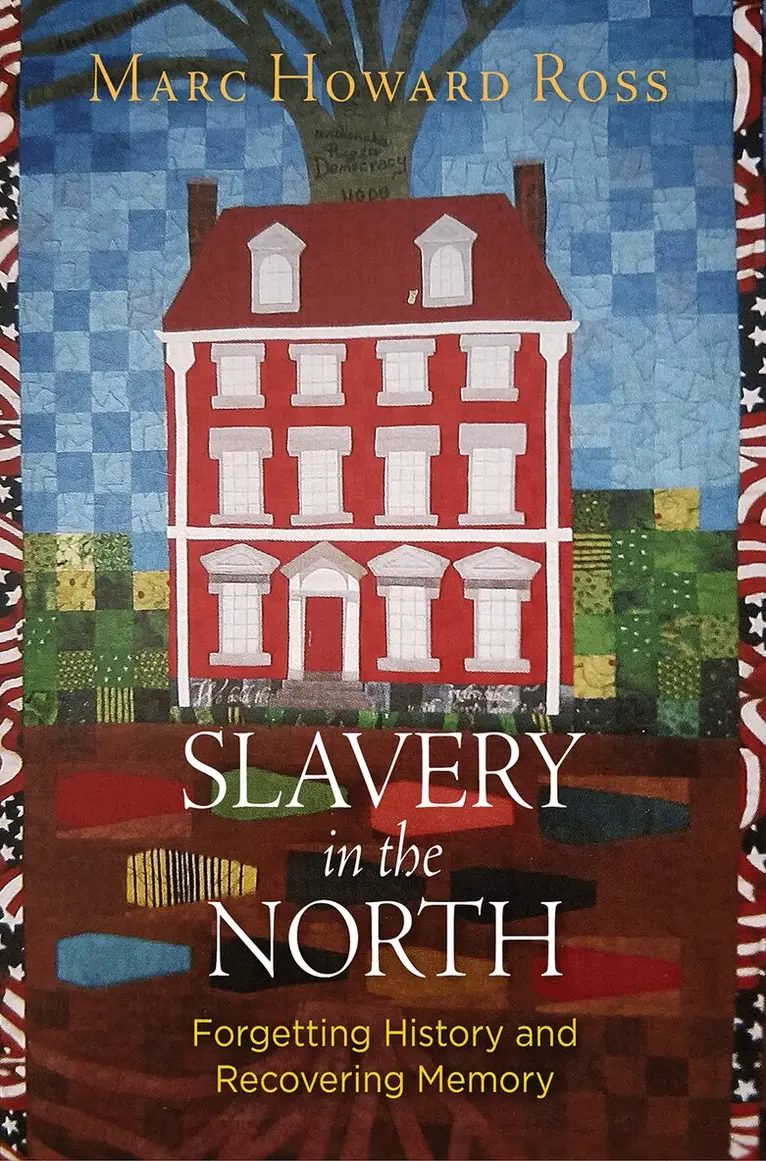
In 2002, we learned that President George Washington had eight (and, later, nine) enslaved Africans in his house while he lived in Philadelphia from 1790 to 1797. The house was only one block from Independence Hall and, though torn down in 1832, it housed the enslaved men and women Washington brought to the city as well as serving as the country's first executive office building. Intense controversy erupted over what this newly resurfaced evidence of enslaved people in Philadelphia meant for the site that was next door to the new home for the Liberty Bell. How could slavery best be remembered and memorialized in the birthplace of American freedom? For Marc Howard Ross, this conflict raised a related and troubling question: why and how did slavery in the North fade from public consciousness to such a degree that most Americans have perceived it entirely as a "Southern problem"?Although slavery was institutionalized throughout the Northern as well as the Southern colonies and early states, the existence of slavery in the North and its significance for the region's economic development has rarely received public recognition. In Slavery in the North, Ross not only asks why enslavement disappeared from the North's collective memories but also how the dramatic recovery of these memories in recent decades should be understood. Ross undertakes an exploration of the history of Northern slavery, visiting sites such as the African Burial Ground in New York, Independence National Historical Park in Philadelphia, the ports of Rhode Island, old mansions in Massachusetts, prestigious universities, and rediscovered burying grounds. Inviting the reader to accompany him on his own journey of discovery, Ross recounts the processes by which Northerners had collectively forgotten 250 years of human bondage and the recent-and continuing-struggles over recovering, and commemorating, what it entailed.
319 kr
Skickas inom 7-10 vardagar
In 2002, we learned that President George Washington had eight (and, later, nine) enslaved Africans in his house while he lived in Philadelphia from 1790 to 1797. The house was only one block from Independence Hall and, though torn down in 1832, it housed the enslaved men and women Washington brought to the city as well as serving as the country's first executive office building. Intense controversy erupted over what this newly resurfaced evidence of enslaved people in Philadelphia meant for the site that was next door to the new home for the Liberty Bell. How could slavery best be remembered and memorialized in the birthplace of American freedom? For Marc Howard Ross, this conflict raised a related and troubling question: why and how did slavery in the North fade from public consciousness to such a degree that most Americans have perceived it entirely as a "Southern problem"?Although slavery was institutionalized throughout the Northern as well as the Southern colonies and early states, the existence of slavery in the North and its significance for the region's economic development has rarely received public recognition. In Slavery in the North, Ross not only asks why enslavement disappeared from the North's collective memories but also how the dramatic recovery of these memories in recent decades should be understood. Ross undertakes an exploration of the history of Northern slavery, visiting sites such as the African Burial Ground in New York, Independence National Historical Park in Philadelphia, the ports of Rhode Island, old mansions in Massachusetts, prestigious universities, and rediscovered burying grounds. Inviting the reader to accompany him on his own journey of discovery, Ross recounts the processes by which Northerners had collectively forgotten 250 years of human bondage and the recent-and continuing-struggles over recovering, and commemorating, what it entailed.