Marcus Düwell – författare
2 416 kr
Skickas inom 10-15 vardagar
791 kr
Skickas inom 10-15 vardagar
2 416 kr
Skickas inom 10-15 vardagar
784 kr
Läs direkt efter köp
2 288 kr
Läs direkt efter köp
2 294 kr
Läs direkt efter köp
1 040 kr
Läs direkt efter köp
1 043 kr
Läs direkt efter köp
2 223 kr
Skickas inom 10-15 vardagar
612 kr
Skickas inom 10-15 vardagar
875 kr
Skickas inom 10-15 vardagar
2 640 kr
Skickas inom 10-15 vardagar
939 kr
Läs direkt efter köp
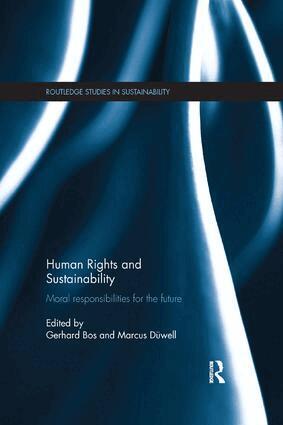
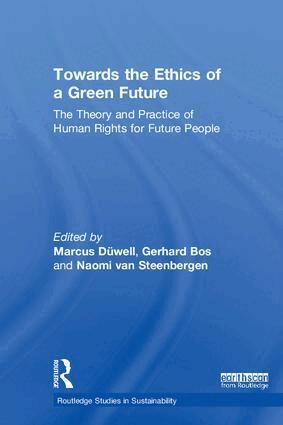
The history of human rights suggests that individuals should be empowered in their natural, political, political, social and economic vulnerabilities. States within the international arena hold each other responsible for doing just that and support or interfere where necessary. States are to protect these essential human vulnerabilities, even when this is not a matter of self-interest. This function of human rights is recognized in contexts of intervention, genocide, humanitarian aid and development.
This book develops the idea of environmental obligations as long-term responsibilities in the context of human rights. It proposes that human rights require recognition that, in the face of unsustainable conduct, future human persons are exposed and vulnerable. It explores the obstacles for long-term responsibilities that human rights law provides at the level of international and national law and challenges the question of whether lifestyle restrictions are enforceable in view of liberties and levels of wellbeing typically seen as protected by human rights.
The book will be of interest to postgraduates studying Human Rights, Sustainability, Law and Philosophy.
939 kr
Läs direkt efter köp
The history of human rights suggests that individuals should be empowered in their natural, political, political, social and economic vulnerabilities. States within the international arena hold each other responsible for doing just that and support or interfere where necessary. States are to protect these essential human vulnerabilities, even when this is not a matter of self-interest. This function of human rights is recognized in contexts of intervention, genocide, humanitarian aid and development.
This book develops the idea of environmental obligations as long-term responsibilities in the context of human rights. It proposes that human rights require recognition that, in the face of unsustainable conduct, future human persons are exposed and vulnerable. It explores the obstacles for long-term responsibilities that human rights law provides at the level of international and national law and challenges the question of whether lifestyle restrictions are enforceable in view of liberties and levels of wellbeing typically seen as protected by human rights.
The book will be of interest to postgraduates studying Human Rights, Sustainability, Law and Philosophy.
2 155 kr
Skickas inom 10-15 vardagar
2 917 kr
Läs direkt efter köp
2 155 kr
Skickas inom 10-15 vardagar
2 606 kr
Läs direkt efter köp
3 253 kr
Skickas inom 5-8 vardagar
786 kr
Läs direkt efter köp
1 540 kr
Läs direkt efter köp
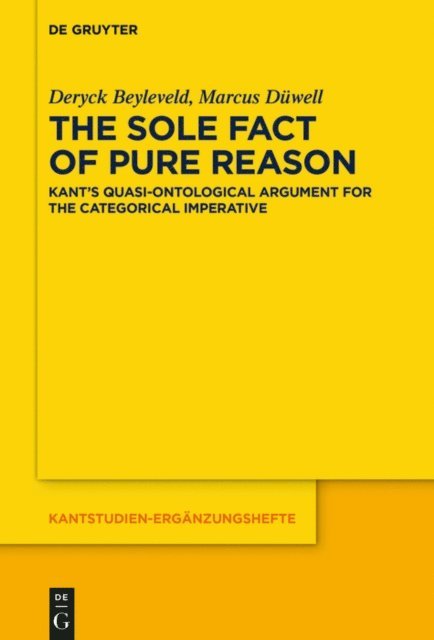
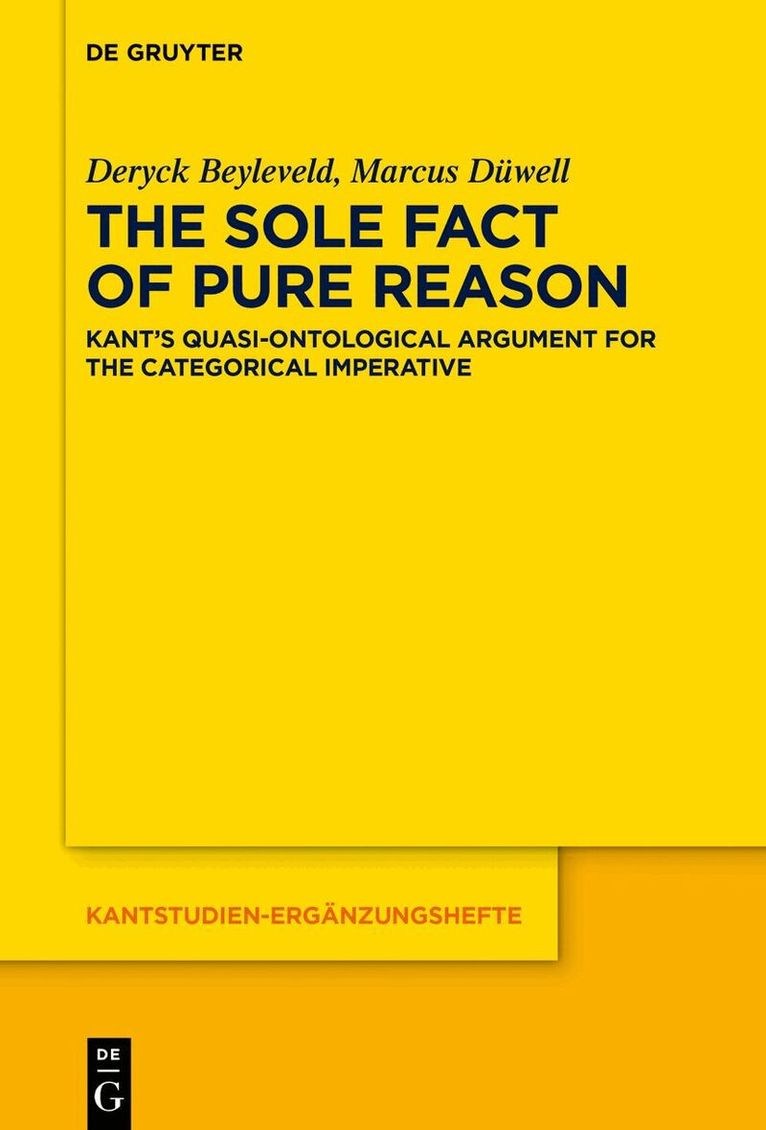
This book presents a comprehensive analysis of Kant’s justification of the categorical imperative. The book contests the standard interpretation of Kant’s views by arguing that he never abandoned his view about this as expressed in his Groundwork. It is distinctive in the way in which it places Kant’s argument in the context of his transcendental philosophy as a whole, which is essential to understand it as an argument from within human agential self-understanding. The book reviews that existing literature, then presents a logical construction of Kant’s argument, which it defends by examining what Kant has to say about synthetic a priori practical propositions in the context of his transcendental philosophy as a whole, and by a detailed examination of how he presents his argument in the Second Critique and the Groundwork. Particular attention is given to the views of two scholars who share many of the views expressed in this book: Klaus Steigleder and Michael Wolff. Special attention is also given to the views of Owen Ware, who, while sharing many of our arguments has a very different overall view. The concluding chapter provides a statement about the validity of Kant’s argument.
1 540 kr
Läs direkt efter köp
This book presents a comprehensive analysis of Kant’s justification of the categorical imperative. The book contests the standard interpretation of Kant’s views by arguing that he never abandoned his view about this as expressed in his Groundwork. It is distinctive in the way in which it places Kant’s argument in the context of his transcendental philosophy as a whole, which is essential to understand it as an argument from within human agential self-understanding. The book reviews that existing literature, then presents a logical construction of Kant’s argument, which it defends by examining what Kant has to say about synthetic a priori practical propositions in the context of his transcendental philosophy as a whole, and by a detailed examination of how he presents his argument in the Second Critique and the Groundwork. Particular attention is given to the views of two scholars who share many of the views expressed in this book: Klaus Steigleder and Michael Wolff. Special attention is also given to the views of Owen Ware, who, while sharing many of our arguments has a very different overall view. The concluding chapter provides a statement about the validity of Kant’s argument.
Sole Fact of Pure Reason
Kant’s Quasi-Ontological Argument for the Categorical Imperative
291 kr
Skickas inom 5-8 vardagar
258 kr
Skickas inom 10-15 vardagar
810 kr
Skickas inom 5-8 vardagar
505 kr
Läs direkt efter köp
316 kr
Läs direkt efter köp
821 kr
Läs direkt efter köp
631 kr
Läs direkt efter köp
267 kr
Skickas inom 3-6 vardagar