Maria DiBattista – författare
Visar alla böcker från författaren Maria DiBattista. Handla med fri frakt och snabb leverans.
18 produkter
High and Low Moderns
Literature and Culture, 1889-1939
Av Maria DiBattista, Lucy McDiarmid
Inbunden, 1997
3021 kr
Lägg i varukorg
This collection offers a revisionist picture of modernism. This group of prominent scholars including Havey Teres, David Bromwich, A. Walton Litz, Louis Menand, and Lucy McDiarmid consider the major modernist writers who are customarily treated as if they wrote in different eras and different …
High and Low Moderns
Literature and Culture, 1889-1939
Av Lucy McDiarmid, Maria DiBattista
E-bok, 1996
1687 kr
Lägg i varukorg
This collection of essays on modernist culture reassesses the convergence of low and high cultures, of socialist and aesthete, late Victorian and young Georgian, the popular and the coterie. Academic literary studies have until recently preferred to treat the "opaque," "difficult" writings of high …
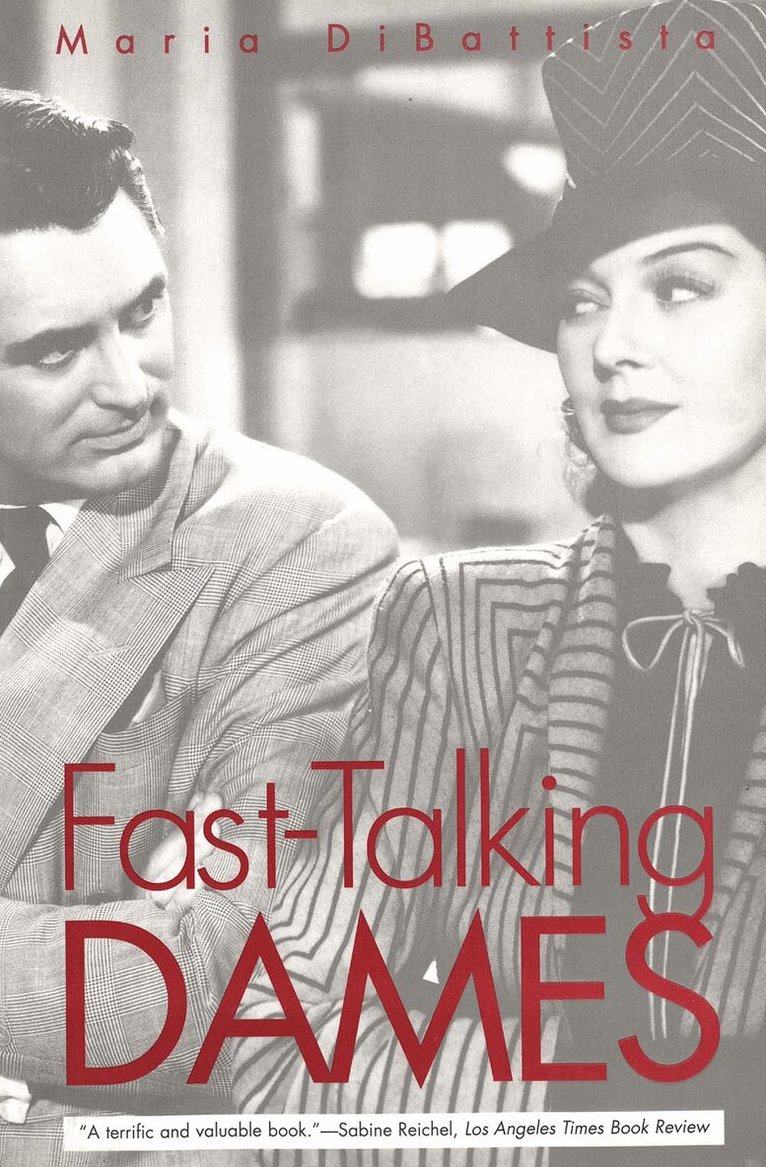
Fast-Talking Dames
Häftad, 2003
619 kr
Lägg i varukorg
“There is nothing like a dame,” proclaims the song from South Pacific. Certainly there is nothing like the fast-talking dame of screen comedies in the 1930s and ’40s. In this engaging book, film scholar and movie buff Maria DiBattista celebrates the fast-talking dame as an American original. Coming …
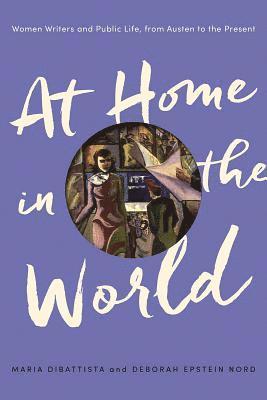
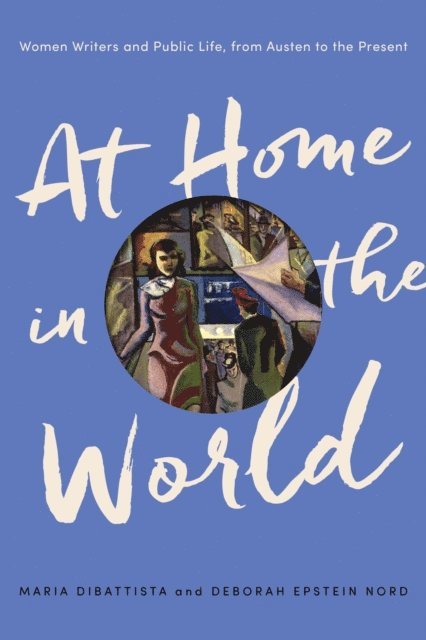
At Home in the World
Women Writers and Public Life, from Austen to the Present
Av Maria DiBattista, Deborah Epstein Nord
Inbunden, 2017
273 kr
Lägg i varukorg
A bold new literary history that says women's writing is defined less by domestic concerns than by an engagement with public life In a bold and sweeping reevaluation of the past two centuries of women's writing, At Home in the World argues that this body of work has been defined less by domestic …
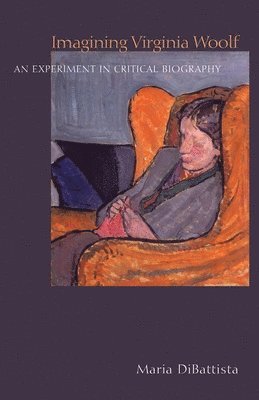
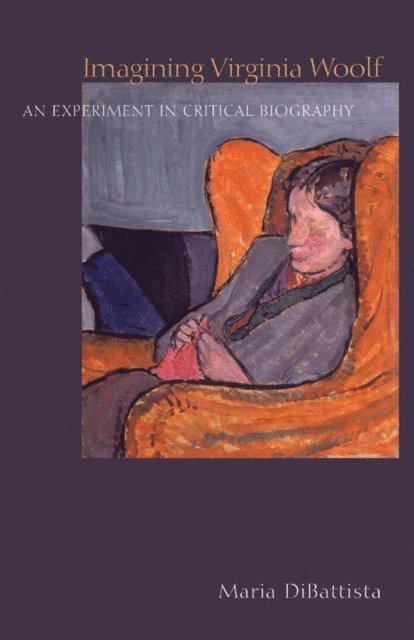
Imagining Virginia Woolf
An Experiment in Critical Biography
Inbunden, 2009
671 kr
Lägg i varukorg
Where other works of literary criticism are absorbed with the question--How to read a book?--Imagining Virginia Woolf asks a slightly different but more intriguing one: how does one read an author? Maria DiBattista answers this by undertaking an experiment in critical biography. The subject of this …
At Home in the World
Women Writers and Public Life, from Austen to the Present
Av Maria DiBattista, Deborah Epstein Nord
Häftad, 2019
273 kr
Lägg i varukorg
A bold literary history that says women’s writing is defined less by domestic concerns than by an engagement with public lifeIn a bold and sweeping reevaluation of the past two centuries of women’s writing, At Home in the World argues that this work has been defined less by domestic concerns than …
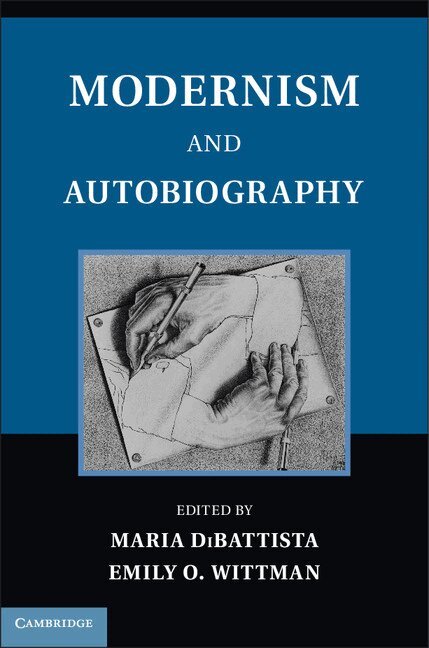
Modernism and Autobiography
Av Maria DiBattista, Emily O. Wittman
Inbunden, 2014
1473 kr
Lägg i varukorg
This volume offers sixteen original essays that attest to the extraordinary inventiveness and range of modernist autobiography. It examines the ways modernist writers chose to tell their life stories, with particular attention to forms, venues, modes of address, and degrees of truthfulness. The …
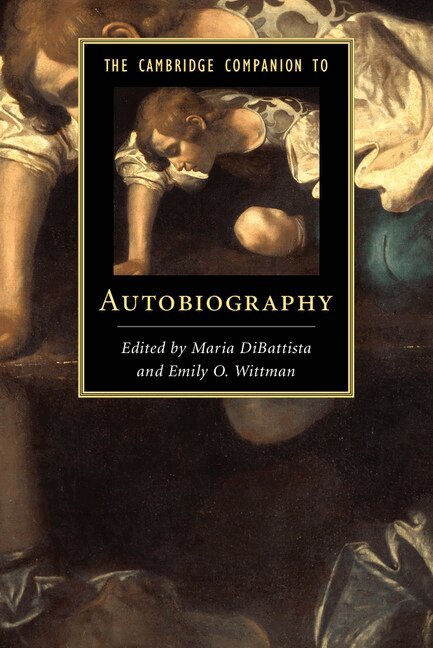
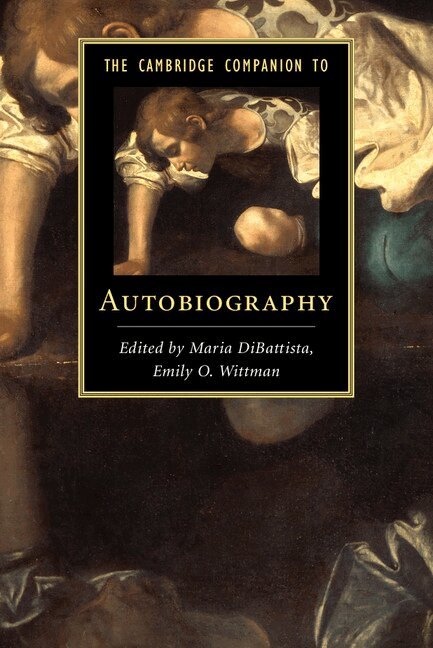
The Cambridge Companion to Autobiography
Av Maria DiBattista, Emily O. Wittman
Inbunden, 2014
1704 kr
Lägg i varukorg
The Cambridge Companion to Autobiography offers a historical overview of the genre from the foundational works of Augustine, Montaigne, and Rousseau through the great autobiographies of the Romantic, Victorian, and modern eras. Sixteen essays from distinguished scholars and critics explore the …
The Cambridge Companion to Autobiography
Av Maria DiBattista, Emily O. Wittman
Häftad, 2014
486 kr
Lägg i varukorg
The Cambridge Companion to Autobiography offers a historical overview of the genre from the foundational works of Augustine, Montaigne, and Rousseau through the great autobiographies of the Romantic, Victorian, and modern eras. Sixteen essays from distinguished scholars and critics explore the …
Cambridge Companion to Autobiography
Av Emily O. Wittman, Maria DiBattista
E-bok, 2014
469 kr
Lägg i varukorg
The Cambridge Companion to Autobiography offers a historical overview of the genre from the foundational works of Augustine, Montaigne, and Rousseau through the great autobiographies of the Romantic, Victorian, and modern eras. Sixteen essays from distinguished scholars and critics explore the …
Cambridge Companion to Autobiography
Av Emily O. Wittman, Maria DiBattista
E-bok, 2014
469 kr
Lägg i varukorg
The Cambridge Companion to Autobiography offers a historical overview of the genre from the foundational works of Augustine, Montaigne, and Rousseau through the great autobiographies of the Romantic, Victorian, and modern eras. Sixteen essays from distinguished scholars and critics explore the …
Imagining Virginia Woolf
An Experiment in Critical Biography
E-bok, 2008
445 kr
Lägg i varukorg
Where other works of literary criticism are absorbed with the question--How to read a book?-- Imagining Virginia Woolf asks a slightly different but more intriguing one: how does one read an author? Maria DiBattista answers this by undertaking an experiment in critical biography. The subject of …
At Home in the World
Women Writers and Public Life, from Austen to the Present
Av Deborah Epstein Nord, Maria DiBattista
E-bok, 2017
361 kr
Lägg i varukorg
A bold new literary history that says women''s writing is defined less by domestic concerns than by an engagement with public life In a bold and sweeping reevaluation of the past two centuries of women''s writing, At Home in the World argues that this body of work has been defined less by domestic …
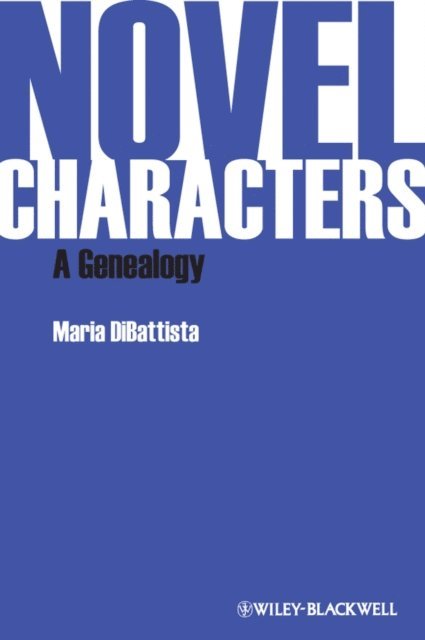
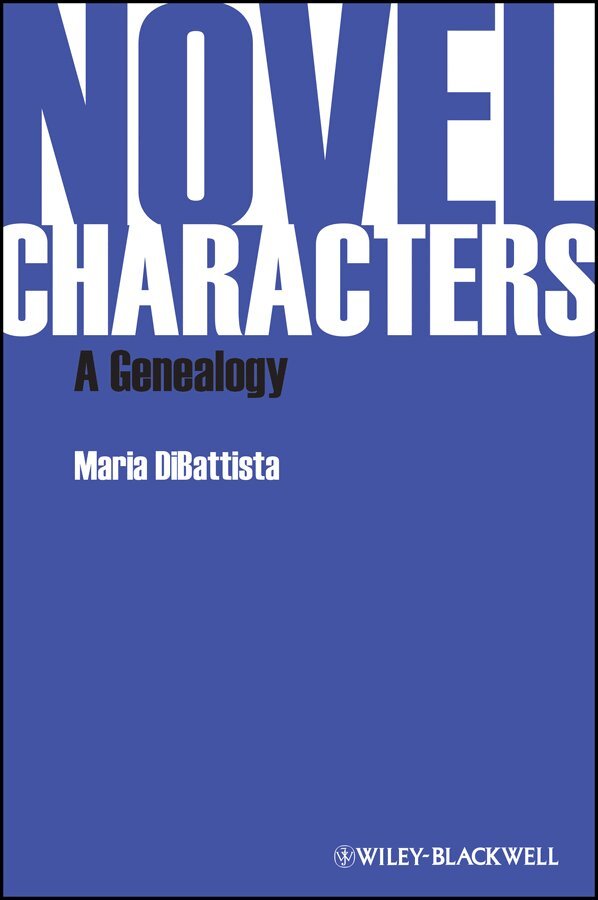
Novel Characters
A Genealogy
Inbunden, 2010
505 kr
Lägg i varukorg
What makes novelistic characters unique? How do novelistic characters reflect or prefigure different ideas of human possibilities? Why and how has the concept of novelistic character changed over time? These are some of the questions addressed in Novel Characters, an ambitious work that aims to …
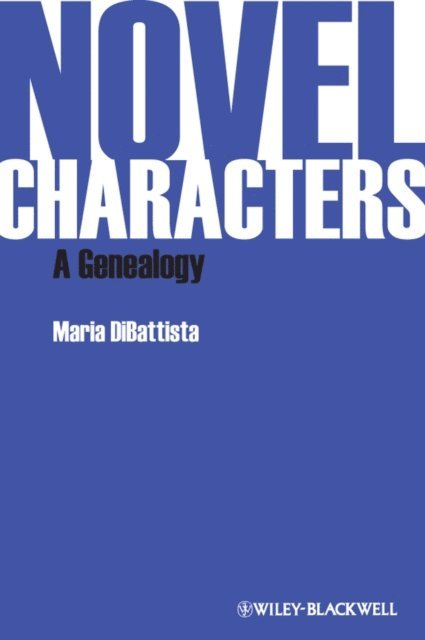
Novel Characters
A Genealogy
E-bok, 2010
580 kr
Lägg i varukorg
Novel Characters offers a fascinating and in-depth history of the novelistic character from the “birth of the novel” in Don Quixote , through the great canonical works of the nineteenth and twentieth centuries, to the most influential international novels of the present day An original study which …
Novel Characters
A Genealogy
E-bok, 2011
562 kr
Lägg i varukorg
What makes novelistic characters unique? How do novelistic characters reflect or prefigure different ideas of human possibilities? Why and how has the concept of novelistic character changed over time? These are some of the questions addressed in Novel Characters , an ambitious work that aims to …
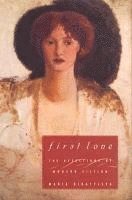
First Love
The Affections of Modern Fiction
Inbunden, 1991
559 kr
Tillfälligt slut
All of us remember our First Love. In this brilliant and often passionate book, Maria DiBattista shows that the yearning for the freshness of First Love, and the sadness of that yearning, are central to modern literature. DiBattista offers a sweeping and wholly original reinterpretation of modern …
Novel Characters – A Genealogy
2010
1087 kr
Tillfälligt slut
Novel Characters offers a fascinating and in-depth history of the novelistic character from the "birth of the novel" in Don Quixote , through the great canonical works of the nineteenth and twentieth centuries, to the most influential international novels of the present day An original study which …