Marine Board – författare
Visar alla böcker från författaren Marine Board. Handla med fri frakt och snabb leverans.
55 produkter
Applying Advanced Information Systems to Ports and Waterways Management
Av Division on Engineering and Physical Sciences, Commission on Engineering and Technical Systems m. fl.
Häftad, 1999
2172 kr
Lägg i varukorg
The future safety of maritime transportation in the United States-a major factor in the nation's international trade and economic well-being-will depend heavily on the quality of port and waterways information systems. Many U.S. ports and waterways lack adequate information services, although …
Minding the Helm
Marine Navigation and Piloting
Av Division on Engineering and Physical Sciences, Commission on Engineering and Technical Systems m. fl.
Häftad, 1994
1816 kr
Lägg i varukorg
Large ships transporting hazardous cargoes, notorious marine accidents, and damage to marine ecosystems from tanker spills have heightened public concern for the safe navigation of ships. This new volume offers a complete, highly readable assessment of marine navigation and piloting. It addresses …
Spills of Emulsified Fuels
Risks and Response
Av Ocean Studies Board, Division on Earth and Life Studies m. fl.
E-bok, 2002
641 kr
Lägg i varukorg
Spills of Emulsified Fuels: Risks and Response is part of an evolving body of work conducted by the National Research Council (NRC) to help inform debate and decision-making regarding the ecological consequences of releases associated with the widespread use of fossil fuels. Like earlier NRC …
Spills of Nonfloating Oils
Risk and Response
Av Marine Board, Commission on Engineering and Technical Systems m. fl.
E-bok, 1999
416 kr
Lägg i varukorg
In the Coast Guard Authorization Act of 1996, the United States Coast Guard (USCG) was directed to assess the risk of spills for oils that may sink or be negatively buoyant, to examine and evaluate existing cleanup technologies, and to identify and appraise technological and financial barriers that …
Meeting Research and Education Needs in Coastal Engineering
Av Marine Board, Commission on Engineering and Technical Systems m. fl.
E-bok, 1999
644 kr
Lägg i varukorg
After discussions with the U.S. Army Corps of Engineers, the National Oceanic and Atmospheric Administration, the U.S. Geological Survey, and the Office of Naval Research, the National Research Council (NRC) convened a committee under the auspices of the Marine Board to examine present and …
Applying Advanced Information Systems to Ports and Waterways Management
Av Marine Board, Commission on Engineering and Technical Systems m. fl.
E-bok, 1999
678 kr
Lägg i varukorg
The future safety of maritime transportation in the United States—a major factor in the nation''s international trade and economic well-being—will depend heavily on the quality of port and waterways information systems. Many U.S. ports and waterways lack adequate information services, although …
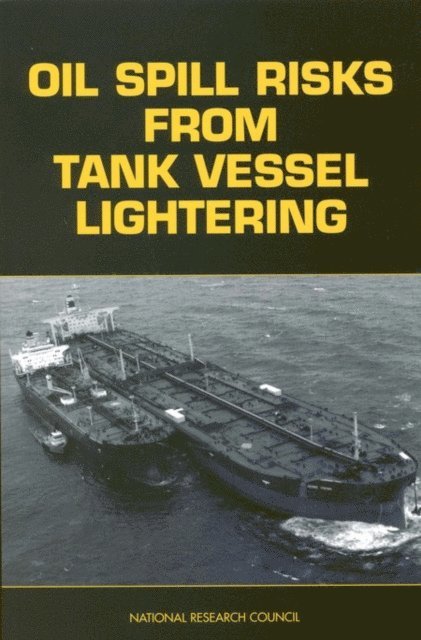
Oil Spill Risks From Tank Vessel Lightering
Av Marine Board, Commission on Engineering and Technical Systems m. fl.
E-bok, 1998
644 kr
Lägg i varukorg
The safety record of lightering (the transfer of petroleum cargo at sea from a large tanker to smaller ones) has been excellent in U.S. waters in recent years, as evidenced by the very low rate of spillage of oil both in absolute terms and compared with all other tanker-related accidental spills. …
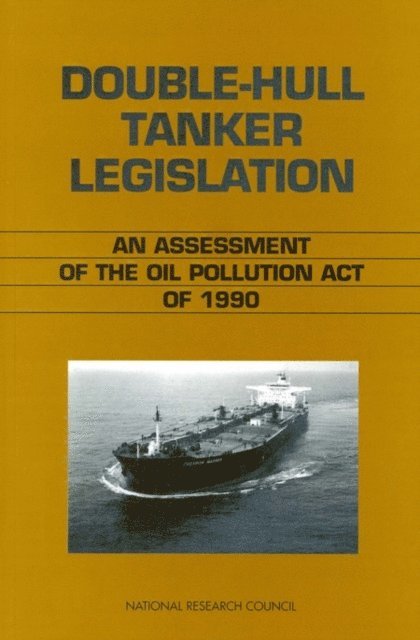
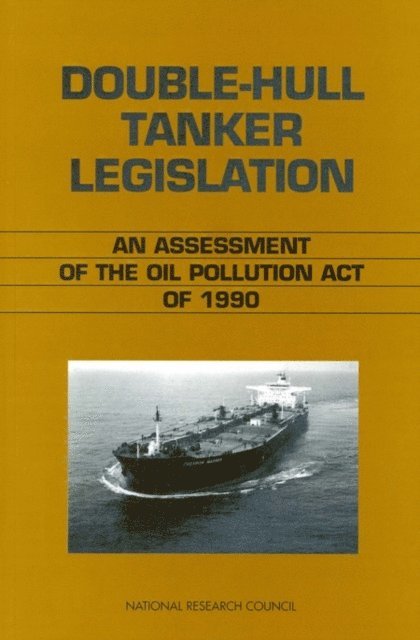
Double-Hull Tanker Legislation
An Assessment of the Oil Pollution Act of 1990
Av Marine Board, Commission on Engineering and Technical Systems m. fl.
E-bok, 1998
841 kr
Lägg i varukorg
The passage of the Oil Pollution Act of 1990 (OPA 90) by Congress and subsequent modifications of international maritime regulations resulted in a far-reaching change in the design of tank vessels. Double-hull rather than single-hull tankers are now the industry standard, and nearly all ships in …
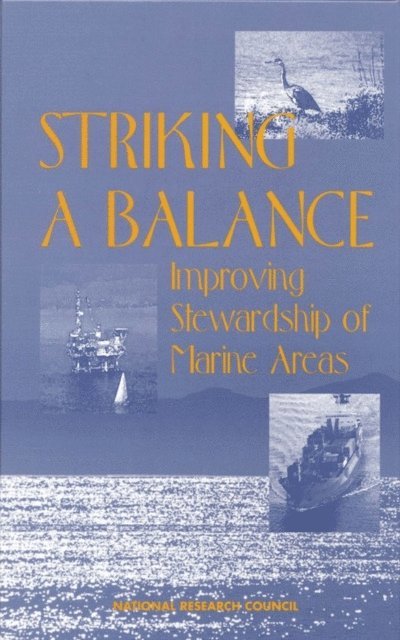
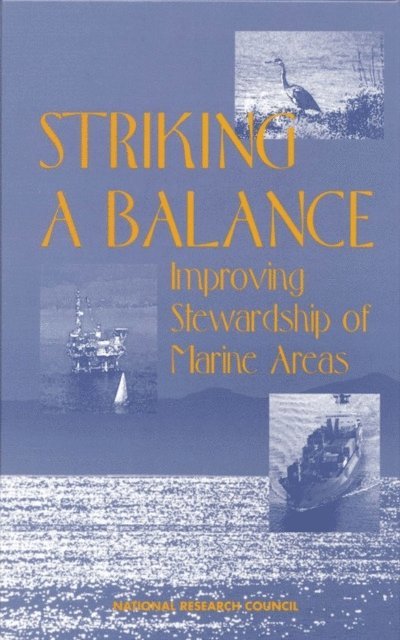
Striking a Balance
Improving Stewardship of Marine Areas
Av Marine Board, Commission on Engineering and Technical Systems m. fl.
E-bok, 1997
849 kr
Lägg i varukorg
America''s ocean and coastal regions—which provide wildlife habitat, commercial fish stocks, mineral reserves, travelways, recreation, and more—are under increasing pressure as more and more people exploit marine resources, leaving environmental damage in their wake. Striking a Balance responds to …
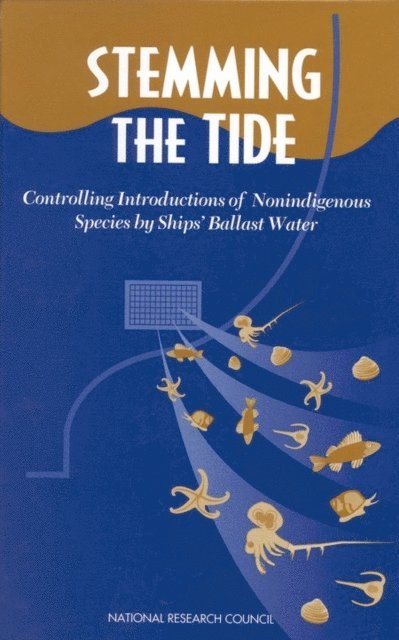
Stemming the Tide
Controlling Introductions of Nonindigenous Species by Ships'' Ballast Water
Av Committee on Ships' Ballast Operations, Marine Board m. fl.
E-bok, 1996
814 kr
Lägg i varukorg
The European zebra mussel in the Great Lakes, a toxic Japanese dinoflagellate transferred to Australia—such biologically and economically harmful stowaways have made it imperative to achieve better management of ballast water in ocean-going vessels. Stemming the Tide examines the introduction of …
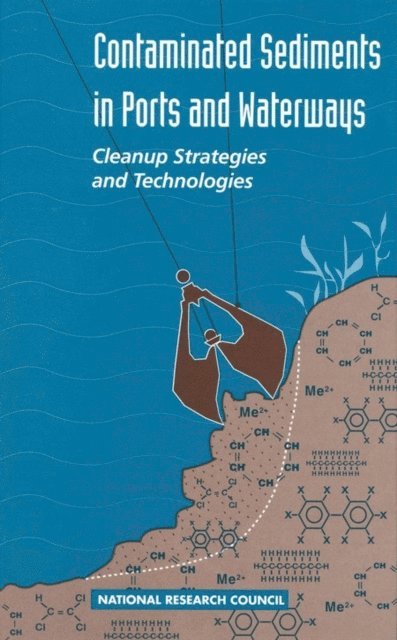
Contaminated Sediments in Ports and Waterways
Cleanup Strategies and Technologies
Av Marine Board, Commission on Engineering and Technical Systems m. fl.
E-bok, 1997
953 kr
Lägg i varukorg
Contaminated marine sediments threaten ecosystems, marine resources, and human health. They can have major economic impacts when controversies over risks and costs of sediment management interfere with needs to dredge major ports. Contaminated Sediments in Ports and Waterways examines management …
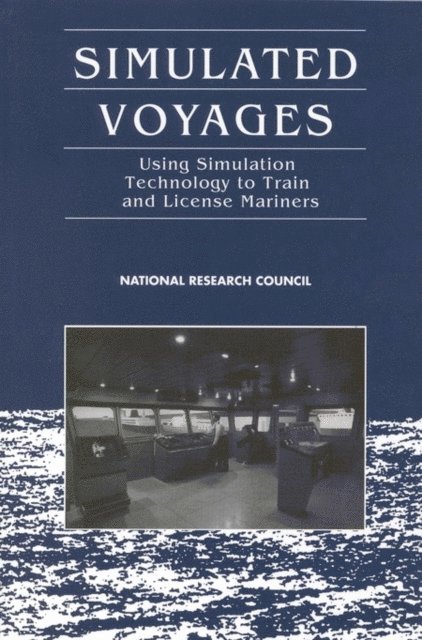
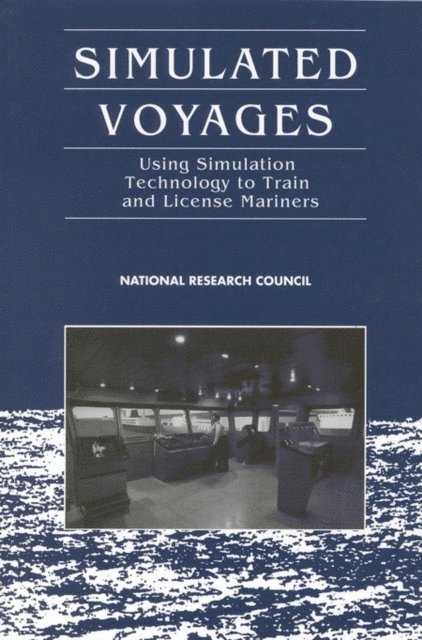
Simulated Voyages
Using Simulation Technology to Train and License Mariners
Av Marine Board, Commission on Engineering and Technical Systems m. fl.
E-bok, 1996
712 kr
Lägg i varukorg
This book assesses the state of practice and use of ship-bridge simulators in the professional development and licensing of deck officers and marine pilots. It focuses on full-mission computer-based simulators and manned models. It analyzes their use in instruction, evaluation and licensing and …
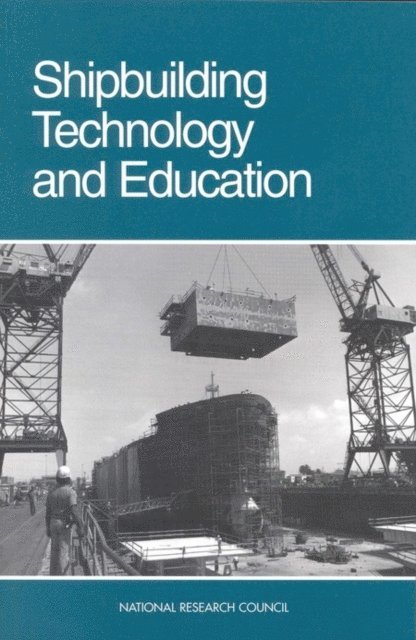
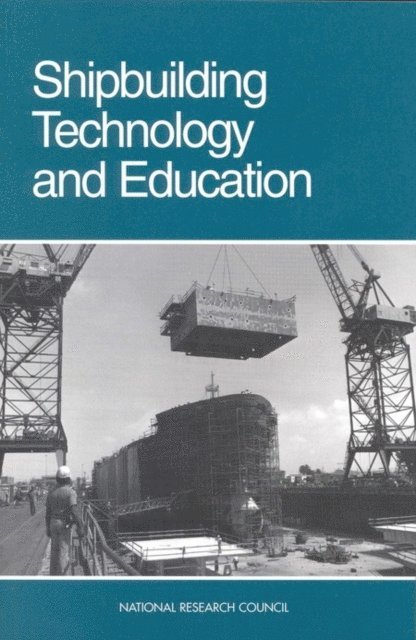
Shipbuilding Technology and Education
Av Marine Board, Commission on Engineering and Technical Systems m. fl.
E-bok, 1996
623 kr
Lägg i varukorg
The U.S. shipbuilding industry now confronts grave challenges in providing essential support of national objectives. With recent emphasis on renewal of the U.S. naval fleet, followed by the defense builddown, U.S. shipbuilders have fallen far behind in commercial ship construction, and face …
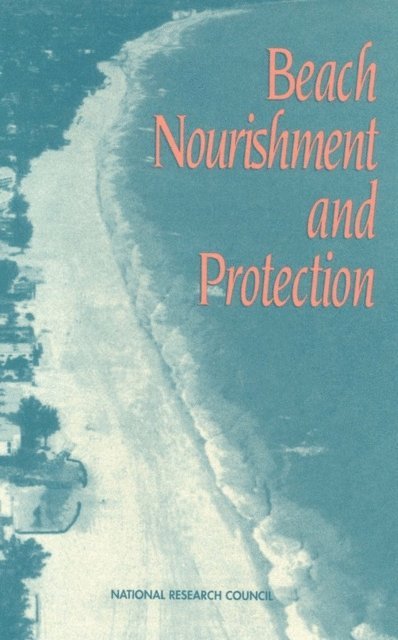
Beach Nourishment and Protection
Av Marine Board, Commission on Engineering and Technical Systems m. fl.
E-bok, 1995
953 kr
Lägg i varukorg
Many coastal communities have built structures at their beaches and added quantities of sand in contoured designs to combat erosion. Are such beach nourishment projects technically and economically sound? Or are they nothing more than building sand castles, as critics claim? Beach Nourishment and …
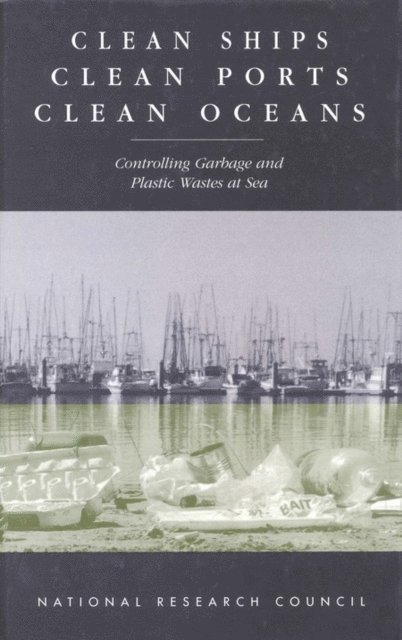
Clean Ships, Clean Ports, Clean Oceans
Controlling Garbage and Plastic Wastes at Sea
Av Marine Board, Commission on Engineering and Technical Systems m. fl.
E-bok, 1995
745 kr
Lägg i varukorg
Marine debris is a serious environmental problem. To do its part, the United States has agreed to abide by the international treaty for garbage control at sea, known as MARPOL 73/78 Annex V. Clean Ships, Clean Ports, Clean Oceans explores the challenge of translating Annex V into workable laws and …
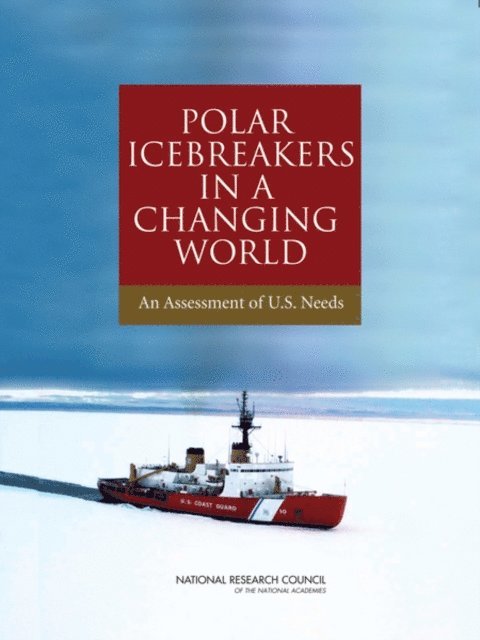
Polar Icebreakers in a Changing World
An Assessment of U.S. Needs
Av Committee on the Assessment of U.S. Coast Guard Polar Icebreaker Roles and Future Needs, Polar Research Board m. fl.
E-bok, 2007
641 kr
Lägg i varukorg
The United States has enduring national and strategic interests in the polar regions, including citizens living above the Arctic circle and three year-round scientific stations in the Antarctic. Polar icebreaking ships are needed to access both regions. Over the past several decades, the U.S. …
Polar Icebreaker Roles and U.S. Future Needs
A Preliminary Assessment
Av Committee on the Assessment of U.S. Coast Guard Polar Icebreaker Roles and Future Needs, Polar Research Board m. fl.
E-bok, 2005
407 kr
Lägg i varukorg
The age and condition of the U.S. Coast Guard''s polar icebreakers are jeopardizing national security and scientific research in the Arctic and Antarctic, according to an interim report from the National Academies. Because of a shortfall in funding for U.S. polar icebreaking activities, long-term …
Macondo Well Deepwater Horizon Blowout
Lessons for Improving Offshore Drilling Safety
Av and Oil Spill to Identify Measures to Prevent Similar Accidents to the Future Committee on the Analysis of Causes of the Deepwater Horizon Explosion, Fire, Marine Board m. fl.
E-bok, 2012
644 kr
Lägg i varukorg
The blowout of the Macondo well on April 20, 2010, led to enormous consequences for the individuals involved in the drilling operations, and for their families. Eleven workers on the Deepwater Horizon drilling rig lost their lives and 16 others were seriously injured. There were also enormous …
Best Available and Safest Technologies for Offshore Oil and Gas Operations
Options for Implementation
Av Committee on Options for Implementing the Requirement of Best Available and Safest Technologies for Offshore Oil and Gas Operations, Marine Board m. fl.
E-bok, 2013
502 kr
Lägg i varukorg
Best Available and Safest Technologies for Offshore Oil and Gas Operations: Options for Implementation explores a range of options for improving the implementation of the U.S. Department of the Interior''s congressional mandate to require the use of best available and safety technologies in …
Responding to Oil Spills in the U.S. Arctic Marine Environment
Av National Research Council, Transportation Research Board m. fl.
Häftad, 2014
533 kr
Lägg i varukorg
U.S. Arctic waters north of the Bering Strait and west of the Canadian border encompass a vast area that is usually ice covered for much of the year, but is increasingly experiencing longer periods and larger areas of open water due to climate change. Sparsely inhabited with a wide variety of …
Responding to Oil Spills in the U.S. Arctic Marine Environment
Av Committee on Responding to Oil Spills in the U.S. Arctic Marine Environment, Ocean Studies Board m. fl.
E-bok, 2014
790 kr
Lägg i varukorg
U.S. Arctic waters north of the Bering Strait and west of the Canadian border encompass a vast area that is usually ice covered for much of the year, but is increasingly experiencing longer periods and larger areas of open water due to climate change. Sparsely inhabited with a wide variety of …
Oil in the Sea III
Inputs, Fates, and Effects
Av and Effects Committee on Oil in the Sea: Inputs, Fates, Ocean Studies Board m. fl.
E-bok, 2003
720 kr
Lägg i varukorg
Since the early 1970s, experts have recognized that petroleum pollutants were being discharged in marine waters worldwide, from oil spills, vessel operations, and land-based sources. Public attention to oil spills has forced improvements. Still, a considerable amount of oil is discharged yearly …
Spills of Emulsified Fuels
Risks and Response
Av Ocean Studies Board, Division on Earth and Life Studies m. fl.
E-bok, 2002
546 kr
Lägg i varukorg
Spills of Emulsified Fuels: Risks and Response is part of an evolving body of work conducted by the National Research Council (NRC) to help inform debate and decision-making regarding the ecological consequences of releases associated with the widespread use of fossil fuels. Like earlier NRC …
Meeting Research and Education Needs in Coastal Engineering
Av Marine Board, Commission on Engineering and Technical Systems m. fl.
E-bok, 1999
468 kr
Lägg i varukorg
After discussions with the U.S. Army Corps of Engineers, the National Oceanic and Atmospheric Administration, the U.S. Geological Survey, and the Office of Naval Research, the National Research Council (NRC) convened a committee under the auspices of the Marine Board to examine present and …
Applying Advanced Information Systems to Ports and Waterways Management
Av Marine Board, Commission on Engineering and Technical Systems m. fl.
E-bok, 1999
482 kr
Lägg i varukorg
The future safety of maritime transportation in the United States—a major factor in the nation''s international trade and economic well-being—will depend heavily on the quality of port and waterways information systems. Many U.S. ports and waterways lack adequate information services, although …
Double-Hull Tanker Legislation
An Assessment of the Oil Pollution Act of 1990
Av Marine Board, Commission on Engineering and Technical Systems m. fl.
E-bok, 1998
624 kr
Lägg i varukorg
The passage of the Oil Pollution Act of 1990 (OPA 90) by Congress and subsequent modifications of international maritime regulations resulted in a far-reaching change in the design of tank vessels. Double-hull rather than single-hull tankers are now the industry standard, and nearly all ships in …
Striking a Balance
Improving Stewardship of Marine Areas
Av Marine Board, Commission on Engineering and Technical Systems m. fl.
E-bok, 1997
598 kr
Lägg i varukorg
America''s ocean and coastal regions—which provide wildlife habitat, commercial fish stocks, mineral reserves, travelways, recreation, and more—are under increasing pressure as more and more people exploit marine resources, leaving environmental damage in their wake. Striking a Balance responds to …
Spills of Nonfloating Oils
Risk and Response
Av Marine Board, Commission on Engineering and Technical Systems m. fl.
E-bok, 1999
286 kr
Lägg i varukorg
In the Coast Guard Authorization Act of 1996, the United States Coast Guard (USCG) was directed to assess the risk of spills for oils that may sink or be negatively buoyant, to examine and evaluate existing cleanup technologies, and to identify and appraise technological and financial barriers that …
Shipbuilding Technology and Education
Av Marine Board, Commission on Engineering and Technical Systems m. fl.
E-bok, 1996
433 kr
Lägg i varukorg
The U.S. shipbuilding industry now confronts grave challenges in providing essential support of national objectives. With recent emphasis on renewal of the U.S. naval fleet, followed by the defense builddown, U.S. shipbuilders have fallen far behind in commercial ship construction, and face …
Simulated Voyages
Using Simulation Technology to Train and License Mariners
Av Marine Board, Commission on Engineering and Technical Systems m. fl.
E-bok, 1996
500 kr
Lägg i varukorg
This book assesses the state of practice and use of ship-bridge simulators in the professional development and licensing of deck officers and marine pilots. It focuses on full-mission computer-based simulators and manned models. It analyzes their use in instruction, evaluation and licensing and …