Mark McKerracher – författare
Visar alla böcker från författaren Mark McKerracher. Handla med fri frakt och snabb leverans.
6 produkter
Feeding Medieval England
A Long ‘Agricultural Revolution’, 700–1300
Av Helena Hamerow, Amy Bogaard m. fl.
Inbunden, 2025
1669 kr
Lägg i varukorg
This is an open access title available under the terms of a CC BY-NC-ND 4.0 International license. It is free to read at on Oxford Academic and offered as a free PDF download from OUP and selected open access locations.The population of England grew steeply in the Middle Ages, especially between …
Feeding Medieval England
A Long 'Agricultural Revolution', 700-1300
Av Richard Thomas, Elizabeth Stroud m. fl.
E-bok, 2025
1275 kr
Lägg i varukorg
This is an open access title available under the terms of a CC BY-NC-ND 4.0 International license. It is free to read at on Oxford Academic and offered as a free PDF download from OUP and selected open access locations. The population of England grew steeply in the Middle Ages, especially between …
Feeding Medieval England
A Long 'Agricultural Revolution', 700-1300
Av Richard Thomas, Elizabeth Stroud m. fl.
E-bok, 2025
1303 kr
Lägg i varukorg
This is an open access title available under the terms of a CC BY-NC-ND 4.0 International license. It is free to read at on Oxford Academic and offered as a free PDF download from OUP and selected open access locations. The population of England grew steeply in the Middle Ages, especially between …
Anglo-Saxon Crops and Weeds: A Case Study in Quantitative Archaeobotany
Häftad, 2019
558 kr
Lägg i varukorg
There is a growing recognition within Anglo-Saxon archaeology that farming practices underwent momentous transformations in the Mid Saxon period, between the seventh and ninth centuries AD: transformations which underpinned the growth of the Anglo-Saxon kingdoms and, arguably, set the trajectory …
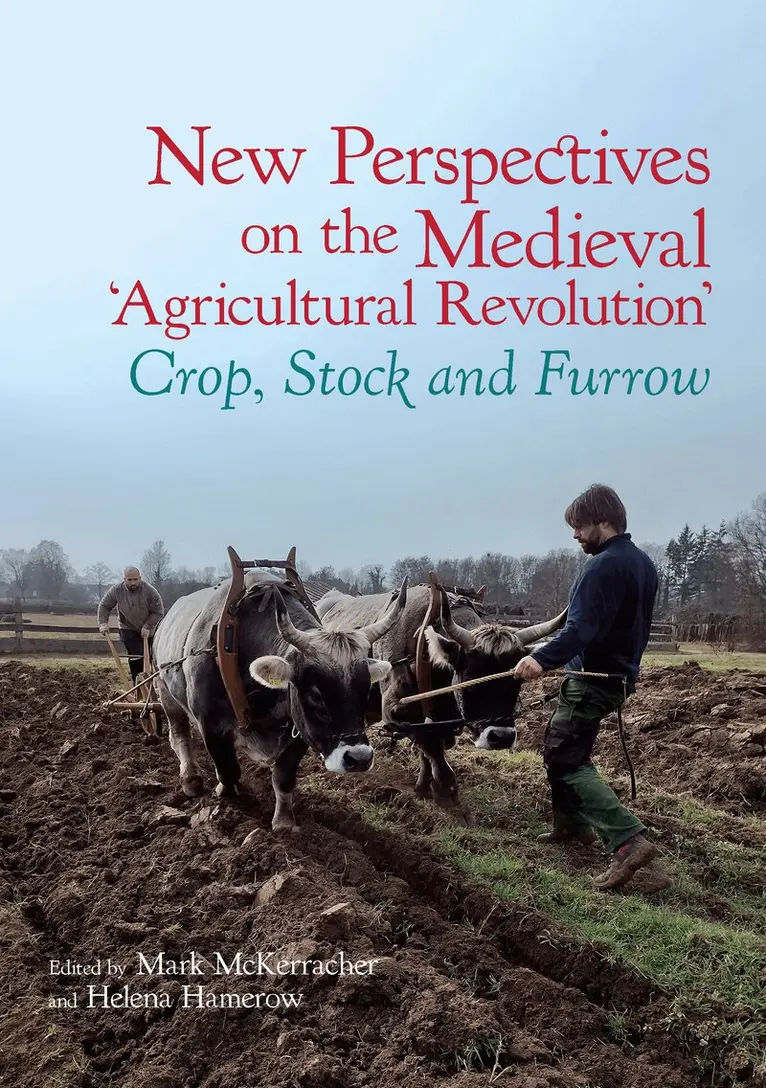
New Perspectives on the Medieval ‘Agricultural Revolution’
Crop, Stock and Furrow
Av Helena Hamerow, Mark McKerracher
Häftad, 2023
752 kr
Lägg i varukorg
An Open Access edition is available on the LUP and OAPEN websites.Across Europe, the early medieval period saw the advent of new ways of cereal farming which fed the growth of towns, markets and populations, but also fuelled wealth disparities and the rise of lordship. These developments have …
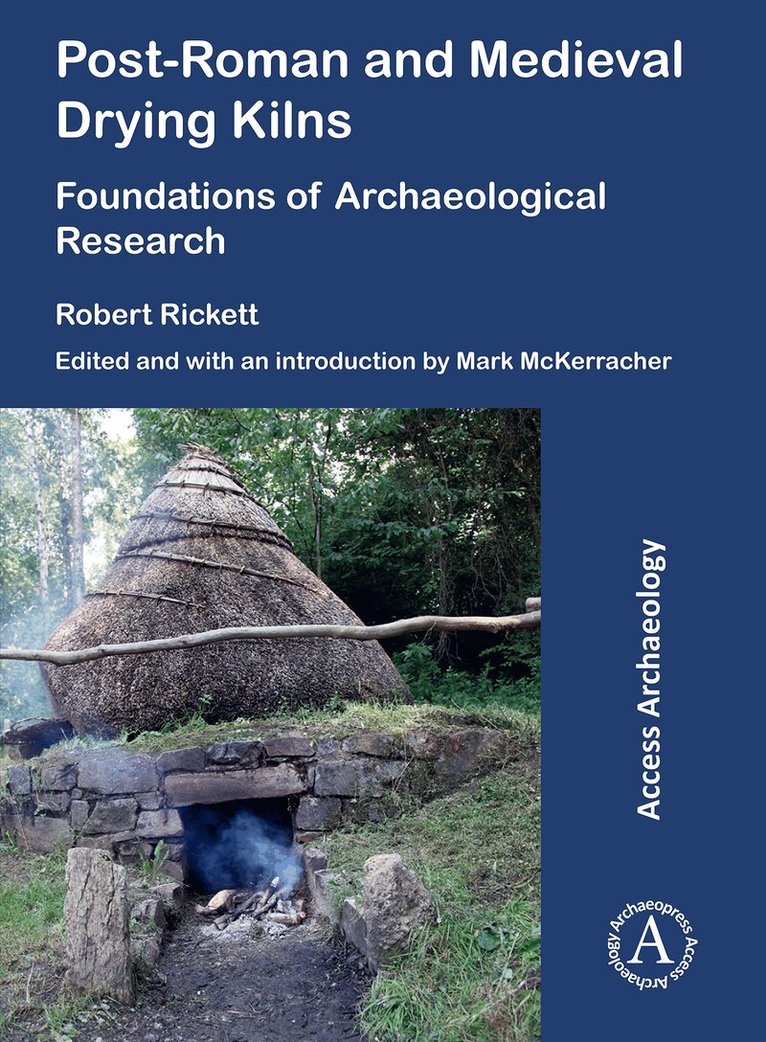
Post-Roman and Medieval Drying Kilns
Foundations of Archaeological Research
Av Robert Rickett, Mark McKerracher
Häftad, 2021
542 kr
Lägg i varukorg
Drying kilns, corn-dryers and malting ovens are increasingly familiar features in post-Roman, Anglo-Saxon and medieval archaeology. Their forms, functions and distributions offer critical insights into agricultural, technological, economic and dietary history across the British Isles. Despite the …