Helena Hamerow – författare
Visar alla böcker från författaren Helena Hamerow. Handla med fri frakt och snabb leverans.
19 produkter
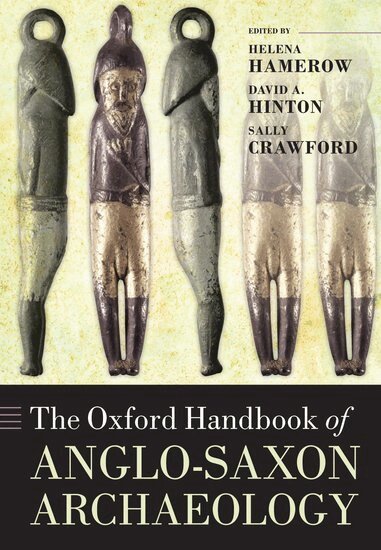
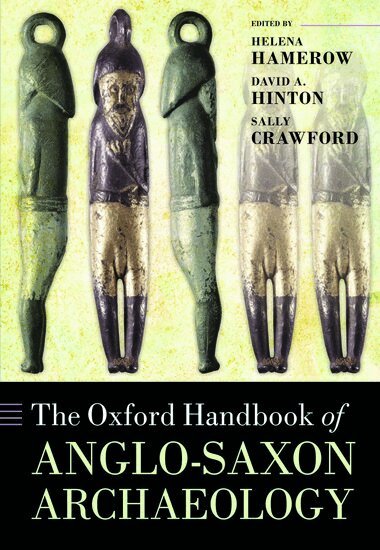
The Oxford Handbook of Anglo-Saxon Archaeology
Av Hamerow Et Al, Helena Hamerow m. fl.
Häftad, 2020
884 kr
Lägg i varukorg
Since the early 20th century the scholarly study of Anglo-Saxon texts has been augmented by systematic excavation and analysis of physical evidence--settlements, cemeteries, artefacts, environmental data, and standing buildings. This evidence has confirmed some readings of the Anglo-Saxon literary …
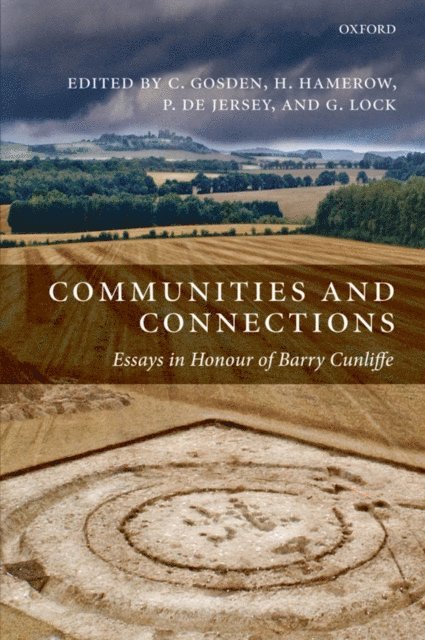
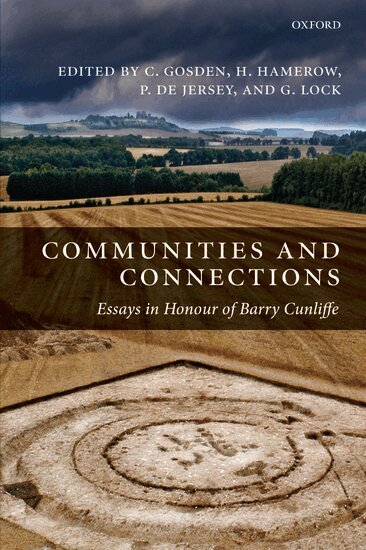
Communities and Connections
Essays in Honour of Barry Cunliffe
Av Gary Lock, Philip de Jersey m. fl.
E-bok, 2007
1964 kr
Lägg i varukorg
For almost forty years the study of the Iron Age in Britain has been dominated by Professor Sir Barry Cunliffe. Between the 1960s and 1980s he led a series of large-scale excavations at famous sites including the Roman baths at Bath, Fishbourne Roman palace, and Danebury hillfort which …
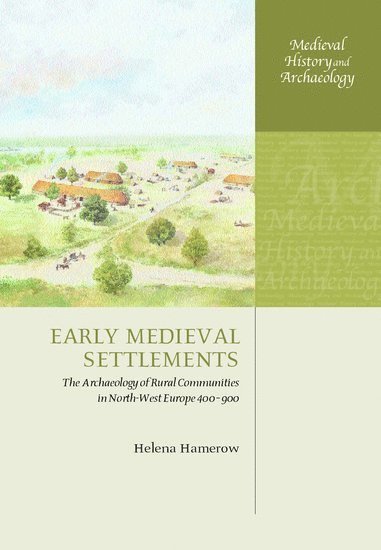
Early Medieval Settlements
The Archaeology of Rural Communities in North-West Europe 400-900
E-bok, 2002
672 kr
Lägg i varukorg
The excavation of settlements has in recent years transformed our understanding of north-west Europe in the early Middle Ages. We can for the first time begin to answer fundamental questions such as: what did houses look like and how were they furnished? how did villages and individual farmsteads …
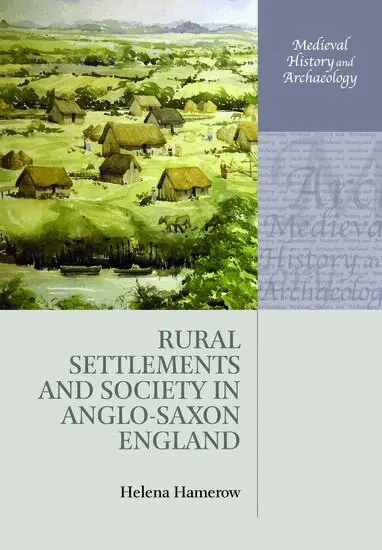
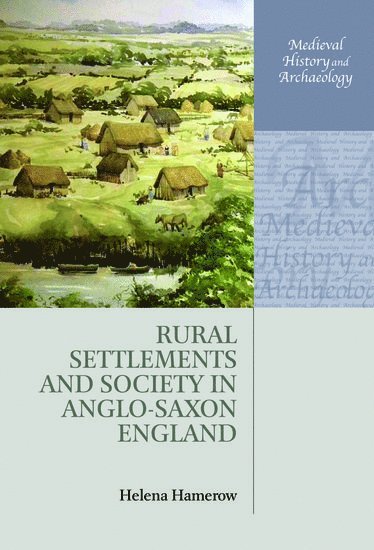
Rural Settlements and Society in Anglo-Saxon England
E-bok, 2012
699 kr
Lägg i varukorg
In the course of the fifth century, the farms and villas of lowland Britain were replaced by a new, distinctive form of rural settlement: the settlements of the Anglo-Saxons. This volume presents the first major synthesis of the evidence - which has expanded enormously in recent years - for such …
Rural Settlements and Society in Anglo-Saxon England
Häftad, 2014
786 kr
Lägg i varukorg
In the course of the fifth century, the farms and villas of lowland Britain were replaced by a new, distinctive form of rural settlement: the settlements of the Anglo-Saxons. This volume presents the first major synthesis of the evidence - which has expanded enormously in recent years - for such …
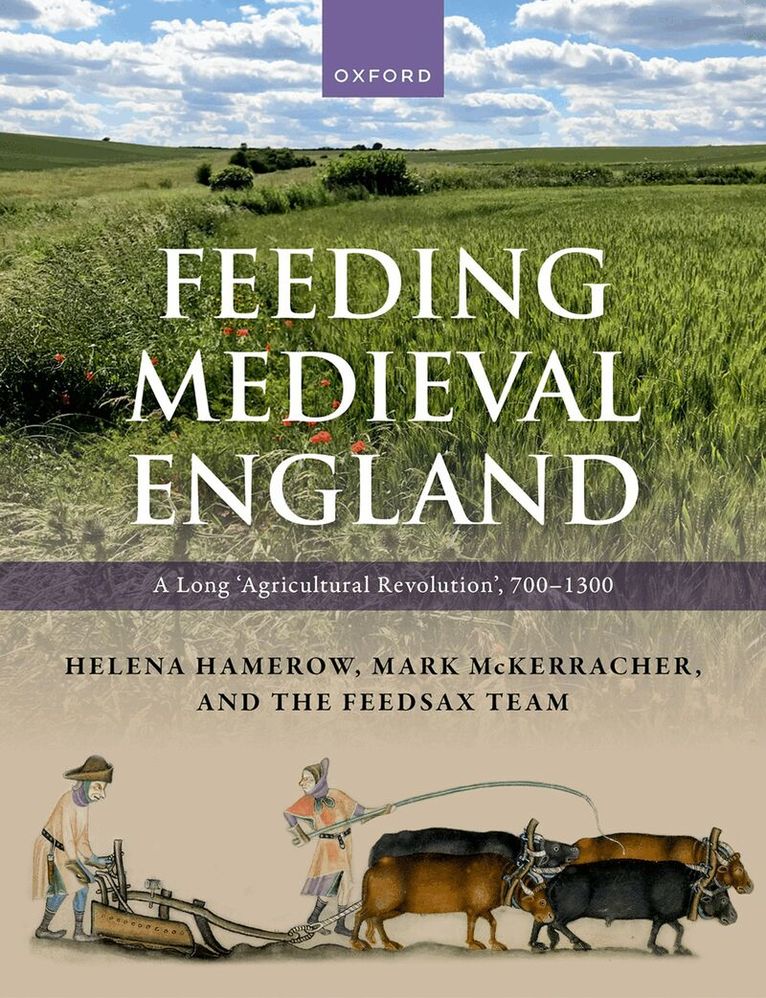
Feeding Medieval England
A Long ‘Agricultural Revolution’, 700–1300
Av Helena Hamerow, Amy Bogaard m. fl.
Inbunden, 2025
1669 kr
Lägg i varukorg
This is an open access title available under the terms of a CC BY-NC-ND 4.0 International license. It is free to read at on Oxford Academic and offered as a free PDF download from OUP and selected open access locations.The population of England grew steeply in the Middle Ages, especially between …
Feeding Medieval England
A Long 'Agricultural Revolution', 700-1300
Av Richard Thomas, Elizabeth Stroud m. fl.
E-bok, 2025
1275 kr
Lägg i varukorg
This is an open access title available under the terms of a CC BY-NC-ND 4.0 International license. It is free to read at on Oxford Academic and offered as a free PDF download from OUP and selected open access locations. The population of England grew steeply in the Middle Ages, especially between …
Feeding Medieval England
A Long 'Agricultural Revolution', 700-1300
Av Richard Thomas, Elizabeth Stroud m. fl.
E-bok, 2025
1303 kr
Lägg i varukorg
This is an open access title available under the terms of a CC BY-NC-ND 4.0 International license. It is free to read at on Oxford Academic and offered as a free PDF download from OUP and selected open access locations. The population of England grew steeply in the Middle Ages, especially between …
Rural Settlements and Society in Anglo-Saxon England
Inbunden, 2012
3225 kr
Lägg i varukorg
In the course of the fifth century, the farms and villas of lowland Britain were replaced by a new, distinctive form of rural settlement: the settlements of Anglo-Saxon communities. This volume presents the first major synthesis of the evidence - which has expanded enormously in recent years - for …
The Oxford Handbook of Anglo-Saxon Archaeology
Av HAMEROW ET AL, Helena Hamerow m. fl.
Inbunden, 2011
3130 kr
Lägg i varukorg
Since the early 20th century the scholarly study of Anglo-Saxon texts has been augmented by systematic excavation and analysis of physical evidence - settlements, cemeteries, artefacts, environmental data, and standing buildings. This evidence has confirmed some readings of the Anglo-Saxon literary …
Communities and Connections
Essays in Honour of Barry Cunliffe
Av ET AL GOSDEN, Chris Gosden m. fl.
Inbunden, 2007
3083 kr
Lägg i varukorg
For almost forty years the study of the Iron Age in Britain has been dominated by Professor Sir Barry Cunliffe. Between the 1960s and 1980s he led a series of large-scale excavations at famous sites including the Roman baths at Bath, Fishbourne Roman palace, and Danebury hillfort which …
Early Medieval Settlements
The Archaeology of Rural Communities in North-West Europe 400-900
Inbunden, 2002
1484 kr
Lägg i varukorg
The excavation of settlements has in recent years transformed our understanding of north-west Europe in the early Middle Ages. We can for the first time begin to answer fundamental questions such as: what did houses look like and how were they furnished? how did villages and individual farmsteads …
Early Medieval Settlements
The Archaeology of Rural Communities in North-West Europe 400-900
Häftad, 2004
1313 kr
Lägg i varukorg
The excavation of settlements has in recent years transformed our understanding of north-west Europe in the early Middle Ages. We can for the first time begin to answer fundamental questions such as: what did houses look like and how were they furnished? how did villages and individual farmsteads …
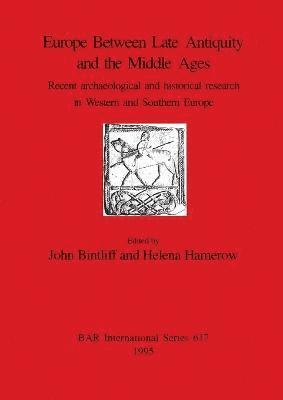
Europe Between Late Antiquity and the Middle Ages
Recent archaeological and historical research in Western and Southern Europe
Av John Bintliff, Helena Hamerow
Häftad, 1995
399 kr
Lägg i varukorg
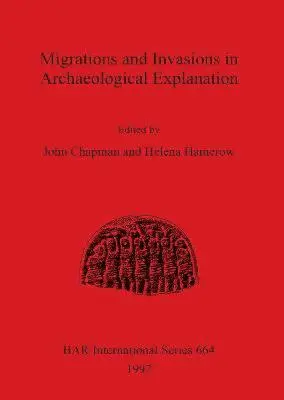
Migrations and Invasions in Archaeological Explanation
Av John Chapman, Helena Hamerow
Häftad, 1997
449 kr
Lägg i varukorg
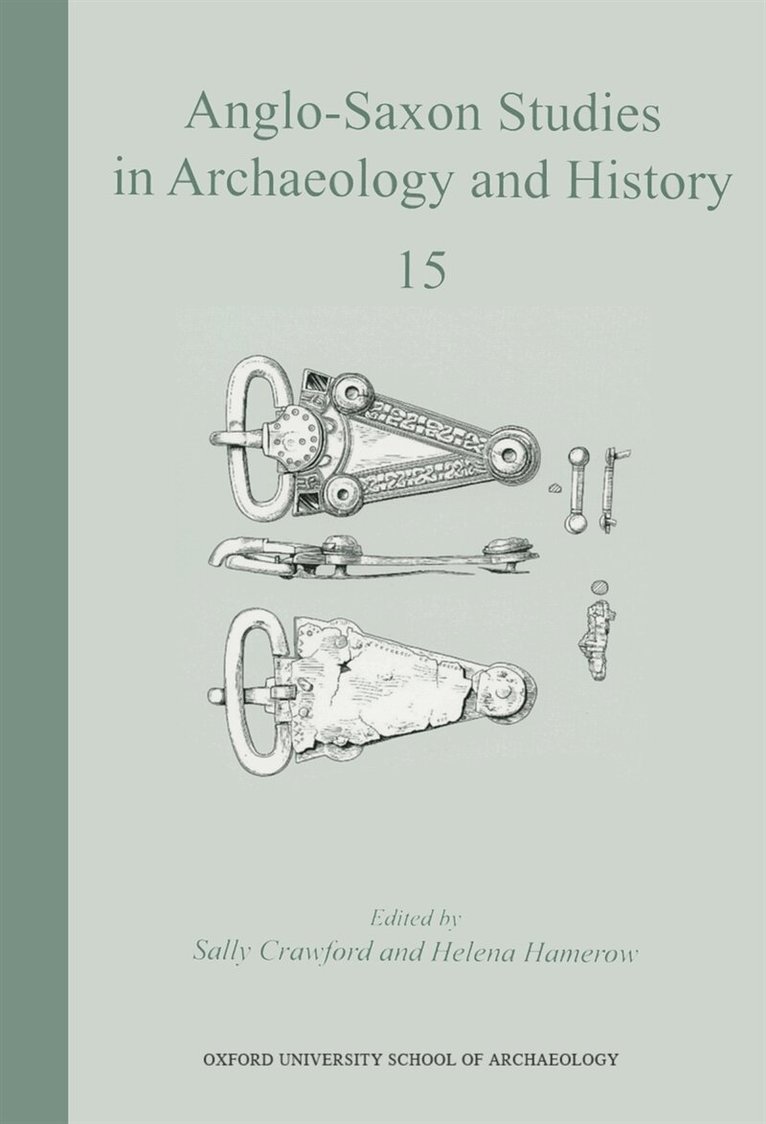
Anglo-Saxon Studies in Archaeology and History 15
Av Sally Crawford, Helena Hamerow
E-bok, 2021
126 kr
Lägg i varukorg
Anglo-Saxon Studies in Archaeology and History is an annual series concerned with the archaeology and history of England and its neighbours during the Anglo-Saxon period. ASSAH offers researchers an opportunity to publish new work in an interdisciplinary and multi-disciplinary forum which allows …
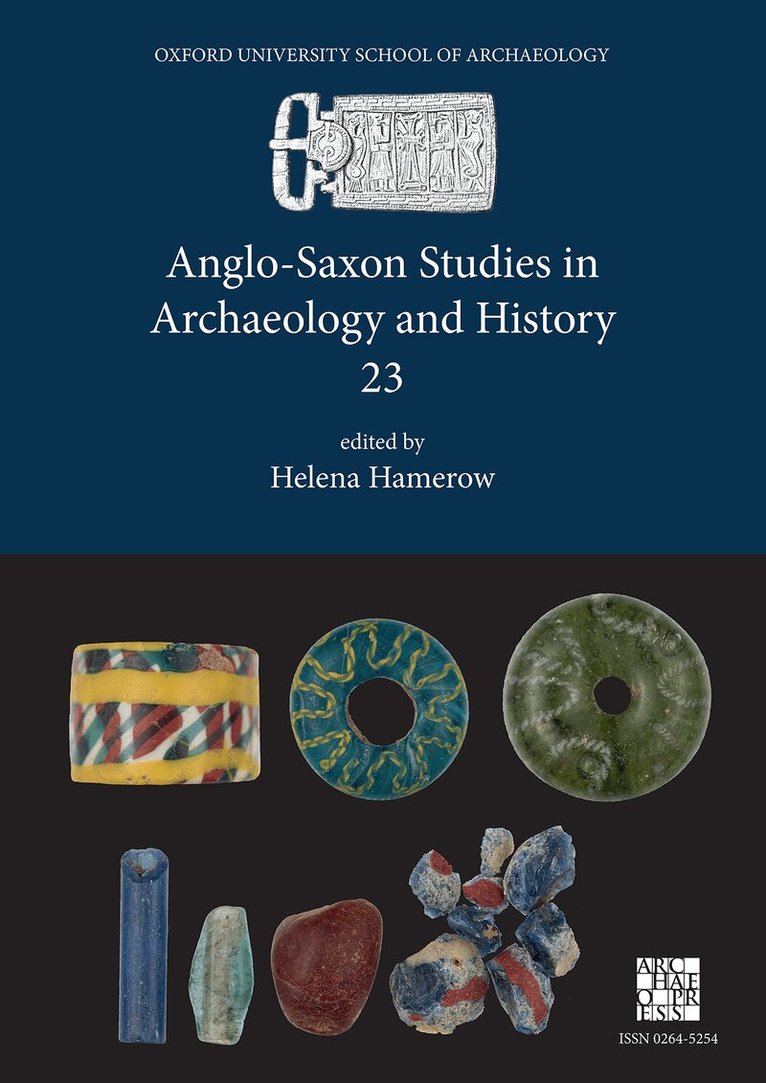
Anglo-Saxon Studies in Archaeology and History 23
Häftad, 2023
715 kr
Lägg i varukorg
Anglo-Saxon Studies in Archaeology and History (ASSAH) is a series concerned with the archaeology and history of England and its neighbours during the period circa AD 400-1100. ASSAH offers researchers an opportunity to publish new work in an inter- and multi-disciplinary forum that allows for a …
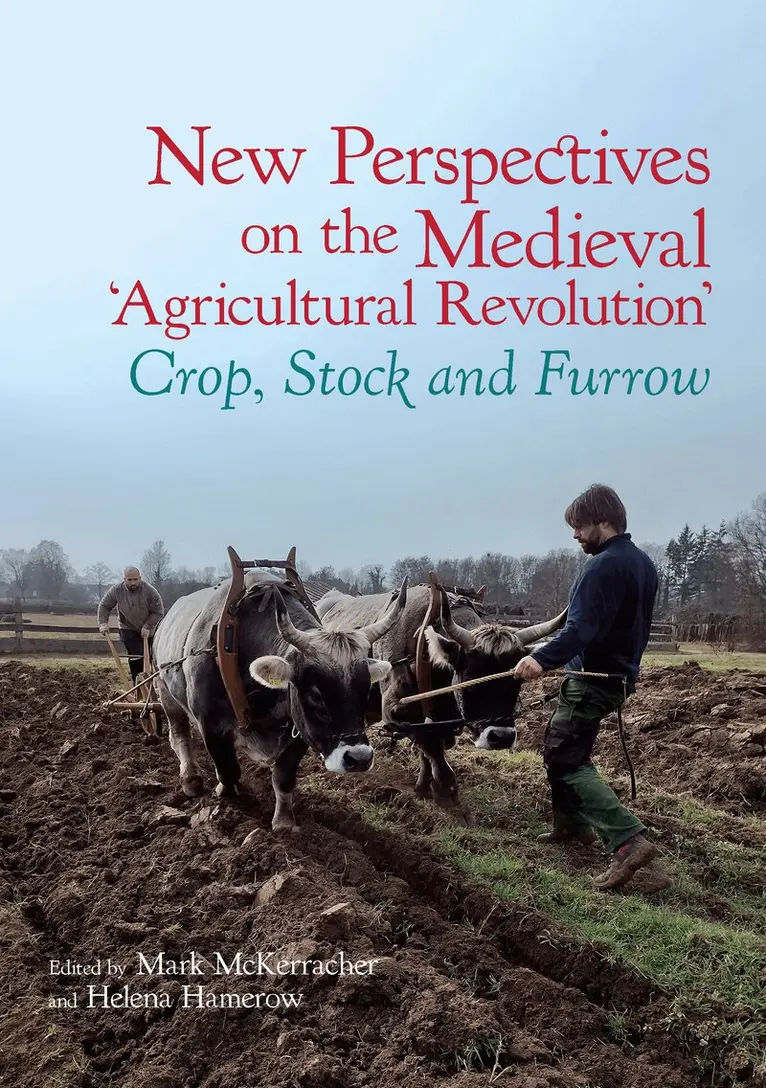
New Perspectives on the Medieval ‘Agricultural Revolution’
Crop, Stock and Furrow
Av Helena Hamerow, Mark McKerracher
Häftad, 2023
755 kr
Lägg i varukorg
An Open Access edition is available on the LUP and OAPEN websites.Across Europe, the early medieval period saw the advent of new ways of cereal farming which fed the growth of towns, markets and populations, but also fuelled wealth disparities and the rise of lordship. These developments have …
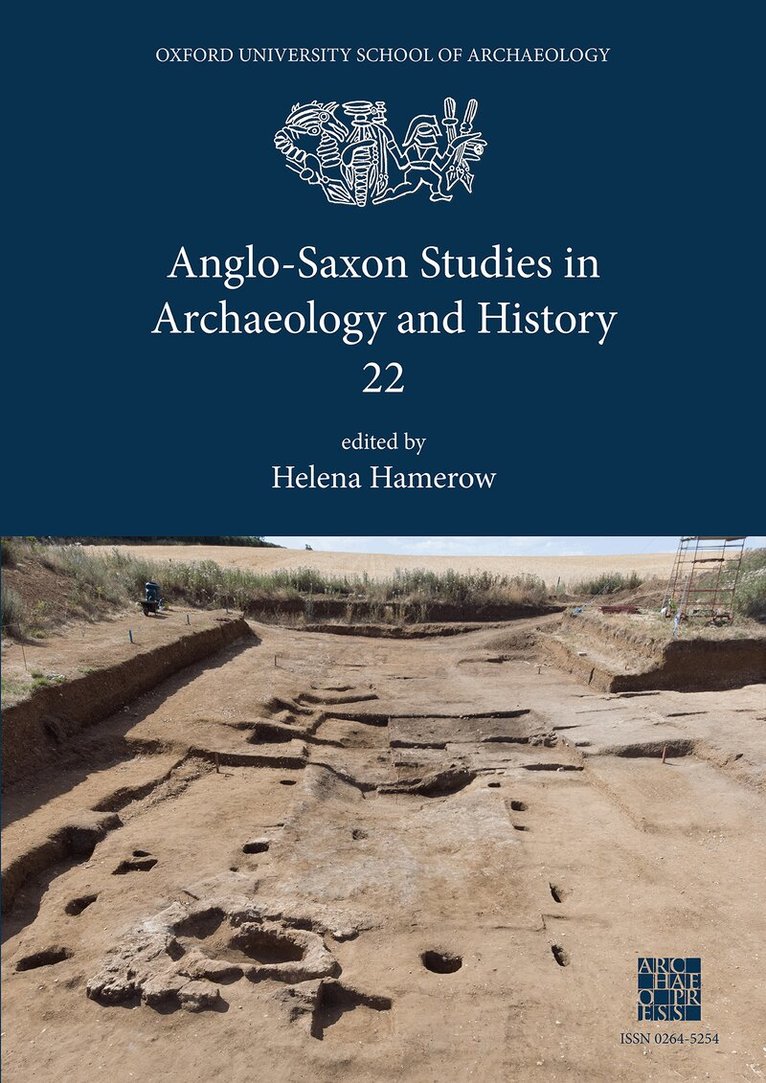
Anglo-Saxon Studies in Archaeology and History 22
Häftad, 2020
558 kr
Tillfälligt slut
Anglo-Saxon Studies in Archaeology and History (ASSAH) is a series concerned with the archaeology and history of England and its neighbours during the period circa AD 400-1100. ASSAH offers researchers an opportunity to publish new work in an inter- and multi-disciplinary forum that allows for a …