Mark W. Hauser - Böcker
Visar alla böcker från författaren Mark W. Hauser. Handla med fri frakt och snabb leverans.
5 produkter
5 produkter
1 802 kr
Skickas inom 7-10 vardagar
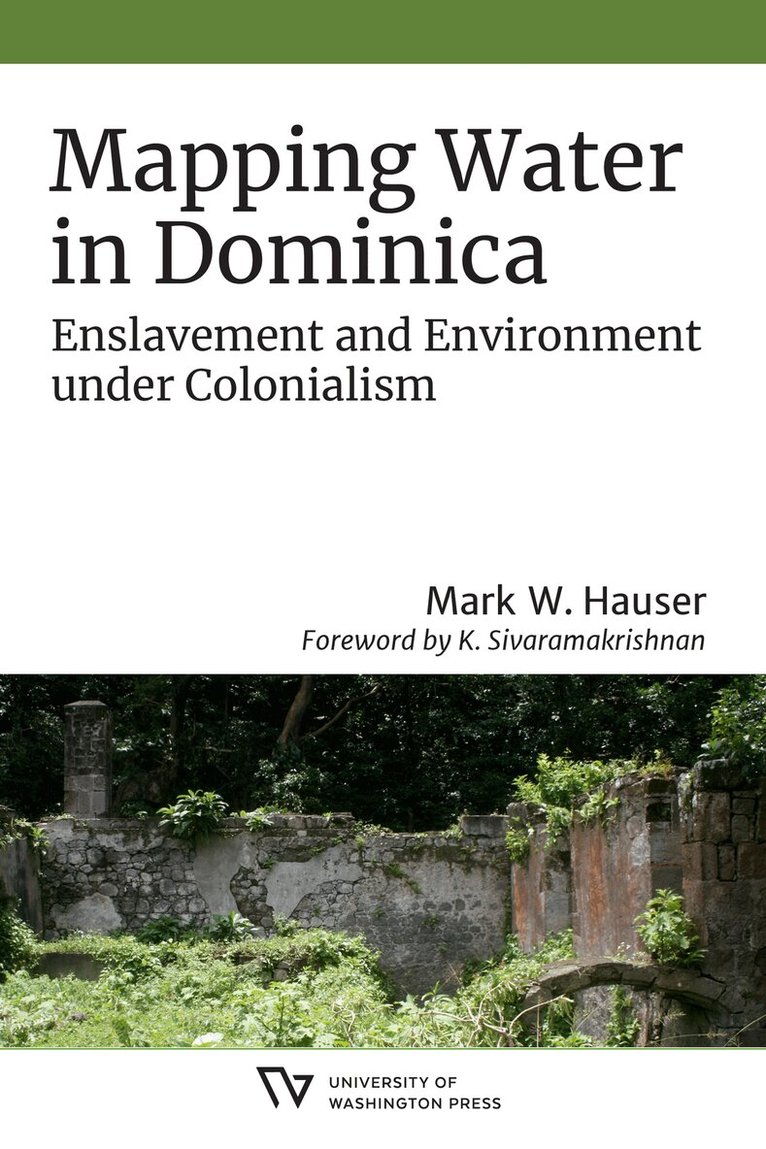
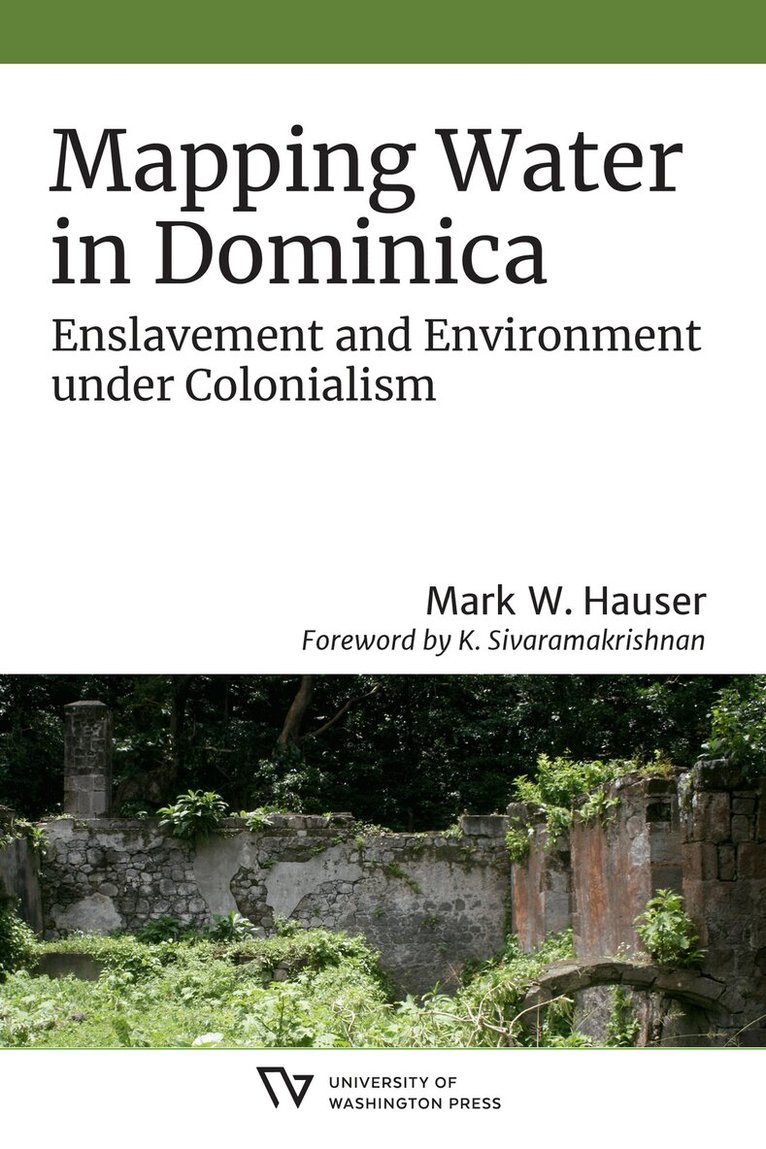
How sugarcane monoculture decimated an island's water supply and peopleOpen access edition: DOI 10.6069/9780295748733Dominica, a place once described as “Nature’s Island,” was rich in biodiversity and seemingly abundant water, but in the eighteenth century a brief, failed attempt by colonial administrators to replace cultivation of varied plant species with sugarcane caused widespread ecological and social disruption. Illustrating how deeply intertwined plantation slavery was with the environmental devastation it caused, Mapping Water in Dominica situates the social lives of eighteenth-century enslaved laborers in the natural history of two Dominican enclaves.Mark Hauser draws on archaeological and archival history from Dominica to reconstruct the changing ways that enslaved people interacted with water and exposes crucial pieces of Dominica’s colonial history that have been omitted from official documents. The archaeological record—which preserves traces of slave households, waterways, boiling houses, mills, and vessels for storing water—reveals changes in political authority and in how social relations were mediated through the environment. Plantation monoculture, which depended on both slavery and an abundant supply of water, worked through the environment to create predicaments around scarcity, mobility, and belonging whose resolution was a matter of life and death. In following the vestiges of these struggles, this investigation documents a valuable example of an environmental challenge centered around insufficient water.Mapping Water in Dominica is available in an open access edition through the Sustainable History Monograph Pilot, thanks to the generous support of the Andrew W. Mellon Foundation and Northwestern University Libraries.
454 kr
Skickas
How sugarcane monoculture decimated an island's water supply and peopleOpen access edition: DOI 10.6069/9780295748733Dominica, a place once described as “Nature’s Island,” was rich in biodiversity and seemingly abundant water, but in the eighteenth century a brief, failed attempt by colonial administrators to replace cultivation of varied plant species with sugarcane caused widespread ecological and social disruption. Illustrating how deeply intertwined plantation slavery was with the environmental devastation it caused, Mapping Water in Dominica situates the social lives of eighteenth-century enslaved laborers in the natural history of two Dominican enclaves.Mark Hauser draws on archaeological and archival history from Dominica to reconstruct the changing ways that enslaved people interacted with water and exposes crucial pieces of Dominica’s colonial history that have been omitted from official documents. The archaeological record—which preserves traces of slave households, waterways, boiling houses, mills, and vessels for storing water—reveals changes in political authority and in how social relations were mediated through the environment. Plantation monoculture, which depended on both slavery and an abundant supply of water, worked through the environment to create predicaments around scarcity, mobility, and belonging whose resolution was a matter of life and death. In following the vestiges of these struggles, this investigation documents a valuable example of an environmental challenge centered around insufficient water.Mapping Water in Dominica is available in an open access edition through the Sustainable History Monograph Pilot, thanks to the generous support of the Andrew W. Mellon Foundation and Northwestern University Libraries.
Archaeology of Black Markets
Local Ceramics and Economies in Eighteenth-Century Jamaica
Häftad, Engelska, 2013
281 kr
Skickas inom 10-15 vardagar
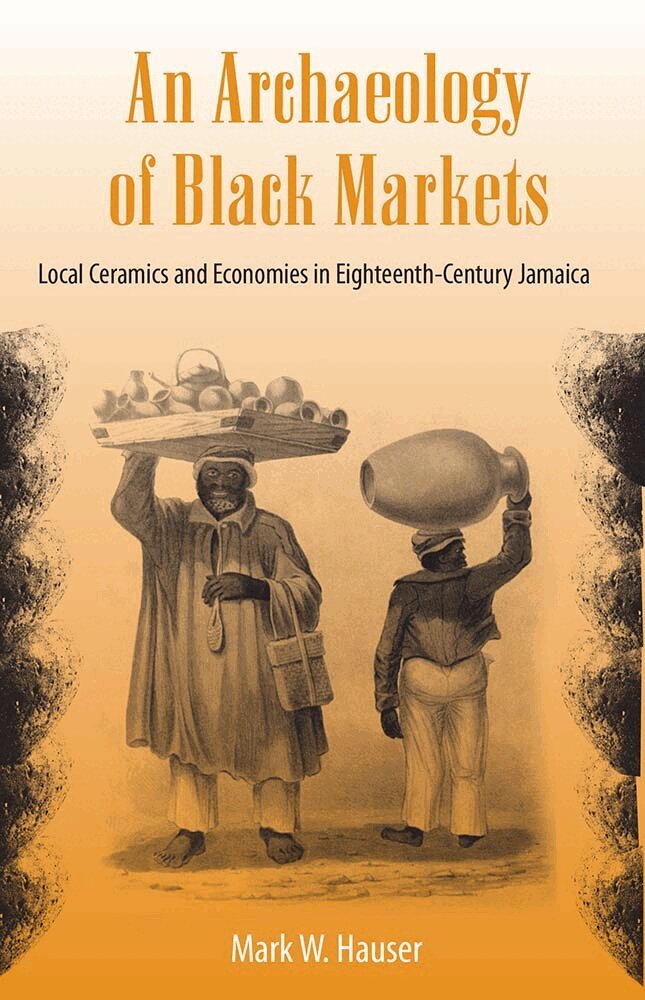
In eighteenth-century Jamaica, an informal, underground economy existed among enslaved labourers. Mark Hauser uses pottery fragments to examine their trade networks and to understand how enslaved and free Jamaicans created communities that transcended plantation boundaries.An Archaeology of Black Markets utilises both documentary and archaeological evidence to reveal how slaves practiced their own systematic forms of economic production, exchange, and consumption. Hauser compares the findings from a number of previously excavated sites and presents new analyses that reinterpret these collections in the context of island-wide trading networks.Trading allowed enslaved labourers to cross boundaries of slave life and enter into a black market of economic practices with pots in hand. By utilising secret trails that connected plantations, sectarian churches, and street markets, the enslaved remained in contact, exchanged information, news, and gossip, and ultimately stoked the colony's 1831 rebellion. Hauser considers how uprooted peoples from Africa created new networks in Jamaica, and interjects into archaeological discussions the importance of informal economic practice among non-elite members of society.
372 kr
Skickas inom 7-10 vardagar
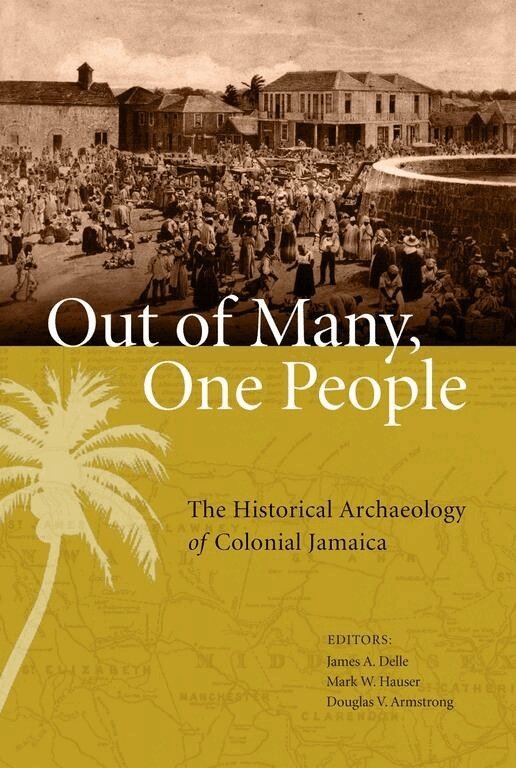
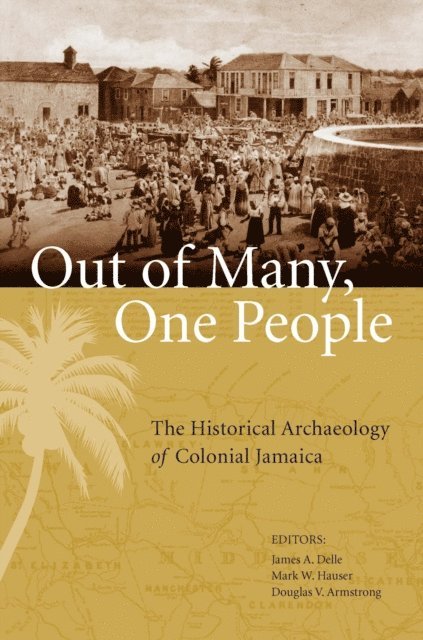
As a source of colonial wealth and a crucible for global culture, Jamaica has had a profound impact on the formation of the modern world system. From the island's economic and military importance to the colonial empires it has hosted and the multitude of ways in which diverse people from varied parts of the world have coexisted in and reacted against systems of inequality, Jamaica has long been a major focus of archaeological studies of the colonial period. This volume assembles for the first time the results of nearly three decades of historical archaeology in Jamaica. Scholars present research on maritime and terrestrial archaeological sites, addressing issues such as: the early Spanish period at Seville la Nueva; the development of the first major British settlement at Port Royal; the complexities of the sugar and coffee plantation system, and the conditions prior to, and following, the abolition of slavery in Jamaica. The everyday life of African Jamaican people is examined by focusing on the development of Jamaica's internal marketing system, consumer behaviour among enslaved people, iron-working and ceramic-making traditions, and the development of a sovereign Maroon society at Nanny Town. Out of Many, One People paints a complex and fascinating picture of life in colonial Jamaica, and demonstrates how archaeology has contributed to heritage preservation on the island.
939 kr
Skickas inom 10-15 vardagar
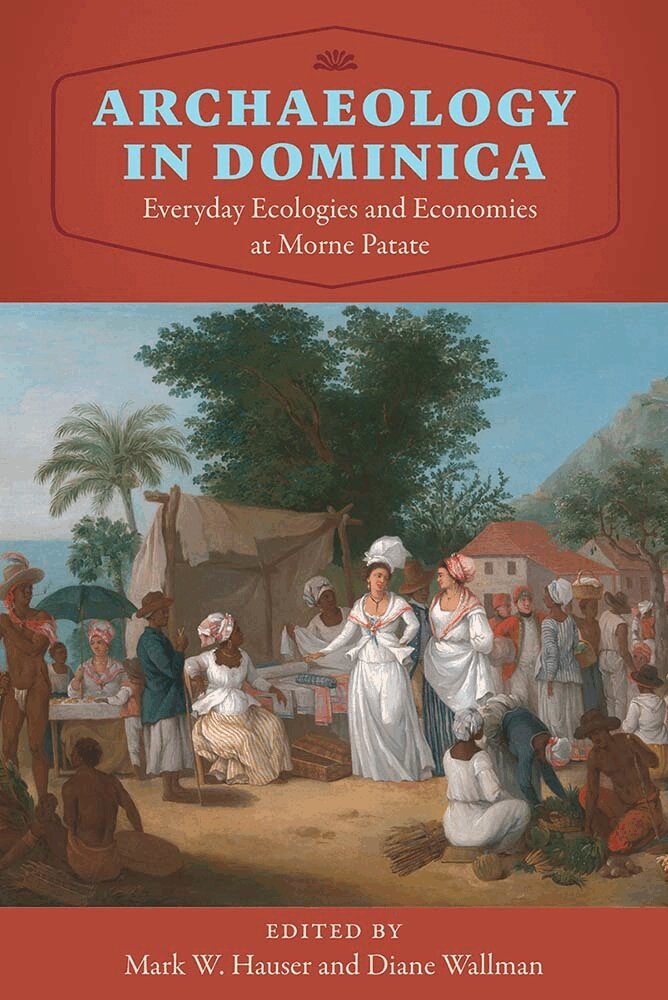
Archaeology in Dominica examines the everyday lives of enslaved and free workers at Morne Patate, an eighteenth- and nineteenth-century Caribbean plantation that produced sugar, coffee, and provisions. Focusing on household archaeology, this volume helps document the underrepresented history of slavery and colonialism on the edge of the British Empire.Contributors discuss how enslaved and free people were entangled in shifting economic and ecological systems during the plantation's 200-year history, most notably the introduction of sugarcane as an export commodity. Analyzing historical records, the landscape geography of the plantation, and material remains from the residences of laborers, the authors synthesize extensive data from this site and compare it to that of other excavations across the Eastern Caribbean. Using historical archaeology to investigate the political ecology of Morne Patate opens up a deeper understanding of the environmental legacies of colonial empires, as well as the long-term impacts of plantation agriculture on the Caribbean region and its people.A volume in the Florida Museum of Natural History: Ripley P. Bullen Series.