L. Antonio Curet – författare
Visar alla böcker från författaren L. Antonio Curet. Handla med fri frakt och snabb leverans.
11 produkter
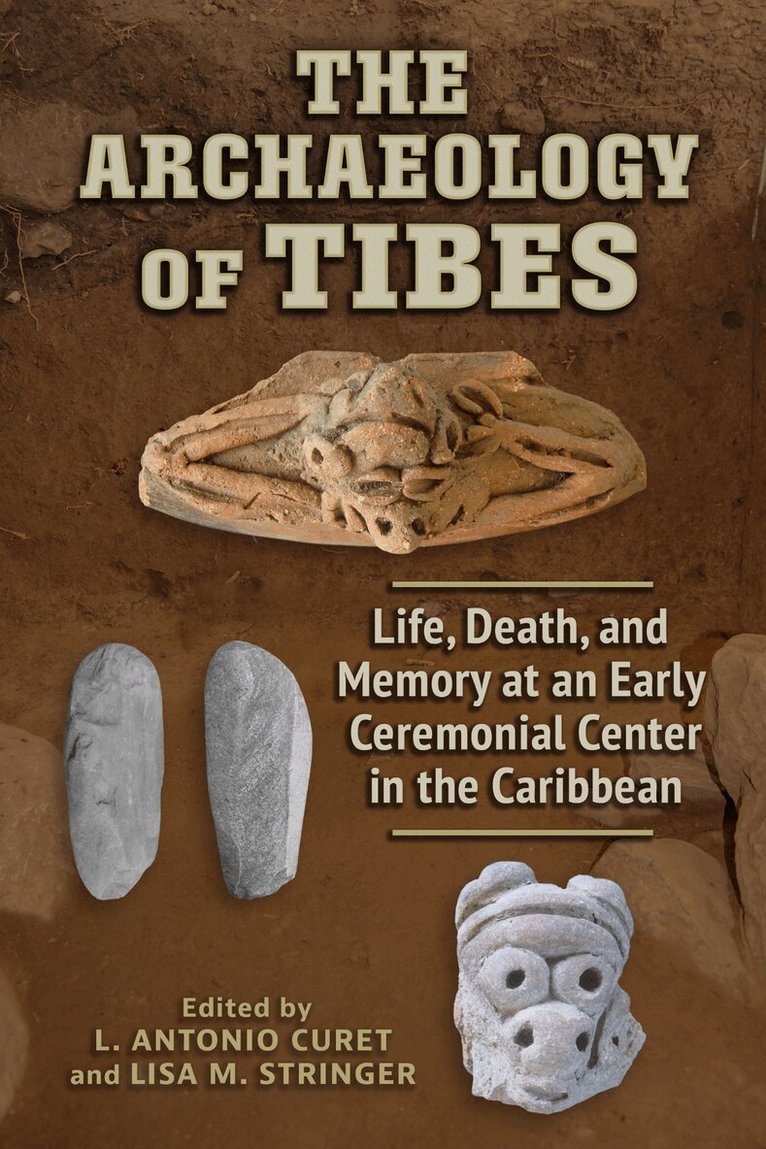
Archaeology of Tibes
Life, Death, and Memory at an Early Ceremonial Center in the Caribbean
Av L. Antonio Curet, Lisa M. Stringer
Inbunden, 2024
1275 kr
Lägg i varukorg
Brings Caribbean archaeology in line with current thinking about social stratification and repositions the role of archaeology to uncover smaller-scale daily lives of ancient peoples rather than focusing on the large-scale chiefdoms.
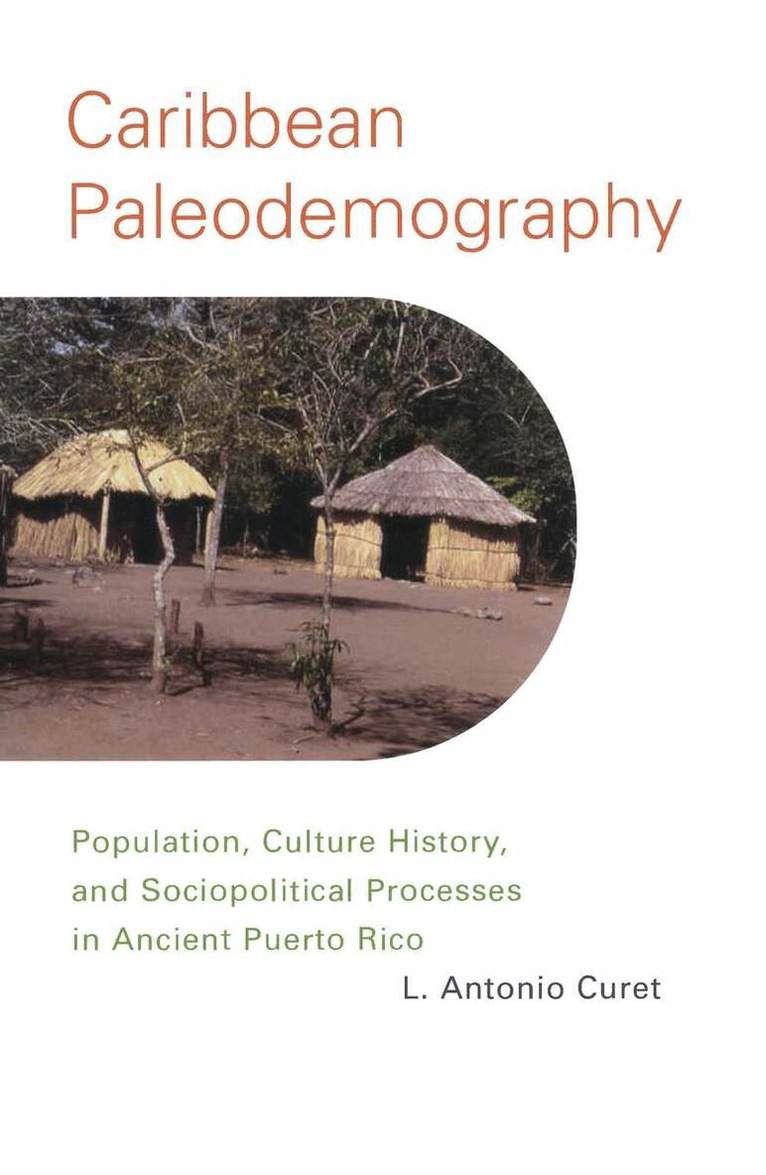
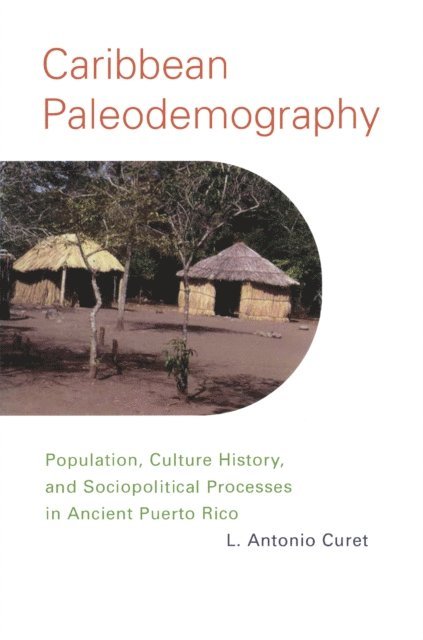
Caribbean Paleodemography
Population, Culture History, and Sociopolitical Processes in Ancient Puerto Rico
Häftad, 2005
396 kr
Lägg i varukorg
According to the European chronicles, at the time of contact, the Greater Antilles were inhabited by the Tainos or Arawak Indians, who were organized in hierarchical societies. Since its inception Carribean archaeology has used population as an important variable in explaining many social, …
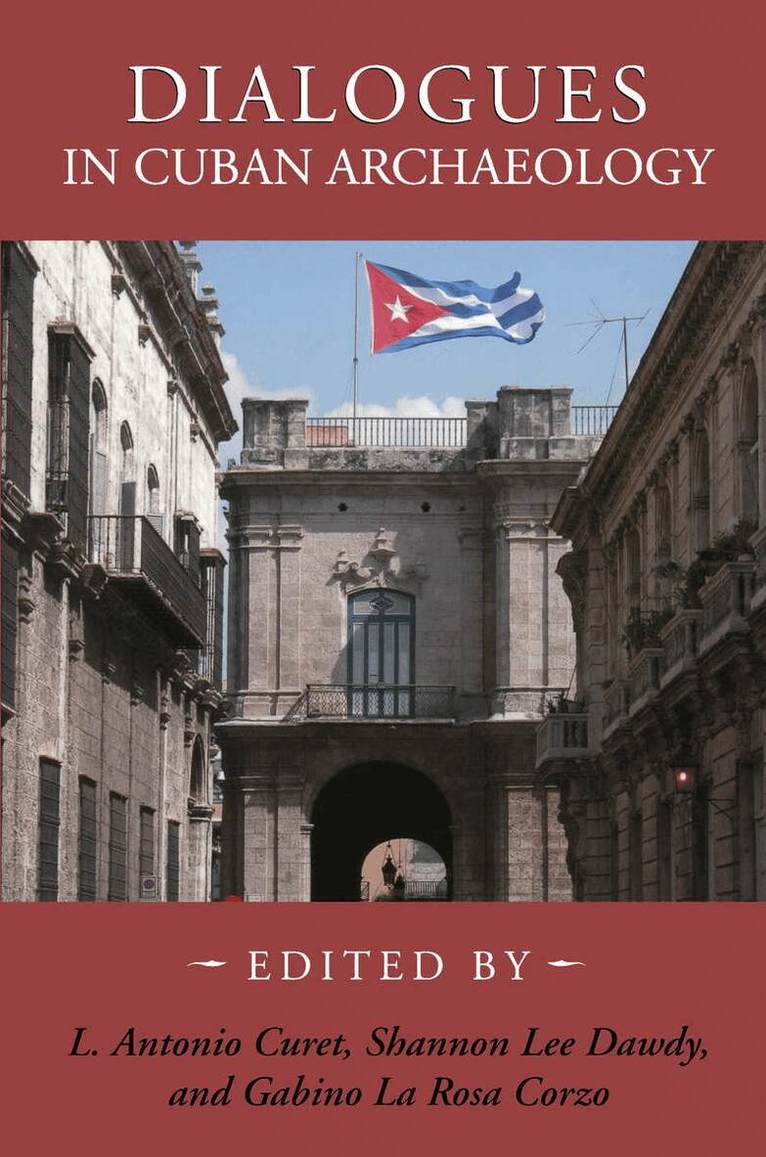
Dialogues in Cuban Archaeology
Av L. Antonio Curet, Shannon Lee Dawdy m. fl.
Häftad, 2005
532 kr
Lägg i varukorg
This book provides a politically and historically informed review of Cuban archaeology, from both American and Cuban perspectives. Many Americans are aware of the political, economic, and personal impacts of the US embargo on Cuba. But the communication blockade between scholars has also affected …
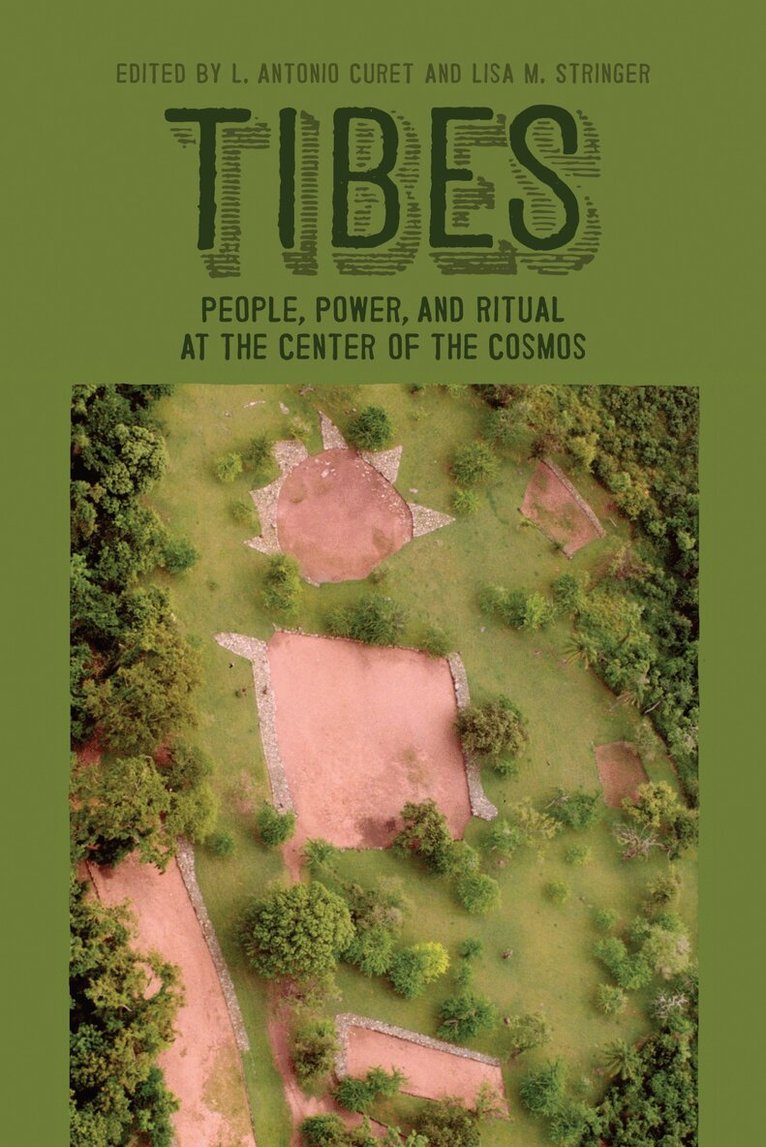
Tibes
People, Power, and Ritual at the Center of the Cosmos
Av The University of Alabama Press, L. Antonio Curet
Häftad, 2009
454 kr
Lägg i varukorg
The prehistoric civic-ceremonial center of Tibes is located on the southern coast of Puerto Rico, just north of the modern coastal city of Ponce. Protected on two sides by a river, and on the other two sides by hills, this approximately 10.5 acre site remains as fertile and productive today as when …
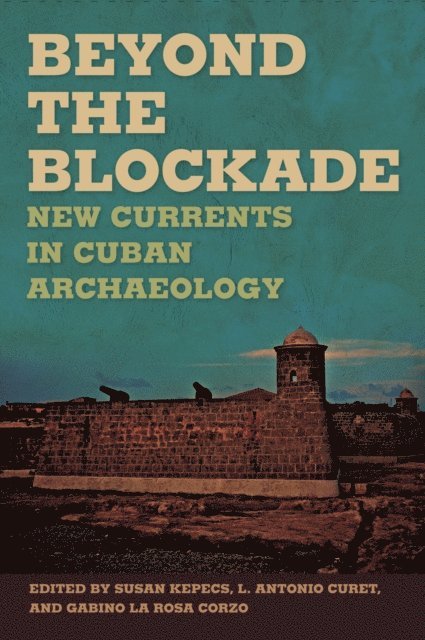
Beyond the Blockade
New Currents in Cuban Archaeology
Av Susan Kepecs, L. Antonio Curet m. fl.
Häftad, 2010
273 kr
Lägg i varukorg
This innovative volume builds on dialogues opened in recent years between Cuban archaeologists, whose work has long been carried out behind closed doors, and their international colleagues. The chapters included herein span a wide range of subjects across the full chronological spectrum. Most were …
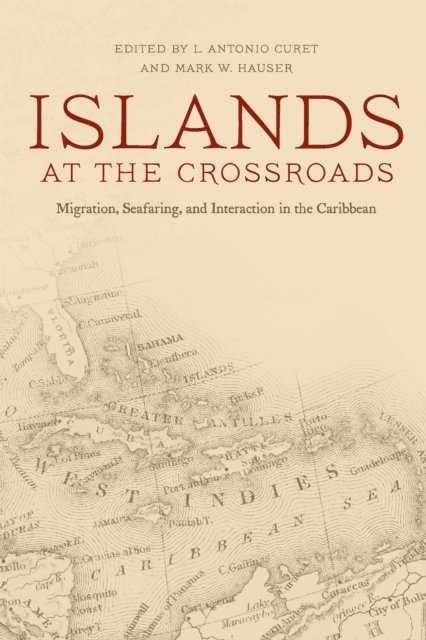
Islands at the Crossroads
Migration, Seafaring and Interaction in the Caribbean
Av L. Antonio Curet, Mark W. Hauser
Häftad, 2011
385 kr
Lägg i varukorg
The contributors to Islands at the Crossroads include scholars from the Caribbean, the United States, and Europe who look beyond cultural boundaries and colonial frontiers to explore the complex and layered ways in which both distant and more intimate sociocultural, political, and economic …
Archaeology of Tibes
Life, Death, and Memory at an Early Ceremonial Center in the Caribbean
Av L. Antonio Curet, Lisa M. Stringer
Häftad, 2024
339 kr
Lägg i varukorg
Brings Caribbean archaeology in line with current thinking about social stratification and repositions the role of archaeology to uncover smaller-scale daily lives of ancient peoples rather than focusing on the large-scale chiefdoms.
Tibes
People, Power, and Ritual at the Center of the Cosmos
Av Lisa M. Stringer, L. Antonio Curet
E-bok, 2009
780 kr
Lägg i varukorg
The first comprehensive analysis of a strategically located ceremonial center on the island of Puerto Rico The prehistoric civic-ceremonial center of Tibes is located on the southern coast of Puerto Rico, just north of the modern coastal city of Ponce. Protected on two sides by a river, and on the …
Caribbean Paleodemography
Population, Culture History, and Sociopolitical Processes in Ancient Puerto Rico
E-bok, 2014
661 kr
Lägg i varukorg
A high significant discussion of Caribbean archaeology and a fascinating introduction to paleodemography According to the European chronicles, at the time of contact, the Greater Antilles were inhabited by the Taino or Arawak Indians, who were organized in hierarchical societies. Since its …
Beyond the Blockade
New Currents in Cuban Archaeology
Av Susan Kepecs, Gabino La Rosa Corzo m. fl.
E-bok, 2010
473 kr
Lägg i varukorg
An important collection of essays and scholarship by Cuban archaeologists about precontact human settlement on the island. An important and timely collection of essays that greatly expands knowledge of the human settlement of Cuba and the activities of its indigenous peoples. The collection is a …
Islands at the Crossroads
Migration, Seafaring, and Interaction in the Caribbean
Av Mark W. Hauser, L. Antonio Curet
E-bok, 2011
682 kr
Lägg i varukorg
A long sequence of social, cultural, and political processes characterizes an ever-dynamic Caribbean history. The Caribbean Basin is home to numerous linguistic and cultural traditions and fluid interactions that often map imperfectly onto former colonial and national traditions. Although much of …