Mary Bucholtz - Böcker
Visar alla böcker från författaren Mary Bucholtz. Handla med fri frakt och snabb leverans.
15 produkter
15 produkter
768 kr
Skickas inom 3-6 vardagar
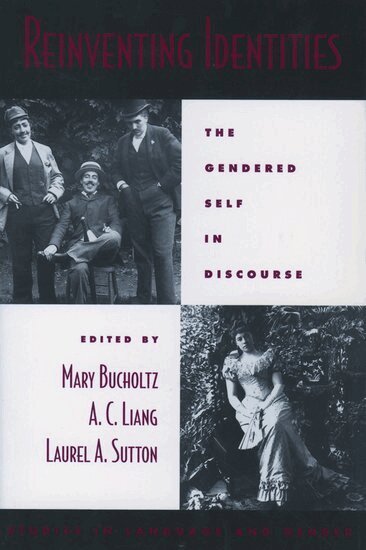
Talk is crucial to the way our identities are constructed, altered, and defended. Feminist scholars in particular have only begun to investigate how deeply language reflects and shapes who we think we are. This volume of previously unpublished essays advances that effort by bringing together stellar feminist scholars in the area of language and gender such as Deborah Tannen, Jennifer Coates, and Marcyliena Morgan, as well as rising younger scholars, to tackle such topics as African-American drag queens, gender and class on the shopping channel, and talk in the workplace. It should have a strong appeal to linguists (sociolinguists, and language and gender scholars), as well as anthropologists, sociologists and those in queer studies.
1 287 kr
Skickas inom 5-8 vardagar
Talk is crucial to the way our identities are constructed, altered, and defended. Feminist scholars in particular have only begun to investigate how deeply language reflects and shapes who we think we are. This volume of previously unpublished essays, the first in the new Language and Gender Studies series, advances that effort by bringing together leading feminist scholars in the area of language and gender, including Deborah Tannen, Jennifer Coates, and Marcyliena Morgan, as well as rising younger scholars. Topics explored include African-American drag queens, gender and class on the shopping channel, and talk in the workplace.
518 kr
Skickas inom 5-8 vardagar
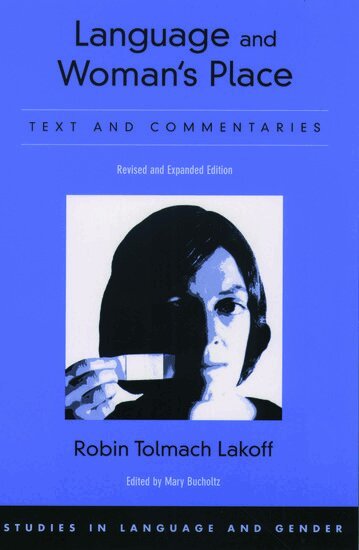
The 1975 publication of Language and Woman's Place, with its argument that language is fundamental to gender inequality, inaugurated language and gender research. This volume presents the original text along with commentaries by Lakoff and 26 other leading scholars of language, gender, and sexuality. The new edition places the text in contemporary context for a new generation of readers.
1 024 kr
Skickas inom 7-10 vardagar
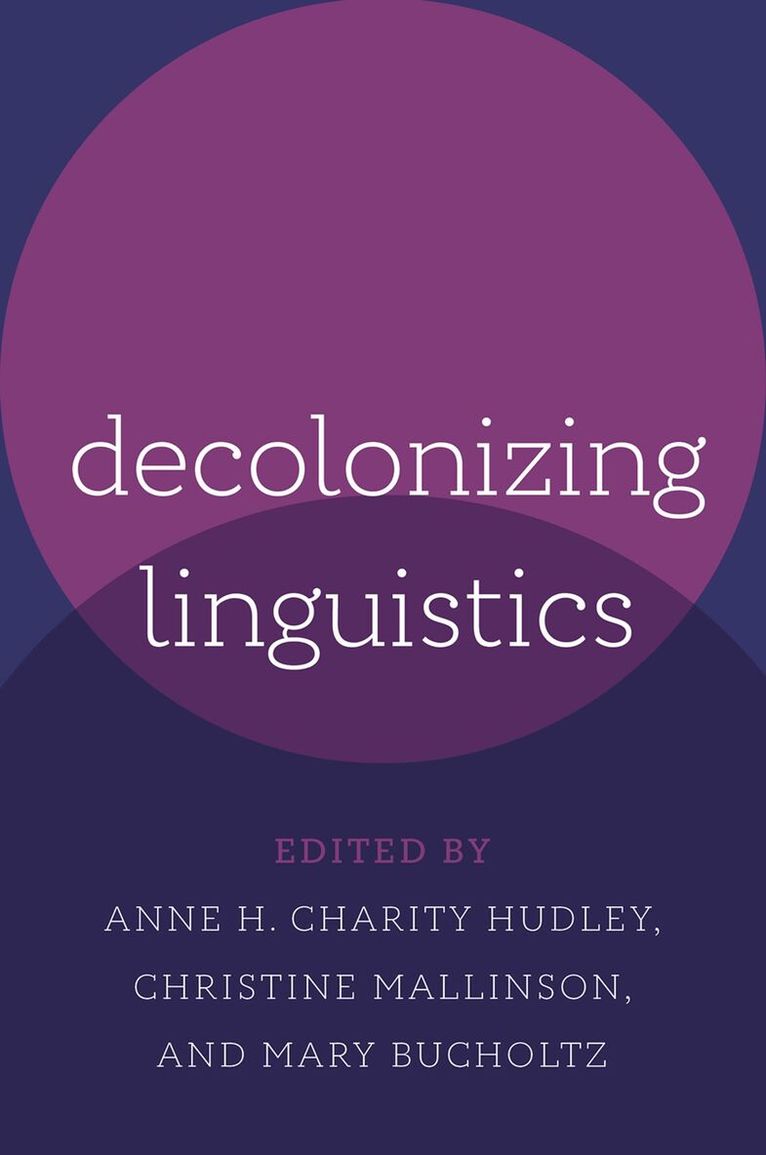
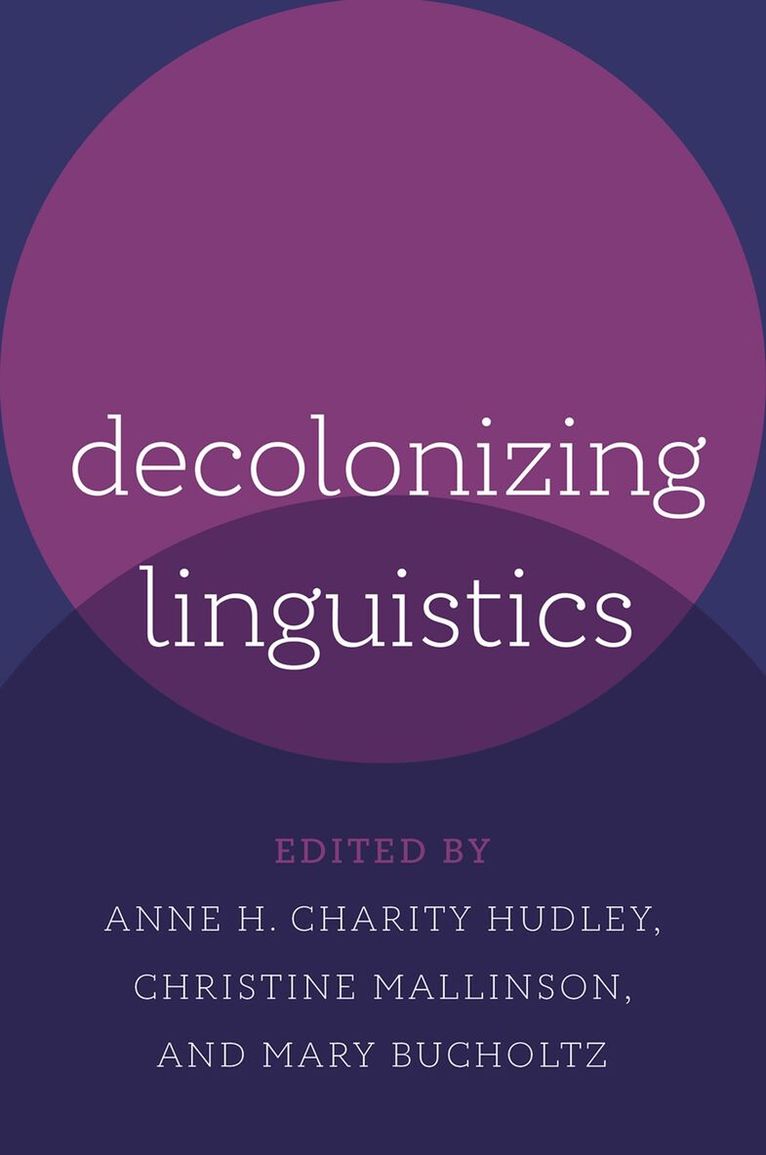
This is an open access title available under the terms of a CC BY-NC-ND 4.0 International license. It is free to read at Oxford Academic and offered as a free PDF download from OUP and selected open access locations.Decolonizing Linguistics, the companion volume to Inclusion in Linguistics, is designed to uncover and intervene in the history and ongoing legacy of colonization and colonial thinking in linguistics and related fields. Taken together, the two volumes are the first comprehensive, action-oriented, book-length discussions of how to advance social justice in all aspects of the discipline.The introduction to Decolonizing Linguistics theorizes decolonization as the process of centering Black, Native, and Indigenous perspectives, describes the extensive dialogic and collaborative process through which the volume was developed, and lays out key principles for decolonizing linguistic research and teaching. The twenty chapters cover a wide range of languages and linguistic contexts (e.g., Bantu languages, Creoles, Dominican Spanish, Francophone Africa, Zapotec) as well as various disciplines and subfields (applied linguistics, communication, historical linguistics, language documentation and revitalization/reclamation, psycholinguistics, sociolinguistics, syntax). Contributors address such topics as refusing settler-colonial practices and centering community goals in research on Indigenous languages; decolonizing research partnerships between the Global South and the Global North; and prioritizing Black Diasporic perspectives in linguistics. The volume's conclusion lays out specific actions that linguists can take through research, teaching, and institutional structures to refuse coloniality in linguistics and to move the field toward a decolonized future.
282 kr
Skickas inom 5-8 vardagar
This is an open access title available under the terms of a CC BY-NC-ND 4.0 International license. It is free to read at Oxford Academic and offered as a free PDF download from OUP and selected open access locations.Decolonizing Linguistics, the companion volume to Inclusion in Linguistics, is designed to uncover and intervene in the history and ongoing legacy of colonization and colonial thinking in linguistics and related fields. Taken together, the two volumes are the first comprehensive, action-oriented, book-length discussions of how to advance social justice in all aspects of the discipline.The introduction to Decolonizing Linguistics theorizes decolonization as the process of centering Black, Native, and Indigenous perspectives, describes the extensive dialogic and collaborative process through which the volume was developed, and lays out key principles for decolonizing linguistic research and teaching. The twenty chapters cover a wide range of languages and linguistic contexts (e.g., Bantu languages, Creoles, Dominican Spanish, Francophone Africa, Zapotec) as well as various disciplines and subfields (applied linguistics, communication, historical linguistics, language documentation and revitalization/reclamation, psycholinguistics, sociolinguistics, syntax). Contributors address such topics as refusing settler-colonial practices and centering community goals in research on Indigenous languages; decolonizing research partnerships between the Global South and the Global North; and prioritizing Black Diasporic perspectives in linguistics. The volume's conclusion lays out specific actions that linguists can take through research, teaching, and institutional structures to refuse coloniality in linguistics and to move the field toward a decolonized future.
1 024 kr
Skickas inom 7-10 vardagar
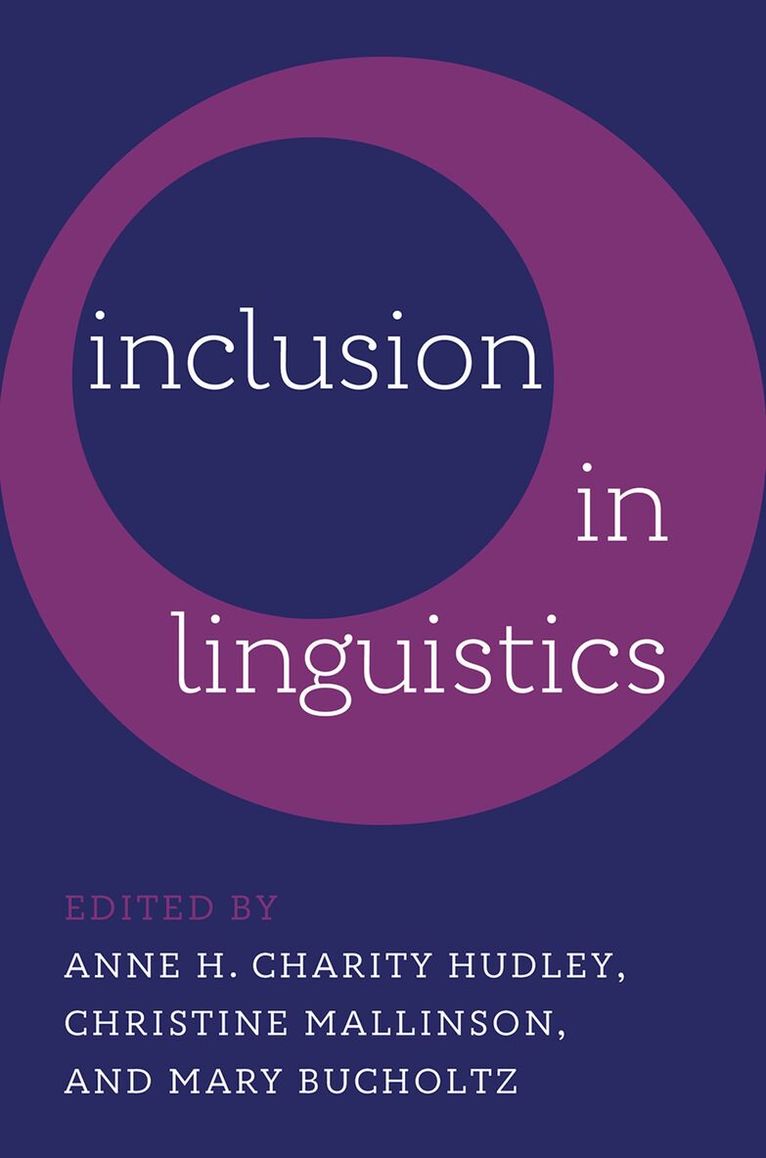
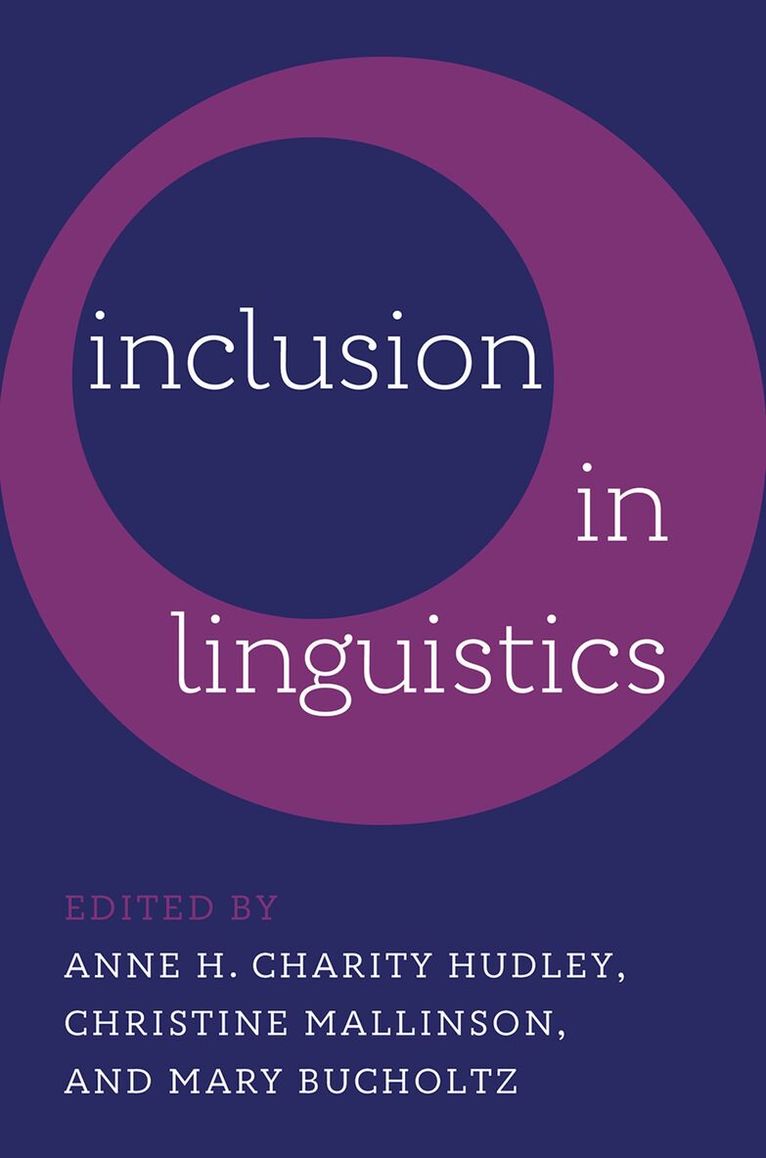
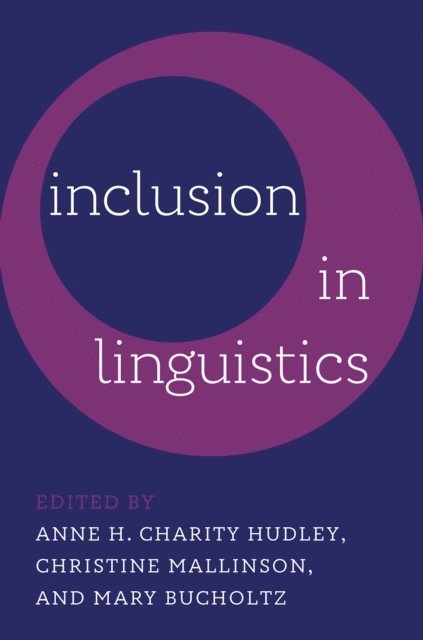
This is an open access title available under the terms of a CC BY-NC-ND 4.0 International license. It is free to read at Oxford Academic and offered as a free PDF download from OUP and selected open access locations.Inclusion in Linguistics, the companion volume to Decolonizing Linguistics, aims to reinvent linguistics as a space of belonging across race, gender, class, disability, geographic region, and more. Taken together, the two volumes are the first comprehensive, action-oriented, book-length discussions of how to advance social justice in all aspects of the discipline. The volume's introduction theorizes inclusion as fundamental to social justice and describes the extensive dialogic and collaborative process through which the volume was developed. Contributors discuss intersectional forms of exclusion in linguistics: researchers' anti-autistic ableism; the exclusion of Deaf Global South researchers of color; the marginalization of Filipino American students and scholars; disciplinary transphobia; and the need for a “big tent” linguistics. The volume goes on to outline intersectional forms of exclusion in linguistics, describes institutional steps toward inclusion, offers examples of how to further educational justice, and shares models of collaborations designed to create an inclusive public-facing linguistics. The volume's conclusion outlines actions that linguists can take through research, teaching, and institutional structures to advance inclusion in linguistics and move the field toward social justice.
282 kr
Skickas inom 5-8 vardagar
This is an open access title available under the terms of a CC BY-NC-ND 4.0 International license. It is free to read at Oxford Academic and offered as a free PDF download from OUP and selected open access locations.Inclusion in Linguistics, the companion volume to Decolonizing Linguistics, aims to reinvent linguistics as a space of belonging across race, gender, class, disability, geographic region, and more. Taken together, the two volumes are the first comprehensive, action-oriented, book-length discussions of how to advance social justice in all aspects of the discipline. The volume's introduction theorizes inclusion as fundamental to social justice and describes the extensive dialogic and collaborative process through which the volume was developed. Contributors discuss intersectional forms of exclusion in linguistics: researchers' anti-autistic ableism; the exclusion of Deaf Global South researchers of color; the marginalization of Filipino American students and scholars; disciplinary transphobia; and the need for a “big tent” linguistics. The volume goes on to outline intersectional forms of exclusion in linguistics, describes institutional steps toward inclusion, offers examples of how to further educational justice, and shares models of collaborations designed to create an inclusive public-facing linguistics. The volume's conclusion outlines actions that linguists can take through research, teaching, and institutional structures to advance inclusion in linguistics and move the field toward social justice.
2 306 kr
Skickas inom 10-15 vardagar
Gender Articulated is a groundbreaking work of sociolinguistics that forges new connections between language-related fields and feminist theory. Refuting apolitical, essentialist perspectives on language and gender, the essays presented here examine a range of cultures, languages and settings. They explicitly connect feminist theory to language research.Some of the most distinguished scholars working in the field of language and gender today discuss such topics as Japanese women's appropriation of "men's language," the literary representation of lesbian discourse, the silencing of women on the Internet, cultural mediation and Spanish use at New Mexican weddings and the uses of silence in the Anita Hill-Clarence Thomas hearings.
717 kr
Skickas inom 10-15 vardagar
Gender Articulated is a groundbreaking work of sociolinguistics that forges new connections between language-related fields and feminist theory. Refuting apolitical, essentialist perspectives on language and gender, the essays presented here examine a range of cultures, languages and settings. They explicitly connect feminist theory to language research.Some of the most distinguished scholars working in the field of language and gender today discuss such topics as Japanese women's appropriation of "men's language," the literary representation of lesbian discourse, the silencing of women on the Internet, cultural mediation and Spanish use at New Mexican weddings and the uses of silence in the Anita Hill-Clarence Thomas hearings.
461 kr
Skickas inom 7-10 vardagar
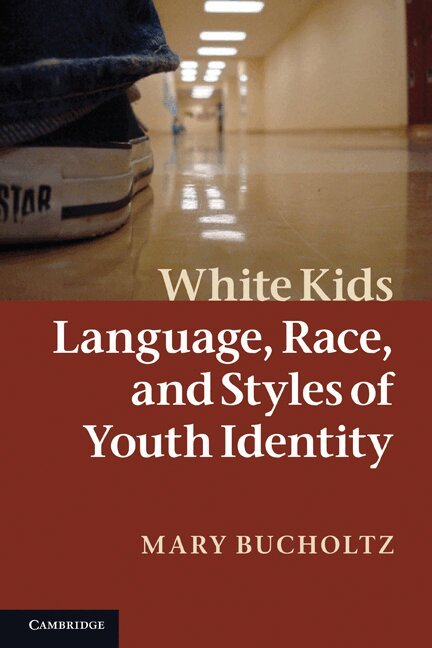
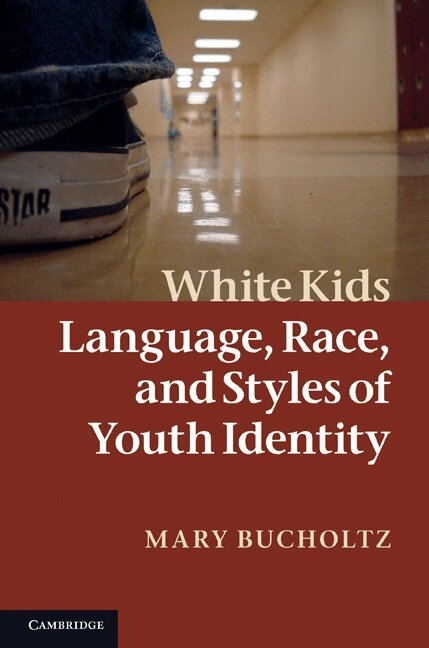
In White Kids, Mary Bucholtz investigates how white teenagers use language to display identities based on race and youth culture. Focusing on three youth styles - preppies, hip hop fans, and nerds - Bucholtz shows how white youth use a wealth of linguistic resources, from social labels to slang, from Valley Girl speech to African American English, to position themselves in the school's racialized social order. Drawing on ethnographic fieldwork in a multiracial urban California high school, the book also demonstrates how European American teenagers talk about race when discussing interracial friendship and difference, narrating racialized fear and conflict, and negotiating their own ethnoracial classification. The first book to use techniques of linguistic analysis to examine the construction of diverse white identities, it will be welcomed by researchers and students in linguistics, anthropology, ethnic studies and education.
1 011 kr
Skickas inom 7-10 vardagar
In White Kids, Mary Bucholtz investigates how white teenagers use language to display identities based on race and youth culture. Focusing on three youth styles - preppies, hip hop fans, and nerds - Bucholtz shows how white youth use a wealth of linguistic resources, from social labels to slang, from Valley Girl speech to African American English, to position themselves in the school's racialized social order. Drawing on ethnographic fieldwork in a multiracial urban California high school, the book also demonstrates how European American teenagers talk about race when discussing interracial friendship and difference, narrating racialized fear and conflict, and negotiating their own ethnoracial classification. The first book to use techniques of linguistic analysis to examine the construction of diverse white identities, it will be welcomed by researchers and students in linguistics, anthropology, ethnic studies and education.
416 kr
Skickas inom 11-20 vardagar
Talking College shows that language is fundamental to Black and African American culture and that linguistic justice is crucial to advancing racial justice, both on college campuses and throughout society. Writing from a linguistics-informed, Black-centered educational framework, the authors draw extensively on Black college students' lived experiences to present key ideas about African American English and Black language practices. The text presents a model of how Black students navigate the linguistic expectations of college. Grounded in real-world examples of Black undergraduates attending colleges and universities across the United States, the model illustrates the linguistic and cultural balancing acts that arise as Black students work to develop their full linguistic selves. Talking College provides Black students with the knowledge they need to make sense of anti-Black linguistic racism and to make decisions about their linguistic experiences in college. It also offers key insights to help college faculty and staff create the liberating and linguistically just educational community that Black students deserve.Book Features:Weaves together information and approaches drawn from the authors' extensive experience working with Black and other students of color in higher education.Provides an up-to-date discussion of Black language practices and their role in Black students' college experiences.Discusses the racial politics of language, including anti-Black linguistic racism and the struggle for linguistic justice as part of racial justice.Offers a detailed model of Black college students' diverse linguistic and racial identities. Outlines concrete steps toward racial and linguistic justice that students and faculty can take today.Accessible to students and faculty without a background in linguistics, while also engaging and informative for linguistics scholars.
Talking College
Making Space for Black Language Practices in Higher Education
Inbunden, Engelska, 2022
1 220 kr
Skickas inom 11-20 vardagar
Talking College shows that language is fundamental to Black and African American culture and that linguistic justice is crucial to advancing racial justice, both on college campuses and throughout society. Writing from a linguistics-informed, Black-centered educational framework, the authors draw extensively on Black college students' lived experiences to present key ideas about African American English and Black language practices. The text presents a model of how Black students navigate the linguistic expectations of college. Grounded in real-world examples of Black undergraduates attending colleges and universities across the United States, the model illustrates the linguistic and cultural balancing acts that arise as Black students work to develop their full linguistic selves. Talking College provides Black students with the knowledge they need to make sense of anti-Black linguistic racism and to make decisions about their linguistic experiences in college. It also offers key insights to help college faculty and staff create the liberating and linguistically just educational community that Black students deserve.Book Features:Weaves together information and approaches drawn from the authors' extensive experience working with Black and other students of color in higher education.Provides an up-to-date discussion of Black language practices and their role in Black students' college experiences.Discusses the racial politics of language, including anti-Black linguistic racism and the struggle for linguistic justice as part of racial justice.Offers a detailed model of Black college students' diverse linguistic and racial identities. Outlines concrete steps toward racial and linguistic justice that students and faculty can take today.Accessible to students and faculty without a background in linguistics, while also engaging and informative for linguistics scholars.
2 044 kr
Skickas inom 10-15 vardagar
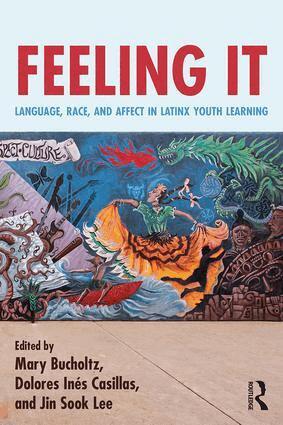
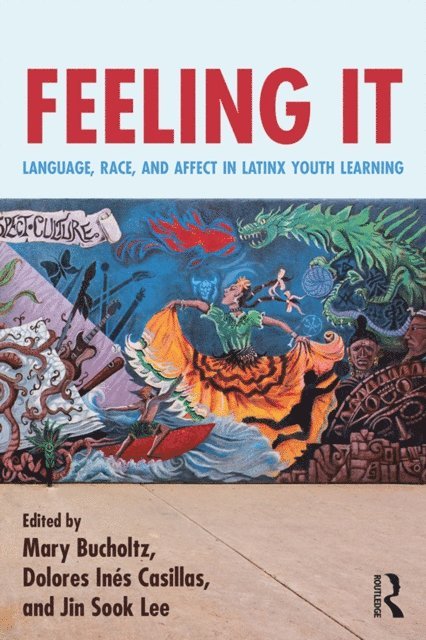
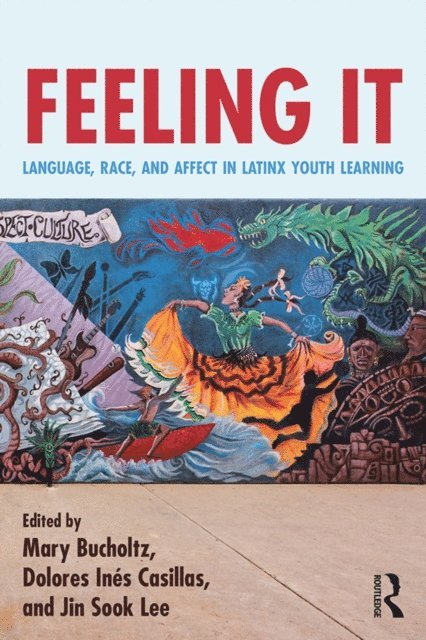
Feeling It brings together twelve chapters from researchers in Chicanx studies, education, feminist studies, linguistics, and translation studies to offer a cohesive yet broad-ranging exploration of the issue of affect in the language and learning experiences of Latinx youth. Drawing on data from an innovative social justice-oriented university-community partnership based in young people’s social agency and their linguistic and cultural expertise, the contributors are unified by their focus on a single year in the history of this partnership; their analytic focus on race, language, and affect in educational contexts; and their shared commitment to ethnography, discourse analysis, and qualitative methods, informed by participatory and social justice paradigms for research with youth of color.Designed specifically for use in courses, with theoretical framing by the co-editors and ethnographic contributions from leading and emergent scholars, this book is an important and timely resource on affect, race, and social justice in the United States. Thanks to its interdisciplinary grounding, Feeling It will be of interest to future teachers and to researchers and students in applied linguistics, education, and Latinx studies, as well as related fields such as anthropology, communication, social psychology, and sociology.
551 kr
Skickas inom 10-15 vardagar
Feeling It brings together twelve chapters from researchers in Chicanx studies, education, feminist studies, linguistics, and translation studies to offer a cohesive yet broad-ranging exploration of the issue of affect in the language and learning experiences of Latinx youth. Drawing on data from an innovative social justice-oriented university-community partnership based in young people’s social agency and their linguistic and cultural expertise, the contributors are unified by their focus on a single year in the history of this partnership; their analytic focus on race, language, and affect in educational contexts; and their shared commitment to ethnography, discourse analysis, and qualitative methods, informed by participatory and social justice paradigms for research with youth of color.Designed specifically for use in courses, with theoretical framing by the co-editors and ethnographic contributions from leading and emergent scholars, this book is an important and timely resource on affect, race, and social justice in the United States. Thanks to its interdisciplinary grounding, Feeling It will be of interest to future teachers and to researchers and students in applied linguistics, education, and Latinx studies, as well as related fields such as anthropology, communication, social psychology, and sociology.