Mary L. Coffey - Böcker
Visar alla böcker från författaren Mary L. Coffey. Handla med fri frakt och snabb leverans.
2 produkter
2 produkter
978 kr
Skickas inom 7-10 vardagar
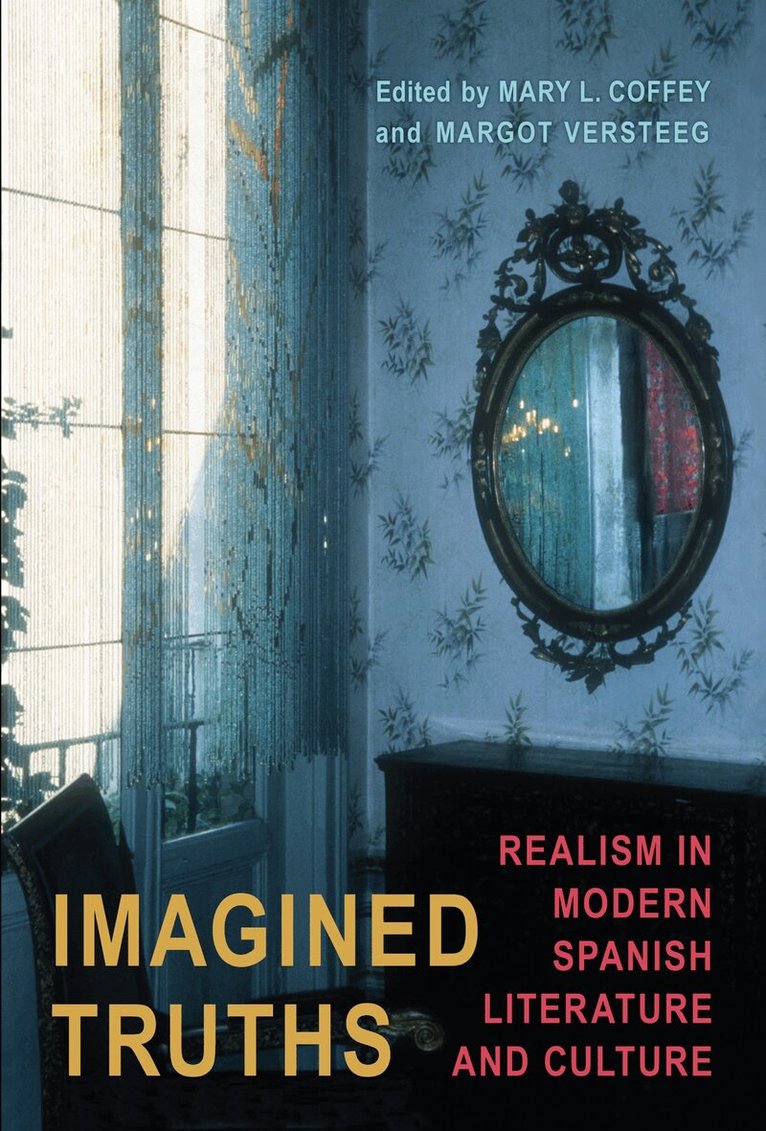
Imagined Truths provides a twenty-first-century analysis of stylistic and philosophical manifestations of nineteenth- and twentieth-century Spanish literary realism. Bringing together the work of the foremost specialists in the field of contemporary Spanish letters, this collection offers new approaches to literary and cultural criticism and reveals how Spanish realism, far from imitative of other European movements, engaged in complex and modern concepts of representation and mimesis.Imagined Truths acknowledges the critical importance of women writers and contemporary approaches to questions of gender. The essays address the impact of economics on our perceptions of reality and our constructions of everyday life, and they argue for the importance of emotions in the social construction of individual identity. Most importantly, the essays acknowledge the post-imperial turn in literary studies.Addressing a broad range of authors, works, and topics, including the continued relevance of Cervantes’s Don Quijote and the way Spanish realism moved beyond narrative to inhabit the spaces of both theatre and film, Imagined Truths comprises a series of meditations on new ways of understanding the unique place of realism in Spanish cultural history. Offering insights for specialists in a wide range of disciplines – literature, cultural studies, gender studies, history, philosophy – this collection is equally important for readers just becoming acquainted with realist narrative as a central component of Spanish literary history.
Ghosts of Colonies Past and Present
Spanish Imperialism in the Fiction of Benito Pérez Galdós
Inbunden, Engelska, 2020
754 kr
Skickas inom 7-10 vardagar
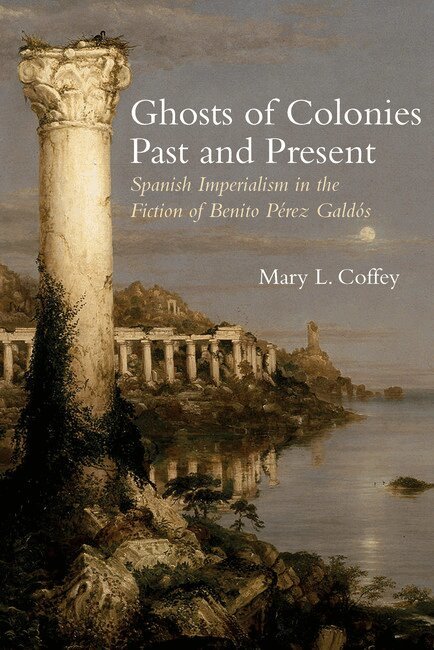
An Open Access edition of this book is available on the Liverpool University Press website and through Knowledge Unlatched.Ghosts of Colonies Past and Present is the first comprehensive examination of how the literary production of Benito Pérez Galdós, widely considered Spain’s greatest nineteenth-century novelist, addresses the impact of imperial loss on the citizens of Spain. Well before the events that would lead inexorably toward 1898, Galdós’s texts question the nature of Spanish imperialism and the effect of colonial history on the lives of metropolitan citizens. Methodologically framed by trauma studies, affect studies and the concept of the imperial turn, a close reading of the texts reveals Galdós’s preoccupation with explaining not only how Spain lost its vast territories in the Americas in the early part of the century but also how Spanish citizens could manage the trauma of that loss through a reconfiguration of national identity. His novels reveal the deeply entwined nature of colonial relations and life in the metropolis. Moreover, byrecognizing that thenational response to the trauma of imperial loss extended across the nineteenth century, it becomes clear that Spain’s engagement with European cultural and literary movements was, contrary to the assumptions of European imperialism, neither slow nor imitative but rather illustrative of the nation’s unique position on the cusp of the historical shift to the postcolonial present.