Matt Lobley – författare
Visar alla böcker från författaren Matt Lobley. Handla med fri frakt och snabb leverans.
18 produkter
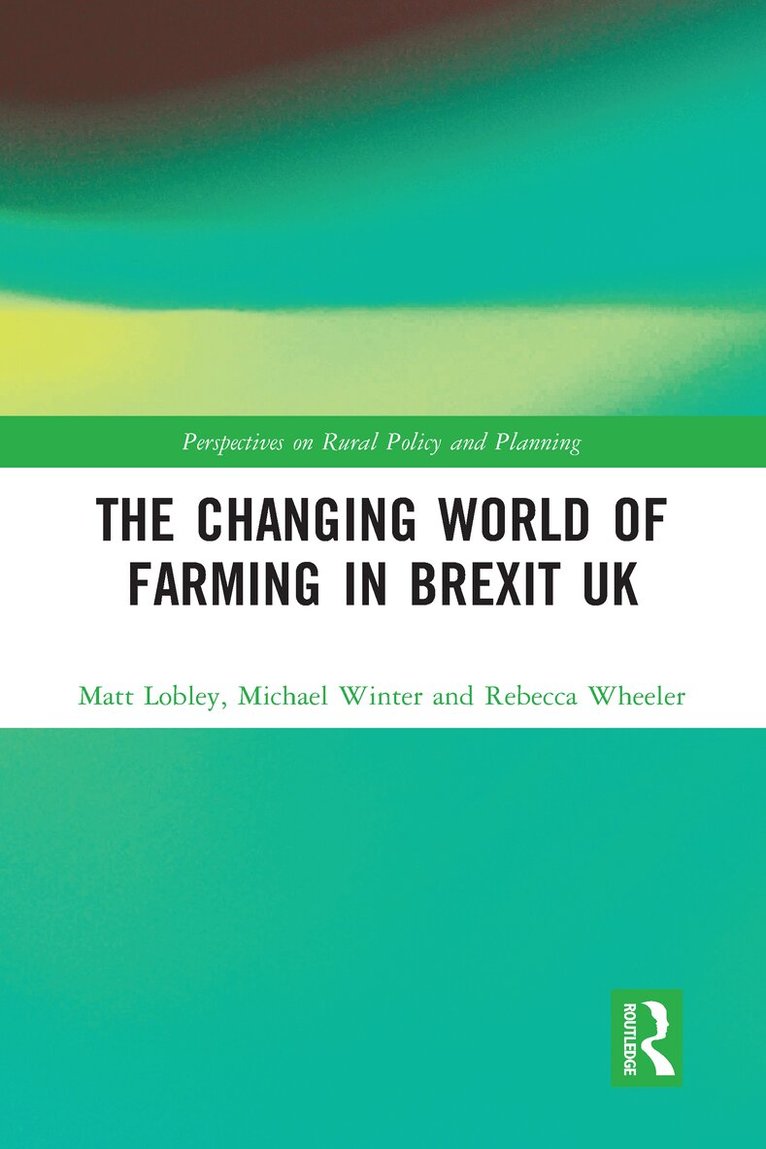
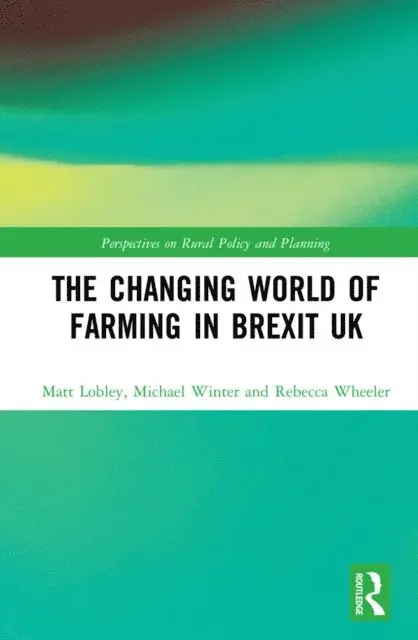
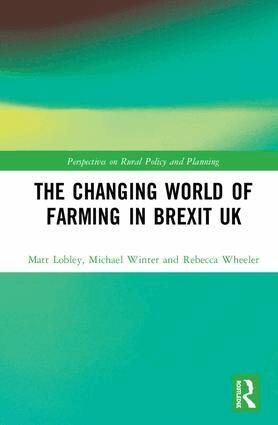
Changing World of Farming in Brexit UK
Av Matt Lobley, Michael Winter m. fl.
Häftad, 2020
691 kr
Lägg i varukorg
The 2016 referendum resulted in a vote for the United Kingdom to withdraw from the European Union. This has led to frenzied political debate across the whole spectrum of policy, and agriculture is no exception.For the first time in a generation, the future of agriculture is unclear and unfettered …
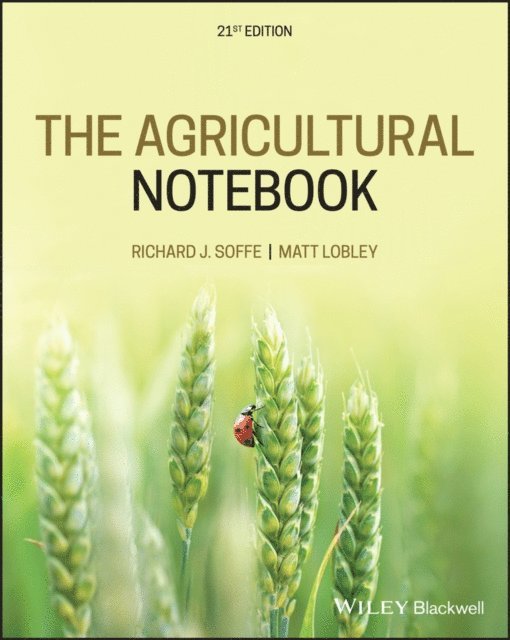
Agricultural Notebook
Av Matt Lobley, Richard J. Soffe
E-bok, 2021
1645 kr
Lägg i varukorg
Offers a complete update and revision to the manual for agriculture, geography, and rural studies The 21st edition of the quintessential reference book on agriculture is filled with updated and new material that provides those in the farming profession with everything they need to know about …
Agricultural Notebook
Av Richard J. Soffe, Matt Lobley
Häftad, 2021
1415 kr
Lägg i varukorg
Offers a complete update and revision to the manual for agriculture, geography, and rural studies The 21st edition of the quintessential reference book on agriculture is filled with updated and new material that provides those in the farming profession with everything they need to know about …
Agricultural Notebook
Av Matt Lobley, Richard J. Soffe
E-bok, 2021
1645 kr
Lägg i varukorg
Offers a complete update and revision to the manual for agriculture, geography, and rural studies The 21st edition of the quintessential reference book on agriculture is filled with updated and new material that provides those in the farming profession with everything they need to know about …
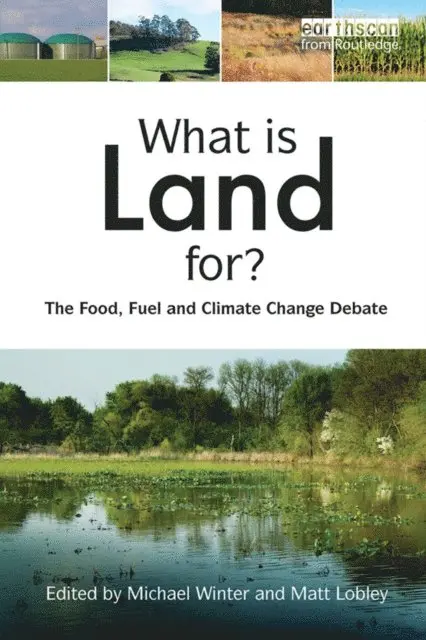
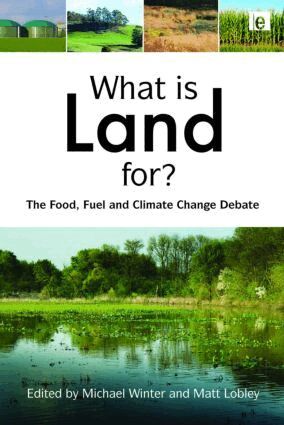
What is Land For?
The Food, Fuel and Climate Change Debate
Av Michael Winter, Matt Lobley
E-bok, 2009
855 kr
Lägg i varukorg
In recent decades agricultural commodity surpluses in the developed world have contributed to a mantra of ''land surplus'' in which set-aside, extensification, alternative land uses and ''wilding'' have been key terms in debates over land. Quite suddenly all this has changed as a consequence of …
What is Land For?
The Food, Fuel and Climate Change Debate
Av Michael Winter, Matt Lobley
E-bok, 2009
883 kr
Lägg i varukorg
In recent decades agricultural commodity surpluses in the developed world have contributed to a mantra of ''land surplus'' in which set-aside, extensification, alternative land uses and ''wilding'' have been key terms in debates over land. Quite suddenly all this has changed as a consequence of …
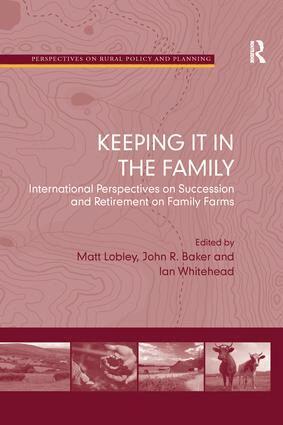
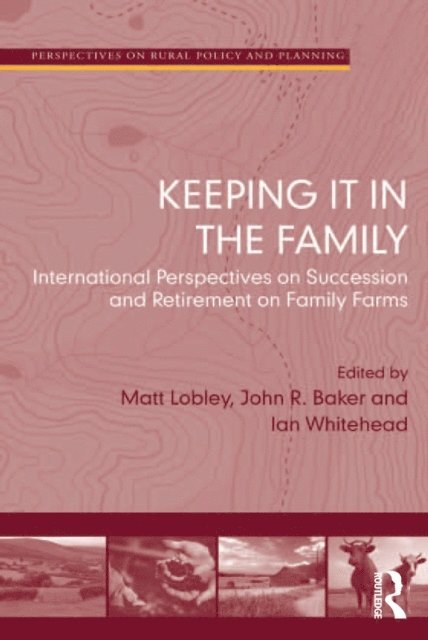
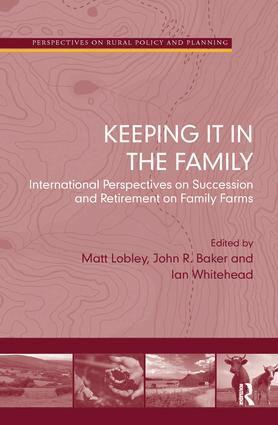
Keeping it in the Family
International Perspectives on Succession and Retirement on Family Farms
Av John R. Baker, Matt Lobley m. fl.
Häftad, 2016
924 kr
Lägg i varukorg
As the largest group of natural resource managers on the planet, farmers are at the interface of the changing relationship between humans and the environment. Typically organised around what might be considered the most basic of social units, for generations the family farm has survived …
What is Land For?
The Food, Fuel and Climate Change Debate
Av Matt Lobley, Michael Winter
Häftad, 2015
752 kr
Lägg i varukorg
In recent decades agricultural commodity surpluses in the developed world have contributed to a mantra of 'land surplus' in which set-aside, extensification, alternative land uses and 'wilding' have been key terms in debates over land. Quite suddenly all this has changed as a consequence of rapidly …
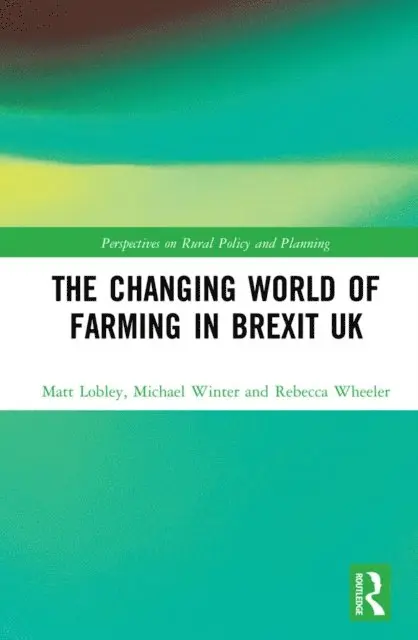
Changing World of Farming in Brexit UK
Av Rebecca Wheeler, Michael Winter m. fl.
E-bok, 2018
796 kr
Lägg i varukorg
The 2016 referendum resulted in a vote for the United Kingdom to withdraw from the European Union. This has led to frenzied political debate across the whole spectrum of policy, and agriculture is no exception. For the first time in a generation, the future of agriculture is unclear and unfettered …
Changing World of Farming in Brexit UK
Av Rebecca Wheeler, Michael Winter m. fl.
E-bok, 2018
814 kr
Lägg i varukorg
The 2016 referendum resulted in a vote for the United Kingdom to withdraw from the European Union. This has led to frenzied political debate across the whole spectrum of policy, and agriculture is no exception. For the first time in a generation, the future of agriculture is unclear and unfettered …
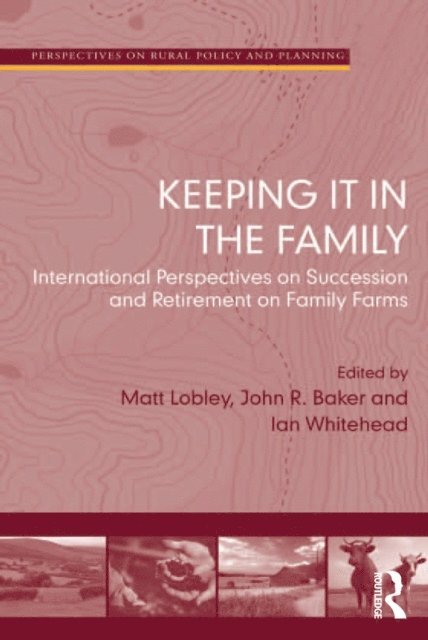
Keeping it in the Family
International Perspectives on Succession and Retirement on Family Farms
Av Ian Whitehead, Matt Lobley m. fl.
E-bok, 2016
1091 kr
Lägg i varukorg
As the largest group of natural resource managers on the planet, farmers are at the interface of the changing relationship between humans and the environment. Typically organised around what might be considered the most basic of social units, for generations the family farm has survived …
Keeping it in the Family
International Perspectives on Succession and Retirement on Family Farms
Av Ian Whitehead, Matt Lobley m. fl.
E-bok, 2016
1091 kr
Lägg i varukorg
As the largest group of natural resource managers on the planet, farmers are at the interface of the changing relationship between humans and the environment. Typically organised around what might be considered the most basic of social units, for generations the family farm has survived …
Changing World of Farming in Brexit UK
Av Matt Lobley, Michael Winter m. fl.
Inbunden, 2018
2520 kr
Lägg i varukorg
The 2016 referendum resulted in a vote for the United Kingdom to withdraw from the European Union. This has led to frenzied political debate across the whole spectrum of policy, and agriculture is no exception.For the first time in a generation, the future of agriculture is unclear and unfettered …
Keeping it in the Family
International Perspectives on Succession and Retirement on Family Farms
Av Matt Lobley, John Baker m. fl.
Inbunden, 2012
2753 kr
Lägg i varukorg
As the largest group of natural resource managers on the planet, farmers are at the interface of the changing relationship between humans and the environment. Typically organised around what might be considered the most basic of social units, for generations the family farm has survived …
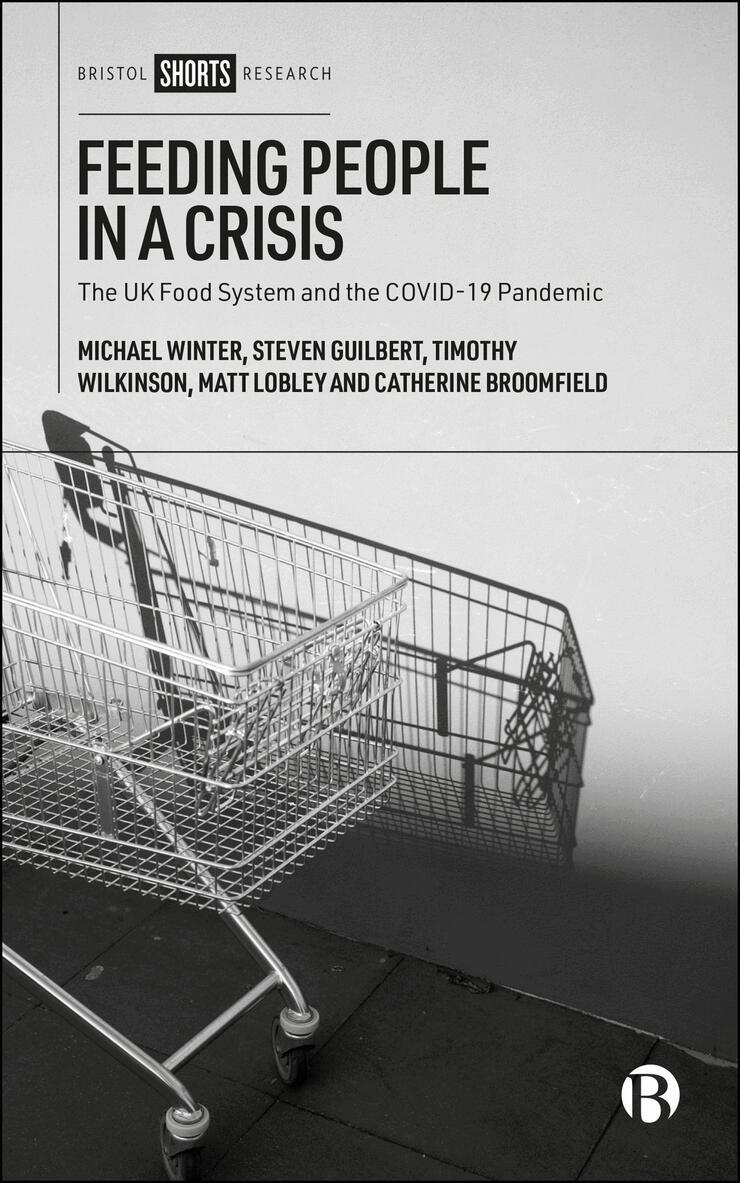
Feeding People in a Crisis
The UK Food System and the COVID-19 Pandemic
Av Michael Winter, Steven Guilbert m. fl.
Häftad, 2024
218 kr
Lägg i varukorg
Available open access digitally under CC-BY-NC-ND licence.‘Panic buying’ at the start of the COVID-19 pandemic generated enduring media images of empty supermarket shelves and calls for food rationing. The fragility of the 'just-in-time' food system was seemingly exposed yet, as the pandemic …
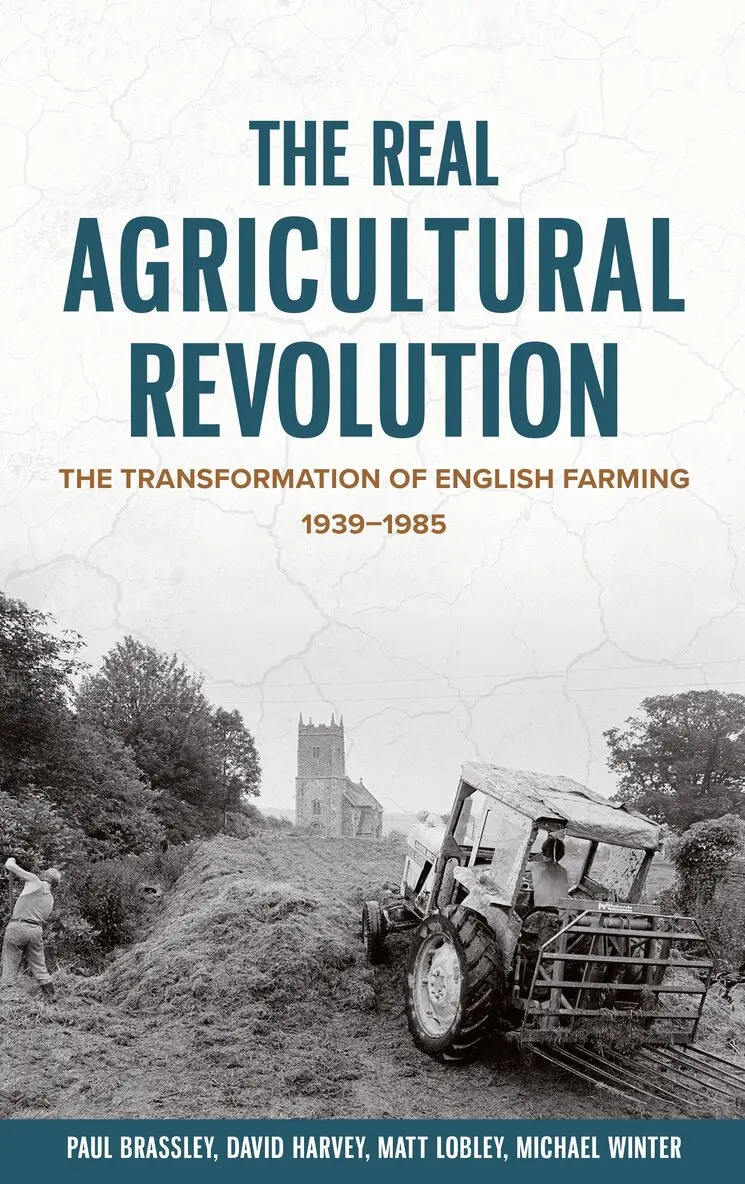
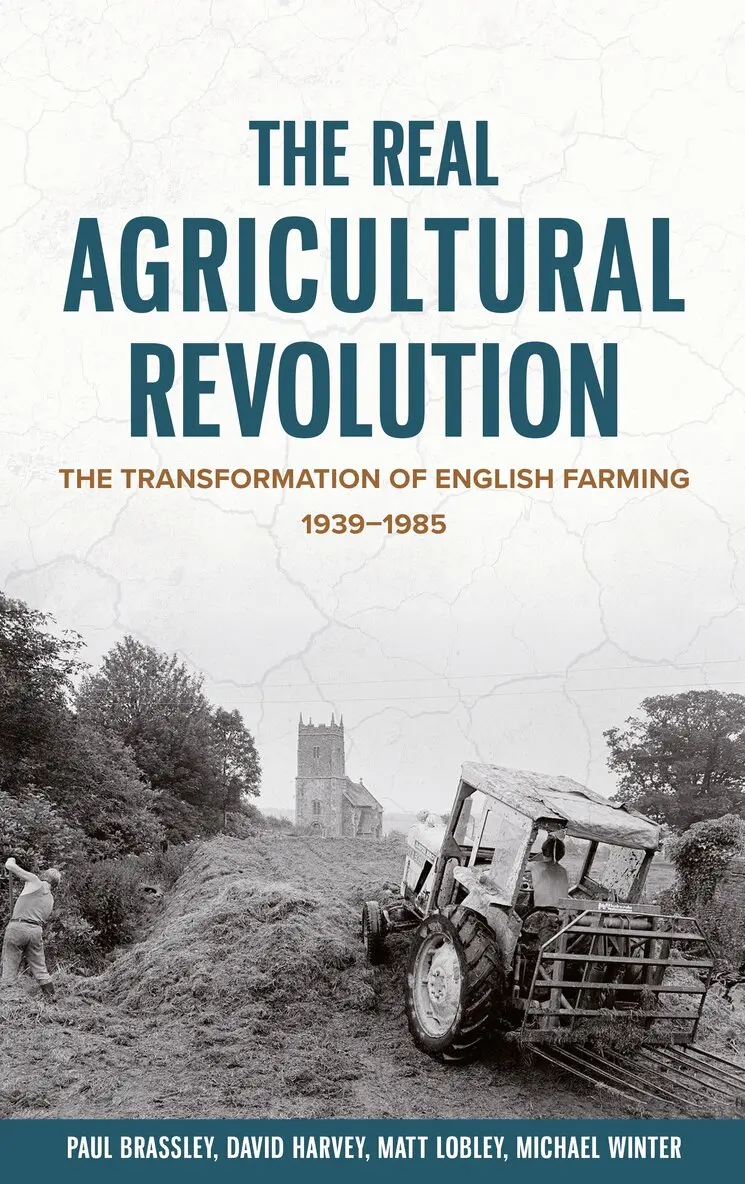
Real Agricultural Revolution
The Transformation of English Farming, 1939-1985
Av Paul Brassley, Michael Winter m. fl.
Inbunden, 2021
1342 kr
Lägg i varukorg
An investigation into farming practices throughout a period of seismic change.WINNER of the British Agricultural History Society's 2022 Thirsk PrizeWINNER of the 2022 CHOICE Outstanding Academic Title Award "This meticulously researched book gives a detailed and authoritative history of …
Real Agricultural Revolution
The Transformation of English Farming, 1939-1985
Av Paul Brassley, Michael Winter m. fl.
Häftad, 2023
392 kr
Lägg i varukorg
An investigation into farming practices throughout a period of seismic change.WINNER of the British Agricultural History Society's 2022 Thirsk PrizeWINNER of the 2022 CHOICE Outstanding Academic Title Award "This meticulously researched book gives a detailed and authoritative history of …
What is Land For?
The Food, Fuel and Climate Change Debate
Av Matt Lobley, Michael Winter
Inbunden, 2009
891 kr
Tillfälligt slut
In recent decades agricultural commodity surpluses in the developed world have contributed to a mantra of 'land surplus' in which set-aside, extensification, alternative land uses and 'wilding' have been key terms in debates over land. Quite suddenly all this has changed as a consequence of rapidly …