Matthew Fuhrmann - Böcker
Visar alla böcker från författaren Matthew Fuhrmann. Handla med fri frakt och snabb leverans.
7 produkter
7 produkter
1 518 kr
Skickas inom 10-15 vardagar
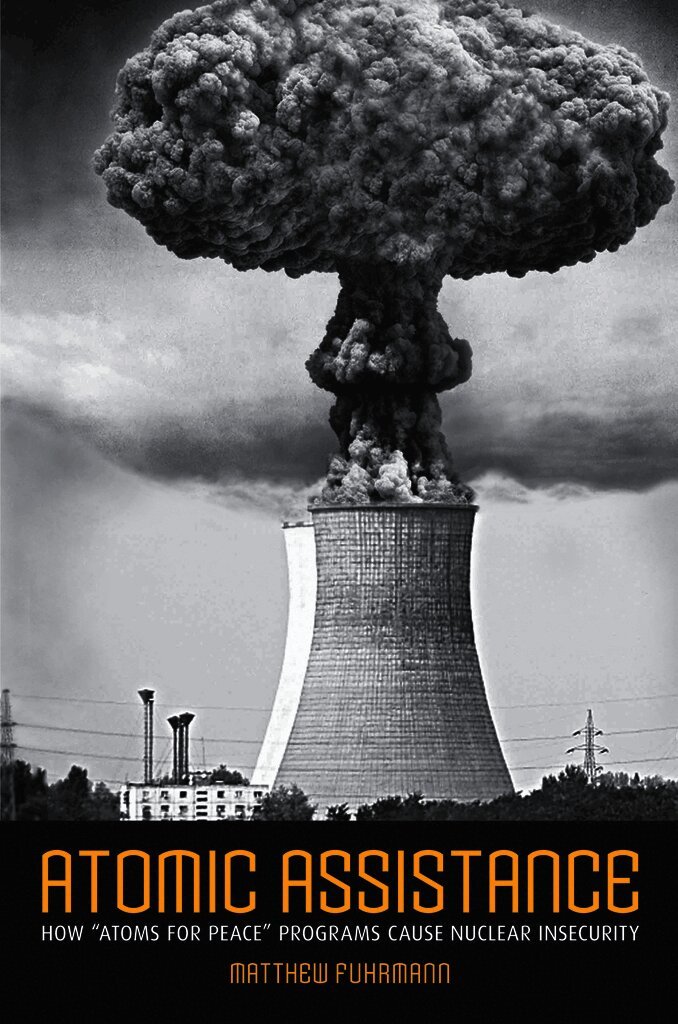
Nuclear technology is dual use in nature, meaning that it can be used to produce nuclear energy or to build nuclear weapons. Despite security concerns about proliferation, the United States and other nuclear nations have regularly shared with other countries nuclear technology, materials, and knowledge for peaceful purposes. In Atomic Assistance, Matthew Fuhrmann argues that governments use peaceful nuclear assistance as a tool of economic statecraft. Nuclear suppliers hope that they can reap the benefits of foreign aid—improving relationships with their allies, limiting the influence of their adversaries, enhancing their energy security by gaining favorable access to oil supplies—without undermining their security. By providing peaceful nuclear assistance, however, countries inadvertently help spread nuclear weapons. Fuhrmann draws on several cases of "Atoms for Peace," including U.S. civilian nuclear assistance to Iran from 1957 to 1979; Soviet aid to Libya from 1975 to 1986; French, Italian, and Brazilian nuclear exports to Iraq from 1975 to 1981; and U.S. nuclear cooperation with India from 2001 to 2008. He also explores decision making in countries such as Japan, North Korea, Pakistan, South Africa, and Syria to determine why states began (or did not begin) nuclear weapons programs and why some programs succeeded while others failed. Fuhrmann concludes that, on average, countries receiving higher levels of peaceful nuclear assistance are more likely to pursue and acquire the bomb—especially if they experience an international crisis after receiving aid.
460 kr
Skickas inom 10-15 vardagar
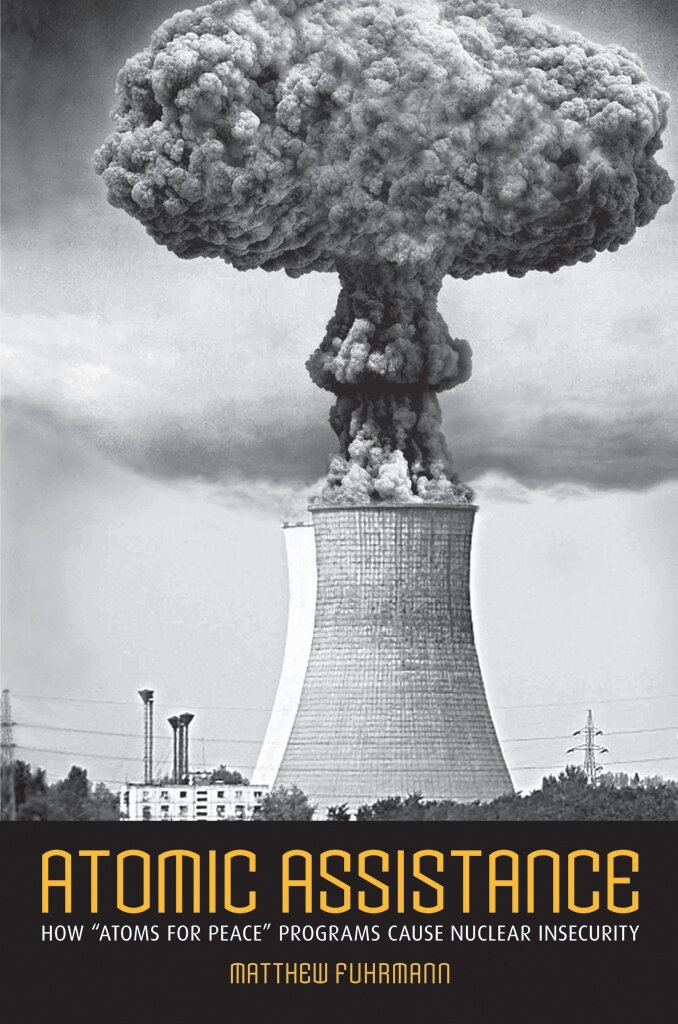
Nuclear technology is dual use in nature, meaning that it can be used to produce nuclear energy or to build nuclear weapons. Despite security concerns about proliferation, the United States and other nuclear nations have regularly shared with other countries nuclear technology, materials, and knowledge for peaceful purposes. In Atomic Assistance, Matthew Fuhrmann argues that governments use peaceful nuclear assistance as a tool of economic statecraft. Nuclear suppliers hope that they can reap the benefits of foreign aid—improving relationships with their allies, limiting the influence of their adversaries, enhancing their energy security by gaining favorable access to oil supplies—without undermining their security. By providing peaceful nuclear assistance, however, countries inadvertently help spread nuclear weapons. Fuhrmann draws on several cases of "Atoms for Peace," including U.S. civilian nuclear assistance to Iran from 1957 to 1979; Soviet aid to Libya from 1975 to 1986; French, Italian, and Brazilian nuclear exports to Iraq from 1975 to 1981; and U.S. nuclear cooperation with India from 2001 to 2008. He also explores decision making in countries such as Japan, North Korea, Pakistan, South Africa, and Syria to determine why states began (or did not begin) nuclear weapons programs and why some programs succeeded while others failed. Fuhrmann concludes that, on average, countries receiving higher levels of peaceful nuclear assistance are more likely to pursue and acquire the bomb—especially if they experience an international crisis after receiving aid.
796 kr
Skickas inom 7-10 vardagar
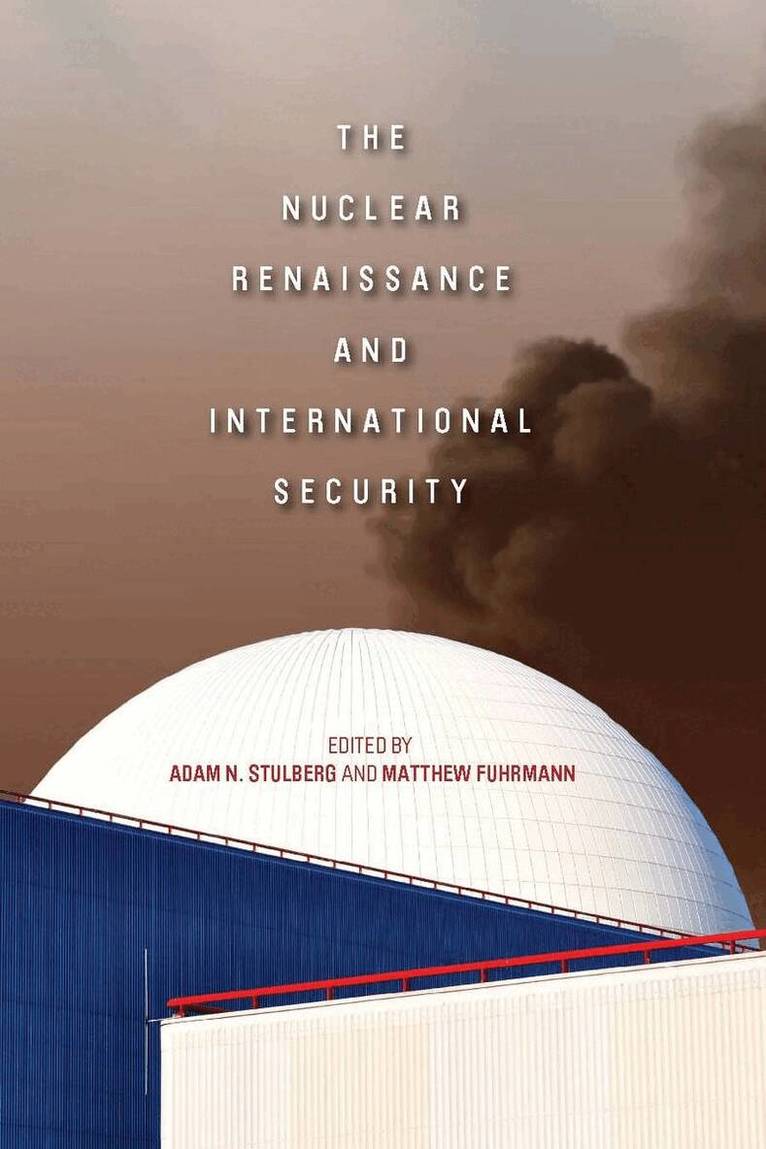
Interest in nuclear energy has surged in recent years, yet there are risks that accompany the global diffusion of nuclear power—especially the possibility that the spread of nuclear energy will facilitate nuclear weapons proliferation. In this book, leading experts analyze the tradeoffs associated with nuclear energy and put the nuclear renaissance in historical context, evaluating both the causes and the strategic effects of nuclear energy development. They probe critical issues relating to the nuclear renaissance, including if and how peaceful nuclear programs contribute to nuclear weapons proliferation, whether the diffusion of nuclear technologies lead to an increase in the trafficking of nuclear materials, and under what circumstances the diffusion of nuclear technologies and latent nuclear weapons capabilities can influence international stability and conflict. The book will help scholars and policymakers understand why countries are pursuing nuclear energy and evaluate whether this is a trend we should welcome or fear.
1 034 kr
Skickas inom 7-10 vardagar
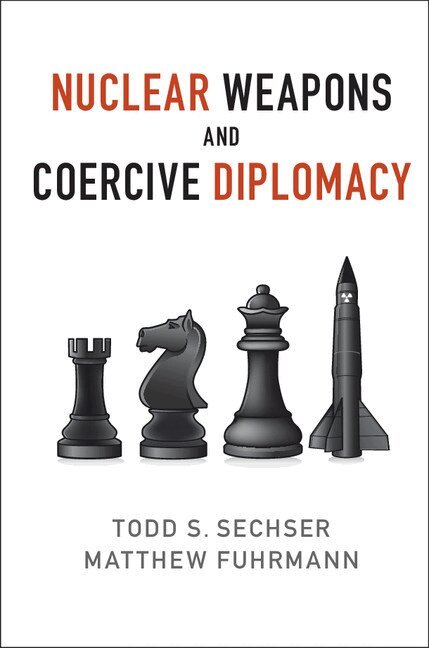
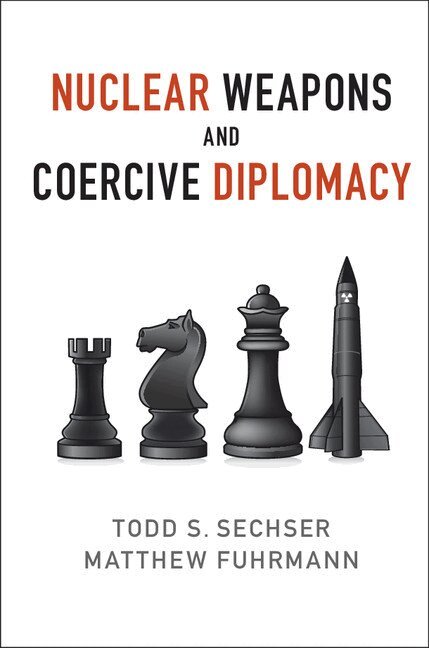
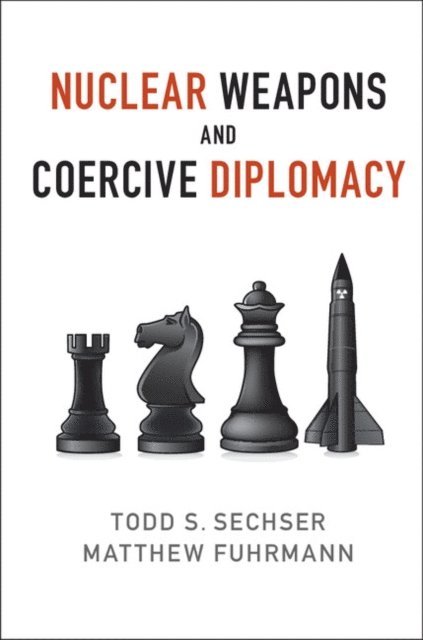
Are nuclear weapons useful for coercive diplomacy? Since 1945, most strategic thinking about nuclear weapons has focused on deterrence - using nuclear threats to prevent attacks against the nation's territory and interests. But an often overlooked question is whether nuclear threats can also coerce adversaries to relinquish possessions or change their behavior. Can nuclear weapons be used to blackmail other countries? The prevailing wisdom is that nuclear weapons are useful for coercion, but this book shows that this view is badly misguided. Nuclear weapons are useful mainly for deterrence and self-defense, not for coercion. The authors evaluate the role of nuclear weapons in several foreign policy contexts and present a trove of new quantitative and historical evidence that nuclear weapons do not help countries achieve better results in coercive diplomacy. The evidence is clear: the benefits of possessing nuclear weapons are almost exclusively defensive, not offensive.
347 kr
Skickas inom 7-10 vardagar
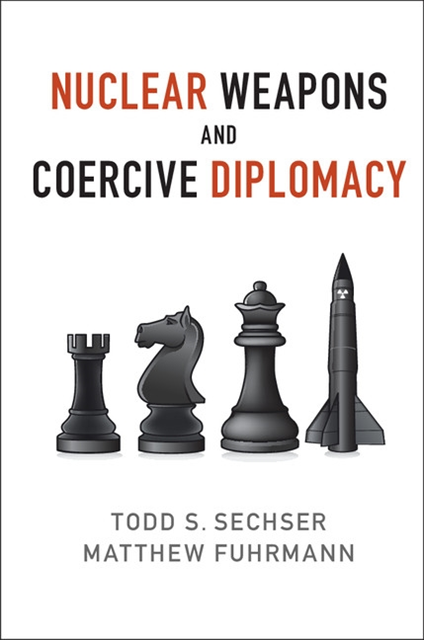
Are nuclear weapons useful for coercive diplomacy? Since 1945, most strategic thinking about nuclear weapons has focused on deterrence - using nuclear threats to prevent attacks against the nation's territory and interests. But an often overlooked question is whether nuclear threats can also coerce adversaries to relinquish possessions or change their behavior. Can nuclear weapons be used to blackmail other countries? The prevailing wisdom is that nuclear weapons are useful for coercion, but this book shows that this view is badly misguided. Nuclear weapons are useful mainly for deterrence and self-defense, not for coercion. The authors evaluate the role of nuclear weapons in several foreign policy contexts and present a trove of new quantitative and historical evidence that nuclear weapons do not help countries achieve better results in coercive diplomacy. The evidence is clear: the benefits of possessing nuclear weapons are almost exclusively defensive, not offensive.
347 kr
Skickas inom 7-10 vardagar
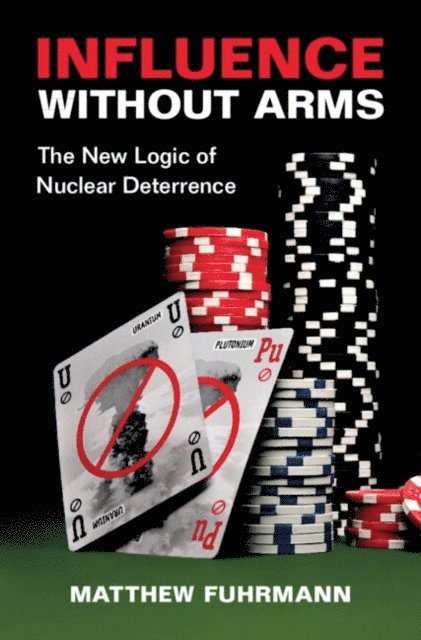
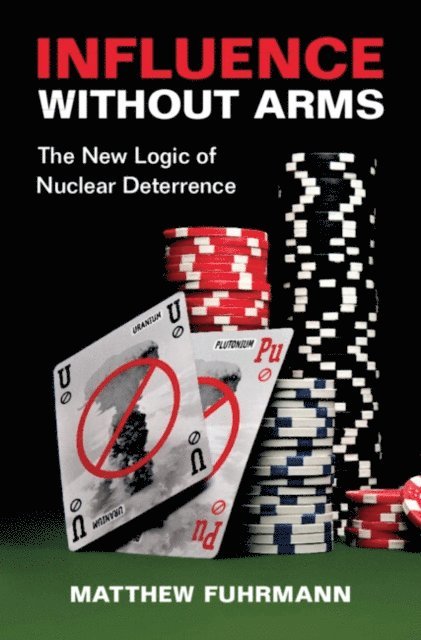
How does nuclear technology influence international relations? While many books focus on countries armed with nuclear weapons, this volume puts the spotlight on those that have the technology to build nuclear bombs but choose not to. These weapons-capable countries, such as Brazil, Germany, and Japan, have what is known as nuclear latency, and they shape world politics in important ways. Offering a definitive account of nuclear latency, Matthew Fuhrmann navigates a critical yet poorly understood issue. He identifies global trends, explains why countries obtain nuclear latency, and analyzes its consequences for international security. Influence Without Arms presents new statistical and case evidence that nuclear latency enhances deterrence and provides greater influence but also triggers conflict and arms races. The book offers a framework to explain when nuclear latency increases security and when it incites instability, and generates far-reaching implications for deterrence, nuclear proliferation, arms races, preventive war, and disarmament.
1 126 kr
Skickas inom 7-10 vardagar
How does nuclear technology influence international relations? While many books focus on countries armed with nuclear weapons, this volume puts the spotlight on those that have the technology to build nuclear bombs but choose not to. These weapons-capable countries, such as Brazil, Germany, and Japan, have what is known as nuclear latency, and they shape world politics in important ways. Offering a definitive account of nuclear latency, Matthew Fuhrmann navigates a critical yet poorly understood issue. He identifies global trends, explains why countries obtain nuclear latency, and analyzes its consequences for international security. Influence Without Arms presents new statistical and case evidence that nuclear latency enhances deterrence and provides greater influence but also triggers conflict and arms races. The book offers a framework to explain when nuclear latency increases security and when it incites instability, and generates far-reaching implications for deterrence, nuclear proliferation, arms races, preventive war, and disarmament.