Häftad, Engelska, 2017
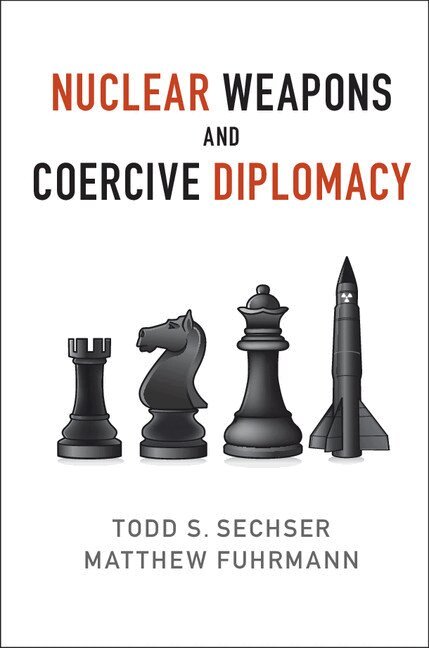
Nuclear Weapons and Coercive Diplomacy
Av Todd S. Sechser, Matthew Fuhrmann
471 kr
Beställningsvara. Skickas inom 5-8 vardagar. Fri frakt över 249 kr.
Beskrivning
Produktinformation
- Utgivningsdatum: 2017-01-16
- Mått: 152 x 228 x 19 mm
- Vikt: 490 g
- Format: Häftad
- Språk: Engelska
- Antal sidor: 344
- Förlag: Cambridge University Press
- ISBN: 9781107514515
Utforska kategorier
Mer om författaren
Todd S. Sechser is Associate Professor of Politics at the University of Virginia, where he is an expert on international security issues. Matthew Fuhrmann is Associate Professor of Political Science and Ray A. Rothrock '77 Fellow at Texas A & M University.
Recensioner i media
'This fascinating book is, I believe intentionally, more provocative than merely persuasive, more skeptical than most among us are. It looks at the history of international negotiation, both explicit and by maneuver, in the presence of nuclear weapons and concludes that disparities in nuclear armaments - including zero on one side - make much less difference than they are given credit for. If the argument doesn't persuade you, the forty case studies of nuclear weapons in crisis bargaining (eleven involving the United States) will make you think it over.' Thomas C. Schelling, Winner of the 2005 Nobel Prize in Economic Sciences
Betyg & recensioner
0 recensioner
Inga recensioner tillgängliga.