Michael Kubo - Böcker
Visar alla böcker från författaren Michael Kubo. Handla med fri frakt och snabb leverans.
5 produkter
5 produkter
460 kr
Skickas inom 7-10 vardagar
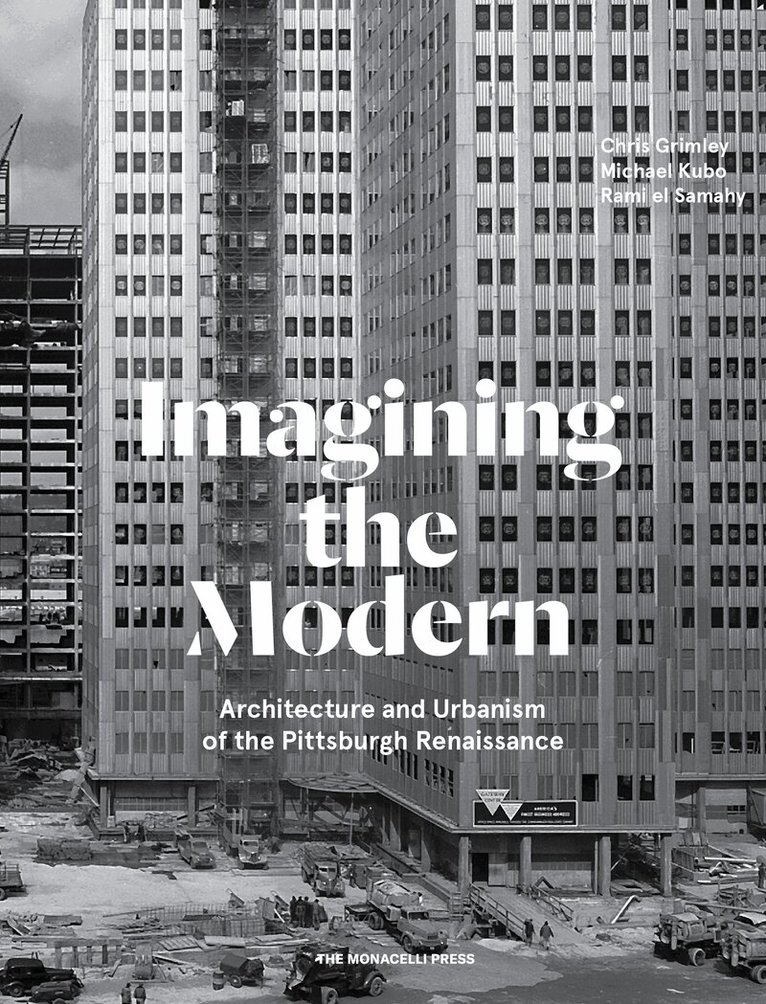
Imagining the Modern explores Pittsburgh's ambitious modern architecture and urban renewal program that made it a gem of American postwar cities, and set the stage for its stature today. In the 1950s and '60s an ambitious program of urban revitalization transformed Pittsburgh and became a model for other American cities. Billed as the Pittsburgh Renaissance, this era of superlatives - the city claimed the tallest aluminum clad building, the world's largest retractable dome, the tallest steel structure - developed through visionary mayors and business leaders, powerful urban planning authorities, and architects and urban designers of international renown, including Frank Lloyd Wright, I.M. Pei, Mies van der Rohe, SOM, and Harrison & Abramovitz. These leaders, civic groups, and architects worked together to reconceive the city through local and federal initiatives that aimed to address the problems that confronted Pittsburgh's postwar development. Initiated as an award-winning exhibition at the Carnegie Museum of Art in 2014, Imagining the Modern untangles this complicated relationship with modern architecture and planning through a history of Pittsburgh's major sites, protagonists, and voices of intervention. Through original documentation, photographs and drawings, as well as essays, analytical drawings, and interviews with participants, this book provides a nuanced view of this crucial moment in Pittsburgh's evolution. Addressing both positive and negative impacts of the era, Imagining the Modern examines what took place during the city's urban renewal era, what was gained and lost, and what these histories might suggest for the city's future.
100 kr
Skickas inom 7-10 vardagar
341 kr
Skickas inom 3-6 vardagar
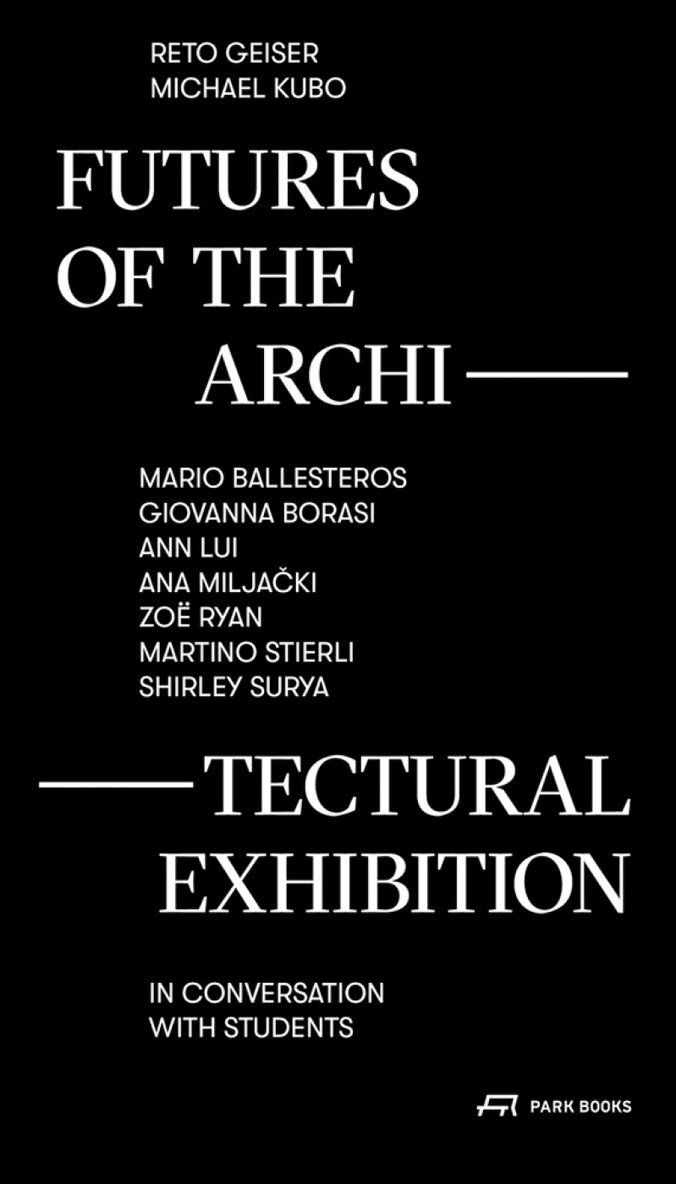
Architecture and design exhibitions have long been important public sites of broadcasting, experimentation, position-taking, and the interrogation of fundamental aspects of the designed environment. Just as individual exhibitions have constituted key benchmarks within the disciplinary history of architecture, the representation and display of space through exhibitions has operated historically as a crucial medium for shaping and embodying broader cultural attitudes toward the design of the built world. In recent years, the specific formats and challenges of exhibiting architecture and design, both built and speculative, have often been used as critical devices for identifying, communicating, and convening publics around shared matters of concern. These have increasingly included urgent questions of equity and justice, labor, gender, race, class, community, and lifestyle in relation to spatial issues of density, economy, policy, infrastructure, climate, and sustainability.Futures of the Architectural Exhibition records a discussion of critical approaches to the representation of architecture through conversations with seven contemporary curators working inside and outside of the museum. Mario Ballesteros (Archivo Diseño y Arquitectura, Mexico City), Giovanna Borasi (Canadian Center for Architecture, Montreal), Ann Lui (Future Firm, Chicago), Ana Miljački (Critical Broadcasting Lab, MIT), Zoë Ryan (ICA, University of Pennsylvania, Philadelphia), Martino Stierli (Museum of Modern Art, New York), and Shirley Surya (M+, Hong Kong) speculate on the specific challenges and potentials of exhibiting space.
426 kr
Kommande
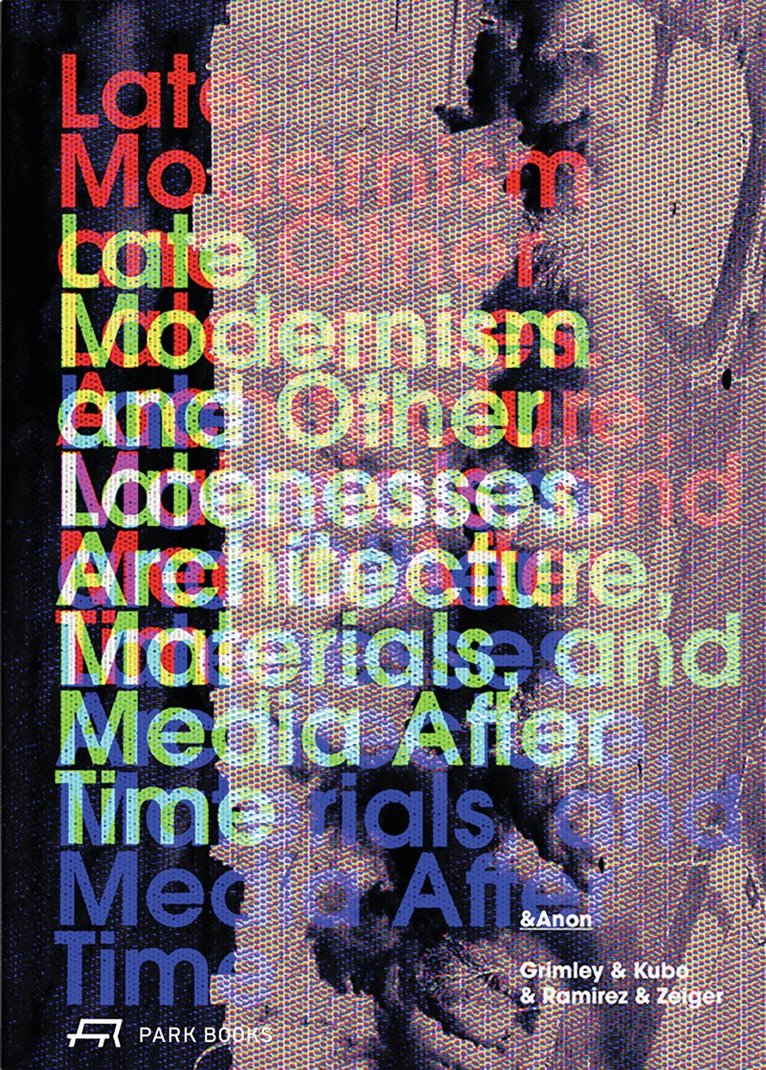
Hurry up, we’re late: The early decades of the 21st century have demonstrated that we are already behind. Concepts like Moore’s Law, accelerationism, Hyperloop, and rapid news cycles push the notion that speed is the answer. Modern day futurists argue that salvation lies in technology and outer space, while architecture has striven to keep pace with cultural events through the late 20th century and into the present, even as we face environmental crises and build our lives around the remnants of Late Modernism.Late Modernism and Other Latenesses offers an understanding of the contradictory impulses in architecture and culture from the 1960s through the 1980s, a period rich in utopian visions and revolution but also burdened by global expansionism and crisis. Topical essays explore aspects of lateness, referring to concrete buildings and architectural projects, and to key texts from the period. The concept of lateness is used not as a backward-looking tool but as one that is simply behind the beat. The book is a reaction and rebuttal to the surging flows of finance, media, and culture that influence architectural production and its aligned disciplines, seeking for missing conditions that might redefine architecture's relationship to its cultural moment.
521 kr
Skickas inom 3-6 vardagar