Michael S. McPherson – författare
Visar alla böcker från författaren Michael S. McPherson. Handla med fri frakt och snabb leverans.
5 produkter
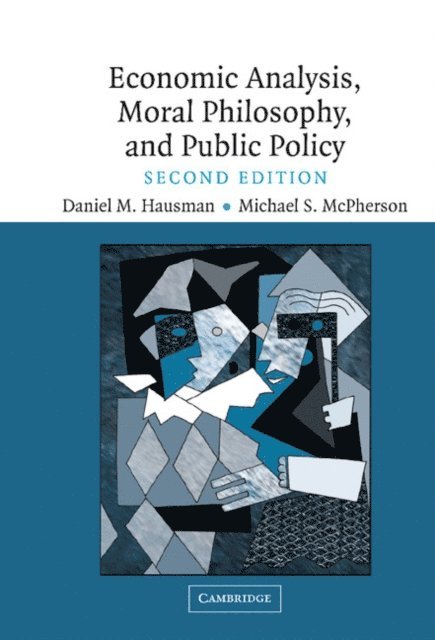
Economic Analysis, Moral Philosophy and Public Policy
Av Michael S. McPherson, Daniel M. Hausman
E-bok, 2006
504 kr
Lägg i varukorg
This 2006 book shows through accessible argument and numerous examples how understanding moral philosophy can improve economic analysis, how moral philosophy can benefit from economists'' analytical tools, and how economic analysis and moral philosophy together can inform public policy. Part I …
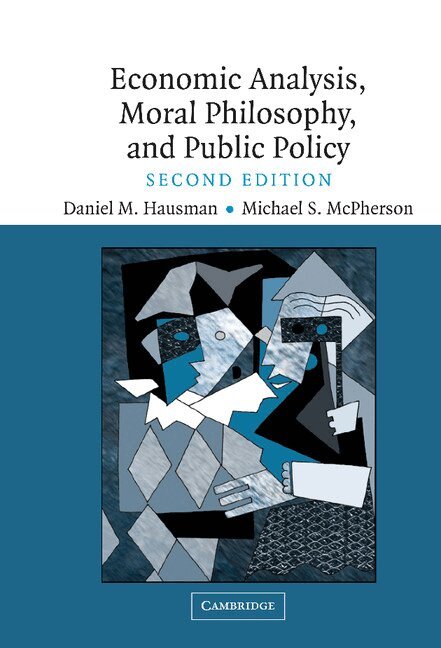
Economic Analysis, Moral Philosophy and Public Policy
Av Daniel M. Hausman, Michael S. McPherson
Inbunden, 2006
1312 kr
Lägg i varukorg
This 2006 book shows through accessible argument and numerous examples how understanding moral philosophy can improve economic analysis, how moral philosophy can benefit from economists' analytical tools, and how economic analysis and moral philosophy together can inform public policy. Part I …
Keeping College Affordable
Government and Educational Opportunity
Av Michael S. McPherson, Morton Owen Schapiro
E-bok, 2010
303 kr
Lägg i varukorg
As Congress debates the reauthorization of the basic federal student aid legislation, and as governors and state legislators cope with increasingly severe budgetary problems of their own, the issues of preserving college opportunity and sharing the burden of college costs are particularly critical …
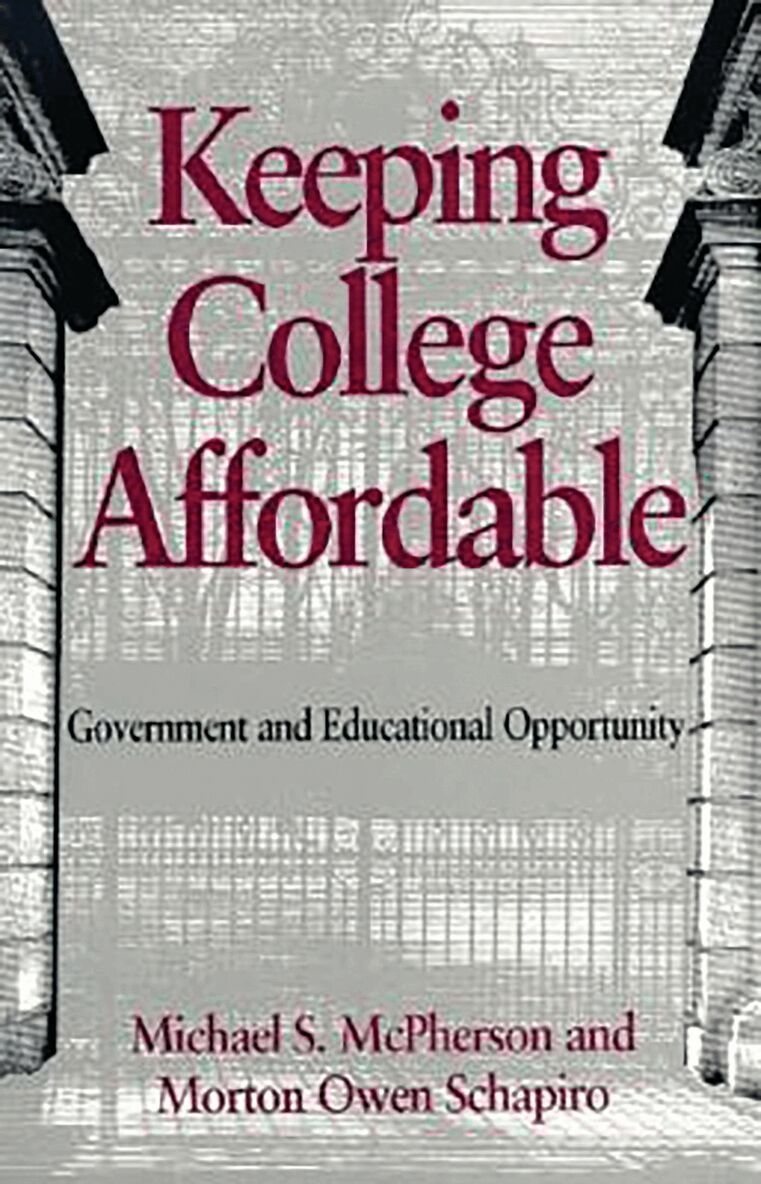
Keeping College Affordable
Government and Educational Opportunity
Av Michael S. McPherson, Morton Owen Schapiro
Häftad, 1991
281 kr
Lägg i varukorg
As Congress debates the reauthorization of the basic federal student aid legislation, and as governors and state legislators cope with increasingly severe budgetary problems of their own, the issues of preserving college opportunity and sharing the burden of college costs are particularly critical …
Economic Analysis, Moral Philosophy and Public Policy
Av Michael S. McPherson, Daniel M. Hausman
E-bok, 2006
493 kr
Lägg i varukorg
This 2006 book shows through accessible argument and numerous examples how understanding moral philosophy can improve economic analysis, how moral philosophy can benefit from economists'' analytical tools, and how economic analysis and moral philosophy together can inform public policy. Part I …