Michel Morange – författare
Visar alla böcker från författaren Michel Morange. Handla med fri frakt och snabb leverans.
22 produkter
History of Biology
Häftad, 2023
211 kr
Lägg i varukorg
A comprehensive history of the biological sciences from antiquity to the modern eraThis book presents a global history of the biological sciences from ancient times to today, providing needed perspective on the development of biological thought while shedding light on the field's upheavals and key …
Black Box of Biology
A History of the Molecular Revolution
Inbunden, 2020
415 kr
Lägg i varukorg
In this masterful account, a historian of science surveys the molecular biology revolution, its origin and continuing impact.Since the 1930s, a molecular vision has been transforming biology. Michel Morange provides an incisive and overarching history of this transformation, from the early attempts …
History of Biology
Inbunden, 2021
364 kr
Lägg i varukorg
A comprehensive history of the biological sciences from antiquity to the modern eraThis book presents a global history of the biological sciences from ancient times to today, providing needed perspective on the development of biological thought while shedding light on the field's upheavals and key …
History of Biology
E-bok, 2021
286 kr
Lägg i varukorg
A comprehensive history of the biological sciences from antiquity to the modern era This book presents a global history of the biological sciences from ancient times to today, providing needed perspective on the development of biological thought while shedding light on the field''s upheavals and …
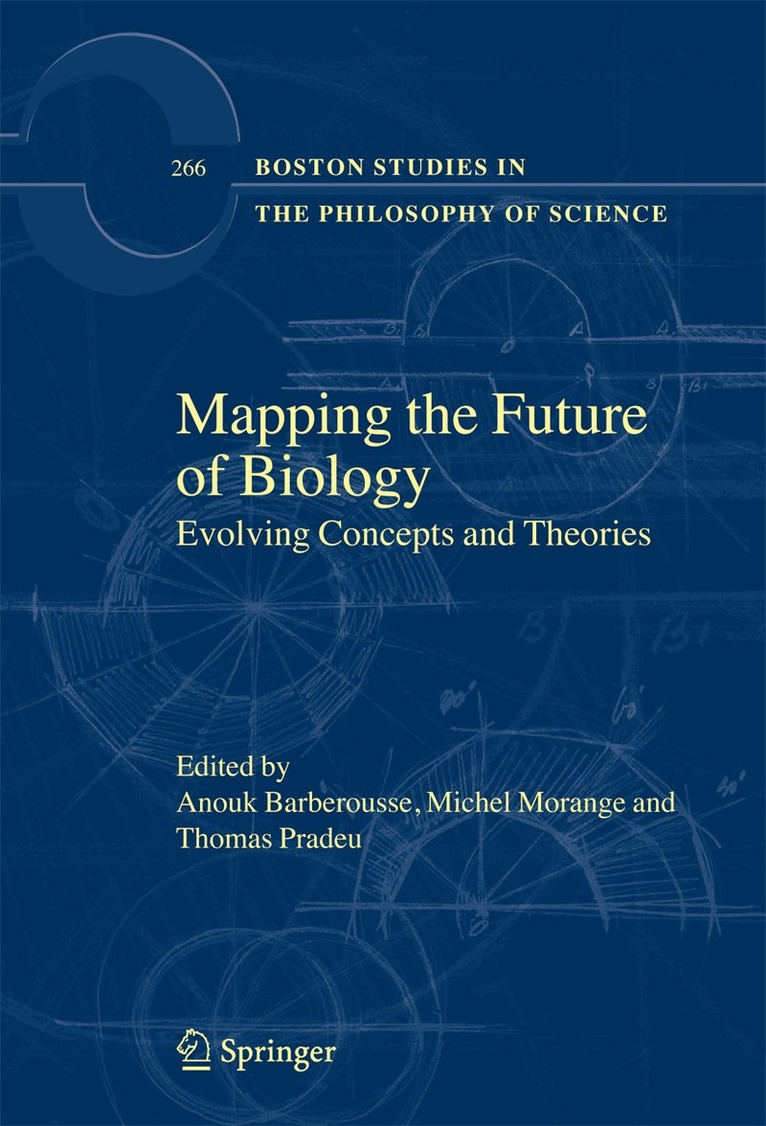
Mapping the Future of Biology
Evolving Concepts and Theories
Av Anouk Barberousse, Michel Morange m. fl.
Inbunden, 2009
1636 kr
Lägg i varukorg
Carving Nature at its Joints? In order to map the future of biology we need to understand where we are and how we got there. Present day biology is the realization of the famous metaphor of the organism as a bete ˆ machine elaborated by Descartes in Part V of the Discours,a realization far beyond …
Mapping the Future of Biology
Evolving Concepts and Theories
Av Thomas Pradeu, Michel Morange m. fl.
E-bok, 2009
2111 kr
Lägg i varukorg
Carving Nature at its Joints? In order to map the future of biology we need to understand where we are and how we got there. Present day biology is the realization of the famous metaphor of the organism as a bete ˆ machine elaborated by Descartes in Part V of the Discours,a realization far beyond …
Claude Bernard. La méthode de la physiologie
Av Jean-Jacques Kipiec, Francois Duschesneau m. fl.
E-bok, 2013
161 kr
Lägg i varukorg
2013 est l’année du bicentenaire de la naissance de Claude Bernard, né un 12 juillet. Ce livre rend hommage à une grande figure de la science française, qui a marqué le développement de la physiologie moderne. Il montre également qu’aujourd’hui, à l’heure de l’essor d’une biologie post-génomique et …
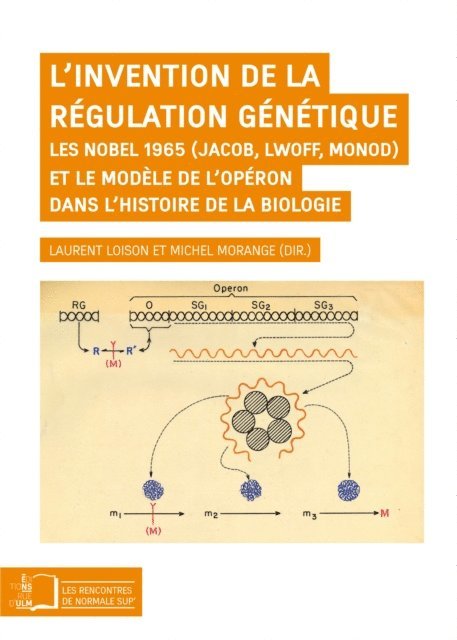
L'invention de la régulation génétique
Les Nobels 1965 (Jacob, Lwoff, Monod) et le modèle de l''opéron dans l''histoire de la biologie
Av Laurent Loison, Michel MORANGE
E-bok, 2017
173 kr
Lägg i varukorg
À travers l’exemple de l’opéron, ce livre s’attache à explorer le contexte théorique, philosophique et politique qui a accompagné l’essor de la biologie moléculaire française. L’élaboration du modèle de l’opéron lactose a marqué un tournant dans l’histoire des sciences de la vie. Cet évènement …
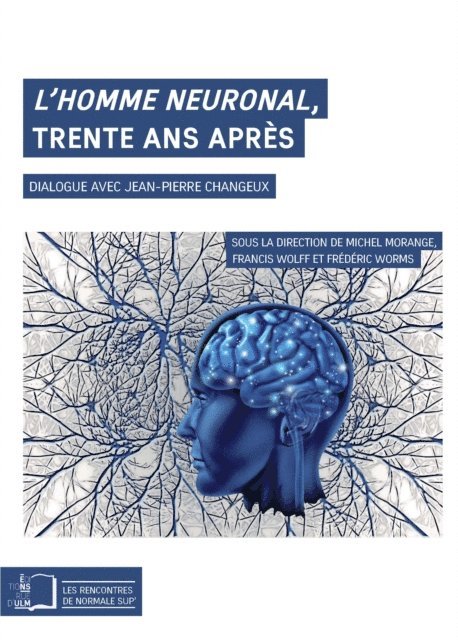
L'Homme neuronal, trente ans après
Dialogue aves Jean-Pierre Changeux
Av Frederic Worms, Francis Wolff m. fl.
E-bok, 2016
139 kr
Lägg i varukorg
En 1983 paraissait L’Homme neuronal de Jean-Pierre Changeux. L’ouvrage eut un impact considérable, bien au-delà du monde scientifique. Il proposait un nouveau programme de recherche en neurobiologie, mais aussi une vision matérialiste des rapports entre le cerveau et la pensée. De ce fait, il …
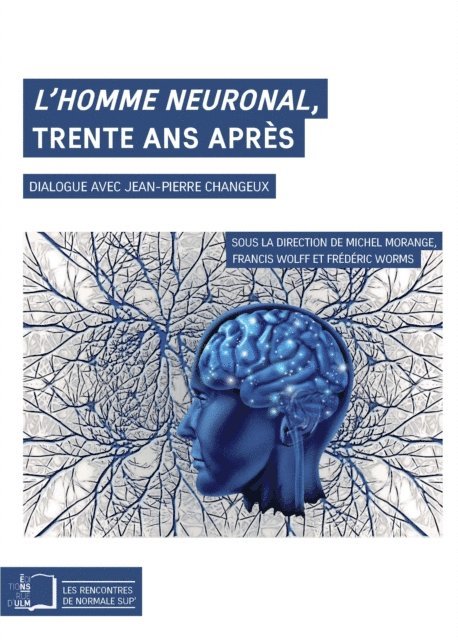
L'Homme neuronal, trente ans après
Dialogue aves Jean-Pierre Changeux
Av Frederic Worms, Francis Wolff m. fl.
E-bok, 2016
134 kr
Lägg i varukorg
En 1983 paraissait L’Homme neuronal de Jean-Pierre Changeux. L’ouvrage eut un impact considérable, bien au-delà du monde scientifique. Il proposait un nouveau programme de recherche en neurobiologie, mais aussi une vision matérialiste des rapports entre le cerveau et la pensée. De ce fait, il …
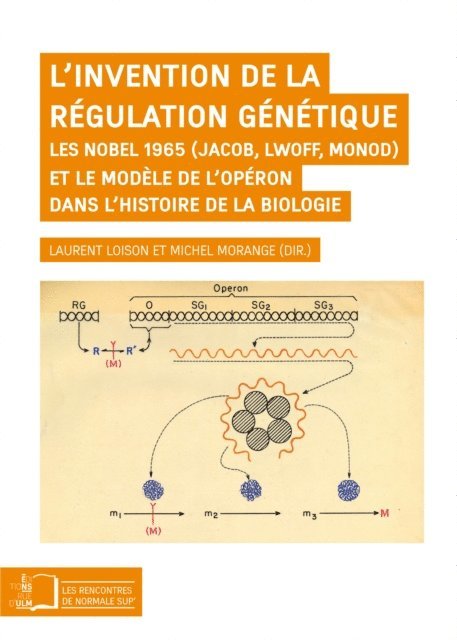
L'invention de la régulation génétique
Les Nobels 1965 (Jacob, Lwoff, Monod) et le modèle de l''opéron dans l''histoire de la biologie
Av Laurent Loison, Michel MORANGE
E-bok, 2017
173 kr
Lägg i varukorg
À travers l’exemple de l’opéron, ce livre s’attache à explorer le contexte théorique, philosophique et politique qui a accompagné l’essor de la biologie moléculaire française. L’élaboration du modèle de l’opéron lactose a marqué un tournant dans l’histoire des sciences de la vie. Cet évènement …
Une nouvelle connaissance du vivant - François Jacob, André Lwoff et Jacques Monod
Av Frederic (dir.) Worms, Claude Debru m. fl.
E-bok, 2012
134 kr
Lägg i varukorg
La publication presque simultanée de L’Ordre biologique d’André Lwoff (1969), de La Logique du vivant de François Jacob (1970), du Hasard et la nécessité de Jacques Monod (1970) et les débats qui s’ensuivirent, ont constitué un moment fort de la vie intellectuelle française. Comme il serait …
Une nouvelle connaissance du vivant - François Jacob, André Lwoff et Jacques Monod
Av Frederic (dir.) Worms, Claude Debru m. fl.
E-bok, 2012
139 kr
Lägg i varukorg
La publication presque simultanée de L’Ordre biologique d’André Lwoff (1969), de La Logique du vivant de François Jacob (1970), du Hasard et la nécessité de Jacques Monod (1970) et les débats qui s’ensuivirent, ont constitué un moment fort de la vie intellectuelle française. Comme il serait …
Life Explained ?: 50 Years After the Double Helix / La Vie expliquée ?: 50 ans après la double hélice
Häftad, 2003
543 kr
Lägg i varukorg
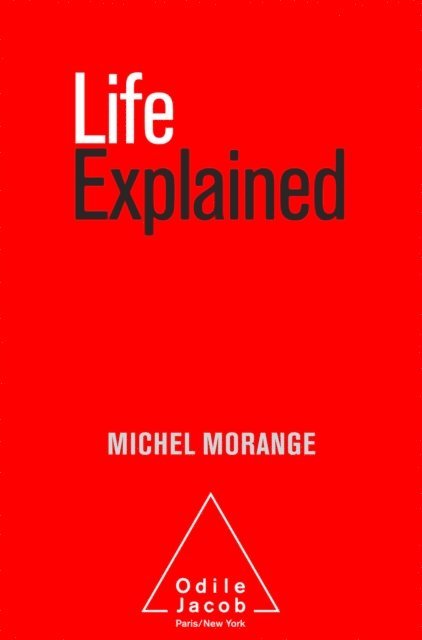
Life Explained
E-bok, 2003
204 kr
Lägg i varukorg
“Fifty years ago, Francis Crick and James D. Watson discovered the double-helix structure of DNA, the carrier of genetic information, the basis for heredity. They believed they had, according to Francis Crick’s own expression, found “the secret of life.” The main aim of this book is to continue the …
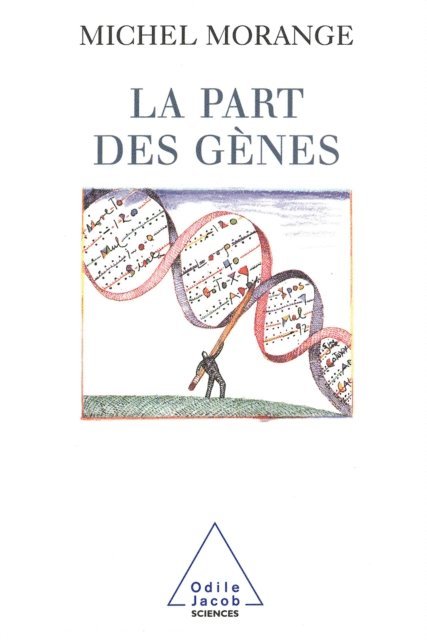
La Part des gènes
E-bok, 1998
184 kr
Lägg i varukorg
Sommes-nous gouvernés par nos gènes ? Pouvons-nous espérer d''une thérapie génétique la fin de tous nos maux ? Devons-nous craindre des manipulations génétiques une dénaturation des êtres vivants qui nous plongerait dans l''aventure ? Comment poser ces questions si, lorsqu''il sera déchiffré, le …
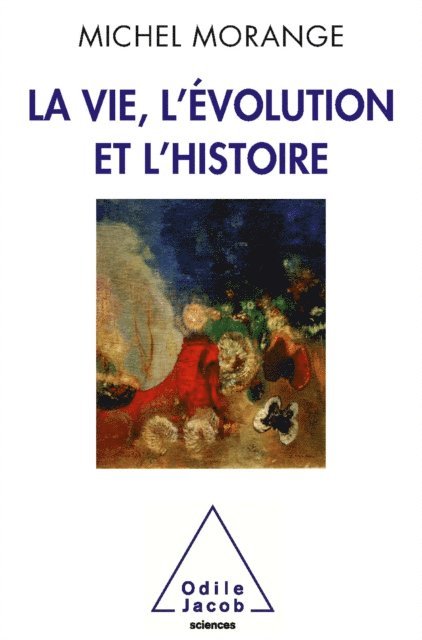
La Vie, l’Évolution et l’Histoire
E-bok, 2011
202 kr
Lägg i varukorg
Les commémorations récentes autour de Darwin et de L’Origine des espèces ont surtout visé à défendre le darwinisme. On a un peu négligé les questions demeurées sans réponses dans les sciences du vivant, ainsi que leur désormais longue désunion. Cet ouvrage met au jour la convergence nouvelle qui …
Mapping the Future of Biology
Evolving Concepts and Theories
Av Anouk Barberousse, Michel Morange m. fl.
Häftad, 2010
1636 kr
Lägg i varukorg
Carving Nature at its Joints? In order to map the future of biology we need to understand where we are and how we got there. Present day biology is the realization of the famous metaphor of the organism as a bete ˆ machine elaborated by Descartes in Part V of the Discours,a realization far beyond …