Anouk Barberousse – författare
Visar alla böcker från författaren Anouk Barberousse. Handla med fri frakt och snabb leverans.
7 produkter
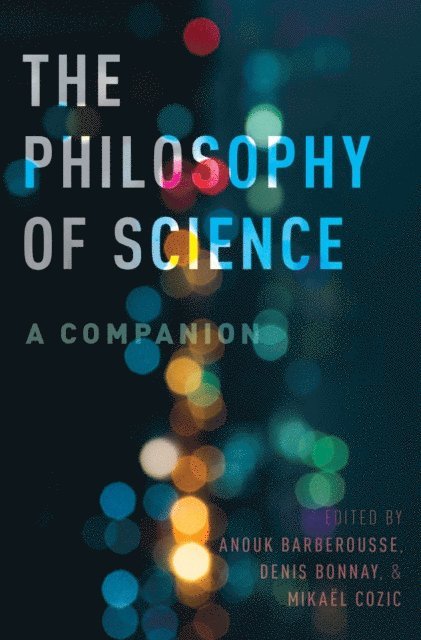
Philosophy of Science: A Companion
A Companion
Av Mikael Cozic, Denis Bonnay m. fl.
E-bok, 2018
1357 kr
Lägg i varukorg
Philosophy of science studies the methods, theories, and concepts used by scientists. It mainly developed as a field in its own right during the twentieth century and is now a diversified and lively research area. This book surveys the current state of the discipline by focusing on central themes …
Philosophy of Science: A Companion
A Companion
Av Mikael Cozic, Denis Bonnay m. fl.
E-bok, 2018
1357 kr
Lägg i varukorg
Philosophy of science studies the methods, theories, and concepts used by scientists. It mainly developed as a field in its own right during the twentieth century and is now a diversified and lively research area. This book surveys the current state of the discipline by focusing on central themes …
The Philosophy of Science: A Companion
Av Anouk Barberousse, Denis Bonnay
Häftad, 2023
635 kr
Lägg i varukorg
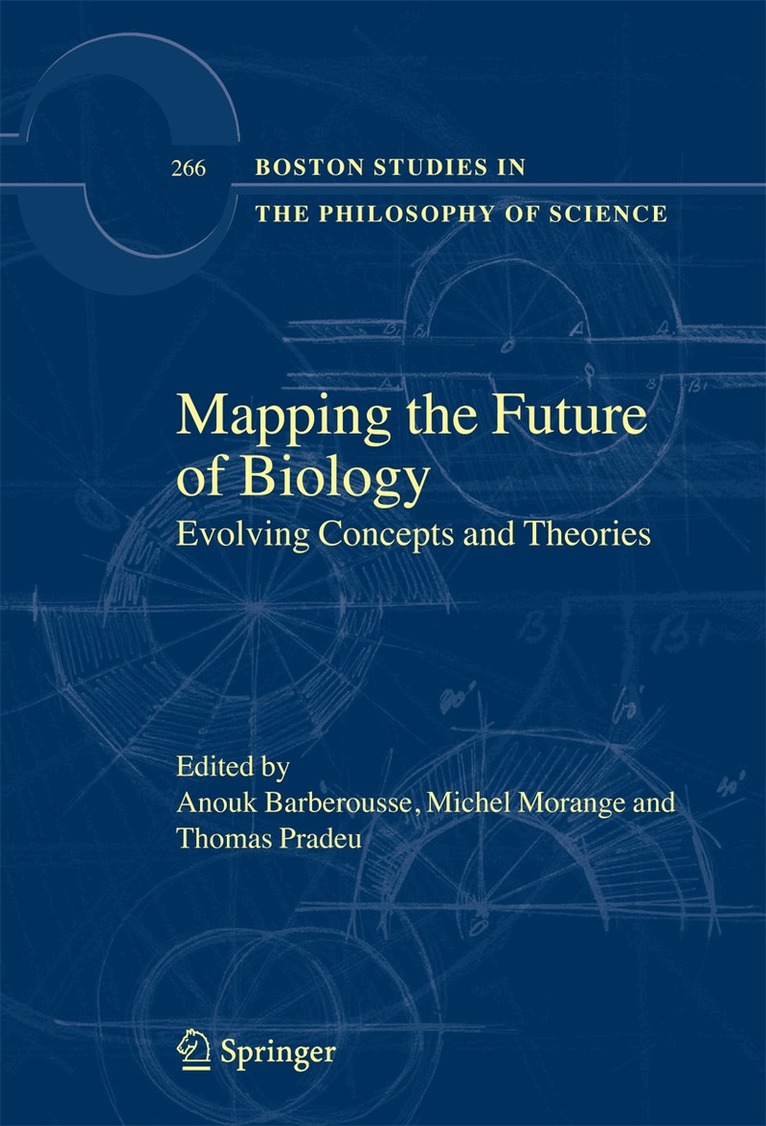
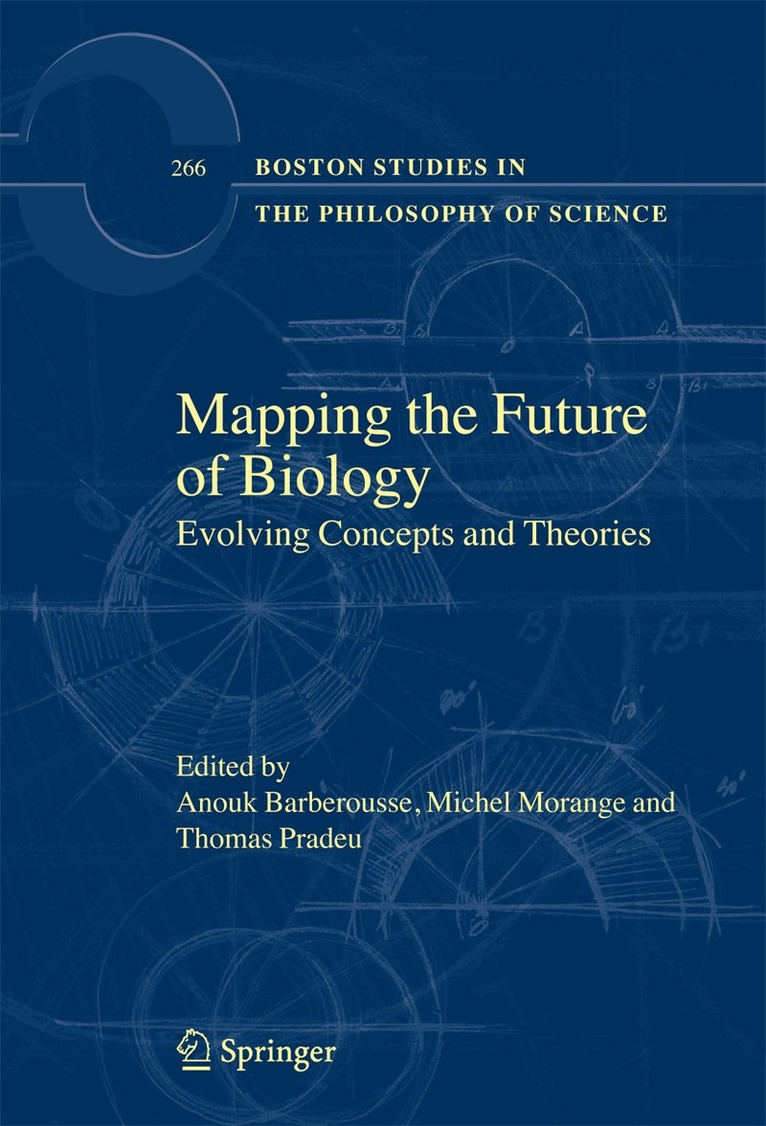
Mapping the Future of Biology
Evolving Concepts and Theories
Av Anouk Barberousse, Michel Morange m. fl.
Inbunden, 2009
1636 kr
Lägg i varukorg
Carving Nature at its Joints? In order to map the future of biology we need to understand where we are and how we got there. Present day biology is the realization of the famous metaphor of the organism as a bete ˆ machine elaborated by Descartes in Part V of the Discours,a realization far beyond …
Mapping the Future of Biology
Evolving Concepts and Theories
Av Thomas Pradeu, Michel Morange m. fl.
E-bok, 2009
2111 kr
Lägg i varukorg
Carving Nature at its Joints? In order to map the future of biology we need to understand where we are and how we got there. Present day biology is the realization of the famous metaphor of the organism as a bete ˆ machine elaborated by Descartes in Part V of the Discours,a realization far beyond …
Mapping the Future of Biology
Evolving Concepts and Theories
Av Anouk Barberousse, Michel Morange m. fl.
Häftad, 2010
1636 kr
Lägg i varukorg
Carving Nature at its Joints? In order to map the future of biology we need to understand where we are and how we got there. Present day biology is the realization of the famous metaphor of the organism as a bete ˆ machine elaborated by Descartes in Part V of the Discours,a realization far beyond …