Michelle Pentecost - Böcker
Visar alla böcker från författaren Michelle Pentecost. Handla med fri frakt och snabb leverans.
3 produkter
3 produkter
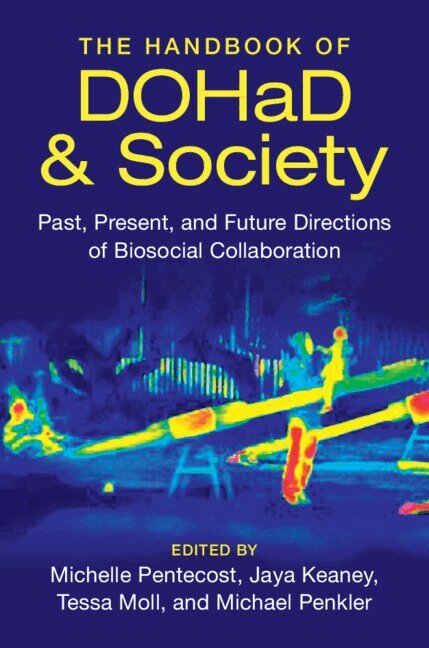
The Handbook of DOHaD and Society
Past, Present, and Future Directions of Biosocial Collaboration
Inbunden, Engelska, 2024
914 kr
Skickas inom 7-10 vardagar
Research in the field of Developmental Origins of Health and Disease has had a fundamental impact on our understanding of how environmental experiences and contexts influence the development of health and disease over the entire lifecourse. Covering a wide range of geographic regions, this volume includes an overview of the field, key concepts, and cutting-edge examples of interdisciplinary collaboration. The first reference text covering the interdisciplinary work of DOHaD, a broad list of contents maps the history of DOHaD, showcases examples of biosocial collaboration in action, offers a conceptual toolkit for interdisciplinary research, and maps future directions for the field. The definitive volume on biosocial collaborations in DOHaD, this will be indispensable for scholars working at the intersections of public health, lifecourse epidemiology and the social science of DOHaD. This title is also available as Open Access on Cambridge Core.
428 kr
Skickas inom 7-10 vardagar
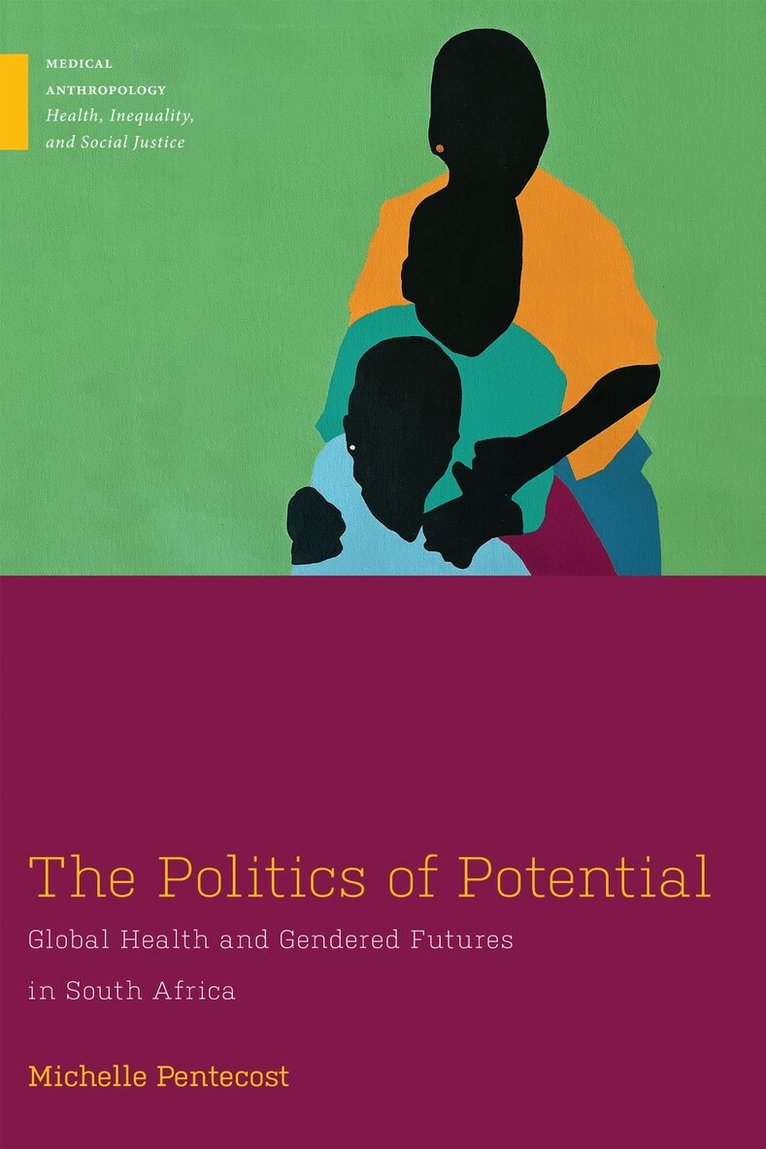
The first one thousand days of human life, or the period between conception and age two, is one of the most pivotal periods of human development. Optimizing nutrition during this time not only prevents childhood malnutrition but also determines future health and potential. The Politics of Potential examines early life interventions in the first one thousand days of life in South Africa, drawing on fieldwork from international conferences, government offices, health-care facilities, and the everyday lives of fifteen women and their families in Cape Town. Michelle Pentecost explores various aspects of a politics of potential, a term that underlines the first one thousand days concept and its effects on clinical care and the lives of childbearing women in South Africa. Why was the First One Thousand Days project so readily adopted by South Africa and many other countries? Pentecost not only explores this question but also discusses the science of intergenerational transmissions of health, disease, and human capital and how this constitutes new forms of intergenerational responsibility. The women who are the target of first one thousdand days interventions are cast as both vulnerable and responsible for the health of future generations, such that, despite its history, intergenerational responsibility in South Africa remains entrenched in powerfully gendered and racialized ways.
1 636 kr
Skickas inom 7-10 vardagar
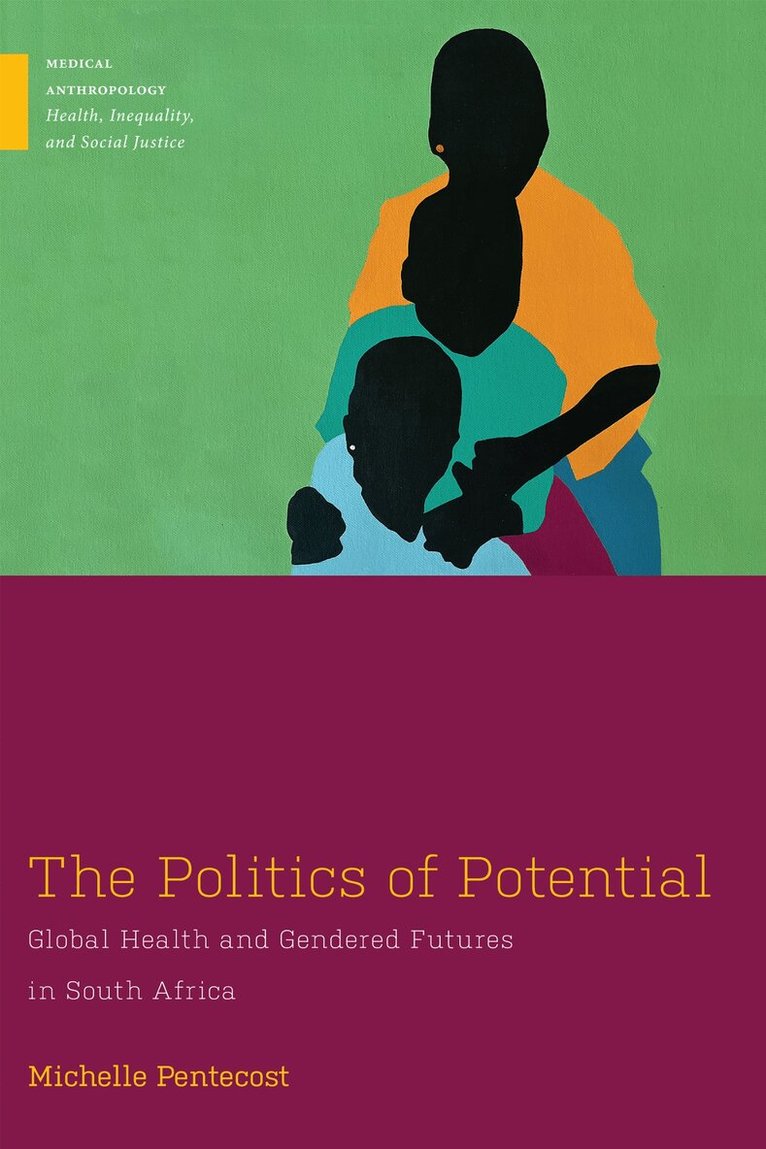
The first one thousand days of human life, or the period between conception and age two, is one of the most pivotal periods of human development. Optimizing nutrition during this time not only prevents childhood malnutrition but also determines future health and potential. The Politics of Potential examines early life interventions in the first one thousand days of life in South Africa, drawing on fieldwork from international conferences, government offices, health-care facilities, and the everyday lives of fifteen women and their families in Cape Town. Michelle Pentecost explores various aspects of a politics of potential, a term that underlines the first one thousand days concept and its effects on clinical care and the lives of childbearing women in South Africa. Why was the First One Thousand Days project so readily adopted by South Africa and many other countries? Pentecost not only explores this question but also discusses the science of intergenerational transmissions of health, disease, and human capital and how this constitutes new forms of intergenerational responsibility. The women who are the target of first one thousdand days interventions are cast as both vulnerable and responsible for the health of future generations, such that, despite its history, intergenerational responsibility in South Africa remains entrenched in powerfully gendered and racialized ways.