Miranda Fay Thomas – författare
Visar alla böcker från författaren Miranda Fay Thomas. Handla med fri frakt och snabb leverans.
8 produkter
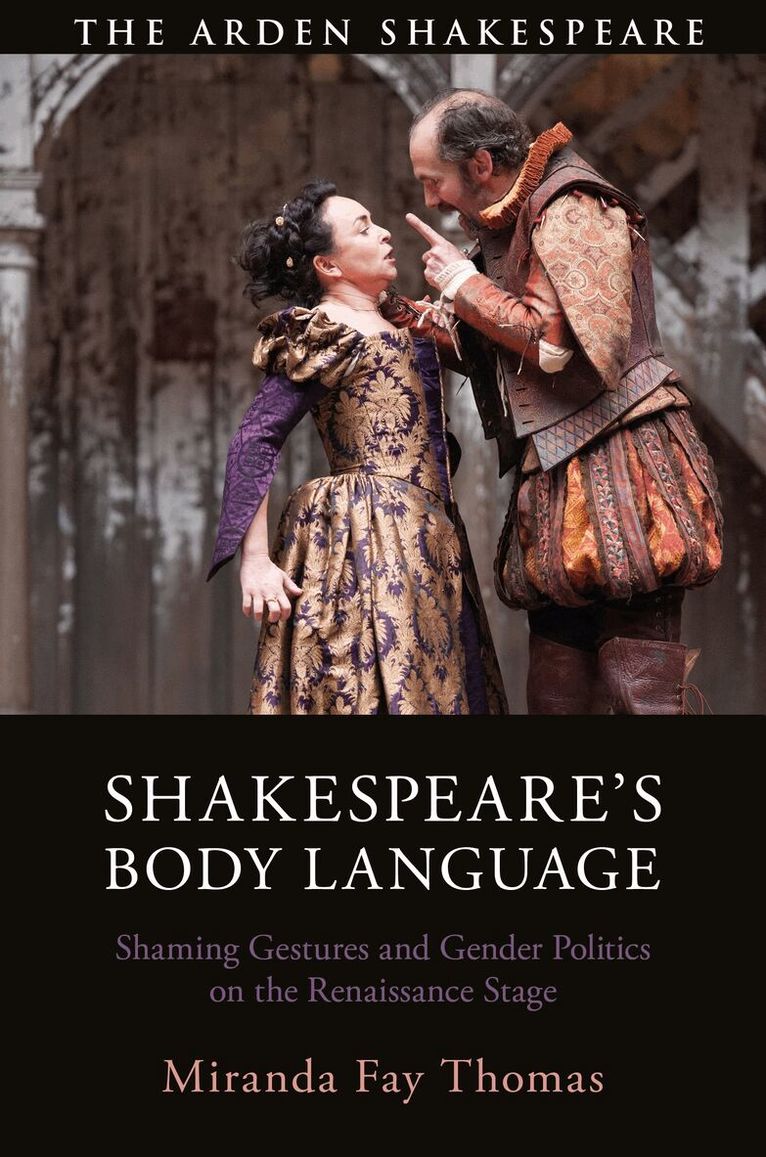
Shakespeare’s Body Language
Shaming Gestures and Gender Politics on the Renaissance Stage
Inbunden, 2019
1637 kr
Lägg i varukorg
Why do the Capulets bite their thumbs at the Montagues? Why do the Venetians spit upon Shylock’s Jewish gaberdine? What is it about Volumnia’s act of kneeling that convinces Coriolanus not to assault the city of Rome?Shakespeare’s Body Language is a ground-breaking new study of Shakespearean drama, …
Shakespeare’s Body Language
Shaming Gestures and Gender Politics on the Renaissance Stage
E-bok, 2019
592 kr
Lägg i varukorg
Why do the Capulets bite their thumbs at the Montagues? Why do the Venetians spit upon Shylock''s Jewish gaberdine? What is it about Volumnia''s act of kneeling that convinces Coriolanus not to assault the city of Rome? Shakespeare''s Body Language is a ground-breaking new study of Shakespearean …
Shakespeare’s Body Language
Shaming Gestures and Gender Politics on the Renaissance Stage
E-bok, 2019
592 kr
Lägg i varukorg
Why do the Capulets bite their thumbs at the Montagues? Why do the Venetians spit upon Shylock''s Jewish gaberdine? What is it about Volumnia''s act of kneeling that convinces Coriolanus not to assault the city of Rome? Shakespeare''s Body Language is a ground-breaking new study of Shakespearean …
Tempest: Arden Performance Editions
Av William Shakespeare, Miranda Fay Thomas
Häftad, 2021
169 kr
Lägg i varukorg
Arden Performance Editions are ideal for anyone engaging with a Shakespeare play in performance. With clear facing-page notes giving definitions of words, easily accessible information about key textual variants, lineation, metrical ambiguities and pronunciation, each edition has been developed to …
Tempest: Arden Performance Editions
Av William Shakespeare, Miranda Fay Thomas
E-bok, 2021
176 kr
Lägg i varukorg
Arden Performance Editions are ideal for anyone engaging with a Shakespeare play in performance. With clear facing-page notes giving definitions of words, easily accessible information about key textual variants, lineation, metrical ambiguities and pronunciation, each edition has been developed to …
Tempest: Arden Performance Editions
Av William Shakespeare, Miranda Fay Thomas
E-bok, 2021
179 kr
Lägg i varukorg
Arden Performance Editions are ideal for anyone engaging with a Shakespeare play in performance. With clear facing-page notes giving definitions of words, easily accessible information about key textual variants, lineation, metrical ambiguities and pronunciation, each edition has been developed to …
Shakespeare’s Body Language
Shaming Gestures and Gender Politics on the Renaissance Stage
Häftad, 2021
546 kr
Lägg i varukorg
Why do the Capulets bite their thumbs at the Montagues? Why do the Venetians spit upon Shylock’s Jewish gaberdine? What is it about Volumnia’s act of kneeling that convinces Coriolanus not to assault the city of Rome?Shakespeare’s Body Language is a ground-breaking new study of Shakespearean drama, …
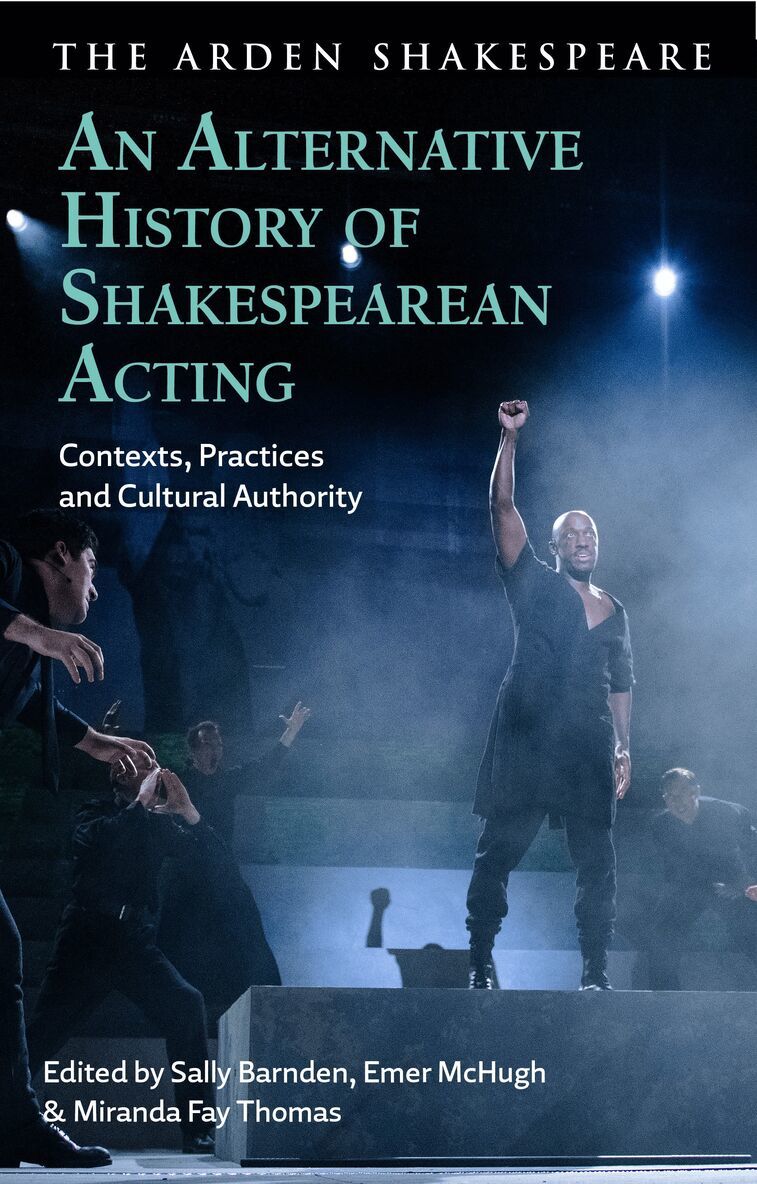
Alternative History of Shakespearean Acting
Contexts, Practices and Cultural Authority
Av Sally Barnden, Emer McHugh m. fl.
Inbunden, 2027
1163 kr
Kommande
What are the qualities of a ‘Shakespearean actor’? Who has access to this identity? And can ‘Shakespearean’ ever be a meaningful descriptor for acting identities without reinforcing conservative cultural assumptions?An Alternative History of Shakespearean Acting provides a variety of perspectives …