Nancy Jachec – författare
Visar alla böcker från författaren Nancy Jachec. Handla med fri frakt och snabb leverans.
9 produkter
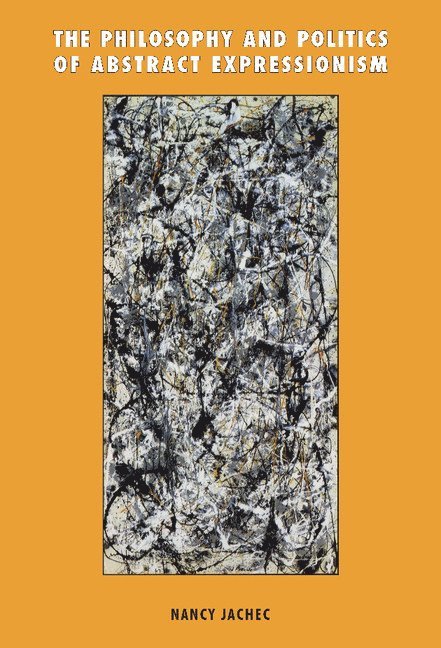
The Philosophy and Politics of Abstract Expressionism, 1940-1960
Av Nancy Jachec
Inbunden, 2000
1677 kr
Lägg i varukorg
The Philosophy and Politics of Abstract Expressionism reexamines the relationship between a flourishing artistic movement of the 1940s and 50s and the concomitant 'new liberalism' as defined and supported by the American left. Tracing conceptual networks among mid-century intellectuals, and the …
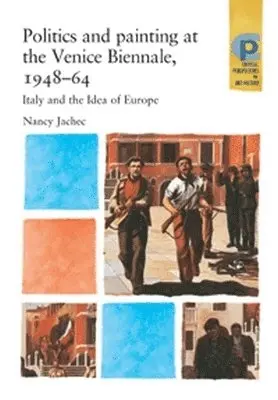
Politics and Painting at the Venice Biennale, 1948–64
Italy and the Idea of Europe
Av Nancy Jachec
Inbunden, 2007
1236 kr
Lägg i varukorg
Although cultural exchanges were named within the Council of Europe in the mid- 1950s as being second only in importance to the military as a tool for ensuring a stable and integrated Western Europe in the aftermath of the Second World War, European-led initiatives have generally been overlooked in …
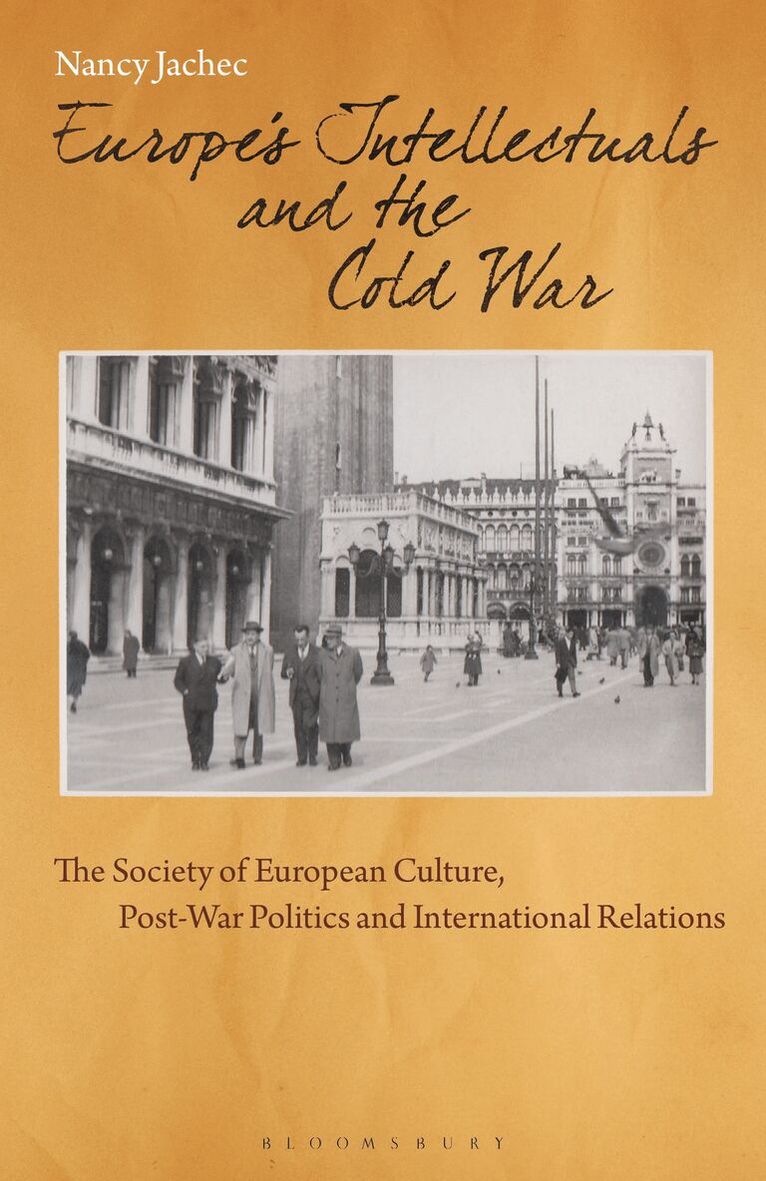
Europe's Intellectuals and the Cold War
The European Society of Culture, Post-War Politics and International Relations
Av Nancy Jachec
E-bok, 2015
546 kr
Lägg i varukorg
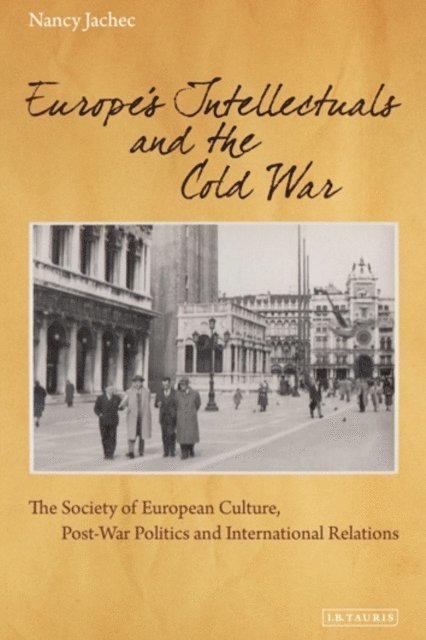
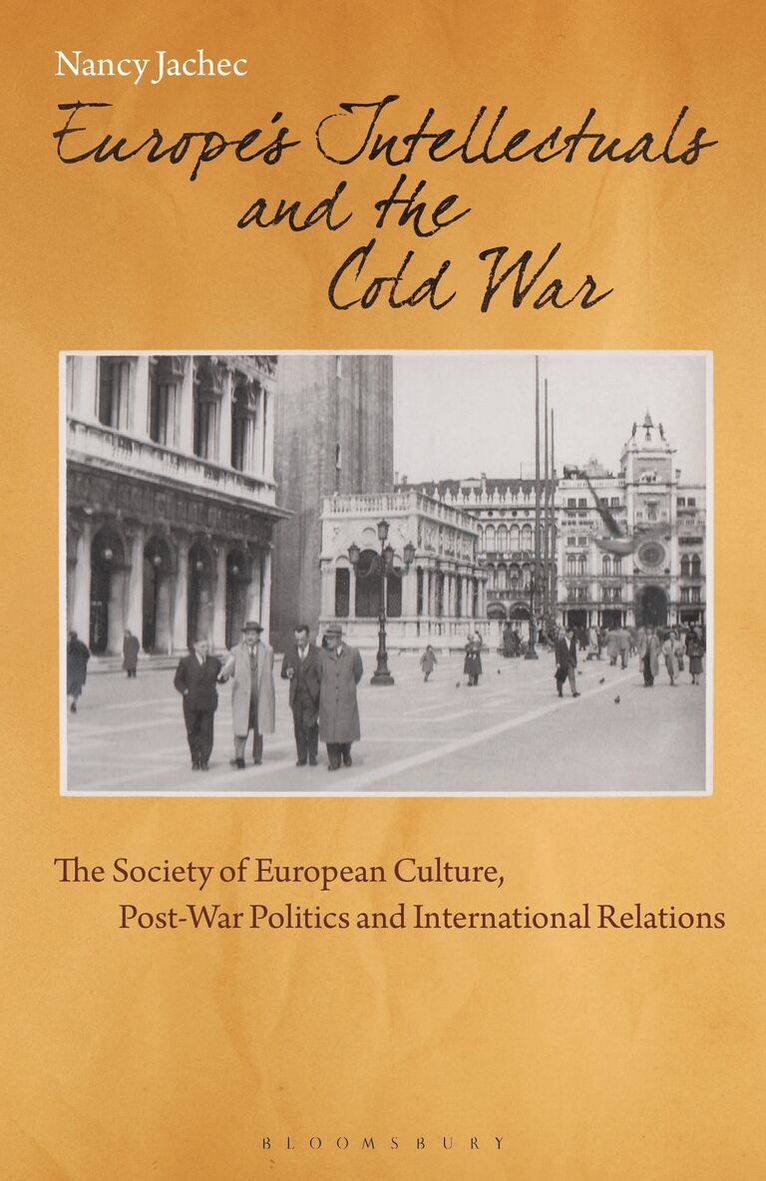
In 1950, nearly 300 of Europe's leading artists, philosophers and writers formed an international society intended to end the Cold War. The European Society of Culture was composed of many of Western Europe's best-known intellectuals, including Theodor Adorno, Julien Benda, Albert Camus, Benedetto …
Europe's Intellectuals and the Cold War
The European Society of Culture, Post-War Politics and International Relations
Av Nancy Jachec
E-bok, 2015
610 kr
Lägg i varukorg
In 1950, nearly 300 of Europe's leading artists, philosophers and writers formed an international society intended to end the Cold War. The European Society of Culture was composed of many of Western Europe's best-known intellectuals, including Theodor Adorno, Julien Benda, Albert Camus, Benedetto …
Europe's Intellectuals and the Cold War
The European Society of Culture, Post-War Politics and International Relations
Av Nancy Jachec
Häftad, 2020
560 kr
Lägg i varukorg
In 1950, nearly 300 of Europe's leading artists, philosophers and writers formed an international society intended to end the Cold War. The European Society of Culture was composed of many of Western Europe's best-known intellectuals, including Theodor Adorno, Julien Benda, Albert Camus, Benedetto …
Italy, Jean-Paul Sartre, and Europe’s Cold War
Ethics, Resistance, Political Change
Av Nancy Jachec
Inbunden, 2025
1208 kr
Lägg i varukorg
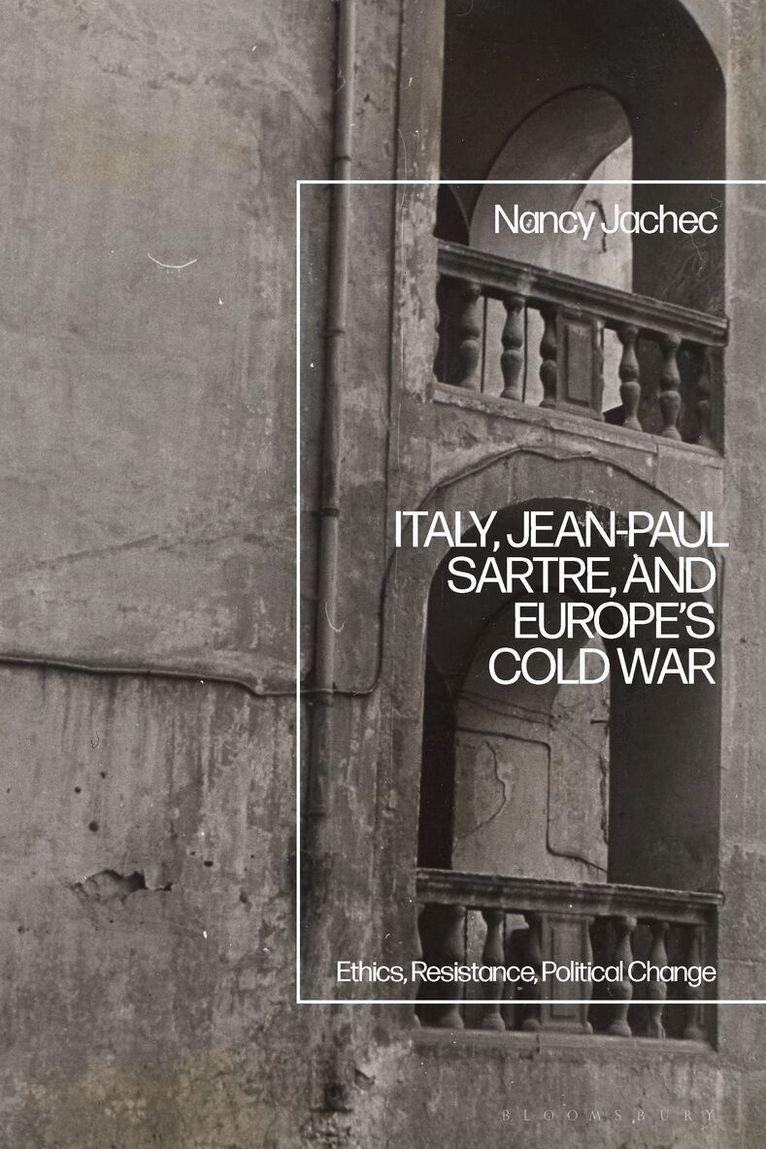
Based on extensive, largely unpublished material by and about Sartre from archives across Europe, this book explores Sartre’s lifelong relationship with Italy, its culture, society and, above all, its intellectual left.Starting with his dawning awareness of politics as foremost a moral …
Italy, Jean-Paul Sartre, and Europe’s Cold War
Ethics, Resistance, Political Change
Av Nancy Jachec
E-bok, 2025
1169 kr
Lägg i varukorg
Based on extensive, largely unpublished material by and about Sartre from archives across Europe, this book explores Sartre's lifelong relationship with Italy, its culture, society and, above all, its intellectual left. Starting with his dawning awareness of politics as foremost a moral …
Italy, Jean-Paul Sartre, and Europe’s Cold War
Ethics, Resistance, Political Change
Av Nancy Jachec
E-bok, 2025
1296 kr
Lägg i varukorg
Based on extensive, largely unpublished material by and about Sartre from archives across Europe, this book explores Sartre''s lifelong relationship with Italy, its culture, society and, above all, its intellectual left. Starting with his dawning awareness of politics as foremost a moral …
Europe's Intellectuals and the Cold War
The European Society of Culture, Post-War Politics and International Relations
Av Nancy Jachec
Inbunden, 2015
2038 kr
Lägg i varukorg
In 1950, nearly 300 of Europe's leading artists, philosophers and writers formed an international society intended to end the Cold War. The European Society of Culture was composed of many of Western Europe's best-known intellectuals, including Theodor Adorno, Julien Benda, Albert Camus, Benedetto …