Niall W. Slater - Böcker
Visar alla böcker från författaren Niall W. Slater. Handla med fri frakt och snabb leverans.
10 produkter
10 produkter
938 kr
Skickas inom 10-15 vardagar
Spectator Politics is the first major study of metatheatre, or theatrically self-conscious performance, in Aristophanes. Using a reception-based performance criticism, Niall Slater elucidates the comic effectiveness of the earliest surviving comedies in the Western tradition. Slater demonstrates that Aristophanes employed metatheatre not simply to entertain but also to teach his audience how to read and interpret performance in other key public venues of the ancient democracy of Athens, such as performances in the political assembly and law courts. Aristophanes was, Slater contends, the first performance critic.Spectator Politics shows how Aristophanes' comedy served the Athenians by helping them to become active political participants, teaching them to see through deceptive performances, whether on stage or in the political sphere. His comedies use self-conscious performance to encourage the public to move out of the role of passive consumers of spectacle and to reengage the political process. Aristophanes' critique of performance prefigures much in the performance-dominated culture of the modern American political scene.Throughout, detailed readings of the original stagings illuminate the plays for today's audiences and performers, while Slater's cultural critique provides much for those interested in Athenian democracy and its lesson for the contemporary political scene. Spectator Politics offers a salutary demonstration of the power of art to expose and resist the performance powers of would-be demagogues.
377 kr
Skickas inom 10-15 vardagar
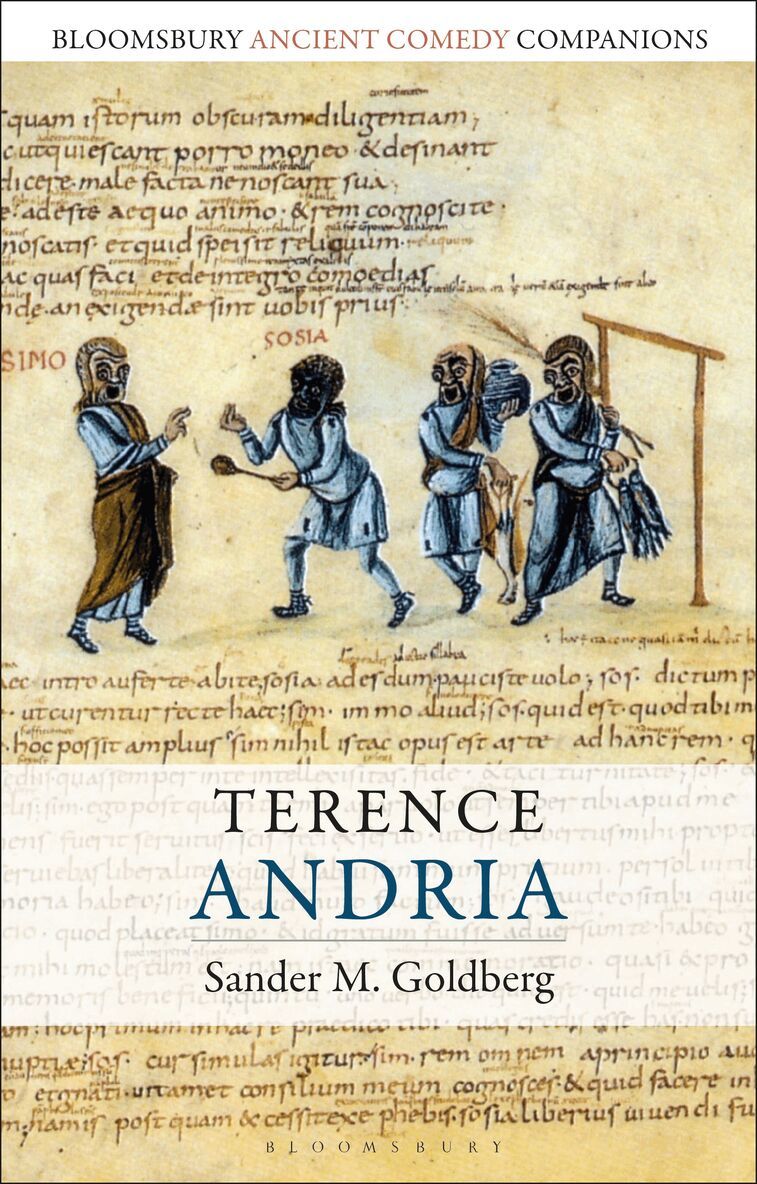
Launching a much-needed new series discussing each comedy that survives from the ancient world, this volume is a vital companion to Terence's earliest comedy, Andria, highlighting its context, themes, staging and legacy. Ideal for students it assumes no knowledge of Latin, but is helpful also for scholars wanting a quick introduction. This will be the first port of call for anyone studying or researching the play.Though Andria launched Terence’s career as a dramatist at Rome, it has attracted comparatively little attention from modern critics. It is nevertheless a play of great interest, not least for the sensitivity with which it portrays family relationships and for its influence on later dramatists. It also presents students of Roman comedy with all the features that came to characterize Terence’s particular version of traditional comedy, and it raises all the interpretive questions that have dogged the study of Terence for generations. This volume will use a close reading of the play to explore the central issues in understanding Terence’s style of play-making and its legacy.
283 kr
Skickas
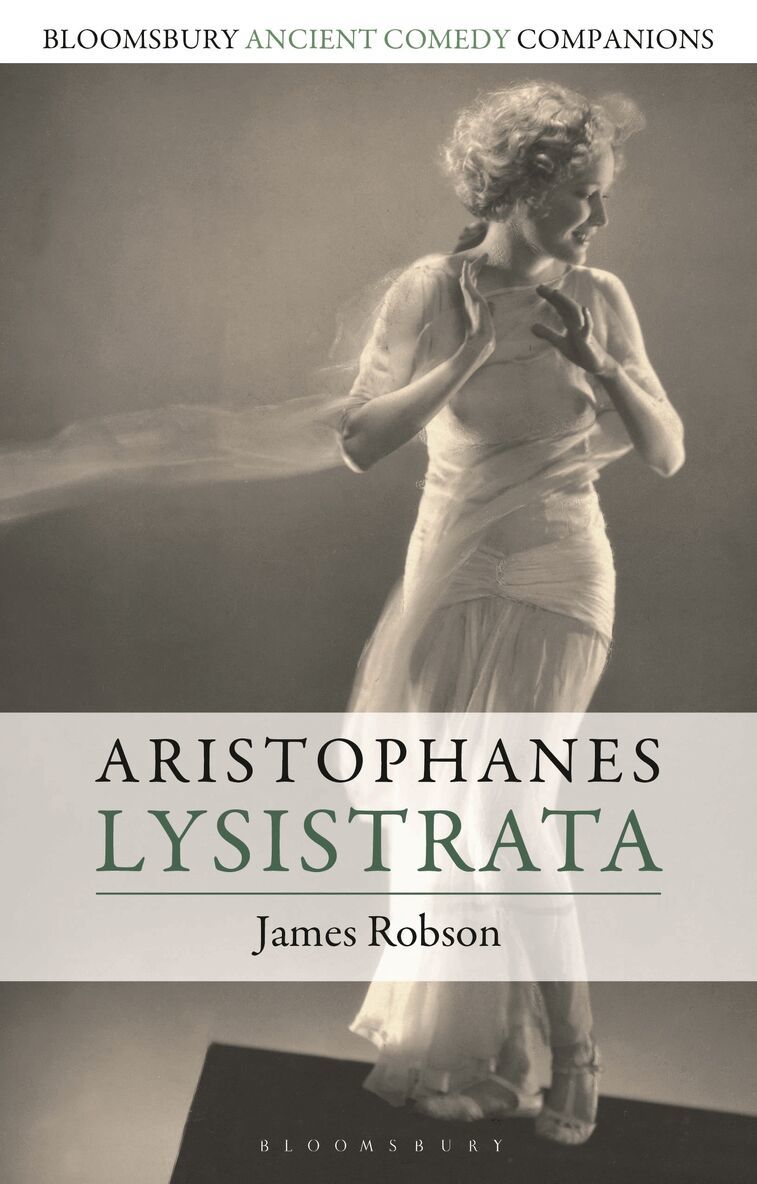
Lysistrata is the most notorious of Aristophanes’ comedies. First staged in 411 BCE, its action famously revolves around a sex strike launched by the women of Greece in an attempt to force their husbands to end the war. With its risqué humour, vibrant battle of the sexes, and themes of war and peace, Lysistrata remains as daring and thought-provoking today as it would have been for its original audience in Classical Athens.Aristophanes: Lysistrata is a lively and engaging introduction to this play aimed at students and scholars of classical drama alike. It sets Lysistrata in its social and historical context, looking at key themes such as politics, religion and its provocative portrayal of women, as well as the play’s language, humour and personalities, including the formidable and trailblazing Lysistrata herself. Lysistrata has often been translated, adapted and performed in the modern era and this book also traces the ways in which it has been re-imagined and re-presented to new audiences. As this reception history reveals, Lysistrata’s appeal in the modern world lies not only in its racy subject matter, but also in its potential to be recast as a feminist, pacifist or otherwise subversive play that openly challenges the political and social status quo.
373 kr
Kommande
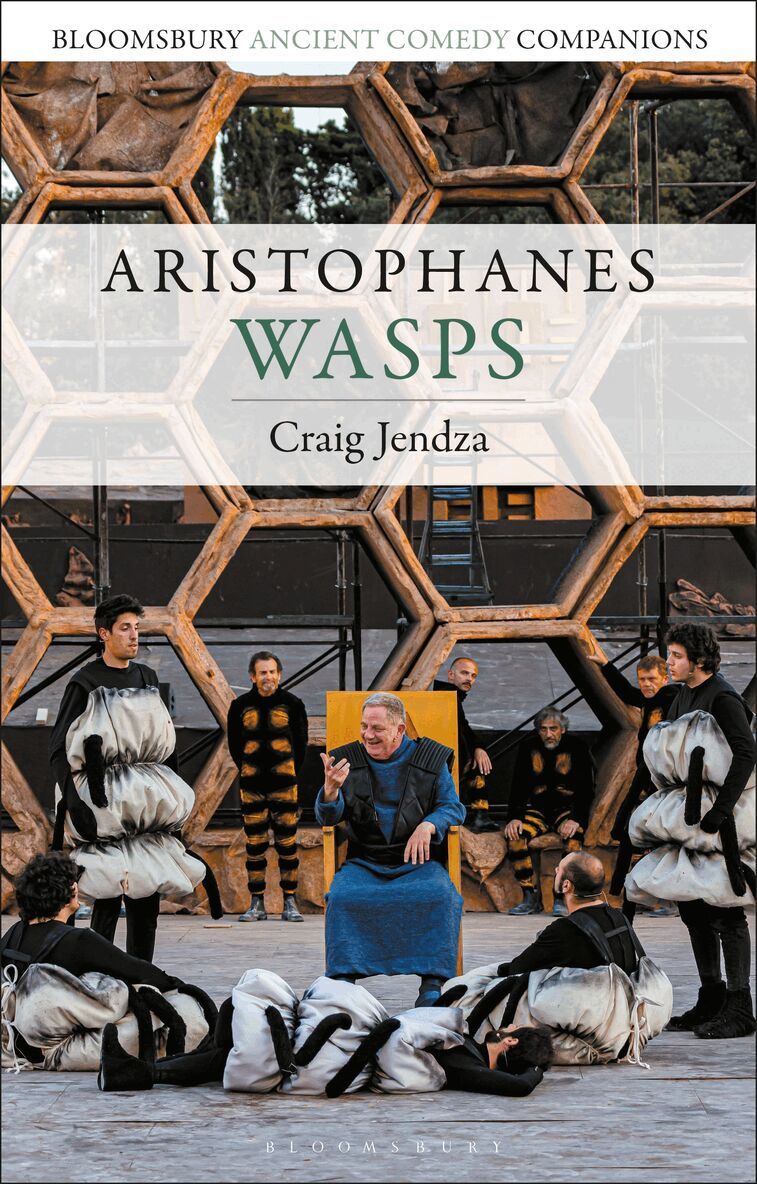
This is the first book-length study dedicated to Aristophanes’ Wasps (422 BCE), which is arguably one of his most hilarious and inventive comedies. At the heart of Wasps is a comic conflict between an Athenian father named Philocleon and his son Bdelycleon; at stake are issues of political discourse, the judicial system, social class and mental illness. Alongside Aristophanes’ striking scenes involving a chorus of citizen wasps, a dog trial, and a concluding dance-off between tragedy and comedy, the reader is shown the theatrical genius of the playwright which is able to find the humor in the political, social and generational problems of his time.Ideal for students with no experience in Greek comedy or for researchers wanting an updated analysis of the play, this book explores Wasps in terms of Aristophanes’ particular brand of Old Comedy, its historical context, innovative stagecraft and its reception up until the present day. While early modern playwrights such as Ben Jonson and Jean Racine tended to co-opt memorable scenes from Wasps such as the dog trial, more recent productions have interpreted the play as a political comedy about the fragility of democratic institutions. This is the ideal companion for anyone studying Wasps and its effect on later theater.
1 333 kr
Kommande
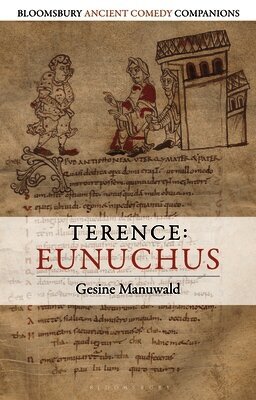
Terence’s Eunuchus (first shown on stage in the second century BCE) was extremely successful at its first performance and has been influential ever since, having inspired allusions and remakes by writers and artists from the ancient world into the modern period. This success may be partly due to the fact that the play has a number of ‘Plautine’ elements, such as effective comedy and dramaturgy. At the same time, the piece includes actions that are ethically problematic at least from the point of view of a modern audience, especially the reported rape of a young woman. Thus, this drama is an intriguing example of how a comedy can present attractive entertainment and raise serious issues, both of which contribute to the continuing fascination that Terence’s Eunuchus evokes.Gesine Manuwald analyses the Eunuchus in its transmitted form as a piece of Roman Republican dramatic literature, looking at: the playwright’s role within the Roman comic tradition and his engagement with contemporary dramatists; the structure and effectiveness of the plot as well as the characterization of the protagonists and the comedy’s themes; and the extent to which these might have resonated with a contemporary audience. On this basis, aspects of the history of the play’s reception can be traced, starting in the ancient world, including the late-antique commentary on the play by Donatus, illustrations in early manuscripts as well as literary and artistic reflections in the early modern and modern periods.
1 333 kr
Kommande
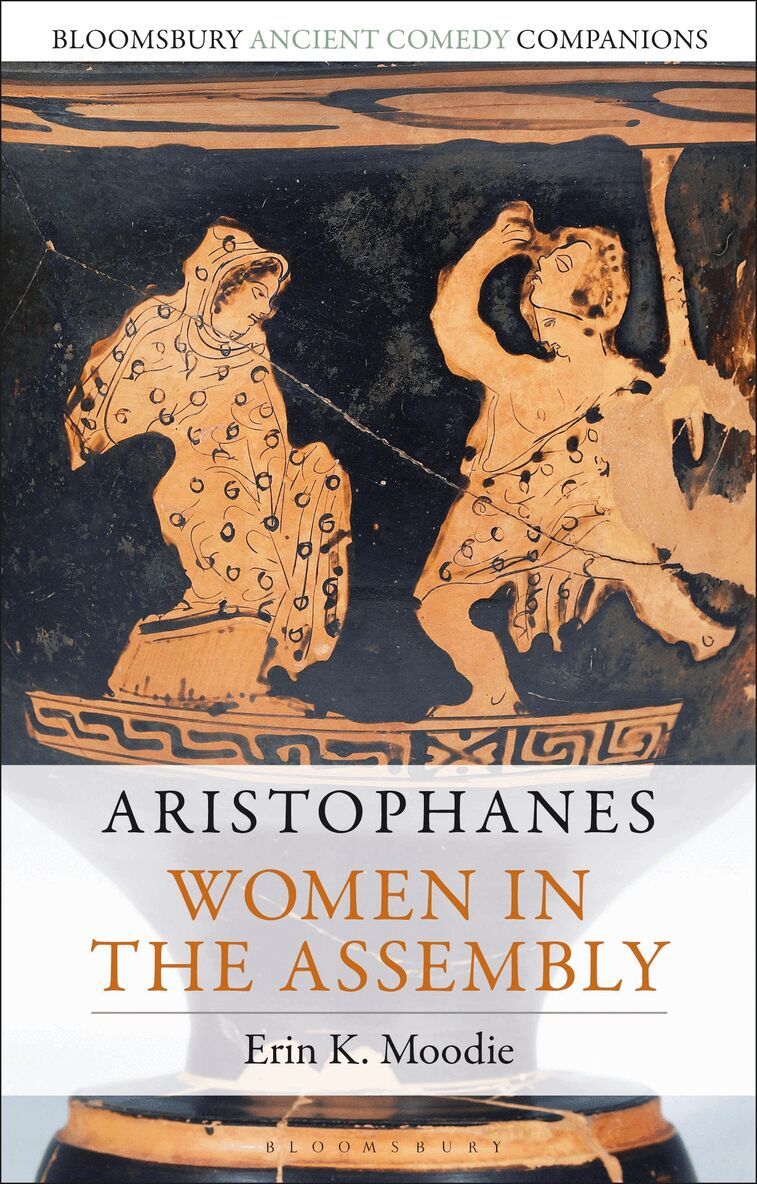
This is the first book for a general audience about Women in the Assembly (Ekklesiazousai), whose central themes – gender, politics, theatre – still resonate today. Fed up with Athens’ political dysfunction and involvement in yet another war against Sparta, the women of the city don ridiculous disguises and vote themselves into power. Under female leadership Athenian society is completely reorganized when both private property and marriage are abolished. What happens when a few citizens are slow to embrace the changes? Whose side was the audience on? The Athens that these women create has been interpreted in both utopian and near-dystopian terms, but Moodie argues that Aristophanes does indeed depict a utopia where everyone’s needs can be met.With new analysis of pottery and figurines depicting Old Comedy, coupled with a thorough exploration of Aristophanes’ metatheatrical plot and its relation to his earlier fantastic comedies, Moodie reveals how the comic poet promotes the ideas of his female reformers and blunts the complaints of their critics as he urges collective action for the good of the city. Moodie concludes with a chapter exploring the ways in which playwrights and directors throughout the twentieth and twenty-first centuries have adapted Women in the Assembly in order to respond to current social and political issues, especially the changing role of women in the modern world.
1 428 kr
Kommande
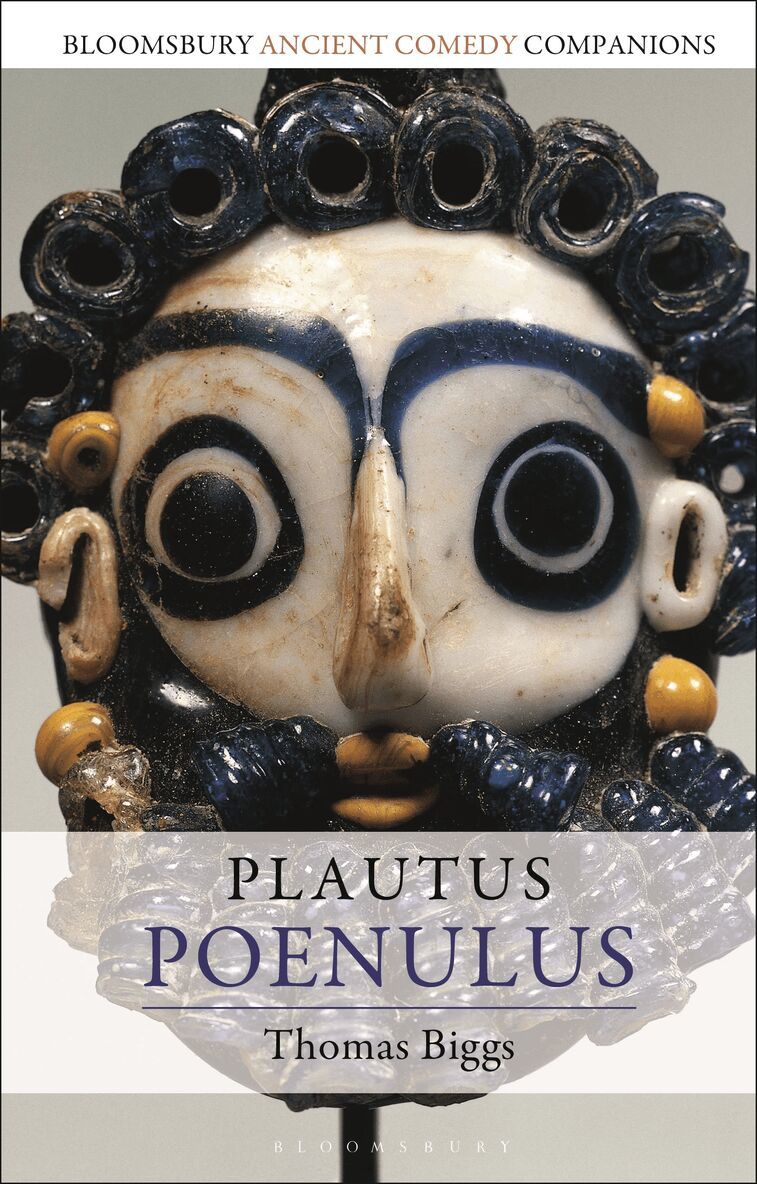
Plautus’ Poenulus (The Little Carthaginian) is a work of staggering literary andhistorical significance. Performed in the long shadow of Rome’s struggle withHannibal’s Carthage, this play stages the restoration of a Carthaginian familydivided through enslavement. Set against the backdrop of a Greece marked bycomedic expectations and the geography of contemporary imperial conquest,Poenulus presents a tale of Carthaginian heartbreak and heartache to a postwarRoman audience. The comedy’s remarkable diversity prompts audienceinteraction with a wide range of socio-cultural topics relevant to Plautus’ time.Engaging weighty matters through song, slapstick, puns, and spectacle, Poenulusmay appear to defang, but its bite is deep.This book offers an innovative understanding of Poenulus’ place in Roman historyand literary culture, helping readers to appreciate the play itself, the complexnature of Plautine authorship, and the cultures of performance in RepublicanRome. Most of the book explores the play as a performance, from its unique andstrikingly self-aware prologue to the actors’ call for applause in the final line.The longest chapter examines the play’s afterlives in the Renaissance and earlymodern period, including little-known revivals and adaptations in Ferrara, Rome,and Cambridge. Over the centuries, people have found in Poenulus a script wellsuited to active learning in the Latin classroom, a text capable of supportingnew political ideologies, and a dramatized vision of the world that accordedwith processes of racialization in Europe as reengagement with the classical pastcoincided with the expansion of the slave trade and the objectification of BlackAfricans. That one play has been seen to support and subvert the same outlooksand practices is a testament to its complexity and to the enduring power of all Plautine verse from the third century BCE to the present.
1 544 kr
Skickas inom 10-15 vardagar
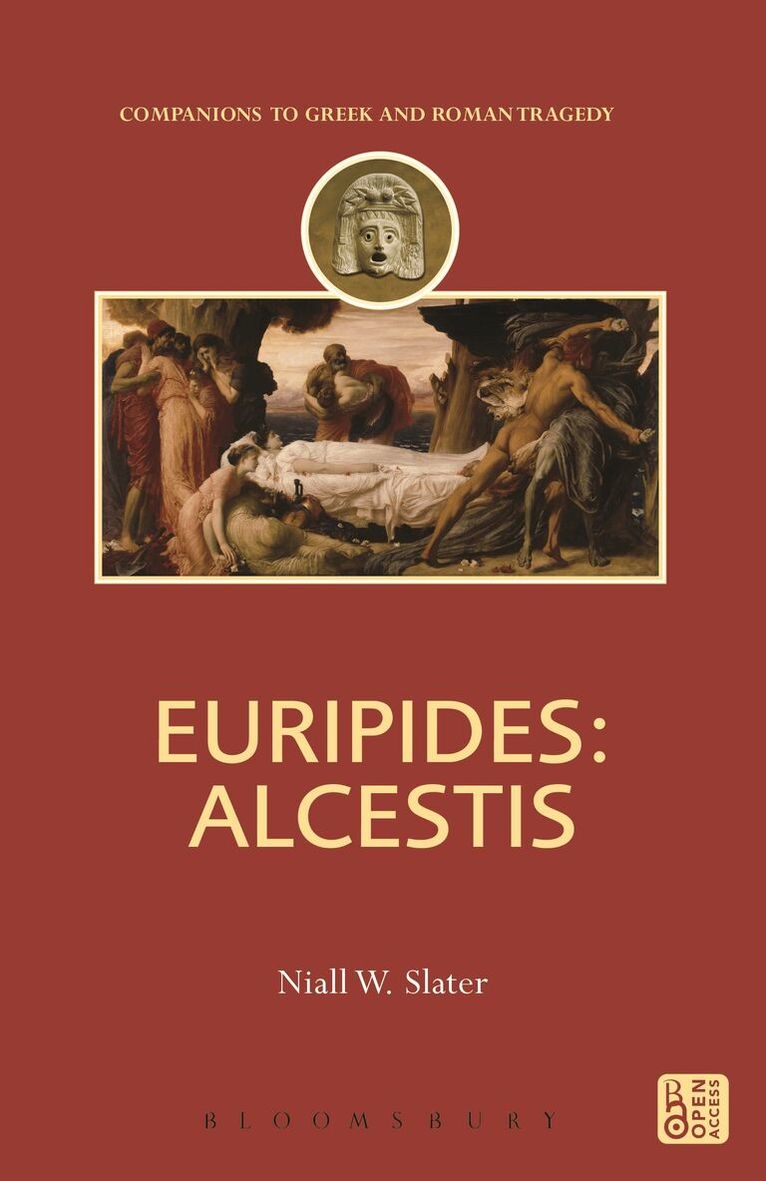
This open access edition explores the reception and afterlife of the Alcestis, as well as its main themes, the myth before the play, the play's historical and social context and the central developments in modern criticism. In the Alcestis, the title character sacrifices her own life to save that of her husband, Admetus, when he is presented with the opportunity to have someone die in his place. Alcestis compresses within itself both tragedy and its apparent reversal, staging in the process fascinating questions about gender roles, family loyalties, the nature of heroism, and the role of commemoration.Alcestis is Euripides's earliest complete work and his only surviving play from the period preceding the outbreak of the Peloponnesian War. Currently dominant post-structuralist models of Greek tragedy focus on its 'oppositional' role in the discourse of war and public values. This study challenges not only this politicised model of tragic discourse but also both traditional masculinist and more recent feminist readings of the discourse and performance of gender in this remarkable play.The play survived in the performance repertoire of antiquity into the Roman period. Euripides' version strongly influenced the reception of the myth through the middles ages into the Renaissance, and the story enjoyed a lively afterlife through opera. Alcestis' contested reception in the last two centuries charts our changing understanding of tragedy.The ebook editions of this book are available open access under a CC BY-NC-ND 4.0 licence on bloomsburycollections.com. Open access was funded by Emory University.
423 kr
Skickas inom 10-15 vardagar
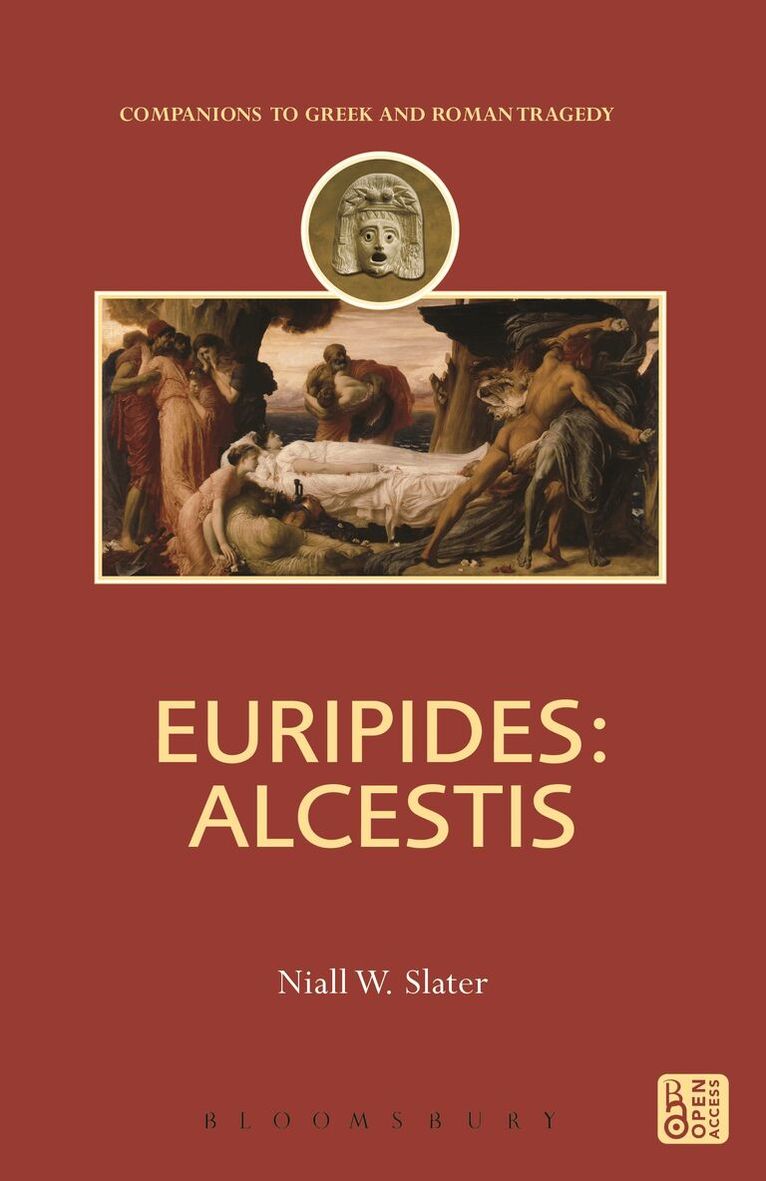
This open access edition explores the reception and afterlife of the Alcestis, as well as its main themes, the myth before the play, the play's historical and social context and the central developments in modern criticism. In the Alcestis, the title character sacrifices her own life to save that of her husband, Admetus, when he is presented with the opportunity to have someone die in his place. Alcestis compresses within itself both tragedy and its apparent reversal, staging in the process fascinating questions about gender roles, family loyalties, the nature of heroism, and the role of commemoration.Alcestis is Euripides's earliest complete work and his only surviving play from the period preceding the outbreak of the Peloponnesian War. Currently dominant post-structuralist models of Greek tragedy focus on its 'oppositional' role in the discourse of war and public values. This study challenges not only this politicised model of tragic discourse but also both traditional masculinist and more recent feminist readings of the discourse and performance of gender in this remarkable play.The play survived in the performance repertoire of antiquity into the Roman period. Euripides' version strongly influenced the reception of the myth through the middles ages into the Renaissance, and the story enjoyed a lively afterlife through opera. Alcestis' contested reception in the last two centuries charts our changing understanding of tragedy.The ebook editions of this book are available open access under a CC BY-NC-ND 4.0 licence on bloomsburycollections.com. Open access was funded by Emory University.
1 412 kr
Skickas inom 10-15 vardagar