Nóra Veszprémi - Böcker
Visar alla böcker från författaren Nóra Veszprémi. Handla med fri frakt och snabb leverans.
6 produkter
6 produkter
1 046 kr
Skickas inom 7-10 vardagar
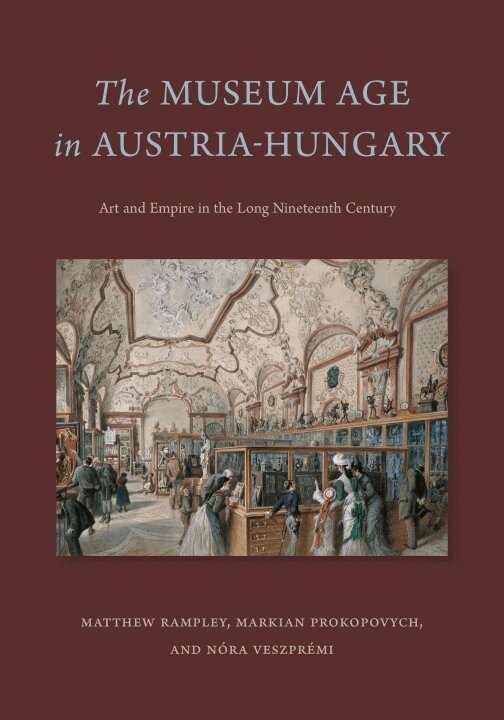
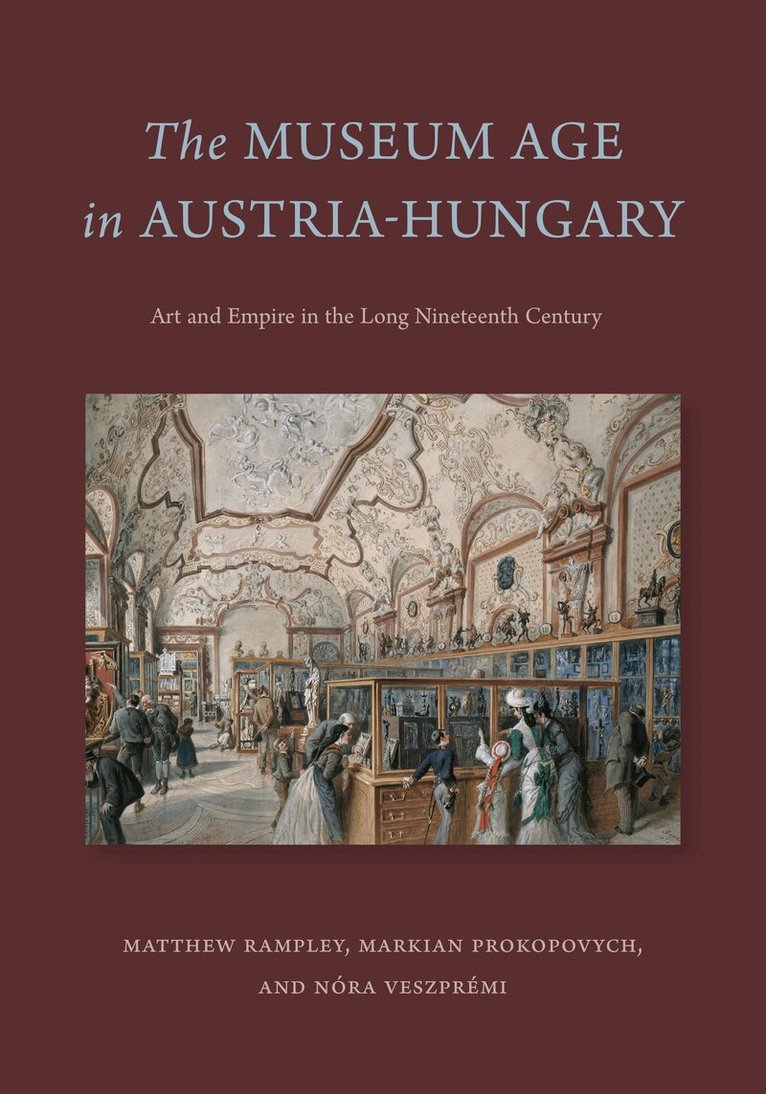
This important critical study of the history of public art museums in Austria-Hungary explores their place in the wider history of European museums and collecting, their role as public institutions, and their involvement in the complex cultural politics of the Habsburg Empire.Focusing on institutions in Vienna, Cracow, Prague, Zagreb, and Budapest, The Museum Age in Austria-Hungary traces the evolution of museum culture over the long nineteenth century, from the 1784 installation of imperial art collections in the Belvedere Palace (as a gallery open to the public) to the dissolution of Austria-Hungary after the First World War. Drawing on source materials from across the empire, the authors reveal how the rise of museums and display was connected to growing tensions between the efforts of Viennese authorities to promote a cosmopolitan and multinational social, political, and cultural identity, on the one hand, and, on the other, the rights of national groups and cultures to self-expression. They demonstrate the ways in which museum collecting policies, practices of display, and architecture engaged with these political agendas and how museums reflected and enabled shifting forms of civic identity, emerging forms of professional practice, the production of knowledge, and the changing composition of the public sphere.Original in its approach and sweeping in scope, this fascinating study of the museum age of Austria-Hungary will be welcomed by students and scholars interested in the cultural and art history of Central Europe.
422 kr
Skickas inom 7-10 vardagar
This important critical study of the history of public art museums in Austria-Hungary explores their place in the wider history of European museums and collecting, their role as public institutions, and their involvement in the complex cultural politics of the Habsburg Empire.Focusing on institutions in Vienna, Cracow, Prague, Zagreb, and Budapest, The Museum Age in Austria-Hungary traces the evolution of museum culture over the long nineteenth century, from the 1784 installation of imperial art collections in the Belvedere Palace (as a gallery open to the public) to the dissolution of Austria-Hungary after the First World War. Drawing on source materials from across the empire, the authors reveal how the rise of museums and display was connected to growing tensions between the efforts of Viennese authorities to promote a cosmopolitan and multinational social, political, and cultural identity, on the one hand, and, on the other, the rights of national groups and cultures to self-expression. They demonstrate the ways in which museum collecting policies, practices of display, and architecture engaged with these political agendas and how museums reflected and enabled shifting forms of civic identity, emerging forms of professional practice, the production of knowledge, and the changing composition of the public sphere.Original in its approach and sweeping in scope, this fascinating study of the museum age of Austria-Hungary will be welcomed by students and scholars interested in the cultural and art history of Central Europe.
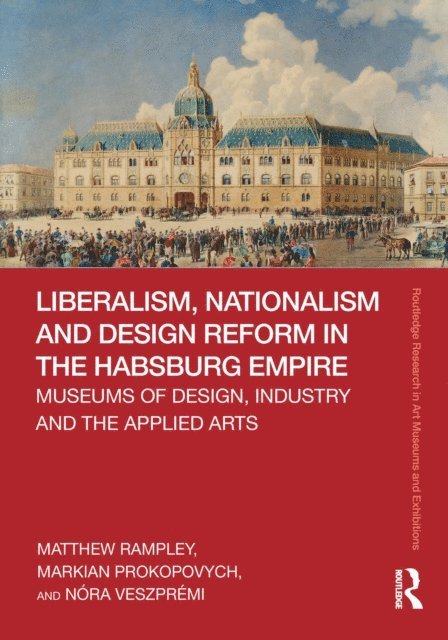
Liberalism, Nationalism and Design Reform in the Habsburg Empire
Museums of Design, Industry and the Applied Arts
Inbunden, Engelska, 2020
2 176 kr
Skickas inom 10-15 vardagar
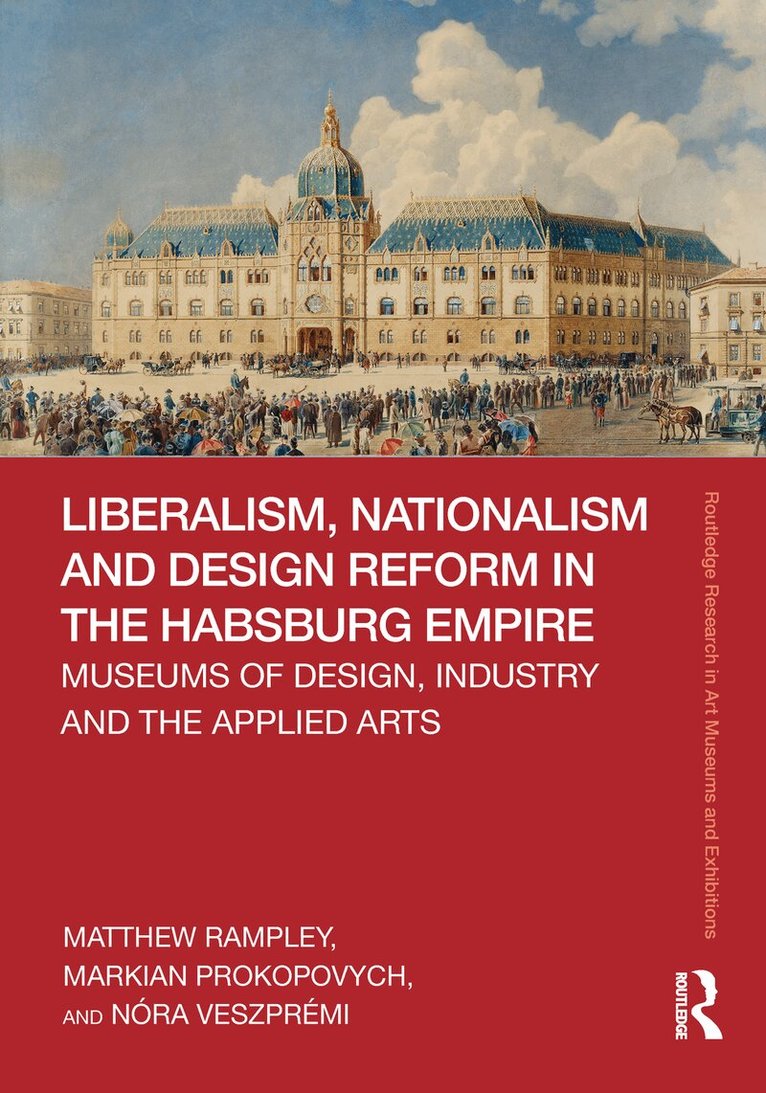
Liberalism, Nationalism and Design Reform in the Habsburg Empire is a study of museums of design and applied arts in Austria-Hungary from 1864 to 1914. The Museum for Art and Industry (now the Museum of Applied Arts) as well as its design school occupies a prominent place in the study. The book also gives equal attention to museums of design and applied arts in cities elsewhere in the Empire, such as Budapest Prague, Cracow, Brno and Zagreb. The book is shaped by two broad concerns: the role of liberalism as a political, cultural and economic ideology motivating the museums’ foundation, and their engagement with the politics of imperial, national and regional identity of the late Habsburg Empire. This book will be of interest for scholars of art history, museum studies, design history, and European history.
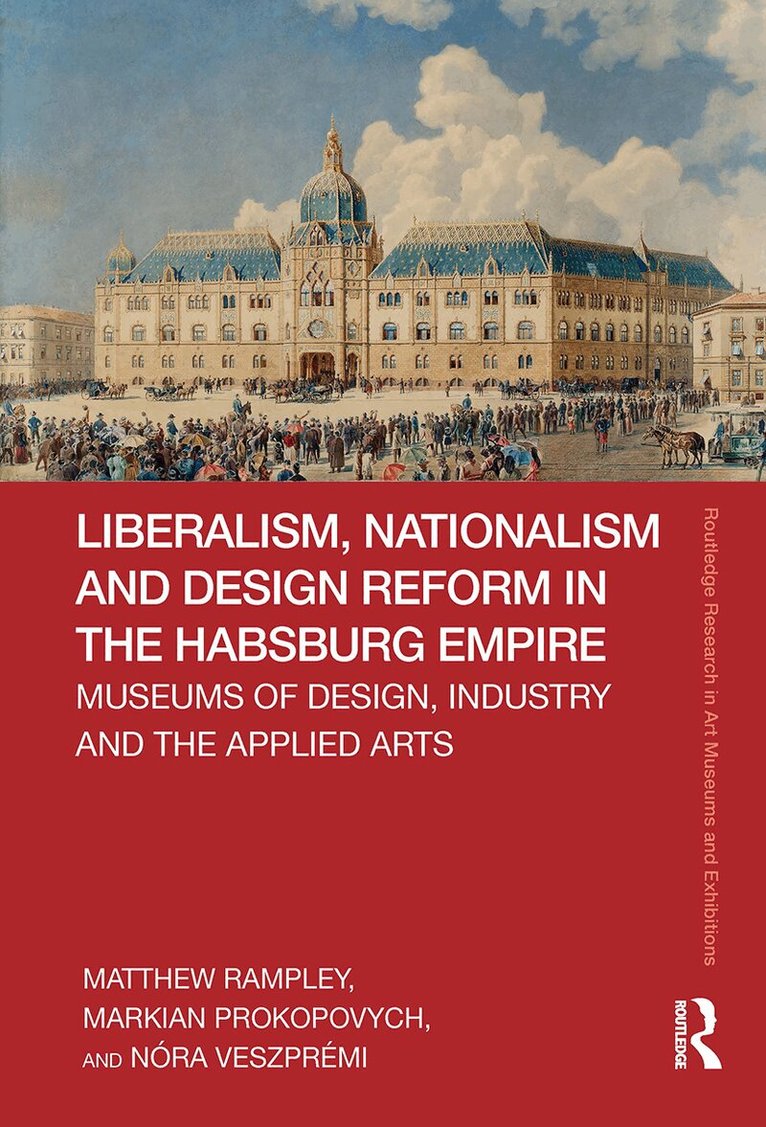
Liberalism, Nationalism and Design Reform in the Habsburg Empire
Museums of Design, Industry and the Applied Arts
Häftad, Engelska, 2024
637 kr
Skickas inom 10-15 vardagar
Liberalism, Nationalism and Design Reform in the Habsburg Empire is a study of museums of design and applied arts in Austria-Hungary from 1864 to 1914. The Museum for Art and Industry (now the Museum of Applied Arts) as well as its design school occupies a prominent place in the study. The book also gives equal attention to museums of design and applied arts in cities elsewhere in the Empire, such as Budapest Prague, Cracow, Brno and Zagreb. The book is shaped by two broad concerns: the role of liberalism as a political, cultural and economic ideology motivating the museums�€� foundation, and their engagement with the politics of imperial, national and regional identity of the late Habsburg Empire. This book will be of interest for scholars of art history, museum studies, design history, and European history.
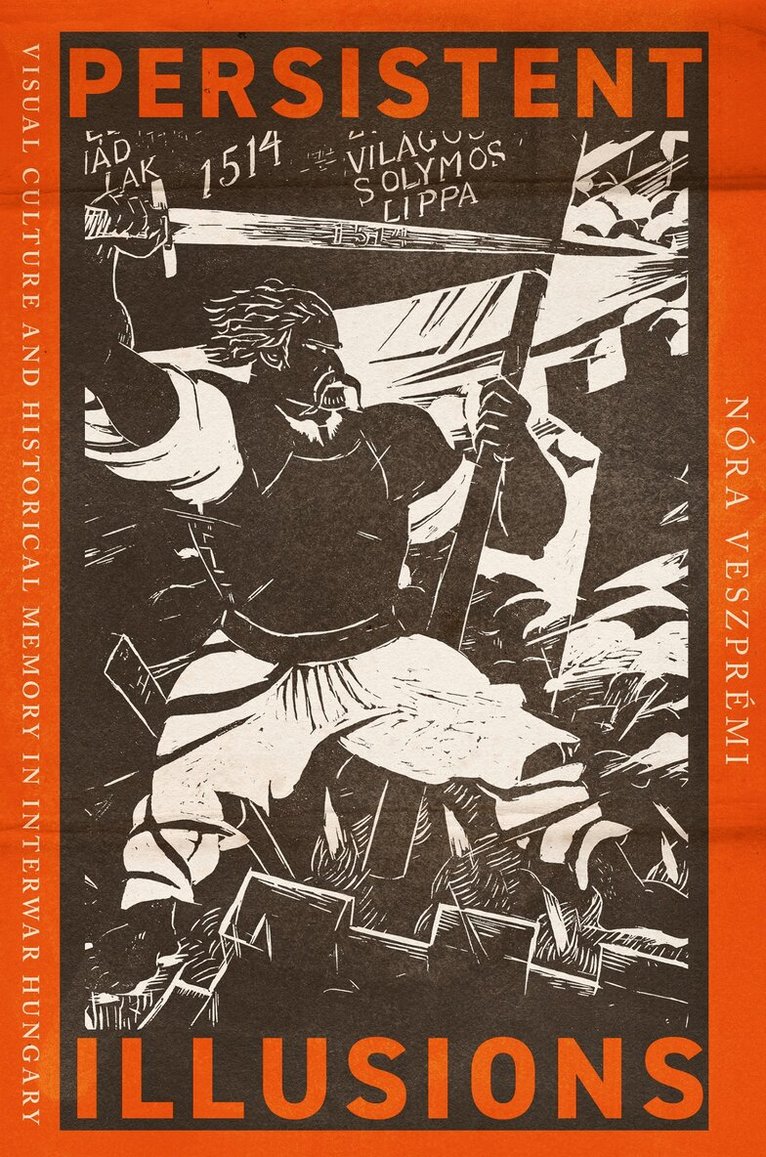
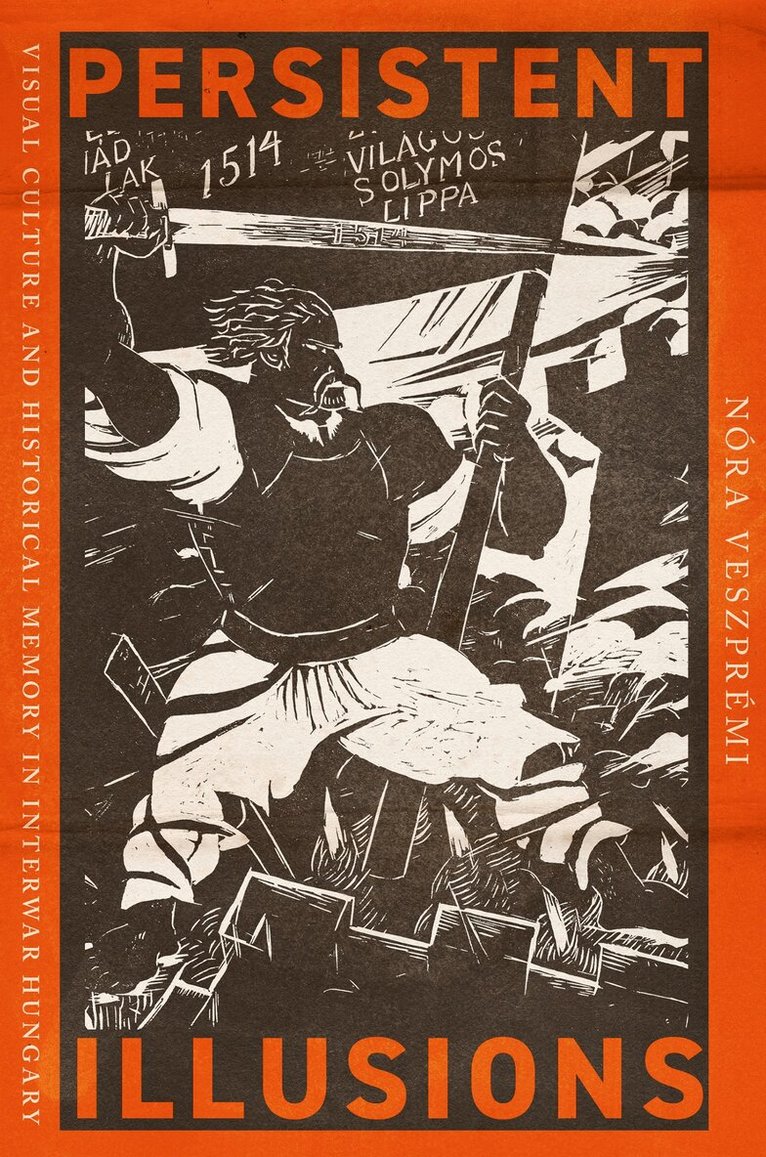
Persistent Illusions
Visual Culture and Historical Memory in Interwar Hungary
Inbunden, Engelska, 2025
1 604 kr
Skickas inom 10-15 vardagar
Persistent Illusions examines the visual representation of history in interwar Hungary, where interpretations of the past were suffused with references to the country's recent territorial loss. In these images of history, nineteenth-century themes and motifs took on new forms to promote twentieth-century political ideas through the new media of modernity.Nóra Veszprémi illustrates how modernization created resilient imagery that persists in cultural memory through a wide range of paintings, prints, stamps, public spectacles, and monuments. In doing so, she challenges the assumption that the official culture of the right-wing, authoritarian regime of Admiral Miklós Horthy was characterized by a superficial revival of historical styles. Instead, she argues that the regime drew on history in complex, modern ways that disseminated motifs and ideological frameworks across political divides. By analyzing how ideology shapes enduring concepts of the past through the evocative power of images, Persistent Illusions encourages the reader to critically examine the legacies of interwar ideas and imagery in the present day.
296 kr
Skickas inom 10-15 vardagar
Persistent Illusions examines the visual representation of history in interwar Hungary, where interpretations of the past were suffused with references to the country's recent territorial loss. In these images of history, nineteenth-century themes and motifs took on new forms to promote twentieth-century political ideas through the new media of modernity.Nóra Veszprémi illustrates how modernization created resilient imagery that persists in cultural memory through a wide range of paintings, prints, stamps, public spectacles, and monuments. In doing so, she challenges the assumption that the official culture of the right-wing, authoritarian regime of Admiral Miklós Horthy was characterized by a superficial revival of historical styles. Instead, she argues that the regime drew on history in complex, modern ways that disseminated motifs and ideological frameworks across political divides. By analyzing how ideology shapes enduring concepts of the past through the evocative power of images, Persistent Illusions encourages the reader to critically examine the legacies of interwar ideas and imagery in the present day.