Markian Prokopovych – författare
Visar alla böcker från författaren Markian Prokopovych. Handla med fri frakt och snabb leverans.
9 produkter
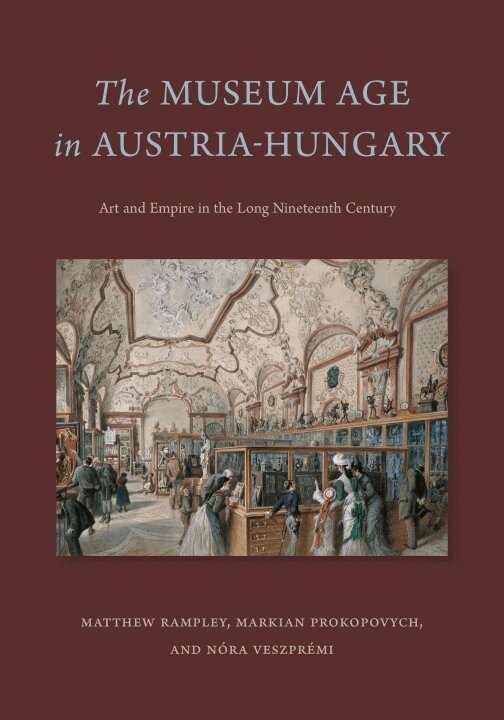
Museum Age in Austria-Hungary
Art and Empire in the Long Nineteenth Century
Av Matthew Rampley, Markian Prokopovych m. fl.
Inbunden, 2021
1135 kr
Lägg i varukorg
This important critical study of the history of public art museums in Austria-Hungary explores their place in the wider history of European museums and collecting, their role as public institutions, and their involvement in the complex cultural politics of the Habsburg Empire.Focusing on …
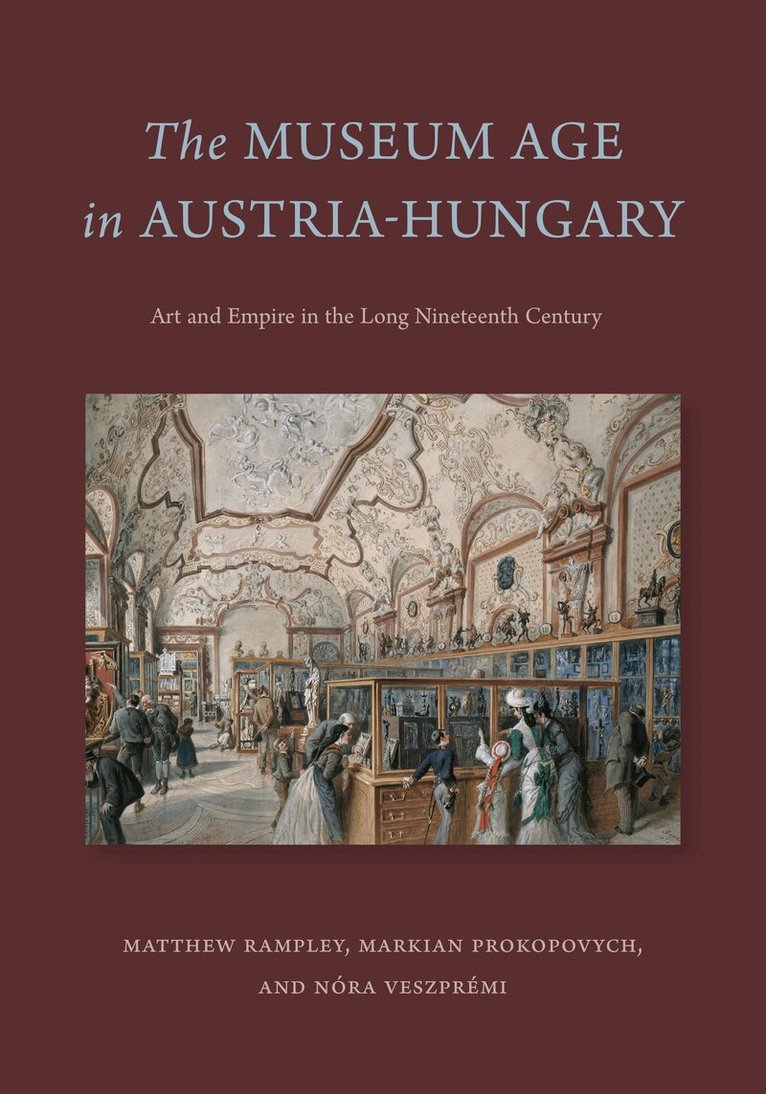
Museum Age in Austria-Hungary
Art and Empire in the Long Nineteenth Century
Av Matthew Rampley, Markian Prokopovych m. fl.
Häftad, 2023
458 kr
Lägg i varukorg
This important critical study of the history of public art museums in Austria-Hungary explores their place in the wider history of European museums and collecting, their role as public institutions, and their involvement in the complex cultural politics of the Habsburg Empire.Focusing on …
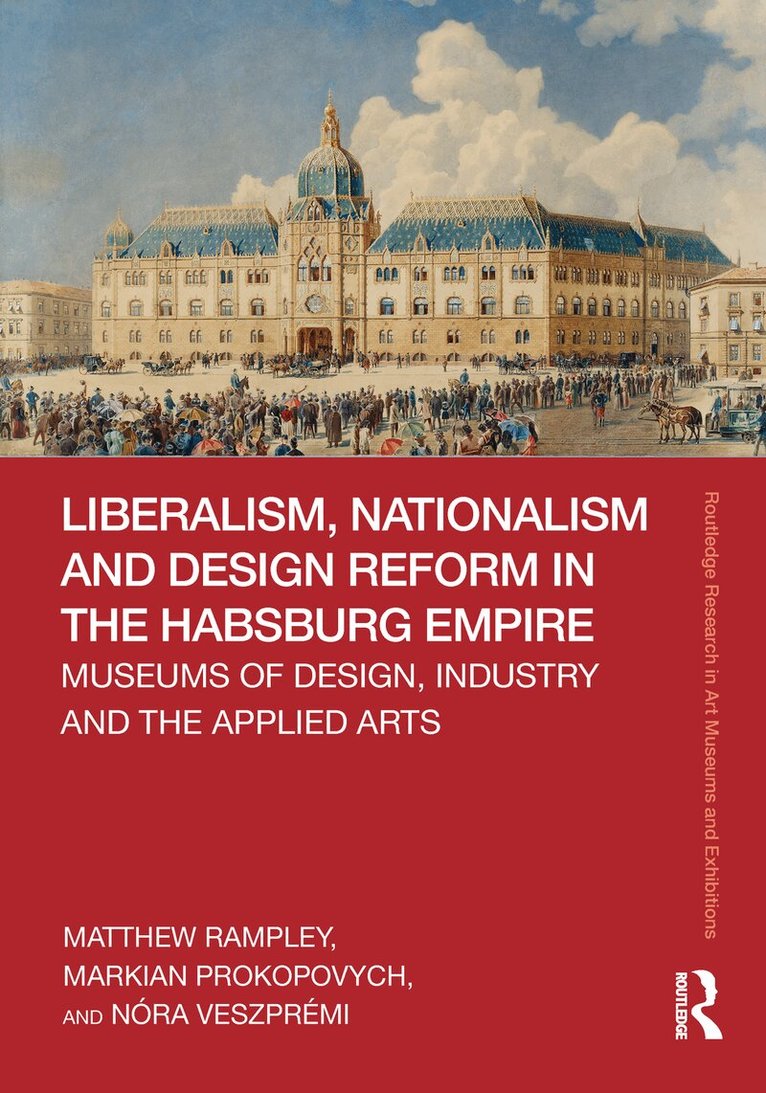
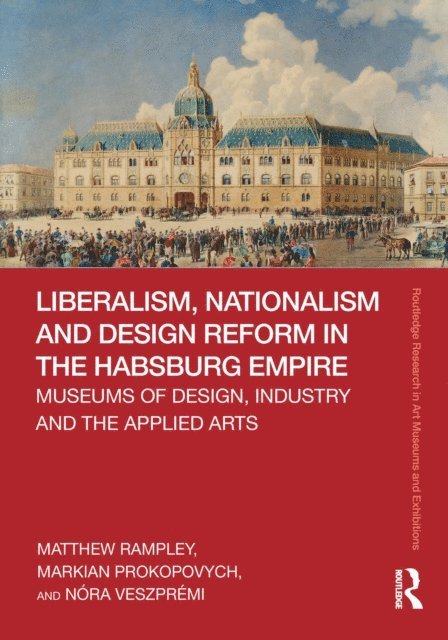
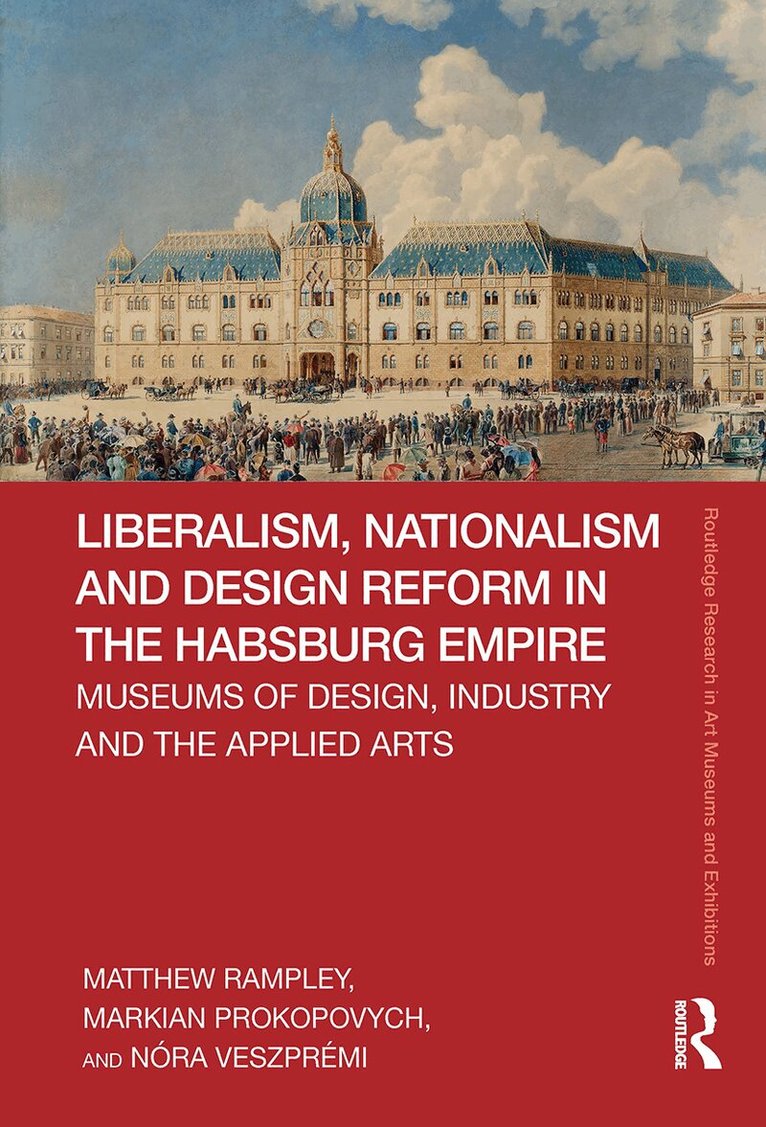
Liberalism, Nationalism and Design Reform in the Habsburg Empire
Museums of Design, Industry and the Applied Arts
Av Matthew Rampley, Markian Prokopovych m. fl.
Inbunden, 2020
2578 kr
Lägg i varukorg
Liberalism, Nationalism and Design Reform in the Habsburg Empire is a study of museums of design and applied arts in Austria-Hungary from 1864 to 1914. The Museum for Art and Industry (now the Museum of Applied Arts) as well as its design school occupies a prominent place in the study. The book …
Liberalism, Nationalism and Design Reform in the Habsburg Empire
Museums of Design, Industry and the Applied Arts
Av Nora Veszpremi, Markian Prokopovych m. fl.
E-bok, 2020
838 kr
Lägg i varukorg
Liberalism, Nationalism and Design Reform in the Habsburg Empire is a study of museums of design and applied arts in Austria-Hungary from 1864 to 1914. The Museum for Art and Industry (now the Museum of Applied Arts) as well as its design school occupies a prominent place in the study. The book …
Liberalism, Nationalism and Design Reform in the Habsburg Empire
Museums of Design, Industry and the Applied Arts
Av Nora Veszpremi, Markian Prokopovych m. fl.
E-bok, 2020
838 kr
Lägg i varukorg
Liberalism, Nationalism and Design Reform in the Habsburg Empire is a study of museums of design and applied arts in Austria-Hungary from 1864 to 1914. The Museum for Art and Industry (now the Museum of Applied Arts) as well as its design school occupies a prominent place in the study. The book …
Liberalism, Nationalism and Design Reform in the Habsburg Empire
Museums of Design, Industry and the Applied Arts
Av Matthew Rampley, Markian Prokopovych m. fl.
Häftad, 2024
712 kr
Lägg i varukorg
Liberalism, Nationalism and Design Reform in the Habsburg Empire is a study of museums of design and applied arts in Austria-Hungary from 1864 to 1914. The Museum for Art and Industry (now the Museum of Applied Arts) as well as its design school occupies a prominent place in the study. The book …
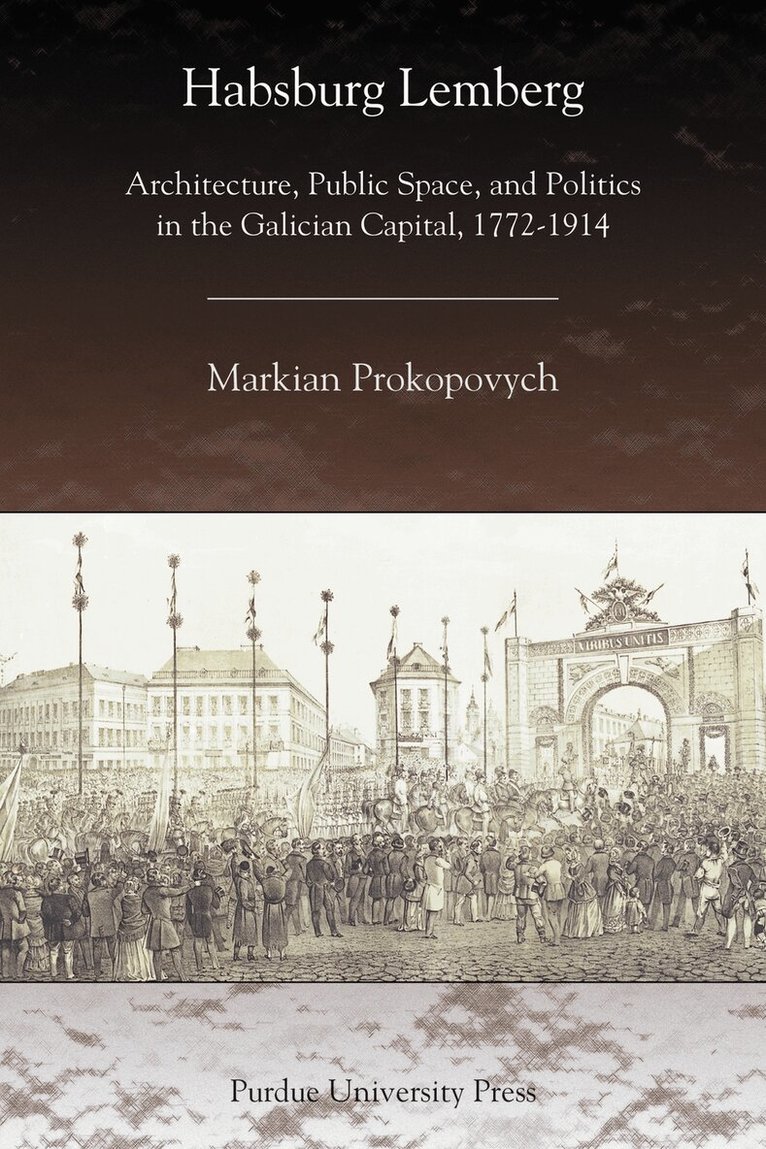
Habsburg Lemberg
Architecture, Public Space, and Politics in the Galician Capital, 1772-1914
Häftad, 2008
558 kr
Lägg i varukorg
When Austria annexed Galicia during the first partition of Poland in 1772, the province's capital Lemberg was a decaying Baroque town. By the outbreak of the First World War in 1914, Lemberg had become a booming city with a modern, urban and, at the same time, distinctly Habsburg flavor. In the …
Language Diversity in the Late Habsburg Empire
Av Markian Prokopovych, Carl Bethke m. fl.
Inbunden, 2019
1948 kr
Lägg i varukorg
The Habsburg Empire often features in scholarship as a historical example of how language diversity and linguistic competence were essential to the functioning of the imperial state. Focusing critically on the urban-rural divide, on the importance of status for multilingual competence, on local …
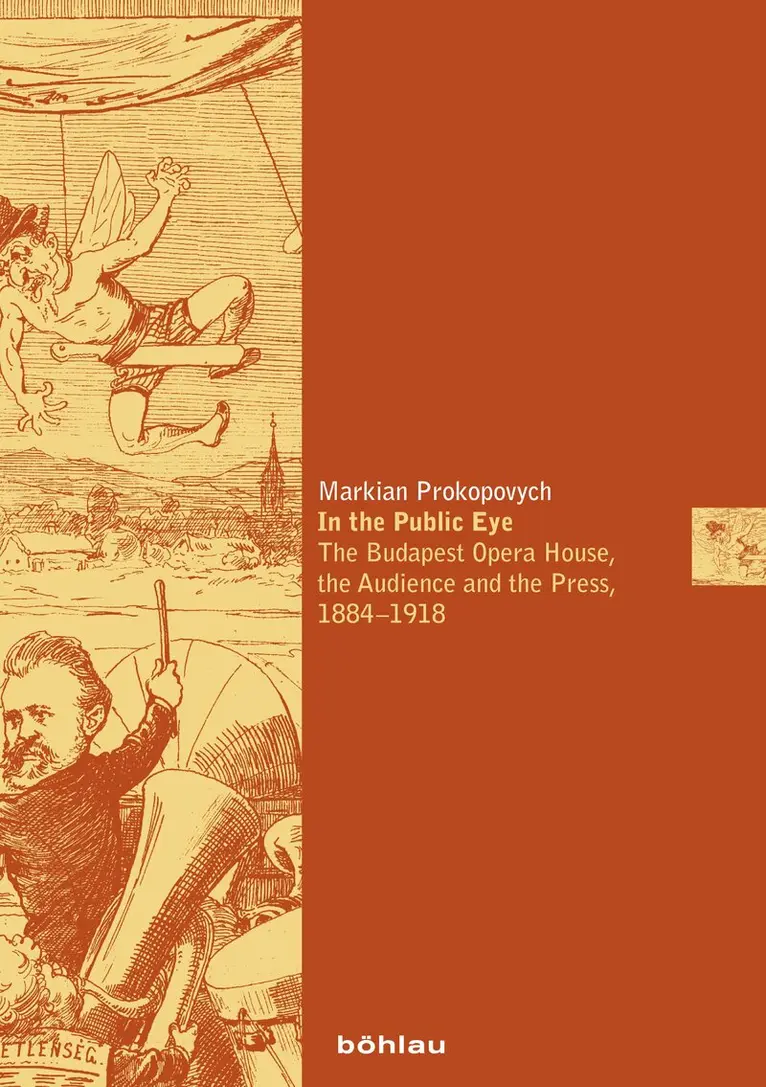
In the Public Eye
The Budapest Opera House, the Audience and the Press, 1884-1918
Häftad, 2014
841 kr
Tillfälligt slut
During the 1884 inauguration of the Royal Hungarian Opera House in Budapest, political elites staged a gala concert in the auditorium while the angry crowd, excluded from this ceremony, demonstrated on the street. In 1917, the crowds queuing to a Béla Bartók premiere needed to be forcibly held …