
Oscar Larsson – författare
Visar alla böcker från författaren Oscar Larsson. Handla med fri frakt och snabb leverans.
3 produkter
3 produkter
1 773 kr
Skickas inom 10-15 vardagar
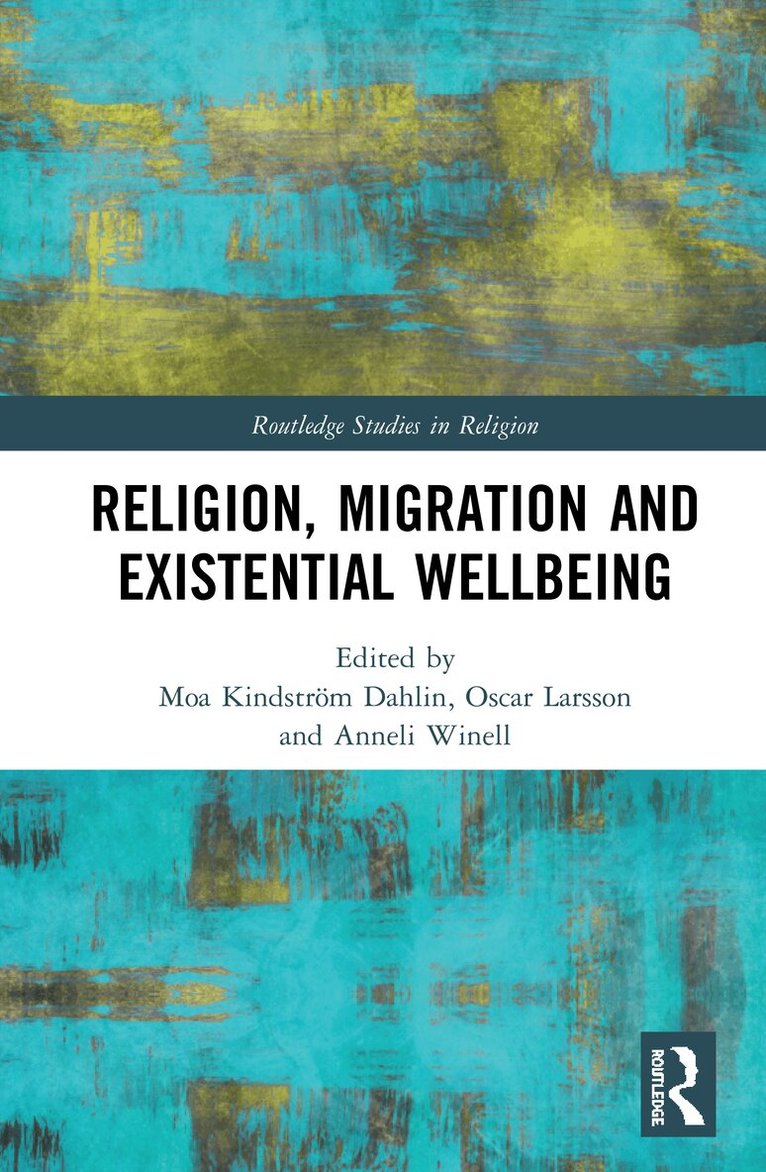
This book uses the very latest research to examine current interactions between religion, migration and existential wellbeing. In particular, it demonstrates the role of religion and religious organizations in the social, medical and existential wellbeing of immigrants within their host societies. By focusing on the role and politics of religion and religious organisations as well as the religious identity and faith of individuals, it highlights the connection between existential wellbeing, integration and social cohesion. The book brings together researchers from various disciplines taking on the challenge to elaborate on the theme of this book from different perspectives, using different methods and theories with a wide selection of cases from various parts of the world. The value of multidisciplinary research on the role of religion in a globalised society – locally, nationally and internationally – is important for understanding the composition and potential solutions to social and political problems. Religious aspects and organisations are present in legal, political and social forms of governance and form the basis for future research on e.g. secularisation, democracy, minorities, human rights, welfare, healthcare and identity formation. These and other related topics are discussed in this book.This book is an up-to-date and multifaceted study of how religion engages with the mass movement of peoples. As such, it will be of great interest to any scholar of Religious Studies, Migrant Studies, Sociology of Religion, Religion and Politics, as well as Legal Studies with a human right focus.
632 kr
Skickas inom 10-15 vardagar
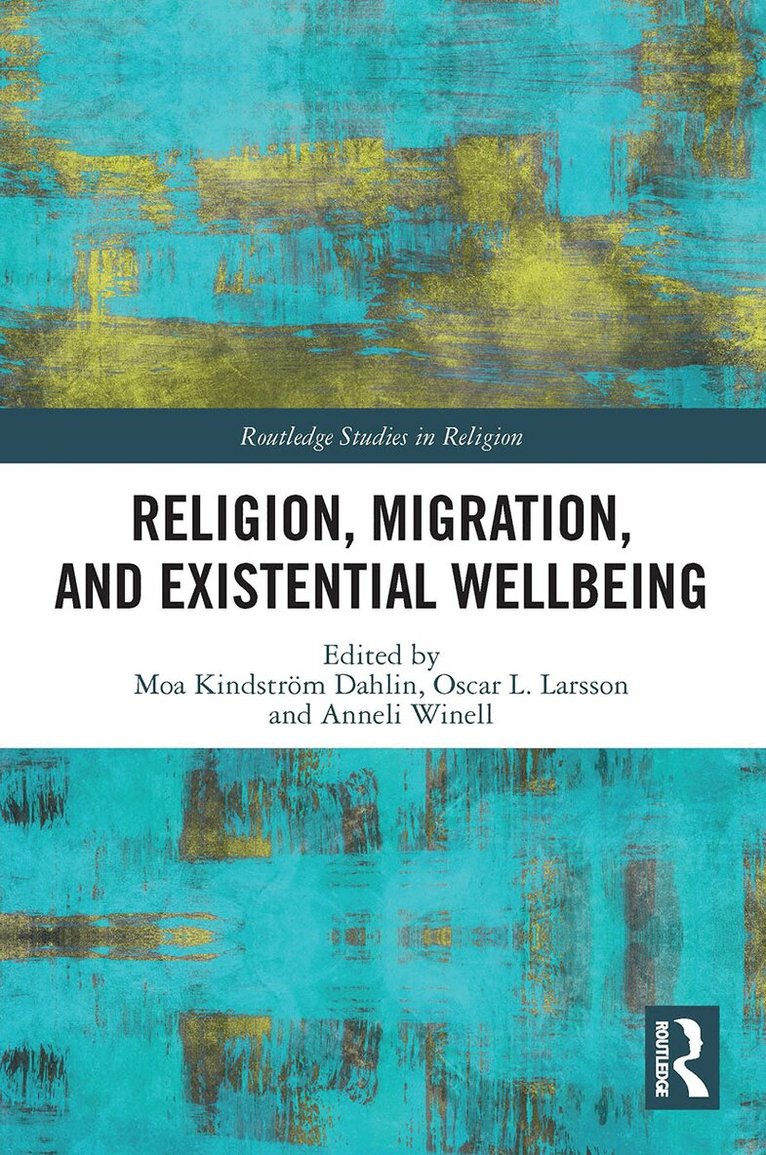
This book uses the very latest research to examine current interactions between religion, migration and existential wellbeing. In particular, it demonstrates the role of religion and religious organizations in the social, medical and existential wellbeing of immigrants within their host societies. By focusing on the role and politics of religion and religious organisations as well as the religious identity and faith of individuals, it highlights the connection between existential wellbeing, integration and social cohesion. The book brings together researchers from various disciplines taking on the challenge to elaborate on the theme of this book from different perspectives, using different methods and theories with a wide selection of cases from various parts of the world. The value of multidisciplinary research on the role of religion in a globalised society – locally, nationally and internationally – is important for understanding the composition and potential solutions to social and political problems. Religious aspects and organisations are present in legal, political and social forms of governance and form the basis for future research on e.g. secularisation, democracy, minorities, human rights, welfare, healthcare and identity formation. These and other related topics are discussed in this book.This book is an up-to-date and multifaceted study of how religion engages with the mass movement of peoples. As such, it will be of great interest to any scholar of Religious Studies, Migrant Studies, Sociology of Religion, Religion and Politics, as well as Legal Studies with a human right focus.
779 kr
Kommande
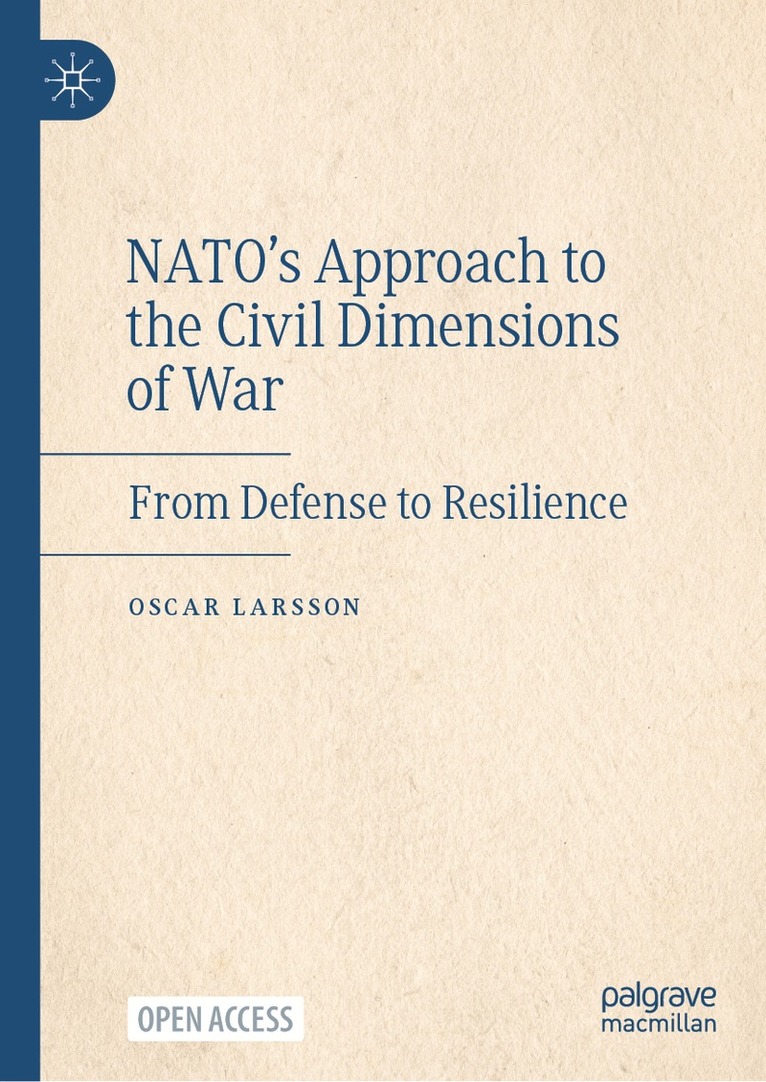
This open access book offers the first thorough analysis of the role of civil defense in NATO security discourse and development over the years, pinpointing critical junctures and historical events. Its novel contribution is the analysis of NATO's adoption and implementation of resilience as policy, a strategic concept, and later as a new body, the resilience committee. It explores how resilience shapes the role of civil defense and becomes a natural part of national defense and international security, and provides new insights into the knowledge of this contested concept and its adaptability once it enters a security discourse.In terms of policy implications, one of the book's key contributions is its careful examination of the intricate roles ascribed by civil administration, civil society, market actors, and the broader populace. By explicitly addressing the social and political dynamics that have shaped NATO both historically and in the present day, it aims to ignite vital conversations around the implications of military alliances on democracy, accountability, and their influence over the internal political affairs of member states. This sheds light on the interconnectedness of these elements and encourages readers to critically reflect on the power structures at play and their far-reaching effects.