Inbunden, Engelska, 2026
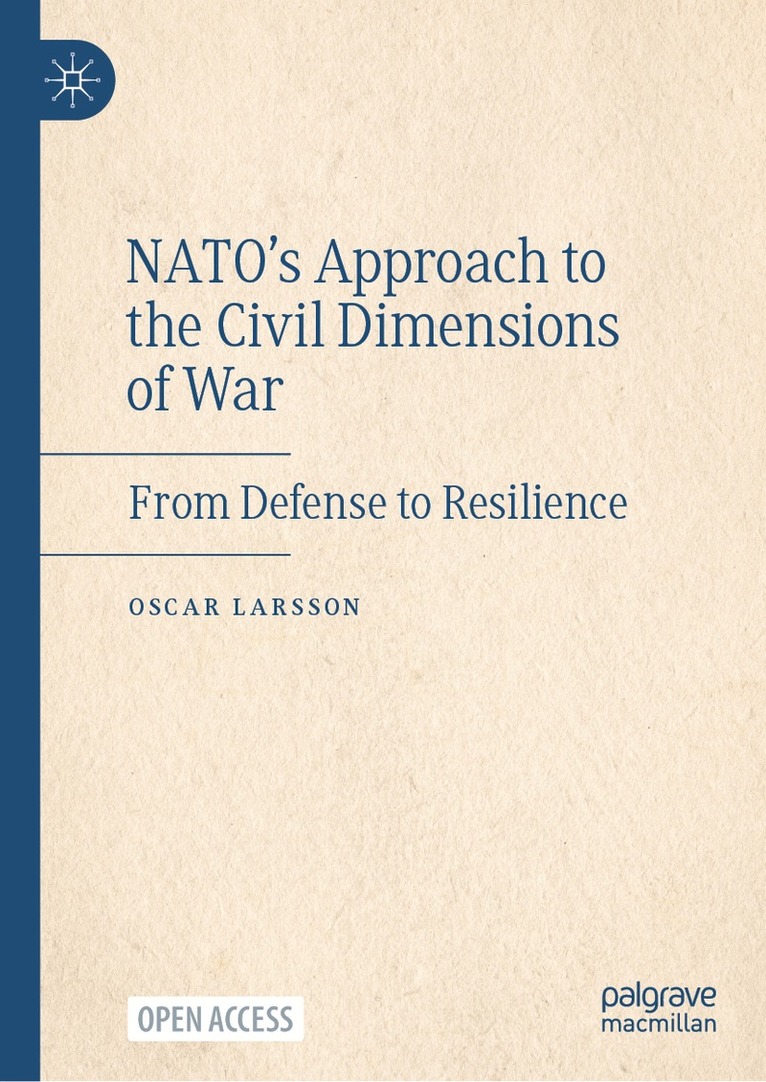
NATO’s Approach to the Civil Dimensions of War
552 kr
Beställningsvara. Skickas inom 10-15 vardagar. Fri frakt över 249 kr.
Beskrivning
This open access book offers the first thorough analysis of the role of civil defense in NATO security discourse and development over the years, pinpointing critical junctures and historical events. Its novel contribution is the analysis of NATO's adoption and implementation of resilience as policy, a strategic concept, and later as a new body, the resilience committee. It explores how resilience shapes the role of civil defense and becomes a natural part of national defense and international security, and provides new insights into the knowledge of this contested concept and its adaptability once it enters a security discourse.In terms of policy implications, one of the book's key contributions is its careful examination of the intricate roles ascribed by civil administration, civil society, market actors, and the broader populace. By explicitly addressing the social and political dynamics that have shaped NATO both historically and in the present day, it aims to ignite vital conversations around the implications of military alliances on democracy, accountability, and their influence over the internal political affairs of member states. This sheds light on the interconnectedness of these elements and encourages readers to critically reflect on the power structures at play and their far-reaching effects.
Produktinformation
- Utgivningsdatum: 2026-08-08
- Mått: 216 x 29 x 149 mm
- Vikt: 460 g
- Format: Inbunden
- Språk: Engelska
- Antal sidor: 250
- Förlag: Springer Nature Switzerland AG
- ISBN: 9783032278708
Utforska kategorier
Betyg & recensioner
0 recensioner
Inga recensioner tillgängliga.