Pablo García Loaeza - Böcker
Visar alla böcker från författaren Pablo García Loaeza. Handla med fri frakt och snabb leverans.
7 produkter
7 produkter
681 kr
Skickas inom 10-15 vardagar
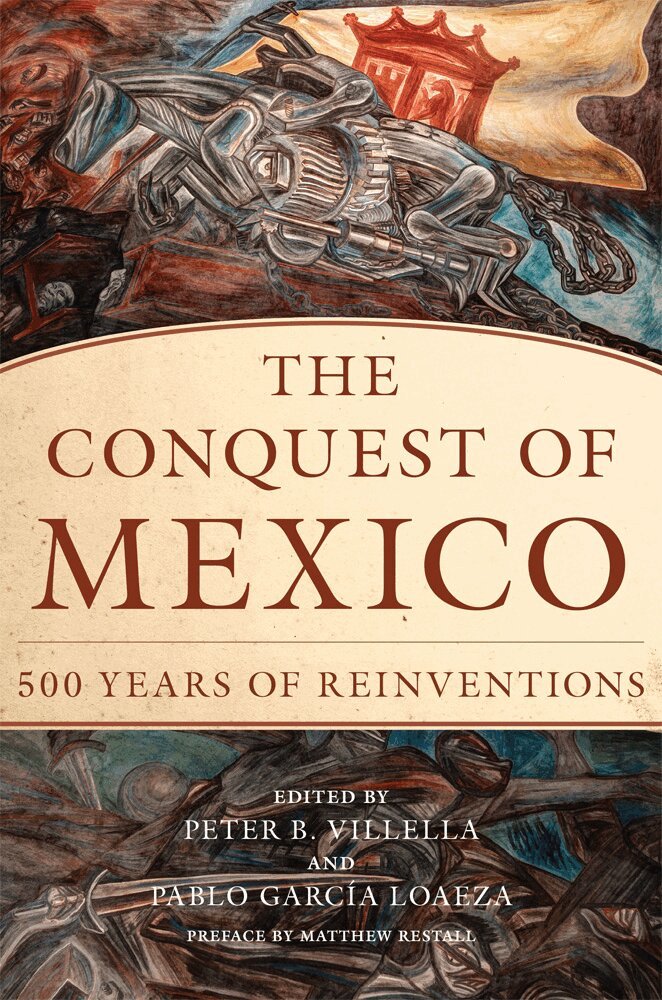
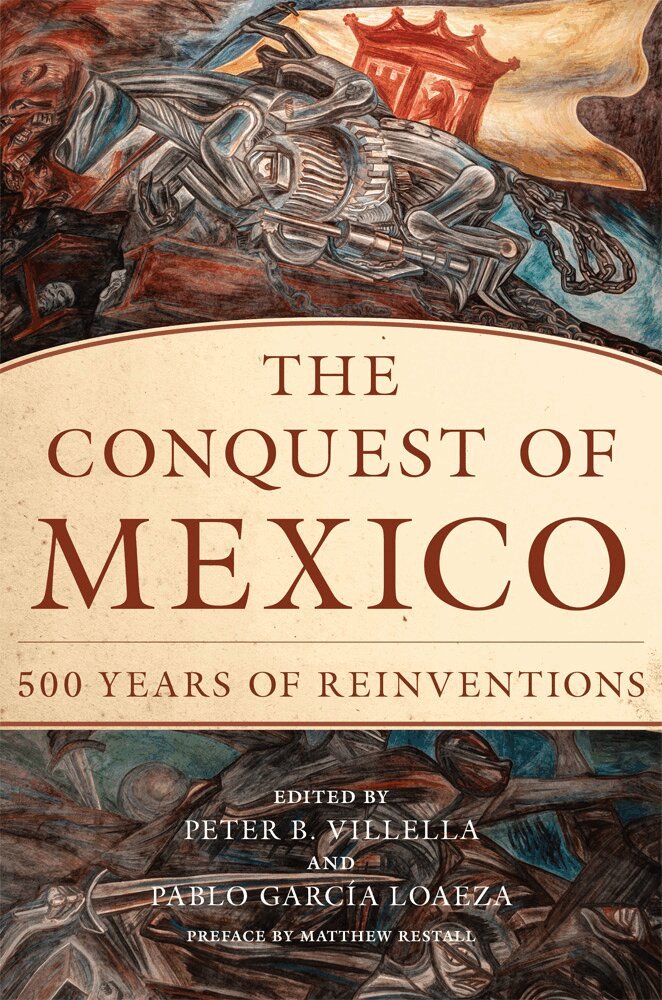
The Spanish invasion of Mexico in 1519, which led to the end of the Aztec Empire, was one of the most influential events in the history of the modern Atlantic world. But equally consequential, as this volume makes clear, were the ways the Conquest was portrayed.In essays spanning five centuries and three continents, The Conquest of Mexico: 500 Years of Reinventions explores how politicians, writers, artists, activists, and others have strategically reimagined the Conquest to influence and manipulate perceptions within a wide variety of controversies and debates, including those touching on indigeneity, nationalism, imperialism, modernity, and multiculturalism. Writing from a range of perspectives and disciplines, the authors demonstrate that the Conquest of Mexico, whose significance has ever been marked by fundamental ambiguity, has consistently influenced how people across the modern Atlantic world conceptualize themselves and their societies.After considering the looming, ubiquitous role of the Conquest in Mexican thought and discourse since the sixteenth century, the contributors go farther afield to examine the symbolic relevance of the Conquest in contexts as diverse as Tudor England, Bourbon France, postimperial Spain, modern Latin America, and even contemporary Hollywood. Highlighting the extent to which the Spanish-Aztec conflict inspired historical reimaginings, these essays reveal how the Conquest became such an iconic event—and a perennial medium by which both Europe and the Americas have, for centuries, endeavored to understand themselves as well as their relationship to others.A valuable contribution to ongoing efforts to demythologize and properly memorialize the Spanish-Aztec War of 1519–21, this volume also aptly illustrates how we make history of the past and how that history-making shapes our present—and possibly our future.
Del 9 - Latin American Originals
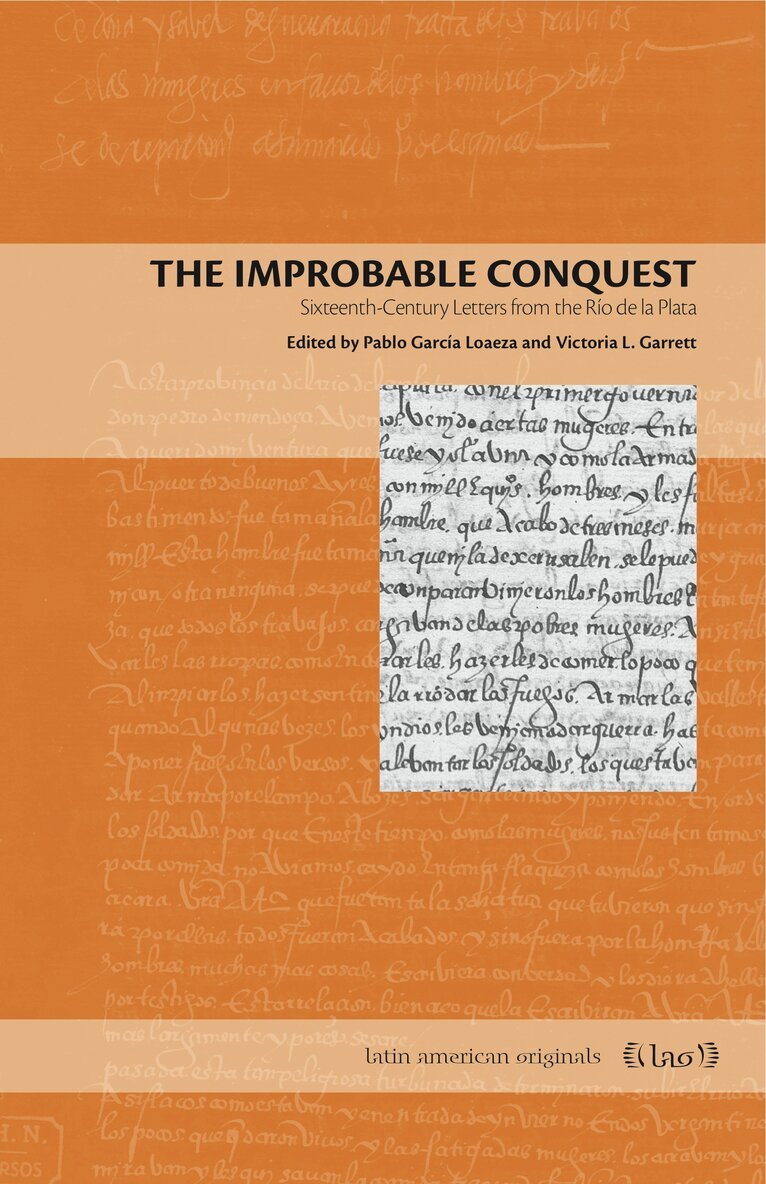
Improbable Conquest
Sixteenth-Century Letters from the Río de la Plata
Häftad, Engelska, 2015
300 kr
Skickas inom 11-20 vardagar
The Improbable Conquest offers translations of a series of little-known letters from the chaotic Spanish conquest of the Río de la Plata region, uncovering a rich and understudied historical resource. These letters were written by a wide variety of individuals, including clergy, military officers, and the region’s first governor, Pedro de Mendoza. There is also an exceptional contribution from Isabel de Guevara, one of the few women involved in the conquest to have recorded her experiences. Writing about the conditions of settlements and expeditions, these individuals vividly expose the less glamorous side of the conquest, narrating in detail various misfortunes, infighting, corruption, and complaints. Their letters further reveal the colony’s fraught relationship with the native peoples it sought to colonize, giving insight into the complexities of the conquest and the colonization process. Pablo García Loaeza and Victoria Garrett provide an introduction to the history of the region and the conquest’s key players, as well as a timeline and a glossary explaining difficult and archaic Spanish terms.
Del 10 - Latin American Originals
Native Conquistador
Alva Ixtlilxochitl’s Account of the Conquest of New Spain
Häftad, Engelska, 2015
300 kr
Skickas inom 11-20 vardagar
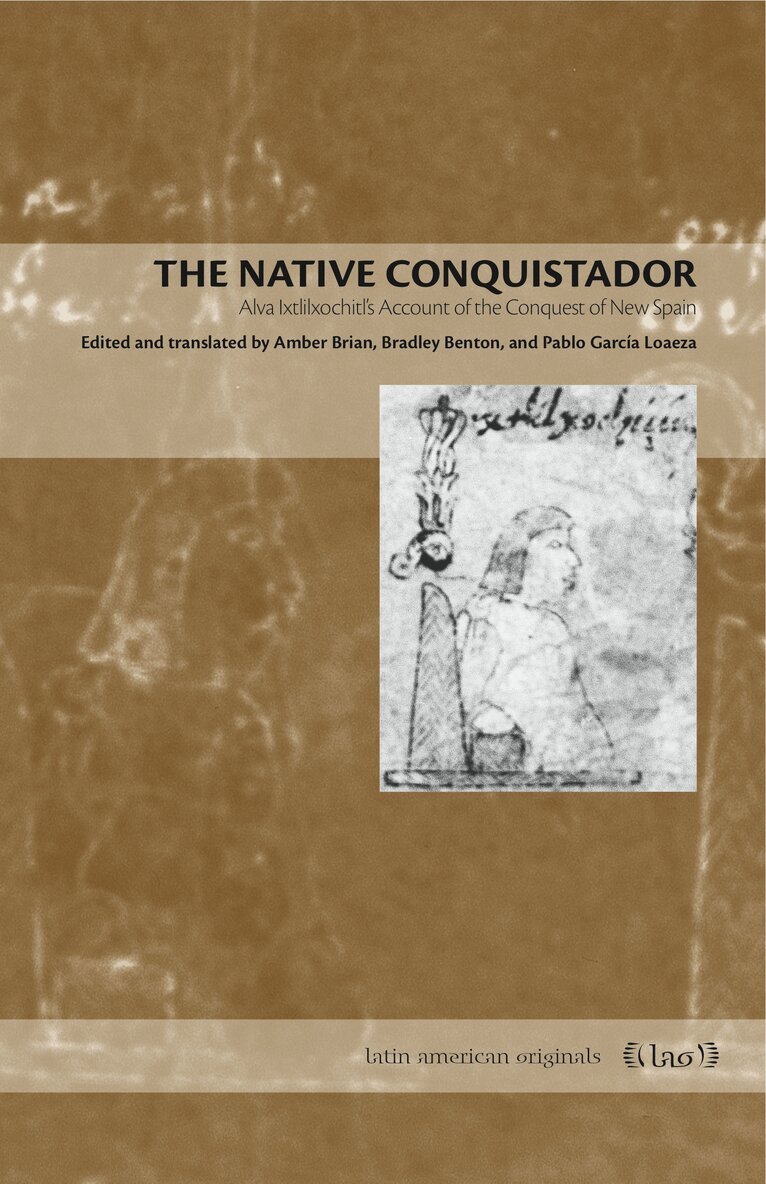
For many years, scholars of the conquest worked to shift focus away from the Spanish perspective and bring attention to the often-ignored voices and viewpoints of the Indians. But recent work that highlights the “Indian conquistadors” has forced scholars to reexamine the simple categories of conqueror and subject and to acknowledge the seemingly contradictory roles assumed by native peoples who chose to fight alongside the Spaniards against other native groups. The Native Conquistador—a translation of the “Thirteenth Relation,” written by don Fernando de Alva Ixtlilxochitl in the early seventeenth century—narrates the conquest of Mexico from Hernando Cortés’s arrival in 1519 through his expedition into Central America in 1524. The protagonist of the story, however, is not the Spanish conquistador but Alva Ixtlilxochitl’s great-great-grandfather, the native prince Ixtlilxochitl of Tetzcoco. This account reveals the complex political dynamics that motivated Ixtlilxochitl’s decisive alliance with Cortés. Moreover, the dynamic plotline, propelled by the feats of Prince Ixtlilxochitl, has made this a compelling story for centuries—and one that will captivate students and scholars today.
170 kr
Skickas inom 3-6 vardagar
322 kr
Skickas inom 10-15 vardagar
The Spanish invasion of Mexico in 1519, which led to the end of the Aztec Empire, was one of the most influential events in the history of the modern Atlantic world. But equally consequential, as this volume makes clear, were the ways the Conquest was portrayed.In essays spanning five centuries and three continents, The Conquest of Mexico: 500 Years of Reinventions explores how politicians, writers, artists, activists, and others have strategically reimagined the Conquest to influence and manipulate perceptions within a wide variety of controversies and debates, including those touching on indigeneity, nationalism, imperialism, modernity, and multiculturalism. Writing from a range of perspectives and disciplines, the authors demonstrate that the Conquest of Mexico, whose significance has ever been marked by fundamental ambiguity, has consistently influenced how people across the modern Atlantic world conceptualize themselves and their societies.After considering the looming, ubiquitous role of the Conquest in Mexican thought and discourse since the sixteenth century, the contributors go farther afield to examine the symbolic relevance of the Conquest in contexts as diverse as Tudor England, Bourbon France, postimperial Spain, modern Latin America, and even contemporary Hollywood. Highlighting the extent to which the Spanish-Aztec conflict inspired historical reimaginings, these essays reveal how the Conquest became such an iconic event—and a perennial medium by which both Europe and the Americas have, for centuries, endeavored to understand themselves as well as their relationship to others.A valuable contribution to ongoing efforts to demythologize and properly memorialize the Spanish-Aztec War of 1519–21, this volume also aptly illustrates how we make history of the past and how that history-making shapes our present—and possibly our future.
808 kr
Skickas inom 7-10 vardagar
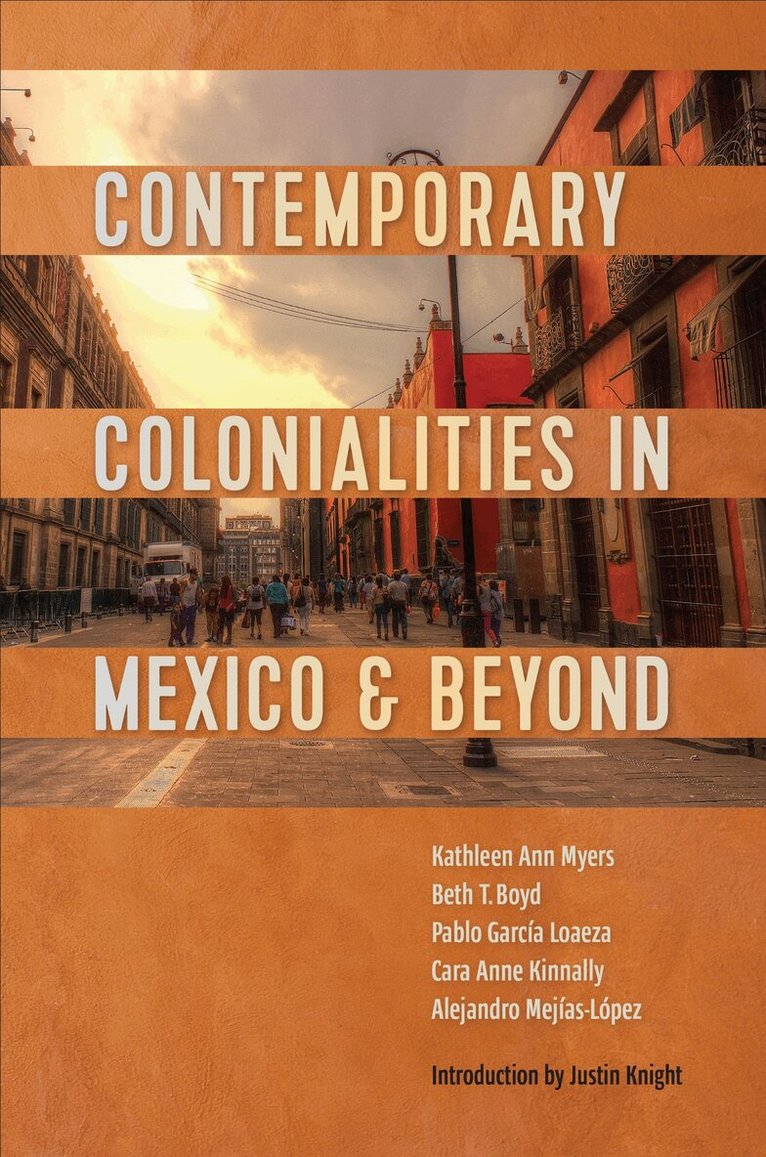
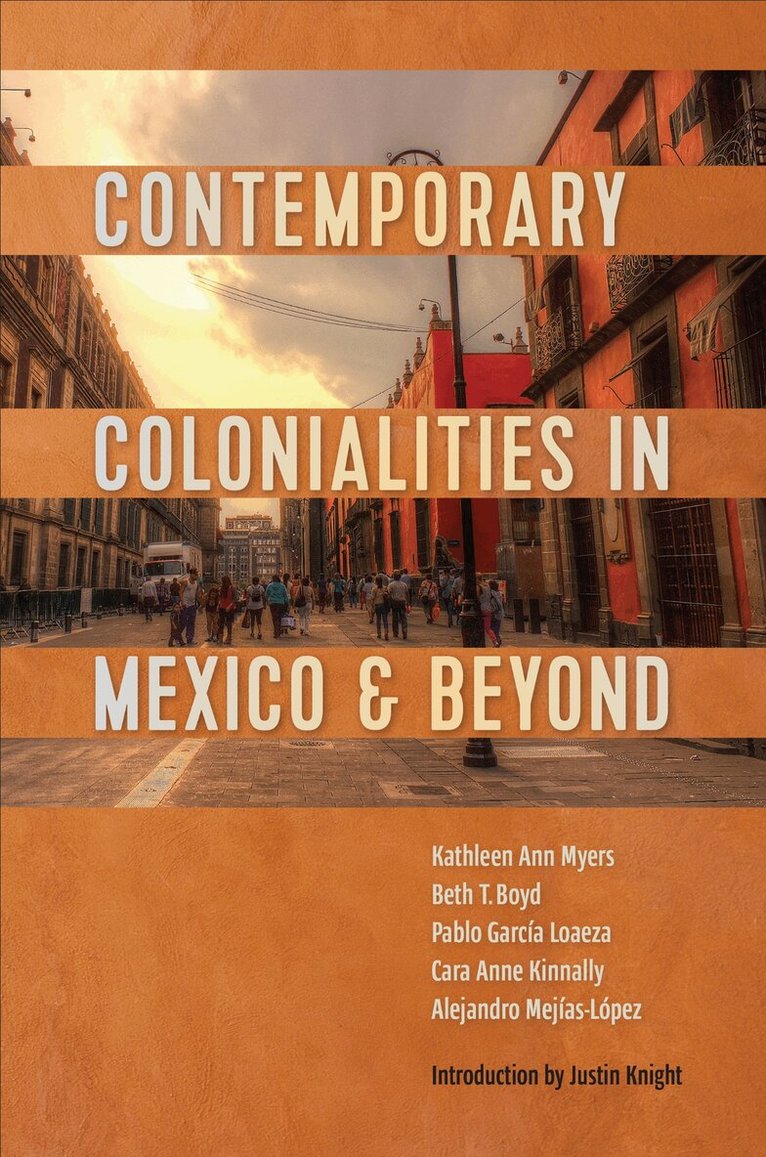
Contemporary Colonialities in Mexico and Beyond explores the changing dynamic of coloniality by focusing on how modern cultural products connect to the foundational structures of colonialism. The book examines how these structures have perpetuated discourses of racial, ethnic, gender, and social exclusion rooted in Mexico’s history. Given the intimate relationship between coloniality and modernity, the volume addresses three central questions: How does the Mexican colonial history influence the definition of Mexico from within and outside its borders? What issues rooted in coloniality recur over time and space? And finally, how do cultural products provide a concrete and tangible way of studying coloniality, its history, and its evolution?The book analyses how literary works, movies, television series, and social media posts reconfigure colonial difference and spatialization. Supported by careful historical and cultural contextualization, these analyses will allow readers to appreciate contemporary Mexico vis-à-vis culture and borderland issues in the United States and debates on imperial memory in Spain. Ultimately, Contemporary Colonialities in Mexico and Beyond presents a handbook for readers looking to learn more about coloniality as a pervasive part of global interactions today.
433 kr
Skickas inom 5-8 vardagar
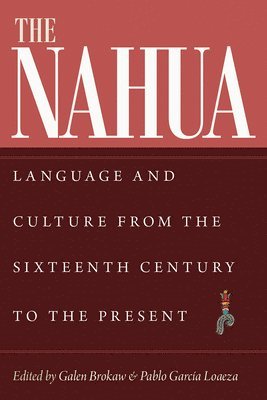
Revealing the resiliency of Nahua culture and language while highlighting the adaptations and changes they have undergone over the centuries, The Nahua demonstrates that Nahuatl remained a vibrant and central language well after European contact and into the twenty-first century, and its characteristic features can provide insight into nuanced aspects of Nahua culture and history. During the colonial period, Nahuatl became a means of empowerment, oppression, and indoctrination. In modern times, Nahuatl continues to serve as an ideological lightning rod for both the Mexican government and Indigenous communities. Contributors to this volume focus on Nahua intellectual production from the sixteenth century to the present; contact and the negotiation of meaning; adaptations of Christian lore that show how representations of creation, hell, and the Passion of Christ reflected Nahua perceptions and understandings; Nahua cultural expressions, including poetry, healing rituals, and even running; language and geography; Nahuatl place-names; and the transformation of Nahuatl speakers from antiquity to the present. Showcasing how Nahuatl’s cultural resilience permanently shaped the region’s social geography, The Nahua engages the field’s interest in the nonhomogenous character of the language, with regional and subregional dialects and pronunciations that reflect the history of pre-Columbian migrations and modern-era influences. Bridging the study of Nahuatl as a “historical” Indigenous language tradition with the study of modern-day speakers and their experiences, this work is of significance to students, scholars, and speakers of the languages as well as those studying colonial New Spain, Indigenous resilience, or Indigenous linguistics.